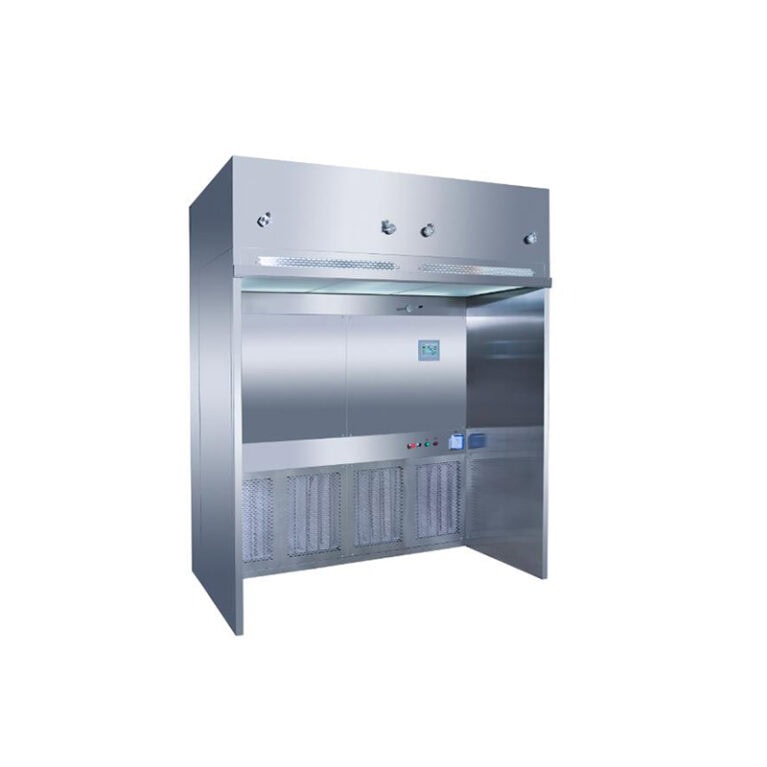
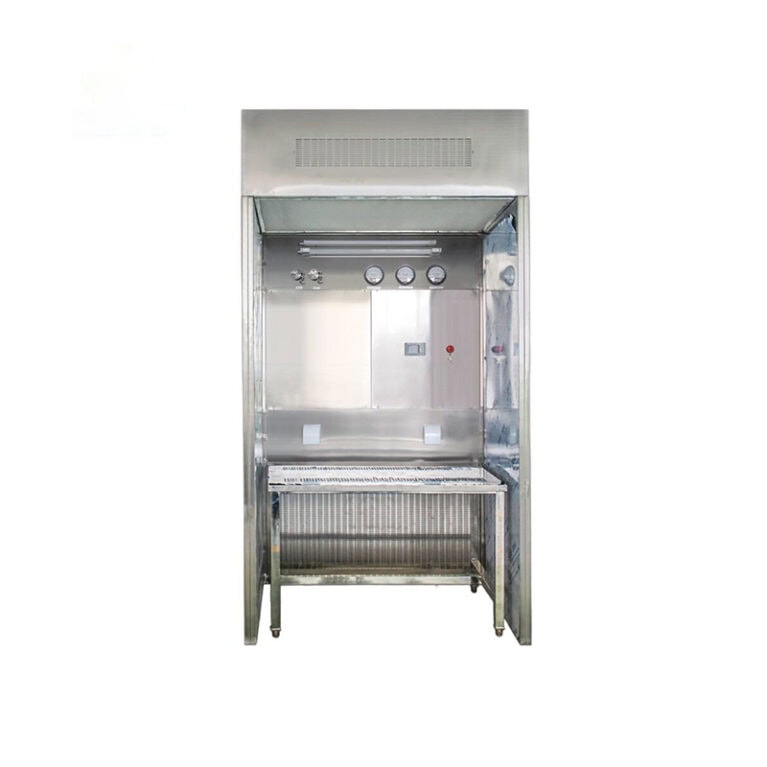
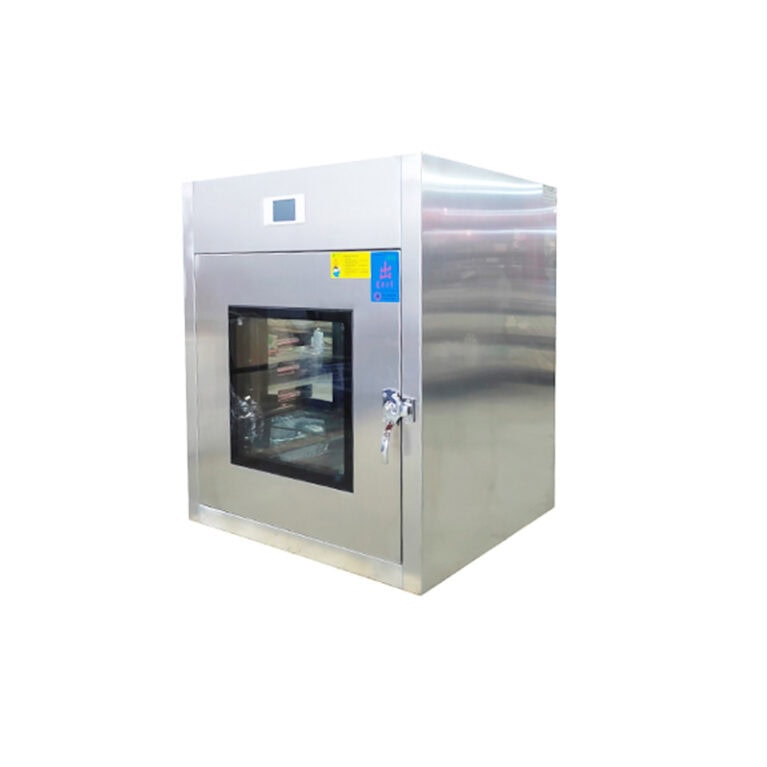
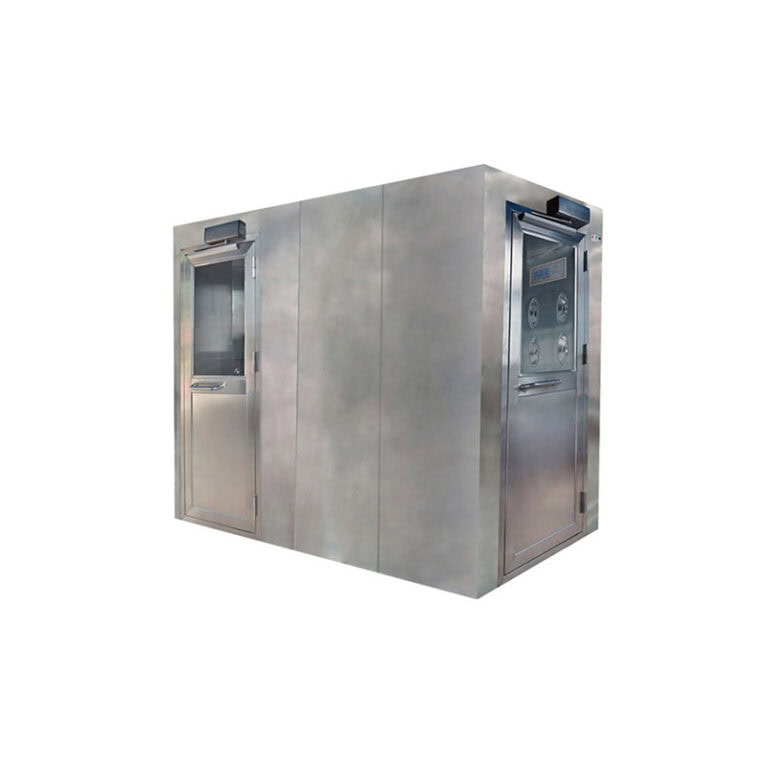
The differential pressure reading of the wind shower transfer window is unstable. The essence of this problem is caused by fluctuations in the pressure sampling signal, chaotic airflow, or faults in the instrument itself. Following the “from easy to difficult, from external to internal” approach, it can be classified into four major types of causes, each with corresponding typical manifestations and handling methods.
1. Problems with the differential pressure gauge and the pressure guide pipe (the easiest to troubleshoot, prioritize inspection)
This type of problem directly affects pressure collection, and is a common cause of fluctuating and erratic readings.
Leaking, loosening, or detachment of the pressure guide pipe
Seams in the pressure guide pipe joints or pipelines allow outside air to enter, causing the sampling pressure to fluctuate up and down, and the pointer to swing back and forth.
Solution: Check the positive and negative pressure ends of the joints, re-tighten them; replace the damaged pipelines to ensure a sealed pipeline.
Blockage, bending, or water accumulation in the pressure guide pipe
Dust or oil contamination blocking the pipeline, or bent pipelines with condensate water, causing pressure transmission to be obstructed and discontinuous, and the pointer to fluctuate irregularly.
Solution: Use clean compressed air to blow the pipeline; straighten the pipeline to avoid dead bends and water accumulation bends, and ensure a smooth air path.
Faults in the differential pressure gauge itself
Wear of the internal mechanism, failure of the spring, or severe drift of the zero position, causing the pointer to be unable to stabilize, and even unable to return to zero when the machine is stopped.
Solution: First, disconnect the power supply for zero position calibration; if the calibration is ineffective, directly replace the differential pressure gauge of the same specification.
2. Severe disturbance of the airflow inside the cabin (caused by operation and environment, easily overlooked)
The differential pressure is the manifestation of airflow resistance. Unstable airflow will inevitably cause fluctuations in the differential pressure.
The door is not closed tightly or the interlock fails
Single-sided or double-sided door seals are not tight, even with gaps, causing the clean area to exchange air with the outside, resulting in continuous changes in cabin pressure and drastic fluctuations in the reading.
Solution: Confirm that the door is fully closed, check the door magnetic switch and interlock controller; replace the aging or deformed door seals to ensure sealing.
Opening the wind shower during operation
Forcibly opening the wind shower during operation causes the airflow to suddenly become chaotic, resulting in a sudden change in pressure and a large jump in the pointer.
Solution: Strictly follow operating procedures; during the wind shower, it is strictly prohibited to open any side door; wait for the wind shower to end and unlock before operating.
Improper placement of items, blocking the air duct and nozzle
Items that are too large or are piled up chaotically block the nozzle and return air channel, causing the air flow to be obstructed and the local resistance to fluctuate repeatedly, resulting in unstable readings.
Solution: Place items properly to ensure they do not block the wind shower nozzle and return air area, and ensure uniform air circulation.
3. Abnormalities in the filtration system (fluctuations in resistance, indirectly causing unstable differential pressure)
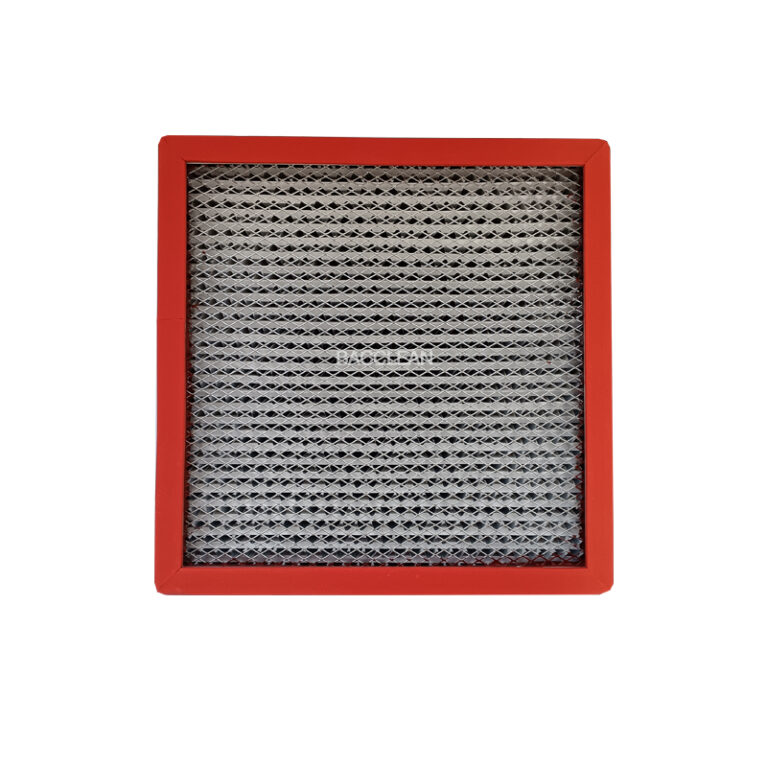
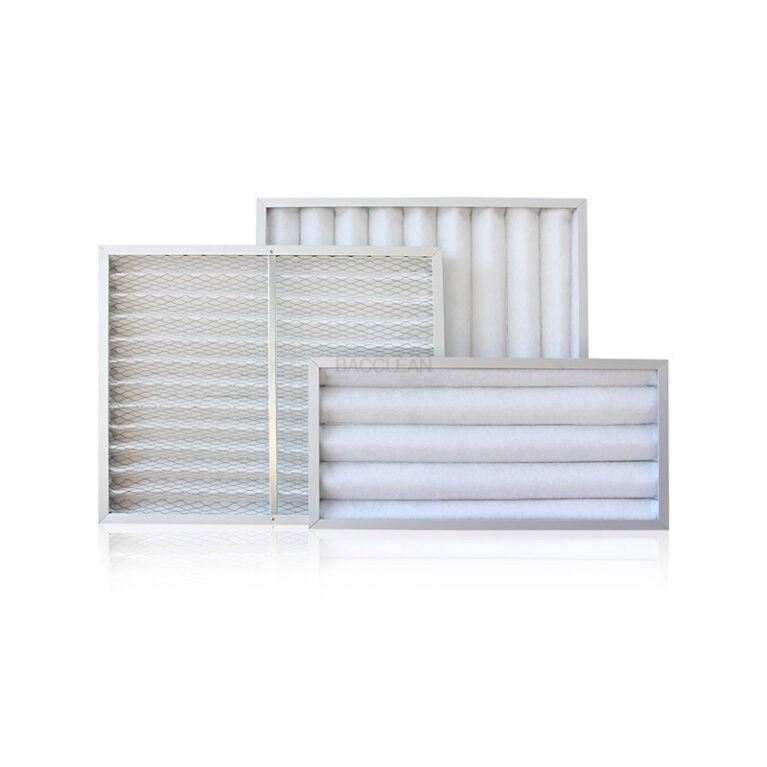
Severe blockage or partial damage of the primary filter
Uneven dust accumulation or collapse of the primary filter mesh, resulting in fluctuating wind volume entering the high-efficiency filter, and the pressure signal fluctuates accordingly.
Solution: First clean or replace the primary filter, then observe the differential pressure again; in most cases, it can be restored to stability.
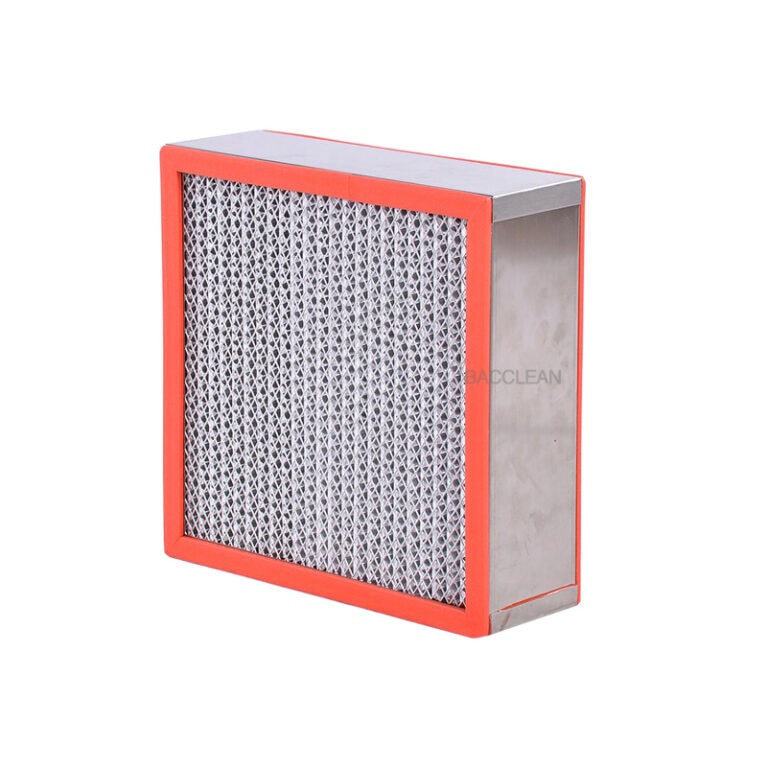
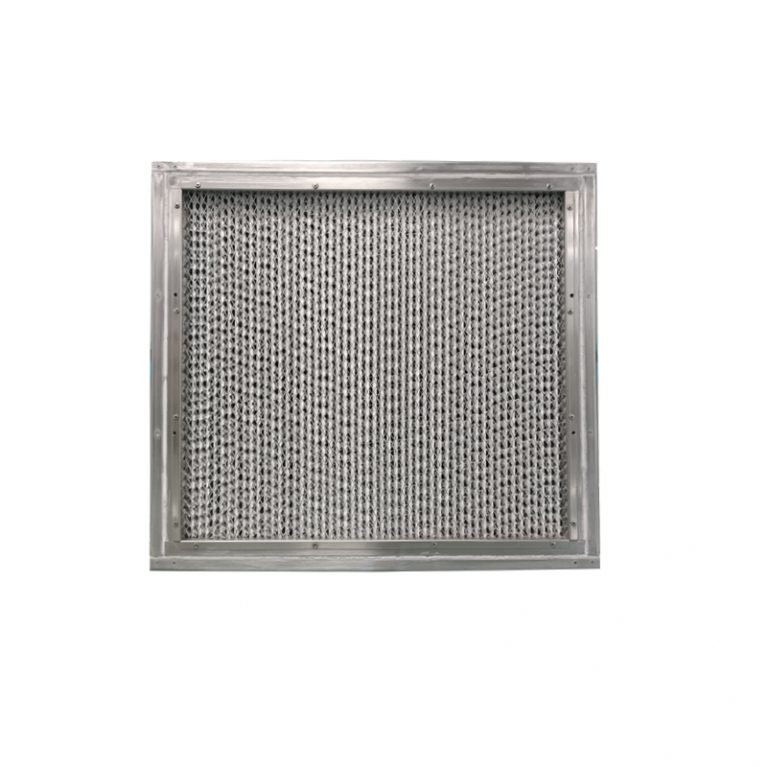
Poor sealing of the high-efficiency filter or local leakage
Old or improperly installed sealing strips of the high-efficiency filter cause local leakage, resulting in unstable filtration resistance and erratic readings on the differential pressure gauge.
Solution: Stop the machine, disconnect the power supply, re-tighten the high-efficiency filter, replace the failed sealing strips, and ensure the sealing between the filter and the box.
4. Problems with the fan and electrical system (hardware faults, require professional maintenance)
Abnormal operation of the fan
Clogged or worn fan blades, or loose fan fixation, resulting in unstable rotation speed, high vibration, fluctuating output air volume, and changes in the differential pressure, often accompanied by abnormal sounds.
Solution: Clean the fan blades of accumulated dust, and tighten the fan fixation parts; if the bearings are worn or the fan is faulty, repair or replace the fan.
Unstable power supply voltage
Fluctuations in the power supply voltage of the equipment, causing the fan speed to be unable to be constant, continuous changes in air pressure, and erratic readings on the differential pressure gauge.
Solution: Check the power supply lines, stabilize the power supply voltage, and if necessary, install a voltage stabilizer.
Quick on-site troubleshooting sequence (recommended)
Stop the machine, first check if the door is closed tightly and if the door seals are intact, and eliminate human operation and sealing issues.
Check whether the pressure guiding pipe is loose, clogged or bent, perform cleaning and tightening, and calibrate the zero position of the pressure difference meter.
Clean / replace the primary filter, standardize the placement of items in the transfer window, restart the equipment and observe.
If it is still unstable, check the sealing of the high-efficiency filter and the operating status of the fan, and investigate possible faults of the fan and electrical equipment.