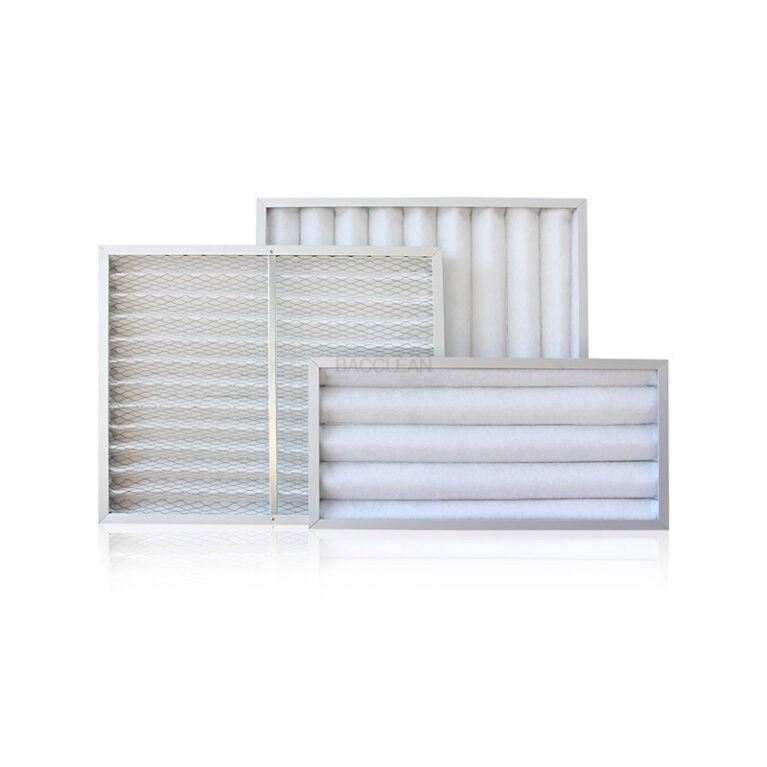
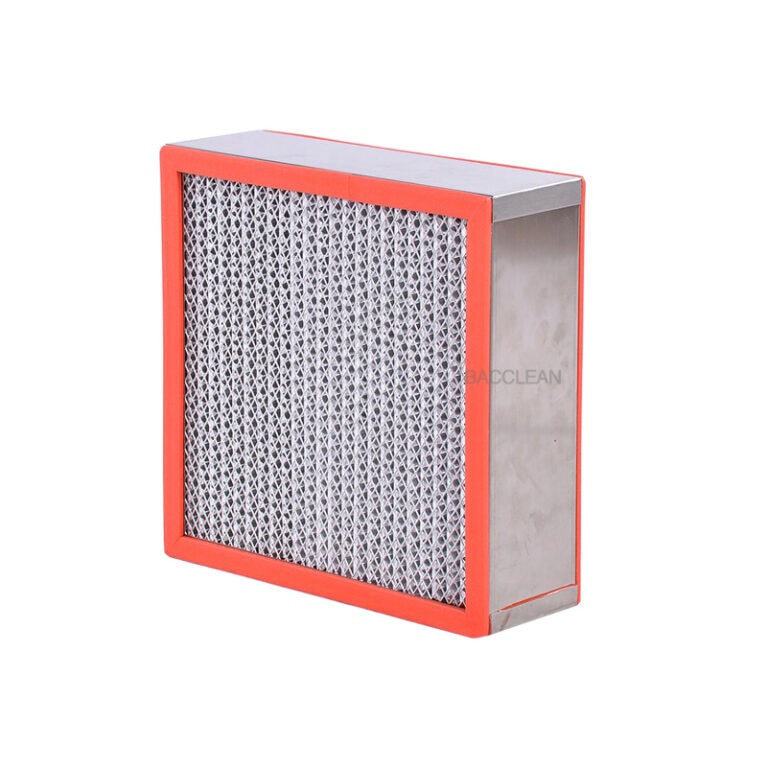
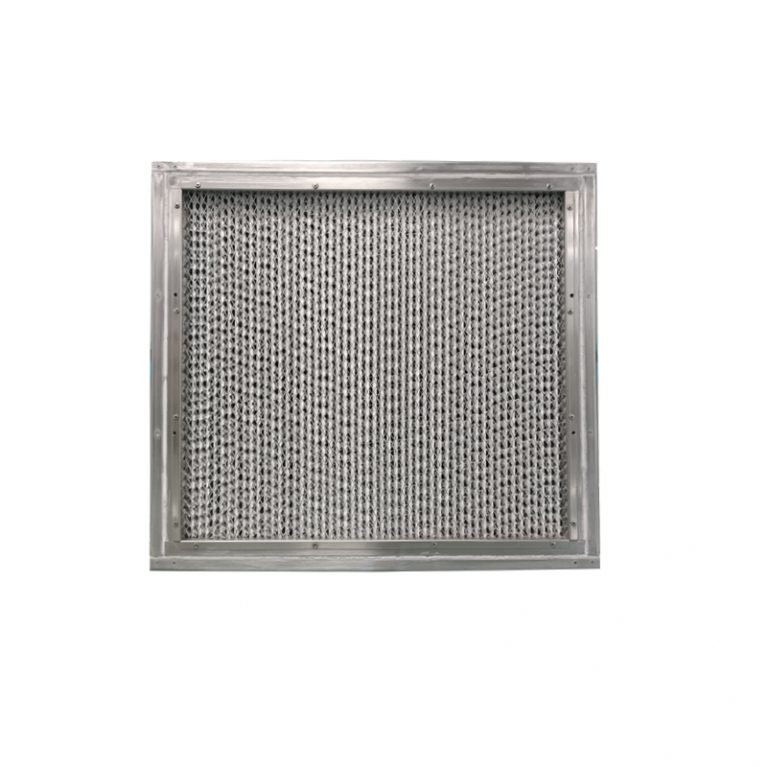
I. Precautions Before Cleaning
1. Power off and stop the machine, safety first: Before cleaning, make sure to turn off the power supply of the corresponding air conditioner, fresh air system or ventilation equipment. Wait until the equipment has completely stopped running before proceeding. Avoid accidental startup of the equipment during the cleaning process, which could lead to personal injury or equipment failure.
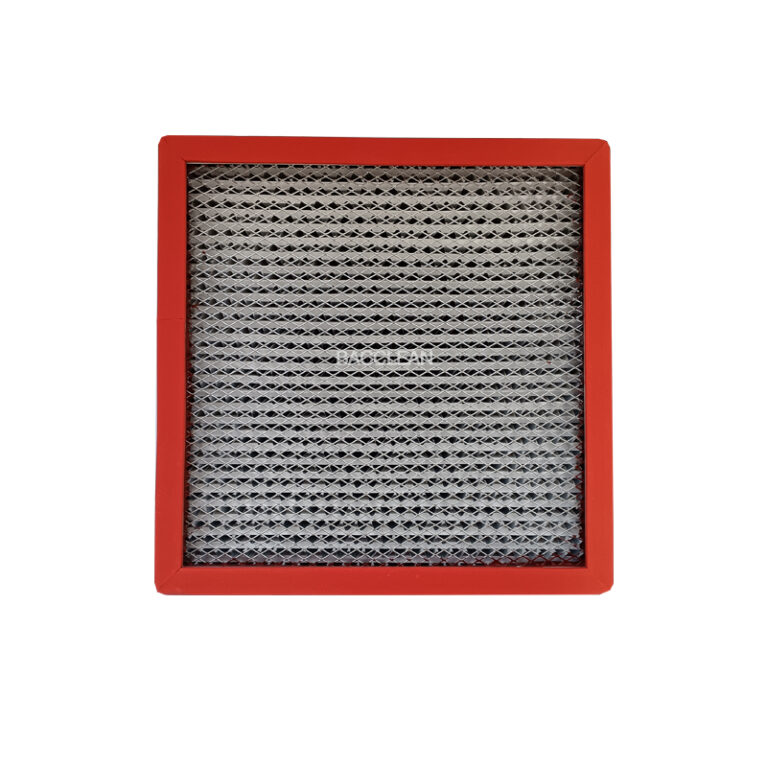
2. Standard disassembly, protecting the structure: Follow the equipment manual to disassemble the sub-frame and filter assembly. First, remove the sub-frame along with the filter material from the main frame. During the disassembly process, handle with care and avoid forcefully pulling, colliding, to prevent deformation of the sub-frame structure and damage to the snap fasteners. Also, avoid premature damage to the filter material.
3. Check the condition and distinguish the situations: After disassembly, first check the filter material and the sub-frame. If the filter material shows obvious damage, fiber detachment, aging and hardening, or if the sub-frame framework is cracked or the sealing parts are damaged, there is no need for cleaning; directly replace the corresponding components. If the condition is good, proceed with the cleaning operation.
II. Precautions during the cleaning process
1. Choose the right cleaning method to avoid damaging the filter material: Select the appropriate method based on the material of the filter. For polyester fiber and PP non-woven fabric filters, it is recommended to rinse with clean water or soak in warm and neutral detergent (such as diluted dish soap), and gently wipe the accumulated dust on the surface; for metal mesh filters, first use a soft brush to remove floating dust, then rinse with water. Do not use strong alkali or strong acid cleaners to avoid corroding the filter material and frame.
2. Regulate the force and flow to prevent the filter material from deforming: During cleaning, avoid using a hard brush to vigorously scrub or rub the filter material, and also do not use a high-pressure water gun to forcefully spray the surface of the filter material from close range. It is recommended to rinse the filter material from the back in a forward direction with gentle force to prevent the filter material fibers from loosening and the pores from becoming larger, which would affect the subsequent filtration accuracy.
3. Clean the sub-frame separately and remove dust from the gaps: The sub-frame frame needs to be wiped separately. Use a soft cloth or brush to clean the dust and oil stains in the gaps and around the clasps of the frame. For metal frames, you can apply a rust inhibitor (except for galvanized steel), and for plastic frames, avoid contact with organic solvents to prevent aging and cracking.
4. Prevent secondary pollution and maintain a clean environment: When cleaning the site, it is recommended to choose a well-ventilated and dry area. Avoid operating in areas with high dust and heavy oil stains. Cleaning tools (basins, brushes, rags) should be kept clean and not mixed with other dirty tools to prevent secondary contamination of the filter materials and frames.
III. Post-cleaning Drying and Resetting Precautions
1. Completely dry and strictly prohibit reassembly in damp conditions: After cleaning, place the filter material and the sub-mother frame in a well-ventilated and cool place to dry naturally. Ensure that the inside of the filter material is completely dry and free of any moisture residue. Do not use high-temperature drying methods (such as direct exposure to sunlight, being close to a heater, or using the hot air setting of a hair dryer), as this will cause the filter material to shrink, age, and become brittle; after drying the metal frame, check for any rust and handle it promptly.
2. Check for completeness and ensure no damage: After drying, re-examine the filter material and the mother-child frame. Make sure the filter material is undamaged, odorless, with flat fibers, the mother-child frame is not deformed, the snap fasteners are intact, the sealing parts are tightly attached. If any problems are found, they must be replaced immediately; do not attempt to install and use them under any circumstances.
3. Correct reassembly and ensure seal fit: Install in the reverse order of disassembly, fix the dried filter material on the sub-frame, then smoothly insert the sub-frame into the main frame, ensuring that the snap fasteners are securely engaged, the frame is aligned, there is no gap between the filter material and the main frame, and prevent unfiltered air from leaking through the gaps and affecting the filtering effect.
4. Trial operation inspection, confirmation of normal operation: After resetting, turn on the power supply, start the equipment for trial operation. Observe whether the ventilation volume is normal and if there are any abnormal sounds. If there is poor ventilation or air leakage, the machine needs to be stopped for inspection to check if the installation is in place. Adjust the position of the sub-frame or replace the sealing parts in time.
IV. Other General Precautions
Control the frequency of cleaning and avoid excessive cleaning: In low-to-medium pollution scenarios, clean the filter once every 1-2 months; in high-pollution scenarios, it can be shortened to once every 2-4 weeks. There is no need for frequent cleaning. Excessive cleaning will accelerate the wear of the filter material fibers and shorten the service life.
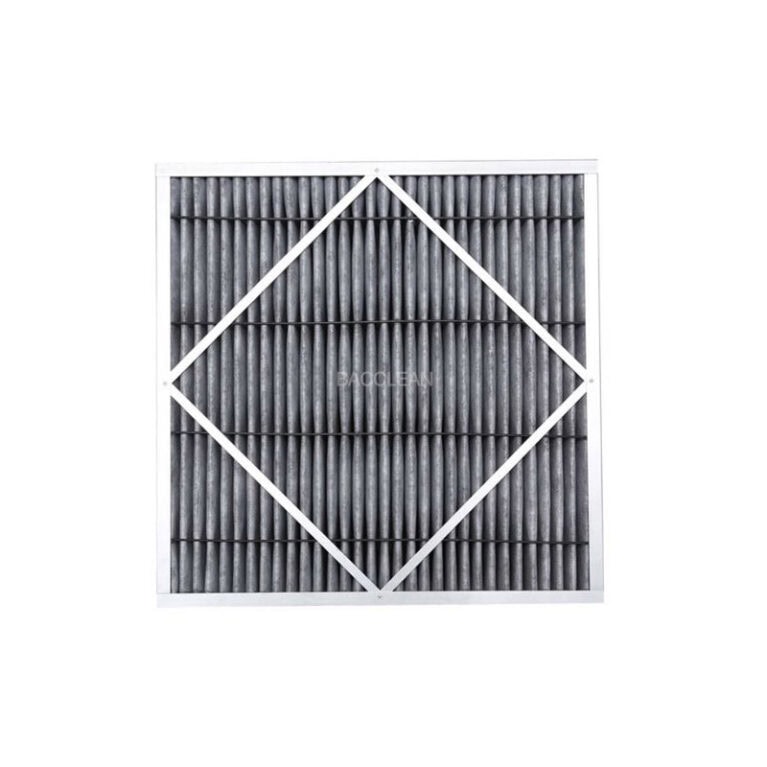
2. Differentiate between filter material types and avoid unnecessary cleaning: For composite filter materials (containing activated carbon layer and HEPA efficient layer), if the adsorption function fails (such as inability to remove odors), merely cleaning the outer fibers will not restore the effect. It is necessary to replace the filter materials promptly and they should not be repeatedly cleaned and reused.
3. Keep good maintenance records and replace components in time: Record the cleaning time and the condition of the filter material each time. When the filter material has been cleaned for the maximum number of times for a certain material (for example, 5-10 times for polyester fiber), or when the filtering effect declines or the ventilation volume sharply decreases, the filter material must be replaced in a timely manner. If the frame of the sub-mother frame becomes aged and damaged, it should also be replaced simultaneously to ensure the overall performance of the filter.