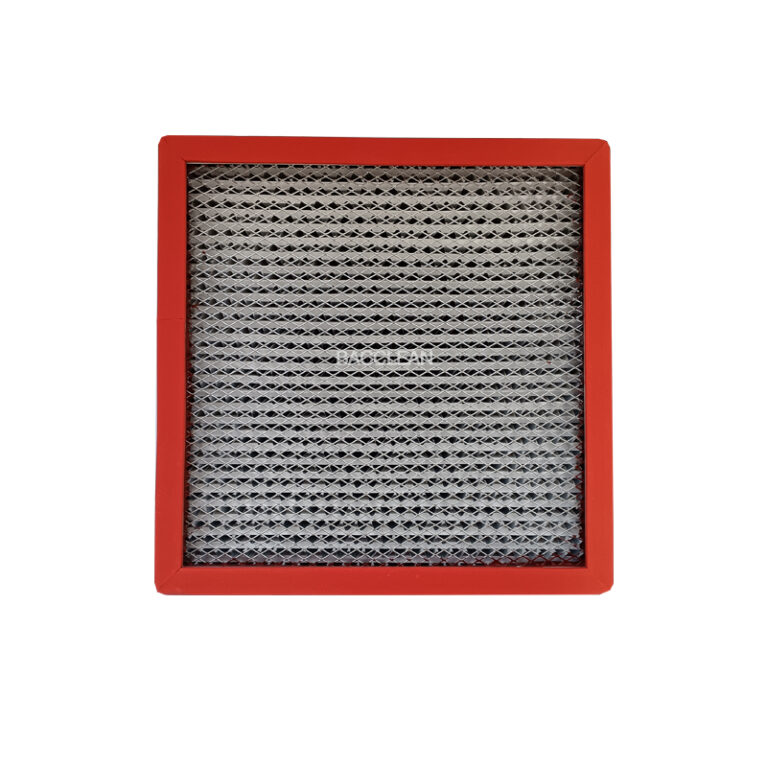
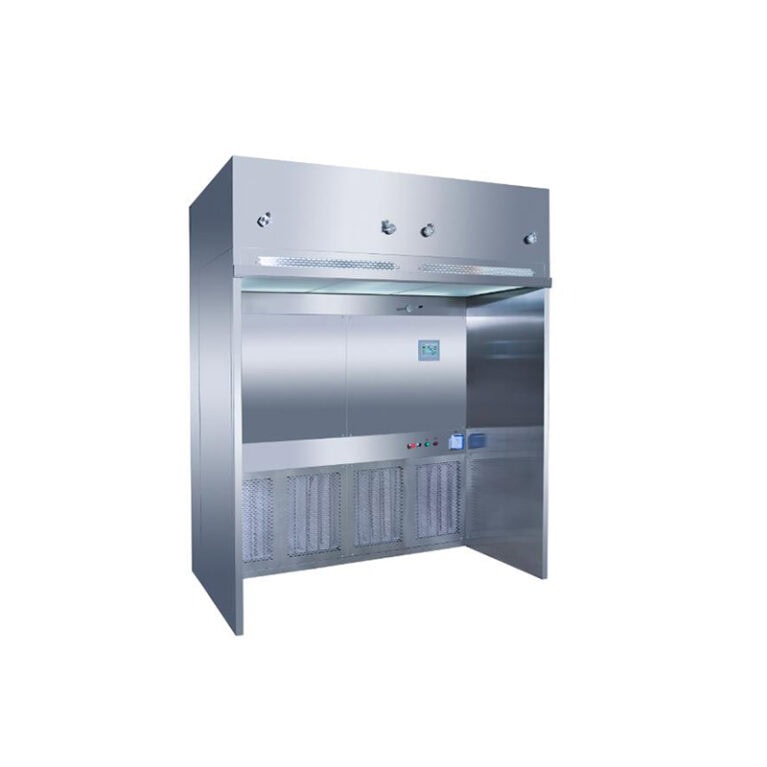
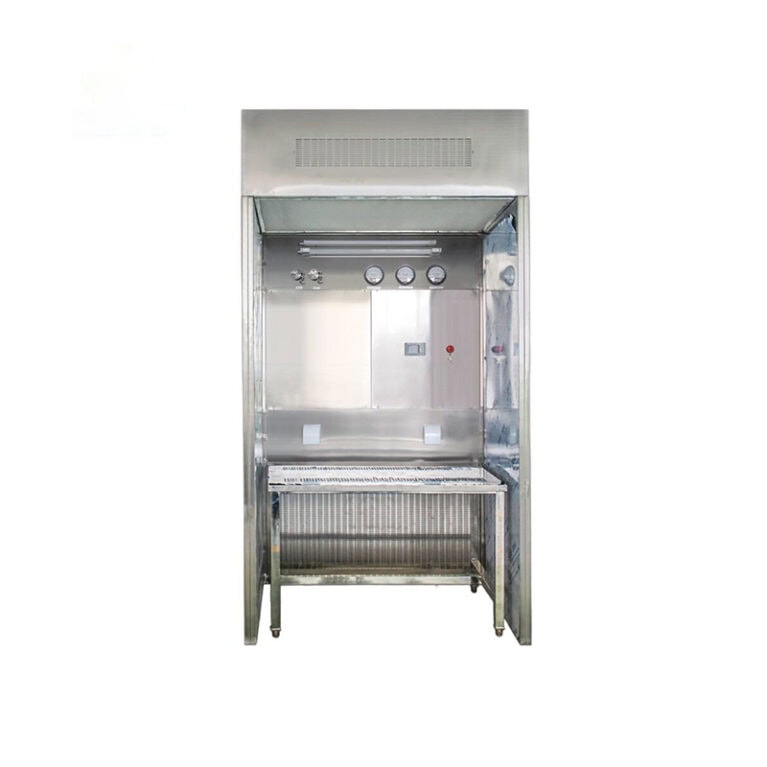
The core basis for determining whether the high-efficiency filter of the laminar flow hood needs to be replaced is the pressure difference index, filtration performance, physical condition and the requirements of the usage scenario. Specifically, it can be comprehensively judged from the following dimensions:
I. Core Judgment Index: Pressure Difference (The most direct basis)
When the operating pressure difference reaches the final resistance threshold marked by the manufacturer (or 1.5 to 2 times the initial pressure difference), it must be replaced.
HEPA filters (H13/H14) : The final resistance is usually 400 to 600 Pa (depending on the manufacturer’s parameters).
ULPA filters (U15/U16) : The final resistance is usually 600 to 800 Pa.
For example, the initial pressure difference of a certain filter is 250 Pa. During operation, the pressure difference rises to 500 Pa (twice the initial value), and it needs to be replaced immediately.
The pressure difference often fluctuates
A sudden increase in pressure difference within a short period of time (such as an increase of more than 50 Pa within 1 to 2 days) : It is highly likely that the surface of the filter is severely clogged (such as accumulation of dust and oil stains), or there are foreign objects blocking the air duct. If the air duct cannot be restored after cleaning, it needs to be replaced.
Sudden drop in pressure difference (much lower than the initial pressure difference) : It may be due to a damaged filter, cracked sealant or loose installation, causing a short circuit in the airflow. The machine needs to be shut down for inspection. After confirming the damage, it should be replaced.
Ii. Filtration performance verification: Cleanliness does not meet the standard
Particle count detection fails. Regularly conduct particle count tests on the clean area below the laminar flow hood (in accordance with ISO 14644 standard). If:
The concentration of particles with diameters of 0.5μm and 5μm continuously exceeds the specified grade (for example, in a Class 100 clean area, the requirement for 0.5μm particles is ≤350 per cubic meter).
If the filter still fails to meet the standards after multiple tests (excluding environmental and instrument errors), it indicates that the filtration efficiency of the filter has declined and it needs to be replaced.
Microbial over-limit (pharmaceutical/biological scenarios) In scenarios such as pharmaceutical workshops and biological laboratories, additional tests for settled bacteria and airborne bacteria are required. If the number of colonies exceeds the requirements of GMP and other standards, and factors such as personnel operation and environmental pollution are excluded, it is determined that the filter has failed and needs to be replaced.
Iii. Physical Condition Inspection: Visual damage/aging
After the filter body is damaged and the machine stops, open the inspection door of the laminar flow hood and check the filter
The filter material shows holes, tears, wrinkles and deformations.
The sealing rubber strip ages, falls off and cracks (causing air leakage).
The frame is rusted and deformed, which cannot guarantee the sealing effect.
In the event of any of the above situations, replace immediately.
Irreversible contamination: Oil stains, sticky dust, chemical contaminants, etc. adhering to the surface of the filter cannot be removed by conventional cleaning (such as wiping the outer frame), and it causes the pressure difference to continuously rise. Even if the final resistance has not been reached, it is recommended to replace it (to avoid the penetration of contaminants affecting the filtration performance).
Iv. Service Life and Scenario Requirements: Preventive replacement
Even if the pressure difference and performance do not meet the standards, they must be replaced in accordance with the industry standards or the recommended service life by the manufacturer upon expiration.
For general cleanrooms, it is recommended that HEPA filters be replaced every 2 to 3 years.
High-pollution scenarios (such as dust workshops, beside spray painting workshops) : Replace every 1 to 2 years.
Pharmaceutical GMP workshop: Usually 1 to 3 years (specifically implemented according to the enterprise’s validation plan).
Special scenarios trigger replacement
In the event of a major pollution incident (such as dust explosion in the workshop or chemical leakage), if the filter may be contaminated and cannot be disinfected;
After a laminar flow hood has been idle for a long time and is restarted, it is found that its filtration performance has declined upon testing.
The filter material of the filter has aged after being exposed to extreme environments such as high temperature and high humidity.
V. Precautions
Before replacement, it is necessary to confirm that the differential pressure detection instrument has been calibrated (to avoid misjudgment) and the wind speed of the laminar flow hood is normal (abnormal wind speed will affect the differential pressure reading).
In critical scenarios (such as aseptic preparation workshops), the sealing performance of new filters needs to be verified through “post-installation leak detection tests” (PAO/DOP leak detection) to ensure there is no leakage.