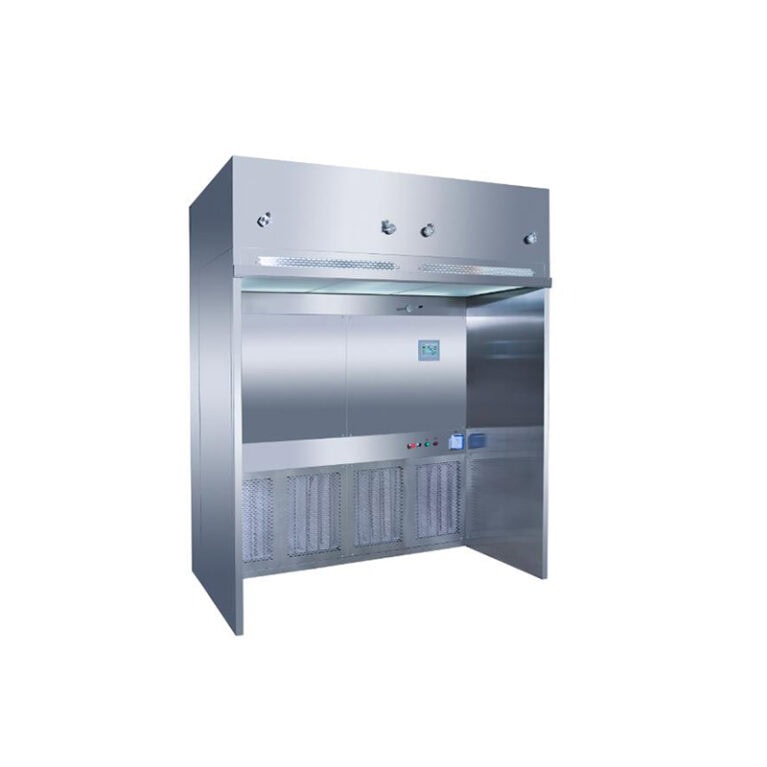
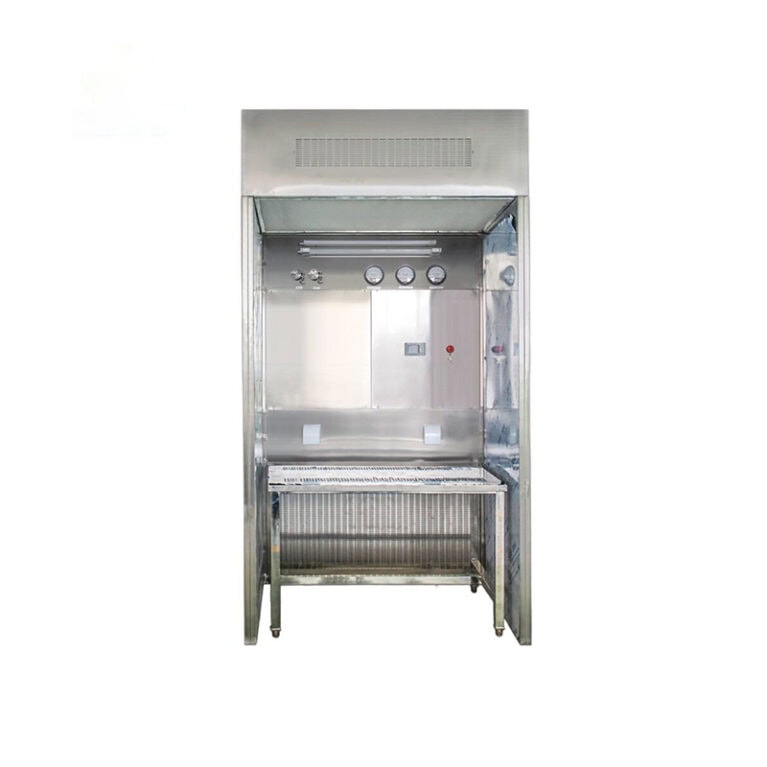
DOP transfer window workflow (including regular transfer + filter verification)
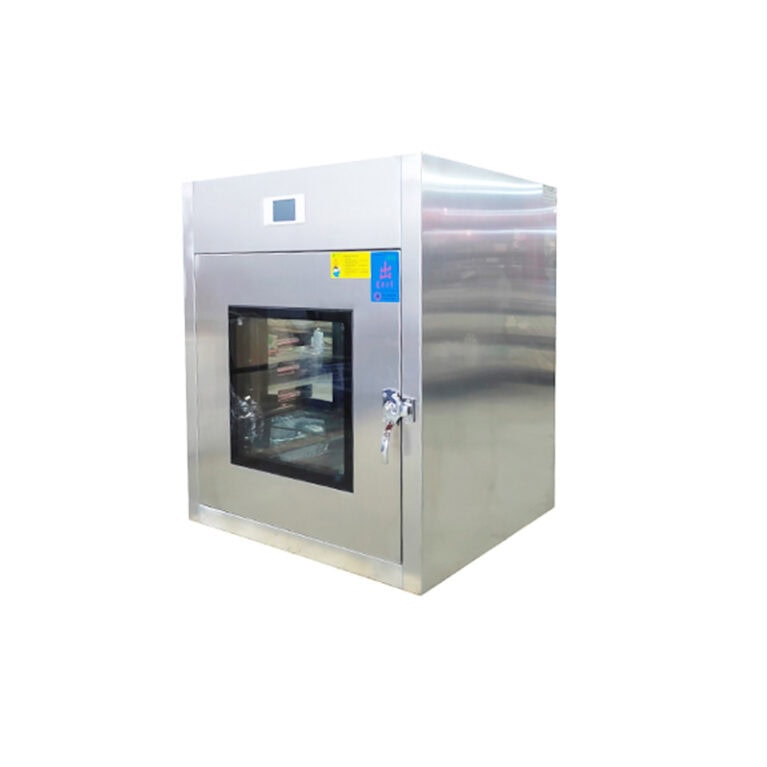
The core of the DOP transfer window is used for material transfer in clean environments and integrity testing of HEPA high-efficiency filters. The workflow is divided into the “conventional material transfer process” and the “DOP leak detection verification process”. The specific operation norms are as follows:
I. Conventional Material Transfer Process (Daily Core Usage Scenarios)
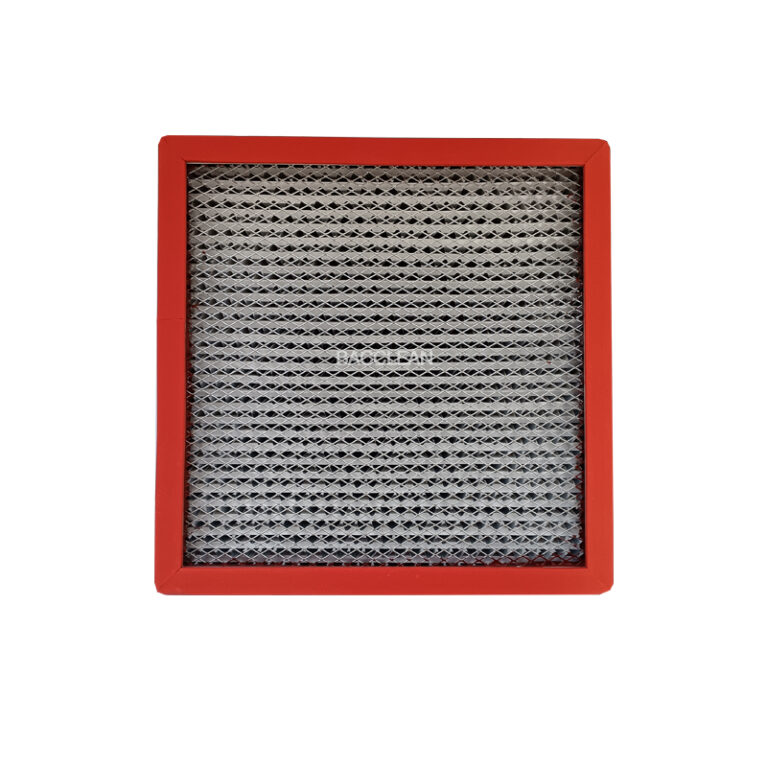
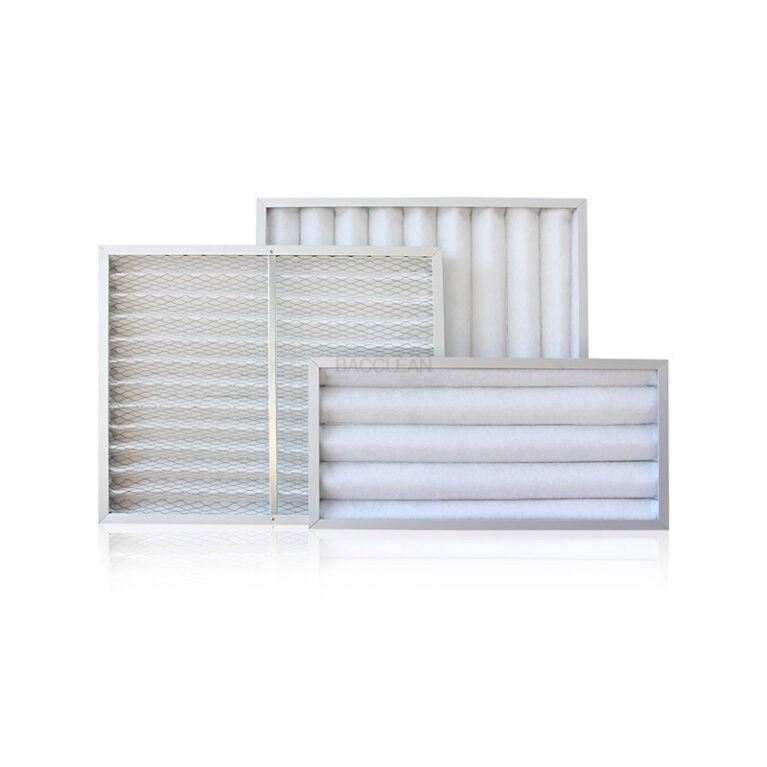
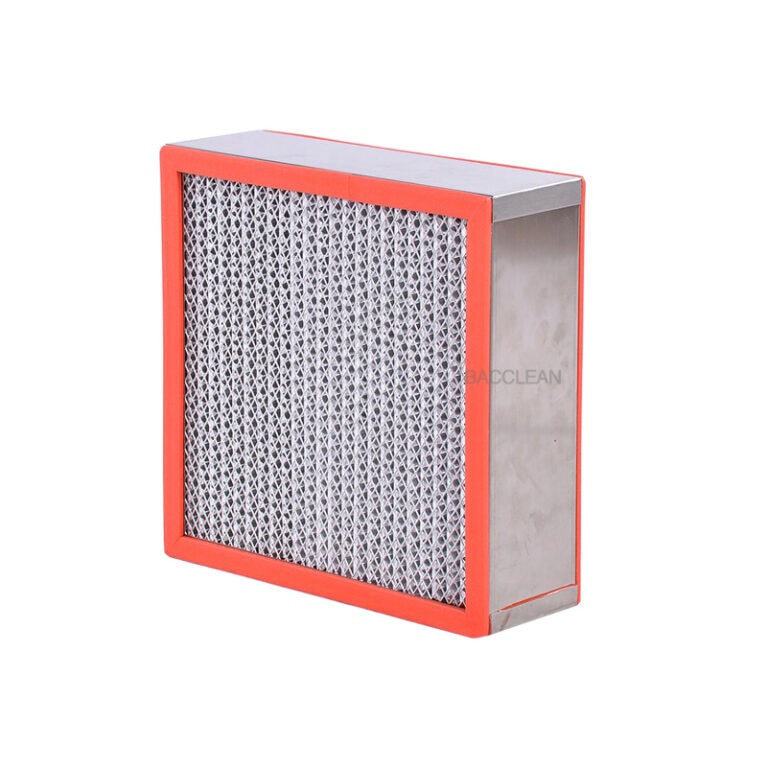
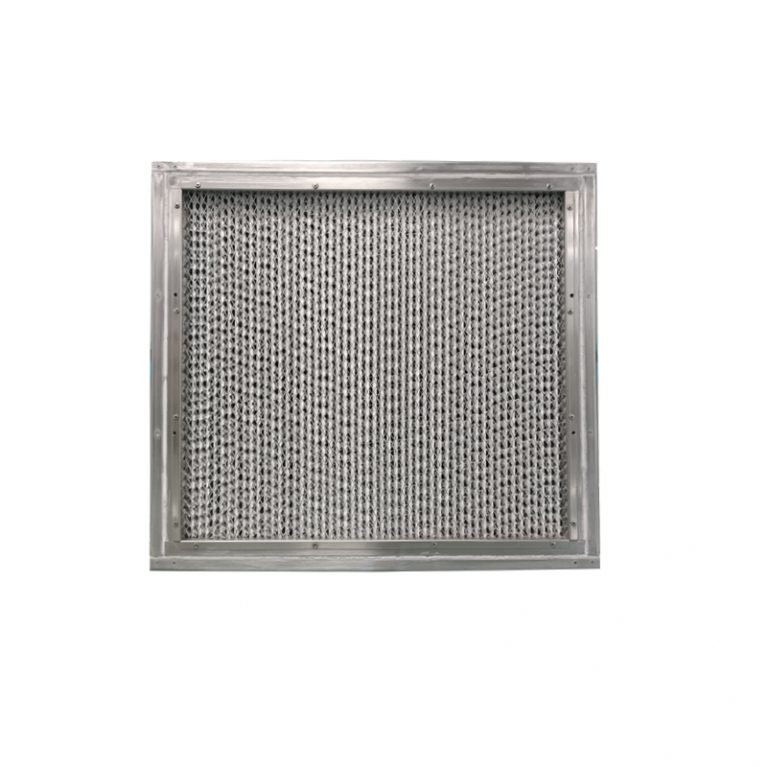
Preparation stage: Confirm that the doors on both sides of the transfer window are closed, and the control panel display is normal (power supply, fan, and indicator lights have no faults). Check that the appearance of the HEPA filter is undamaged and that there are no foreign objects blocking the air outlet.
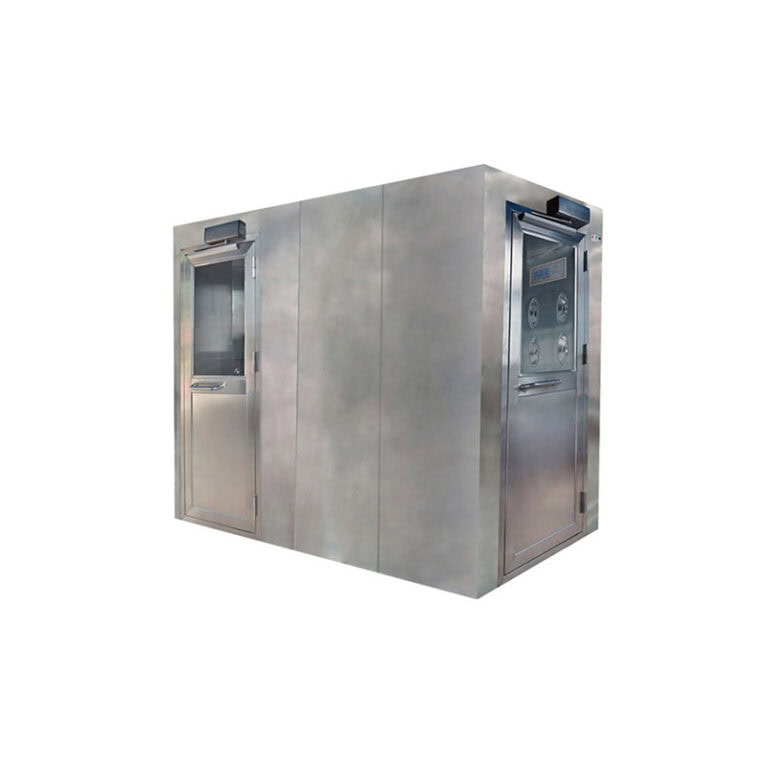
Material placement: The operator opens the door on one side of the transfer window outside the clean area (or on the non-clean side), and steadily places the materials to be transferred into the interior of the cavity, ensuring that the materials do not block the air outlet and return air outlet to avoid affecting the air flow organization.
Start purification: Close the side door (the door body locks automatically and the other side door cannot be opened to prevent cross-contamination of air), press the “Purification” button on the control panel, and start the built-in fan and HEPA filtration system.
Clean treatment: The airflow is filtered through a HEPA filter (filtration efficiency ≥99.99%@0.3μm), forming a clean airflow that sweeps the surface of the material to remove adhering particulate contaminants and maintain the cleanliness inside the cavity (typically reaching Class 100 / Class 1,000 standards). The purification time is generally 30-60 seconds (adjustable according to the cleanliness requirements of the material).
Material removal: After the purification is completed, the control panel displays the “Ready” indicator light. The operator on the clean area side (or target side) opens the corresponding side door, quickly removes the materials, and immediately closes the door after removing the materials, completing one transfer.
Ii. DOP Leak Detection Verification Process (Filter Performance Testing Scenario)
Detection preparation: Close the doors on both sides of the transfer window and lock them tightly to ensure the cavity is sealed. Connect the DOP aerosol generator to the air inlet end of the transfer window, and align the sampling port of the particle counter (photometer) with the air outlet surface of the HEPA filter (or arrange it according to the preset sampling points of the equipment).
Start the detection system: Turn on the DOP generator to produce DOP aerosol with stable concentration (particle size 0.3μm), and simultaneously start the particle counter. Set the detection parameters (such as sampling flow rate and detection time).
Leakage detection: Aerosol enters the cavity through the air intake system and is filtered by the HEPA filter. The particle counter measures the particle concentration upstream and downstream of the filter in real time and calculates the filtration efficiency (qualified standard: downstream concentration ≤ 0.01% of upstream concentration).
Result determination: If the test data shows that the filtration efficiency meets the standard, it is determined that the HEPA filter has no leakage and meets the cleanliness requirements. If the local concentration exceeds the standard, mark the leakage location. The HEPA filter needs to be replaced or repaired and then re-tested.
Detection completion: Turn off the DOP generator and particle counter, operate in the transfer window purification mode for 5 to 10 minutes to clear the residual aerosols in the chamber, then turn off the power, record the detection data and archive it (in compliance with GMP, ISO and other requirements).
Iii. Points clés à noter
During the transfer process, it is strictly prohibited to open both doors simultaneously to prevent direct air circulation between the clean area and the non-clean area, which may cause cross-contamination.
The purification time for conventional transfer should be set according to the material characteristics and cleanliness level requirements to ensure the effect of particle removal.
It is recommended that DOP leak detection verification be conducted every 3 to 6 months (or adjusted according to industry standards and enterprise Sops), and the test results should be included in the equipment operation and maintenance archives.
If during the transfer process, situations such as the door body failing to lock, the fan malfunctioning, or the indicator light being abnormal occur, the use should be immediately stopped and professional personnel should be contacted for maintenance to avoid affecting the clean environment.
The bacclean DOP transfer window adopts an interlocking anti-cross-contamination design, paired with a high-efficiency HEPA filter and precise detection interface. It not only ensures the efficiency of daily transfer but also meets the requirements of compliance leak detection, making it suitable for clean scenarios in multiple industries such as electronics, precision manufacturing, food, and pharmaceuticals.