
Maintenance and replacement cycle of nuclear power plant air purification system: Scientific control plan under safety orientation
The maintenance and replacement cycle of the air purification system in nuclear power plants is mainly formulated around three dimensions: “nuclear safety priority, pollutant load, and equipment operating conditions”. It is necessary to strictly follow international nuclear safety standards (such as ASME AG-1, ISO 16890) and domestic norms (GB/T 25898, HAF series), and ensure the filtration efficiency. It is also necessary to avoid the risk of radioactive leakage. The following are the maintenance contents, replacement cycles and core control principles of system disassembly, which take into account both professionalism and practicality, and are suitable for content creation scenarios:
I. Core filter replacement cycle: Hierarchical control, mainly based on parameter early warning
The filter replacement cycle is not a fixed value and needs to be dynamically adjusted in combination with “differential pressure monitoring, radiation dose, and operating condition type”. The following is a common industry benchmark (specifically subject to the nuclear power plant operation and maintenance manual) :
| Filter type | Replacement cycle under normal working conditions | Special working conditions (accidents/high pollution) | Core determination index |
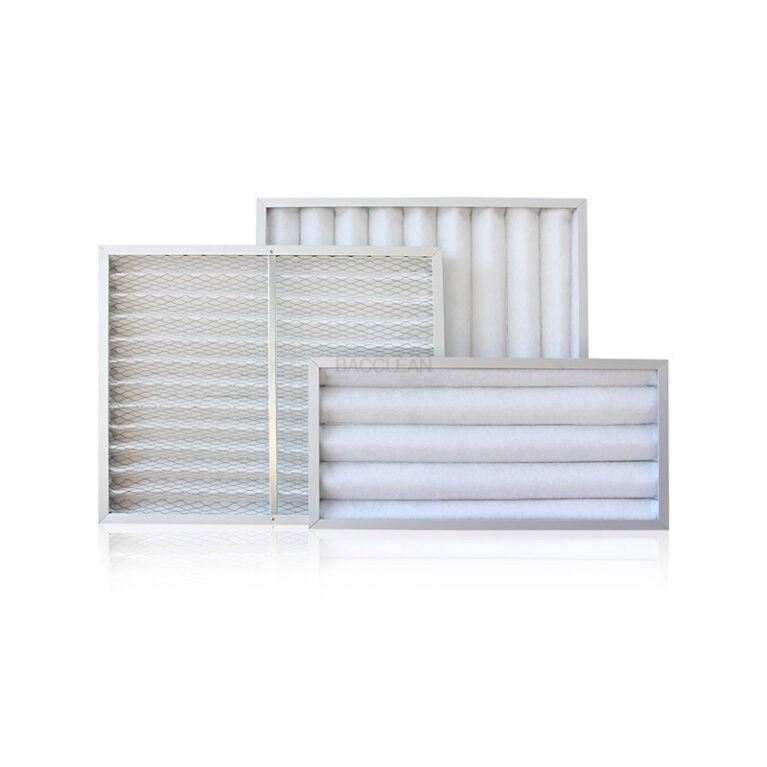
| Coarse filter (G1-G4) | De tres a seis meses | De 1 a 3 meses | Pressure difference ≥200Pa; The appearance is obviously dusty |
| Medium Efficiency filter (F5-F9) | De 6 a 12 meses | De tres a seis meses | Pressure difference ≥300Pa; The filtration efficiency drops by ≥20% |
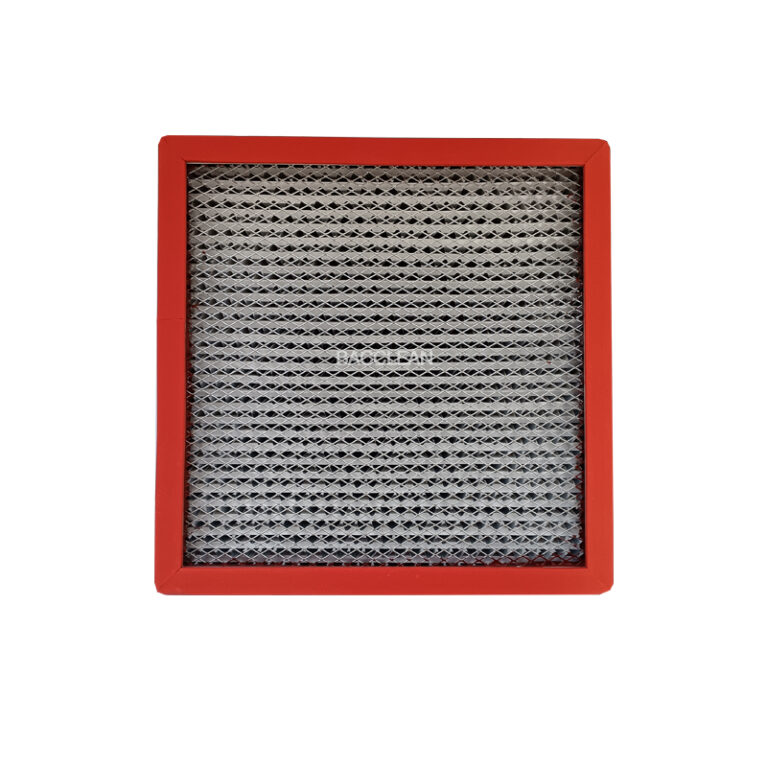
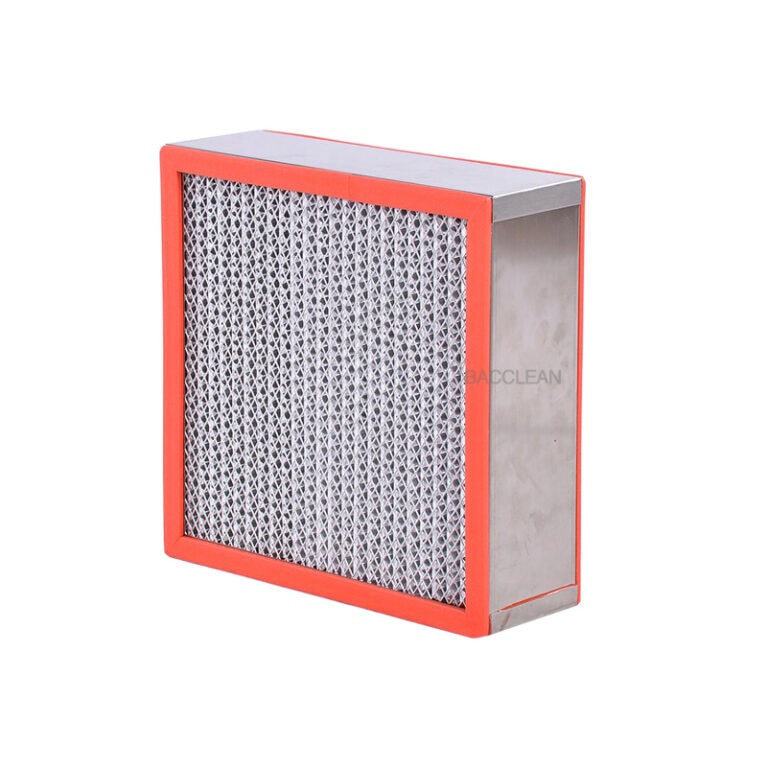
| HEPA filters (H13-H14) | De 2 a 5 años | Replace immediately after the accident | Pressure difference ≥500Pa; The radiation dose has abnormally increased |
| ULPA filters (U15-U17) | 3 to 6 years | Post-accident assessment and replacement | Pressure difference ≥600Pa; The cleanliness level does not meet the standard |
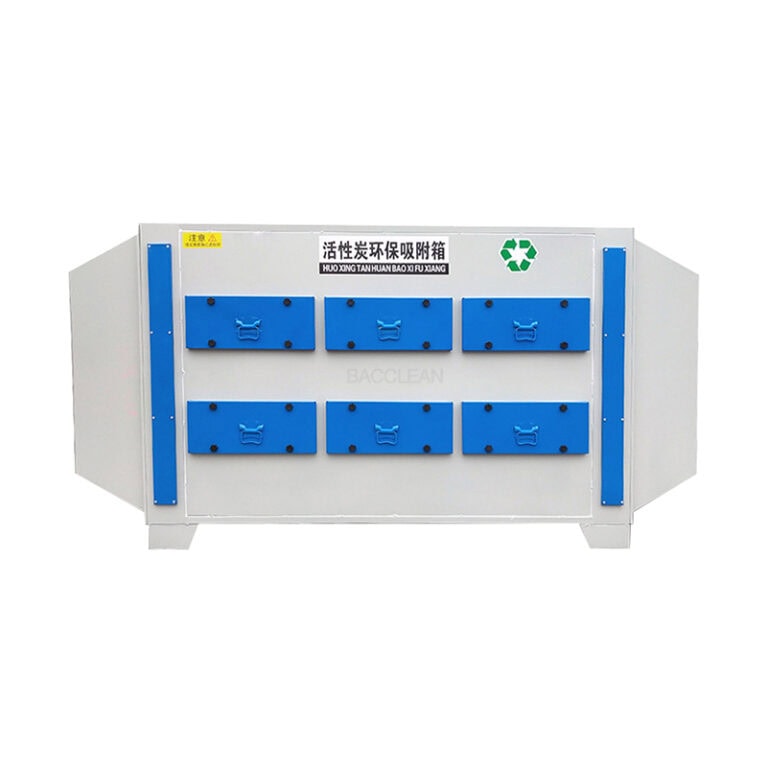
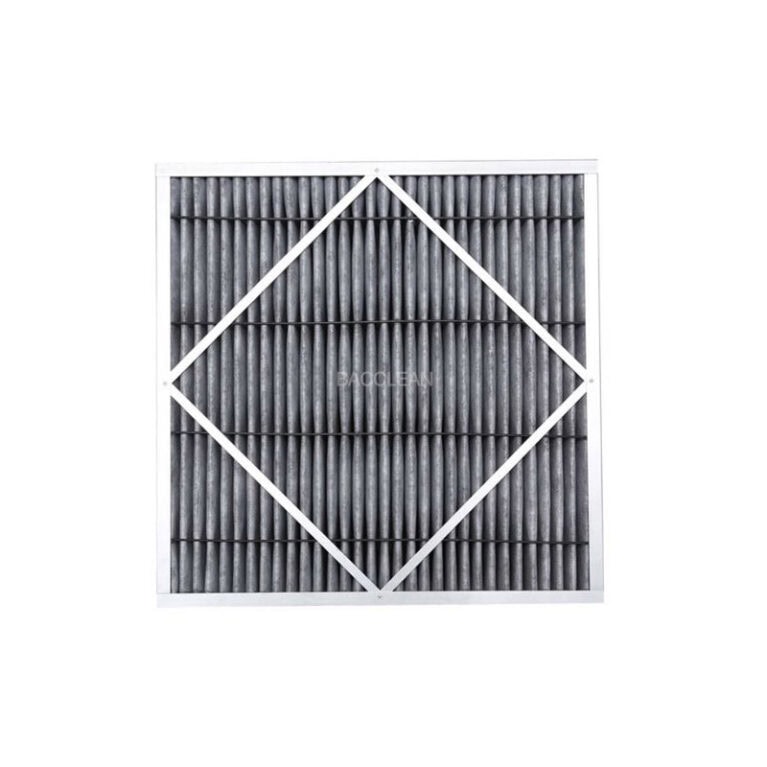
| Activated carbon filter | De 1 a 3 años | Replace immediately after the accident | Adsorption saturation (iodine penetration rate ≥0.1%) |
| Iodine adsorber | 2 to 4 years | Replace immediately after the accident | The adsorption efficiency of radioactive iodine is ≤99.9% |
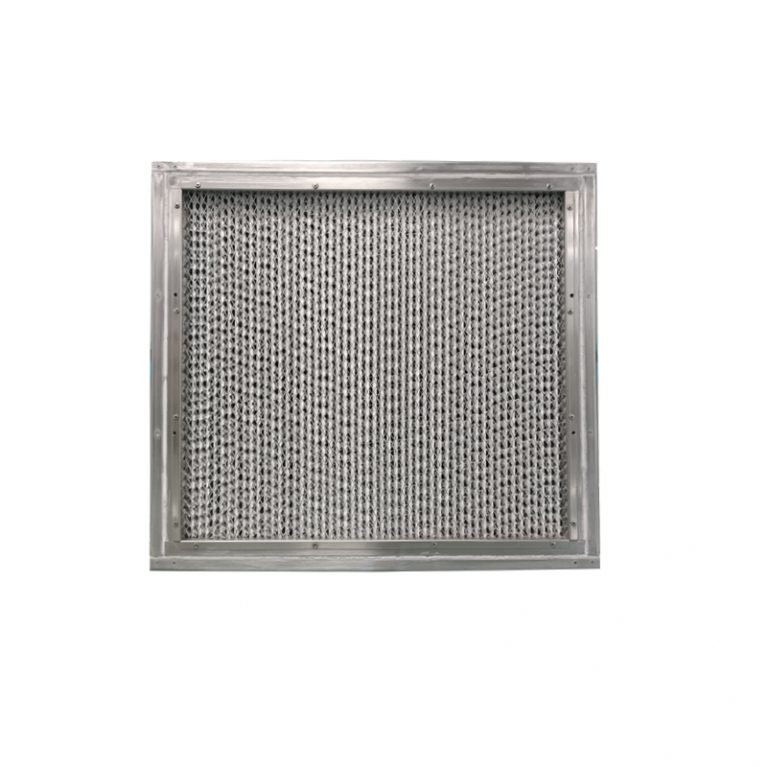
| Metal fiber filter | 1-2 years (washable) | Clean/replace after contamination | Pressure difference ≥400Pa; The filtration accuracy has declined. |
Key points:
HEPA/ULPA filters: As the core for protecting against radioactive particles, they should be replaced every 2 to 6 years under normal operating conditions. However, the pressure difference needs to be monitored monthly (the initial pressure difference is usually 100 to 200Pa). Once it exceeds 1.5 times the rated value or fails the PAO leak test (leakage rate ≥0.01%), they should be replaced immediately. After an accident, regardless of whether the cycle has expired or not, the entire quantity must be replaced and radioactive detection must be carried out.
Iodine adsorber/activated carbon filter: Regular “penetration tests” (such as iodine penetration tests) are required. If the adsorption efficiency is lower than the standard threshold or the operating time reaches 80% of the designed service life, it should be replaced in advance. High-radiation areas (such as nuclear fuel workshops) need to shorten the cycle by 30%.
Pre-treatment filters (coarse/medium efficiency) : As a front-end protection, the replacement cycle should be linked with the high-efficiency filters at the back end. If the front-end replacement is not timely, causing a sudden increase in the pressure difference of the high-efficiency filters, the maintenance frequency of the pre-treatment should be retrospectively adjusted.
Ii. System-level Maintenance Cycle: Implemented in phases, covering full-process control
1. Daily inspection (daily/weekly
Contenido de mantenimiento
Monitor the differential pressure gauge and flow sensor data of each filter, and record whether they are within the normal range (for example, the differential pressure fluctuation of the HEPA filter is ≤±50Pa).
Check the sealing condition of the filter frame (for any air leakage or abnormal noise), and the operating status of the fan (vibration and temperature).
Nuclear radiation dose monitoring (radioactive area) to ensure that the radiation level at the exhaust port complies with the GB 6249 standard.
Core objective: To promptly detect equipment abnormalities and prevent filter failure.
2. Regular maintenance (monthly/quarterly)
Contenido de mantenimiento
Clean the static pressure boxes and air ducts at the front and rear ends of the filter, and remove the accumulated dust (to avoid secondary pollution).
Verify the accuracy of differential pressure sensors and radiation monitors;
Check whether the sealing rubber strips (such as the silicone sealant of HEPA filters) are aged or fallen off, and replace them if necessary.
Core objective: To ensure the system’s airtightness and the reliability of monitoring data.
3. Quarterly/annual performance testing
Contenido de mantenimiento
PAO leak detection tests were conducted on HEPA/ULPA filters (in accordance with EN 1822 standard), and the leakage points were detected using an aerosol photometer.
Adsorption efficiency tests of activated carbon/iodine adsorbers (such as iodine penetration rate, gas adsorption capacity);
Adjust the air volume balance of the ventilation system to ensure that the air change rate in each area meets the standard (for example, ≥15 times per hour in the main control room).
Core objective: Verify whether the filtration performance meets safety requirements and promptly identify potential hazards.
4. Major overhaul and maintenance (every 1-2 years, synchronized with the major overhaul of the nuclear power plant
Contenido de mantenimiento
Conduct a comprehensive inspection or replace the filters in high-load areas (such as those inside the nuclear island containment);
Disassemble and clean auxiliary equipment such as fans and heat exchangers, and remove accumulated dust and radioactive contaminants.
Conduct pressure resistance tests and leakage tests on the entire air purification system to ensure its integrity under accident conditions.
Core objective: Thoroughly investigate system risks to ensure long-term stable operation.
Iii. Key Factors Affecting the Cycle: The Core Basis for Dynamic Adjustment
Regional security level
For 1E-level areas (nuclear safety level) such as nuclear island containment and radioactive waste workshops: The filter replacement cycle is shortened by 20% to 30%, and the maintenance frequency is increased to twice a week for inspection.
For non-radioactive areas such as conventional islands and office buildings: Follow the regular cycle and it can be appropriately extended (for example, the maximum period for coarse filters is 6 months).
Condiciones de funcionamiento
Normal operation: Maintain according to the benchmark cycle;
Frequent start-up and shutdown/Large load fluctuations: Shorten the cycle by 30% (such as during peak shaving operation of nuclear power plants);
Accident conditions (such as radioactive leakage) : All filters in the involved areas should be replaced immediately, and the system should be thoroughly inspected for leaks and disinfected.
Environmental conditions
Coastal nuclear power plants (high humidity and high salt spray) : The maintenance cycle of metal components is shortened (such as checking the anti-corrosion coating every quarter), and 316L stainless steel is preferred for filter frames.
High-temperature areas (such as the conventional island boiler workshop) : The cleaning cycle of metal fiber filters is shortened to 6-12 months.
Filter quality
Nuclear safety grade filters (such as ASME AG-1 certified products) : The replacement cycle can be carried out according to the upper limit of the designed service life;
Non-safety grade filters: The cycle needs to be shortened by 10% to 20%, and performance testing should be strengthened.
Iv. Core Safety Regulations for Maintenance and Replacement
Radioactive protection requirements:
When replacing the filters in the radioactive area (such as HEPA, iodine adsorbers), protective clothing and gas masks must be worn, and the operation should be carried out in a dedicated sealed space to prevent the spread of radioactive particles.
Used filters should be stored separately as radioactive waste (such as α/β waste). After passing the inspection and meeting the standards, they should be transported and disposed of. They are strictly prohibited from being discarded at will.
Replacement operation process
Follow the principle of “isolation first → leak detection → replacement later” : Close the valves before and after the filter, perform inert gas purging on the air duct, and remove the old filter after confirming there is no leakage.
After the new filter is installed, it must undergo PAO leak detection test and differential pressure calibration. Only after passing the tests can it be put into operation.
Record traceability requirements
Each filter should establish a “full life cycle file”, recording the installation time, maintenance records, reasons for replacement, and inspection data. The retention period should be no less than the service life of the nuclear power plant (usually 40 to 60 years).
Resumen
The maintenance and replacement cycle of the air purification system in nuclear power plants is centered on “safety as the bottom line, parameters as the basis, and working conditions as the adjustment variable”. Under normal working conditions, the pretreatment filter should be replaced every 3 to 12 months, the high-efficiency/ultra-high-efficiency filter every 2 to 6 years, and the special function filter (activated carbon/iodine adsorber) every 1 to 4 years. Maintenance should cover three dimensions: daily inspection, regular testing, and in-depth maintenance during major overhauls, while strictly adhering to radioactive protection regulations.
For content creation, comparisons can be made based on the differences between “normal operating conditions vs. accident operating conditions” and “nuclear island vs. conventional island”, and combined with maintenance process diagrams and periodic adjustment decision trees to enhance the practical guidance of the content. Typical cases can also be supplemented (such as the filter replacement plan during the major overhaul of a certain nuclear power plant) to enhance professionalism and readability.
