
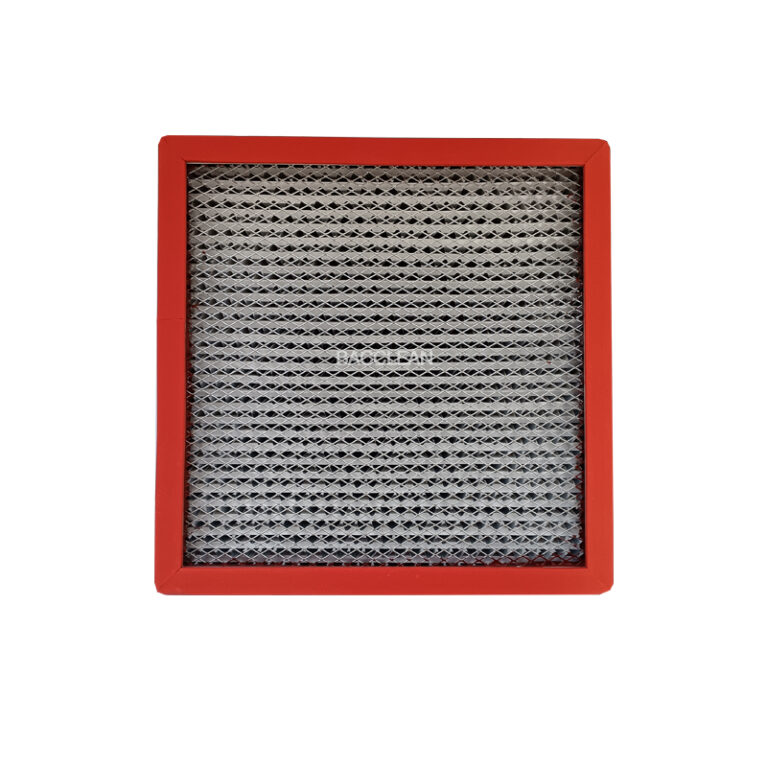
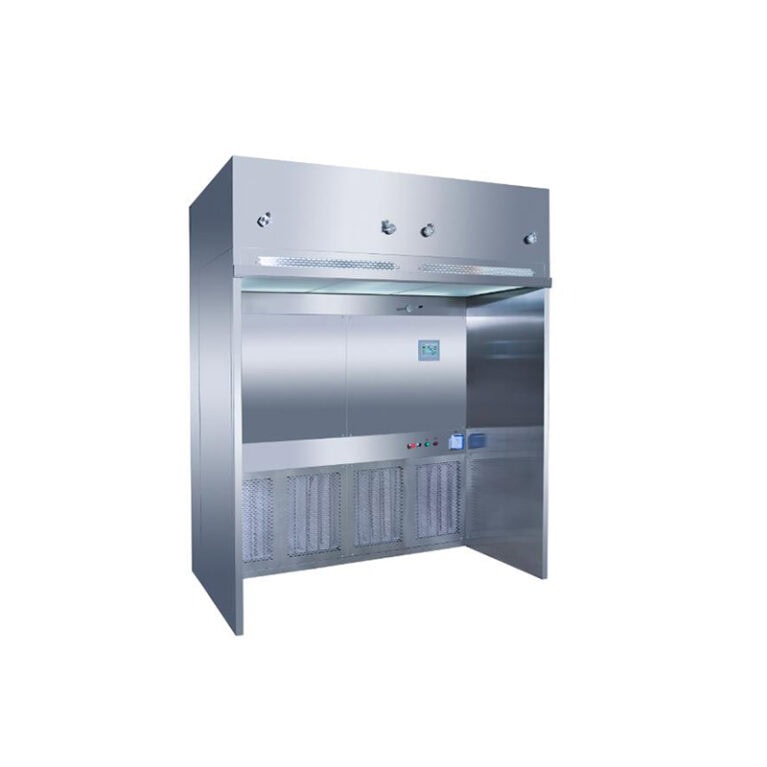
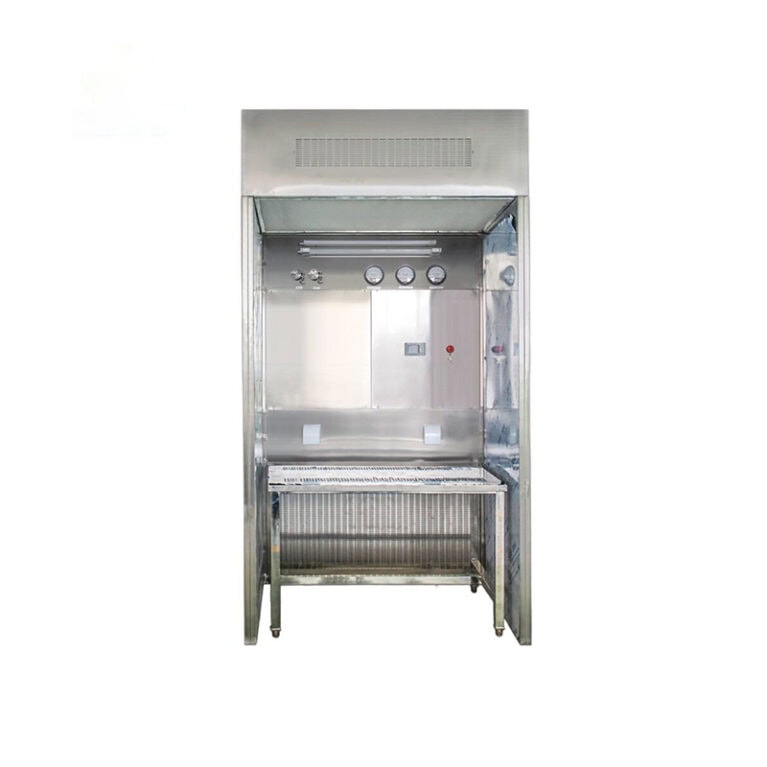
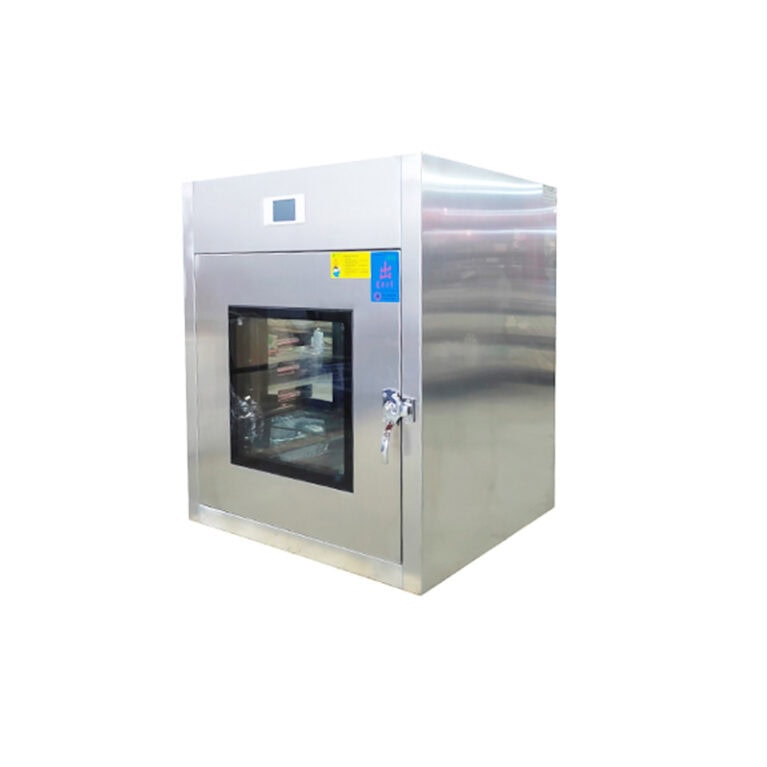
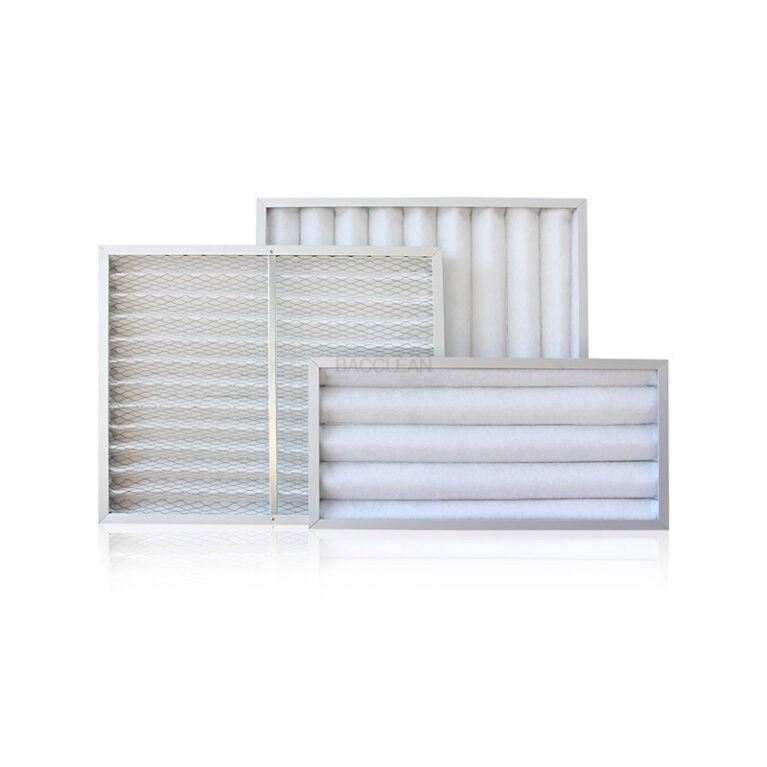
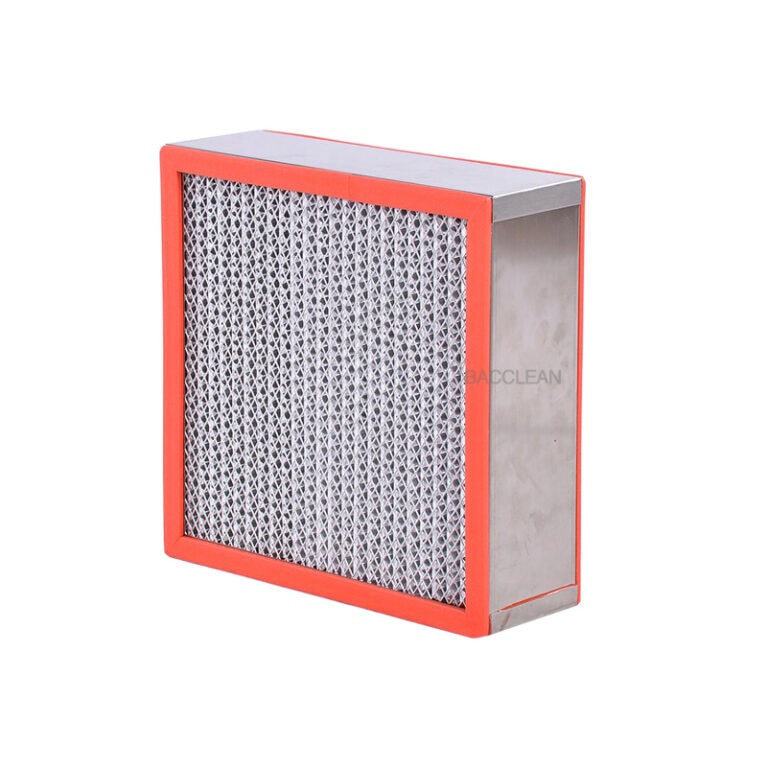
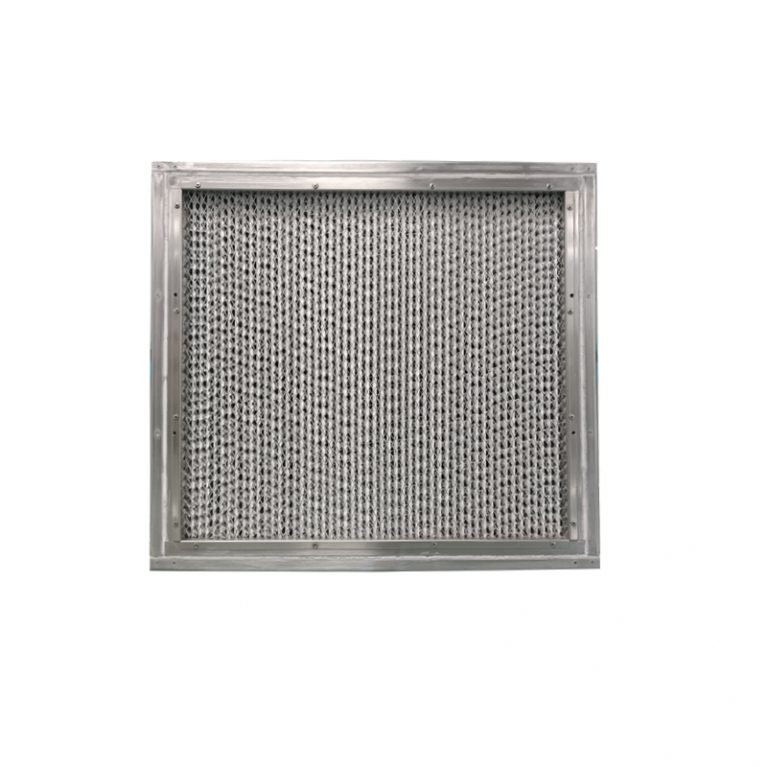
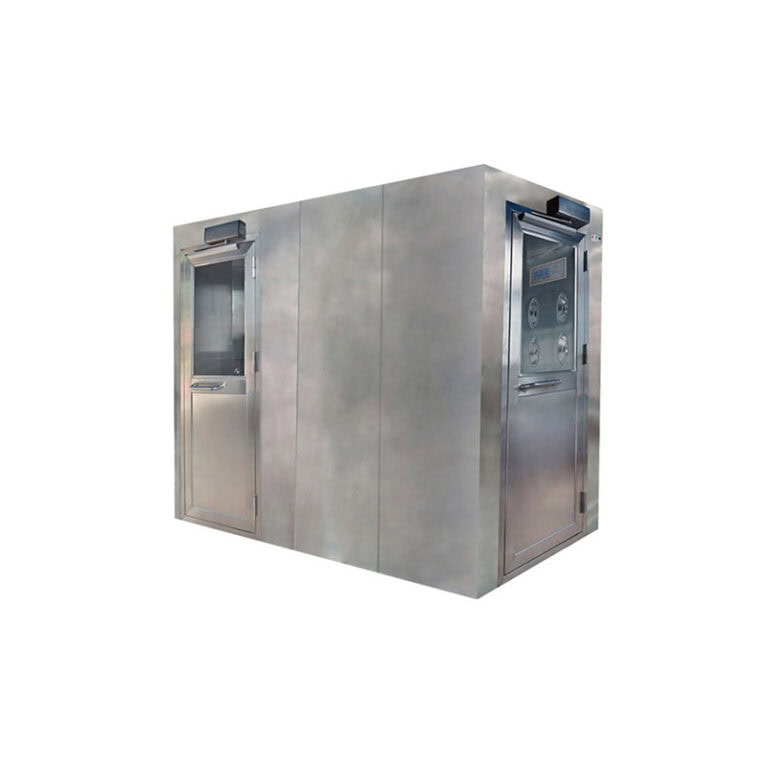
Panoramic Analysis of the Core application Scenarios of Bacclean DOP laminar Flow transfer Window
As a “clean barrier device” for material transfer in high-cleanliness fields, the DOP laminar flow transfer window is core adapted to scenarios where “strict control of particle/microbial contamination is required + compliance verification of the filtration system is needed”, focusing on the safe transfer of materials between clean areas and non-clean areas, as well as areas of different cleanliness levels. It covers high-cleanliness demand scenarios in multiple industries such as pharmaceuticals, electronics, healthcare, and food, as detailed below
I. Pharmaceutical and Biopharmaceutical Industry (Core Scenarios)
Sterile drug production workshop
Applicable links: Raw material drug synthesis area, preparation filling workshop (water injection/powder injection/freeze-dried powder injection), aseptic packaging area, traditional Chinese medicine extraction and purification workshop
Materials to be transferred: active pharmaceutical ingredients, pharmaceutical excipients, semi-finished products, packaging materials such as vials/rubber stoppers/aluminum caps, sampling tools, production molds, and sterile consumables
Core requirements: Comply with the GMP’s mandatory requirement of “no cross-contamination during material transfer”, verify the effectiveness of high-efficiency filters through DOP testing, prevent microbial and dust contamination of drugs, and ensure sterility and quality stability
2. Biopharmaceutical and medical device production
Applicable links: bioreactor supporting areas, vaccine production workshops, and assembly workshops for sterile medical devices (syringes/implantable devices)
Materials to be transferred: Cell culture dishes, semi-finished vaccine products, medical device components, aseptic packaging materials, and testing reagents
Core requirements: Intercept bioaerosols, bacteria, and ultrafine particles, prevent the spread of biological contamination, and meet the requirements of GMP and ISO 13485 medical device quality management systems
Ii. Electronics and Semiconductor Industry (High-Precision Scenarios)
1. Semiconductor chip manufacturing workshop
Applicable links: Wafer manufacturing area, lithography area, packaging and testing workshop (Class 1-1000 clean area)
Materials to be transferred: wafers, photoresist, masks, semi-finished chips, precision electronic components, inspection fixtures
Core requirements: Control ultrafine particles smaller than 0.1μm to prevent particle adhesion from causing chip short circuits and performance failures, and comply with the ISO 14644-1 cleanroom standard
2. High-end electronic manufacturing workshop
Applicable links: LCD/OLED liquid crystal panel production, micro-sensor manufacturing, precision PCB circuit board workshop
Transfer materials: sensitive electronic materials, precision molds, optical lenses, electronic pastes
Core requirements: Stabilize laminar flow to reduce airflow disturbance, prevent cross-contamination of particles in areas of different cleanliness levels, and ensure the precision of product processing
Iii. Medical and Laboratory Industry (Sterile/Anti-Infection Scenarios)
1. Hospital clean area
Applicable links: Clean operating department (OR), ICU intensive care unit, sterile pharmacy, disinfection supply center
Materials to be transferred: sterile surgical instruments, surgical dressings, implantable medical devices (artificial joints/stents), sterile drugs, and sterilized consumables
Core requirement: Comply with WS 310 “Technical Code for Hospital Clean Operating Room Buildings”, block the spread of bacteria and viruses, and reduce the risk of cross-infection
2. Professional laboratory
Applicable links: PCR laboratory, microbiology laboratory, biosafety laboratory (BLS-2/3 level), pathological section laboratory, nanomaterial laboratory
Transfer materials: test samples, biological reagents, culture dishes, pathological sections, experimental samples, precision instrument accessories
Core requirements: Aseptic transfer to prevent sample contamination, DOP validation to ensure filtration efficiency, and compliance with laboratory quality control and biosafety requirements
Iv. Food and Health Products Industry (Safe and Clean Scenarios)
Sterile food production workshop
Applicable links: Production areas of infant formula food, probiotic preparations, and ready-to-eat sterile food (canned/vacuum-packed)
Materials to be transferred: food raw materials (probiotic freeze-dried powder/vitamins), inner packaging materials, production tools, and testing samples
Core requirements: Comply with GB 14881 “General Hygienic Specifications for Food Production”, intercept mold, bacteria and dust, and ensure food safety and shelf life
2. Health Products and Functional Food Workshop
Applicable links: Production areas of soft capsules, oral liquids and nutritional supplements
Transfer materials: active ingredient raw materials, sterile excipients, packaging containers
Core requirements: Prevent materials from being contaminated by microorganisms, maintain the stability of active ingredients, and meet the Good Manufacturing Practice for health products
V. Cosmetics and Fine Chemicals Industry (High-Purity Scenarios)
1. High-end cosmetics production workshop
Applicable links: Production areas of skin care products (essence/face cream), makeup (lipstick/eyeshadow), and sensitive cosmetics for the eyes and lips
Materials to be transferred: sterile essence, active ingredients (hyaluronic acid/vitamin C), inner packaging materials, production tools
Core requirements: Comply with the “Good Manufacturing Practice for Cosmetics”, control dust and microorganisms, and prevent cosmetics from deteriorating or causing skin irritation
2. Fine chemical production workshop
Applicable links: High-purity catalysts, special solvents, and production areas of electronic chemicals
Transfer materials: precision chemical raw materials, reaction intermediates, testing reagents
Core requirements: Intercept impurity particles, prevent cross-contamination of materials, and ensure product purity and performance stability
Vi. Aerospace and Nuclear Industry (Special Demand Scenarios)
Production of aerospace components
Applicable links: Precision aero engine parts, spacecraft electronic equipment, satellite component manufacturing workshops
Materials to be transferred: precision components, welding materials, inspection tools, electronic components
Core requirements: Meet the cleanliness requirements of Class 100 or above, control ultrafine particles, and ensure the processing accuracy and reliability of components
2. Nuclear Industry and Special Industry Laboratory
Applicable links: Nuclear material sample processing laboratories, radioactive detection laboratories
Transfer materials: Nuclear material samples, testing reagents, protective equipment
Core requirements: Prevent the spread of radioactive particles, with customized functions such as negative pressure isolation and explosion-proof, and DOP verification to ensure the stability of the filtration system
Core screening logic of application scenarios
Cleanliness level requirements: Class 1-10000 (ISO 5-8), which requires control of particle (≥0.3μm) or microbial contamination.
Compliance requirements: It is necessary to meet industry standards such as GMP, ISO 14644, and GB 14881, and it is required to conduct DOP integrity verification on high-efficiency filters.
Material characteristics: The material is sensitive to contamination (such as sterile, precise, active ingredients), or the transfer process needs to avoid cross-contamination (such as biological samples, radioactive materials).
Bacclean DOP laminar flow transfer Windows can provide customized solutions based on the cleanliness level, material size, and special working conditions (high temperature/anti-corrosion/explosion-proof) of different scenarios. Through the core technology of “high-efficiency filtration + DOP verification + multiple protections”, Become a key device for ensuring the safety of material transfer and meeting compliance requirements in various high-cleanliness fields.
As a “clean barrier device” for material transfer in high-cleanliness fields, the DOP laminar flow transfer window is core adapted to scenarios where “strict control of particle/microbial contamination is required + compliance verification of the filtration system is needed”, focusing on the safe transfer of materials between clean areas and non-clean areas, as well as areas of different cleanliness levels. It covers high-cleanliness demand scenarios in multiple industries such as pharmaceuticals, electronics, healthcare, and food, as detailed below
I. Pharmaceutical and Biopharmaceutical Industry (Core Scenarios)
Sterile drug production workshop
Applicable links: Raw material drug synthesis area, preparation filling workshop (water injection/powder injection/freeze-dried powder injection), aseptic packaging area, traditional Chinese medicine extraction and purification workshop
Materials to be transferred: active pharmaceutical ingredients, pharmaceutical excipients, semi-finished products, packaging materials such as vials/rubber stoppers/aluminum caps, sampling tools, production molds, and sterile consumables
Core requirements: Comply with the GMP’s mandatory requirement of “no cross-contamination during material transfer”, verify the effectiveness of high-efficiency filters through DOP testing, prevent microbial and dust contamination of drugs, and ensure sterility and quality stability
2. Biopharmaceutical and medical device production
Applicable links: bioreactor supporting areas, vaccine production workshops, and assembly workshops for sterile medical devices (syringes/implantable devices)
Materials to be transferred: Cell culture dishes, semi-finished vaccine products, medical device components, aseptic packaging materials, and testing reagents
Core requirements: Intercept bioaerosols, bacteria, and ultrafine particles, prevent the spread of biological contamination, and meet the requirements of GMP and ISO 13485 medical device quality management systems
Ii. Electronics and Semiconductor Industry (High-Precision Scenarios)
1. Semiconductor chip manufacturing workshop
Applicable links: Wafer manufacturing area, lithography area, packaging and testing workshop (Class 1-1000 clean area)
Materials to be transferred: wafers, photoresist, masks, semi-finished chips, precision electronic components, inspection fixtures
Core requirements: Control ultrafine particles smaller than 0.1μm to prevent particle adhesion from causing chip short circuits and performance failures, and comply with the ISO 14644-1 cleanroom standard
2. High-end electronic manufacturing workshop
Applicable links: LCD/OLED liquid crystal panel production, micro-sensor manufacturing, precision PCB circuit board workshop
Transfer materials: sensitive electronic materials, precision molds, optical lenses, electronic pastes
Core requirements: Stabilize laminar flow to reduce airflow disturbance, prevent cross-contamination of particles in areas of different cleanliness levels, and ensure the precision of product processing
Iii. Medical and Laboratory Industry (Sterile/Anti-Infection Scenarios)
1. Hospital clean area
Applicable links: Clean operating department (OR), ICU intensive care unit, sterile pharmacy, disinfection supply center
Materials to be transferred: sterile surgical instruments, surgical dressings, implantable medical devices (artificial joints/stents), sterile drugs, and sterilized consumables
Core requirement: Comply with WS 310 “Technical Code for Hospital Clean Operating Room Buildings”, block the spread of bacteria and viruses, and reduce the risk of cross-infection
2. Professional laboratory
Applicable links: PCR laboratory, microbiology laboratory, biosafety laboratory (BLS-2/3 level), pathological section laboratory, nanomaterial laboratory
Transfer materials: test samples, biological reagents, culture dishes, pathological sections, experimental samples, precision instrument accessories
Core requirements: Aseptic transfer to prevent sample contamination, DOP validation to ensure filtration efficiency, and compliance with laboratory quality control and biosafety requirements
Iv. Food and Health Products Industry (Safe and Clean Scenarios)
Sterile food production workshop
Applicable links: Production areas of infant formula food, probiotic preparations, and ready-to-eat sterile food (canned/vacuum-packed)
Materials to be transferred: food raw materials (probiotic freeze-dried powder/vitamins), inner packaging materials, production tools, and testing samples
Core requirements: Comply with GB 14881 “General Hygienic Specifications for Food Production”, intercept mold, bacteria and dust, and ensure food safety and shelf life
2. Health Products and Functional Food Workshop
Applicable links: Production areas of soft capsules, oral liquids and nutritional supplements
Transfer materials: active ingredient raw materials, sterile excipients, packaging containers
Core requirements: Prevent materials from being contaminated by microorganisms, maintain the stability of active ingredients, and meet the Good Manufacturing Practice for health products
V. Cosmetics and Fine Chemicals Industry (High-Purity Scenarios)
1. High-end cosmetics production workshop
Applicable links: Production areas of skin care products (essence/face cream), makeup (lipstick/eyeshadow), and sensitive cosmetics for the eyes and lips
Materials to be transferred: sterile essence, active ingredients (hyaluronic acid/vitamin C), inner packaging materials, production tools
Core requirements: Comply with the “Good Manufacturing Practice for Cosmetics”, control dust and microorganisms, and prevent cosmetics from deteriorating or causing skin irritation
2. Fine chemical production workshop
Applicable links: High-purity catalysts, special solvents, and production areas of electronic chemicals
Transfer materials: precision chemical raw materials, reaction intermediates, testing reagents
Core requirements: Intercept impurity particles, prevent cross-contamination of materials, and ensure product purity and performance stability
Vi. Aerospace and Nuclear Industry (Special Demand Scenarios)
Production of aerospace components
Applicable links: Precision aero engine parts, spacecraft electronic equipment, satellite component manufacturing workshops
Materials to be transferred: precision components, welding materials, inspection tools, electronic components
Core requirements: Meet the cleanliness requirements of Class 100 or above, control ultrafine particles, and ensure the processing accuracy and reliability of components
2. Nuclear Industry and Special Industry Laboratory
Applicable links: Nuclear material sample processing laboratories, radioactive detection laboratories
Transfer materials: Nuclear material samples, testing reagents, protective equipment
Core requirements: Prevent the spread of radioactive particles, with customized functions such as negative pressure isolation and explosion-proof, and DOP verification to ensure the stability of the filtration system
Core screening logic of application scenarios
Cleanliness level requirements: Class 1-10000 (ISO 5-8), which requires control of particle (≥0.3μm) or microbial contamination.
Compliance requirements: It is necessary to meet industry standards such as GMP, ISO 14644, and GB 14881, and it is required to conduct DOP integrity verification on high-efficiency filters.
Material characteristics: The material is sensitive to contamination (such as sterile, precise, active ingredients), or the transfer process needs to avoid cross-contamination (such as biological samples, radioactive materials).
Bacclean DOP laminar flow transfer Windows can provide customized solutions based on the cleanliness level, material size, and special working conditions (high temperature/anti-corrosion/explosion-proof) of different scenarios. Through the core technology of “high-efficiency filtration + DOP verification + multiple protections”, Become a key device for ensuring the safety of material transfer and meeting compliance requirements in various high-cleanliness fields.
