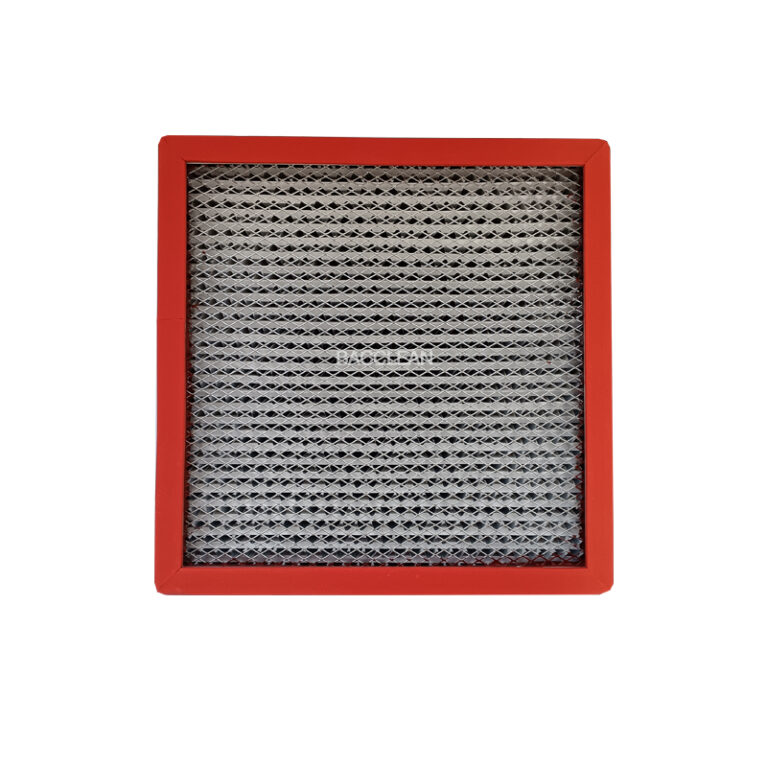
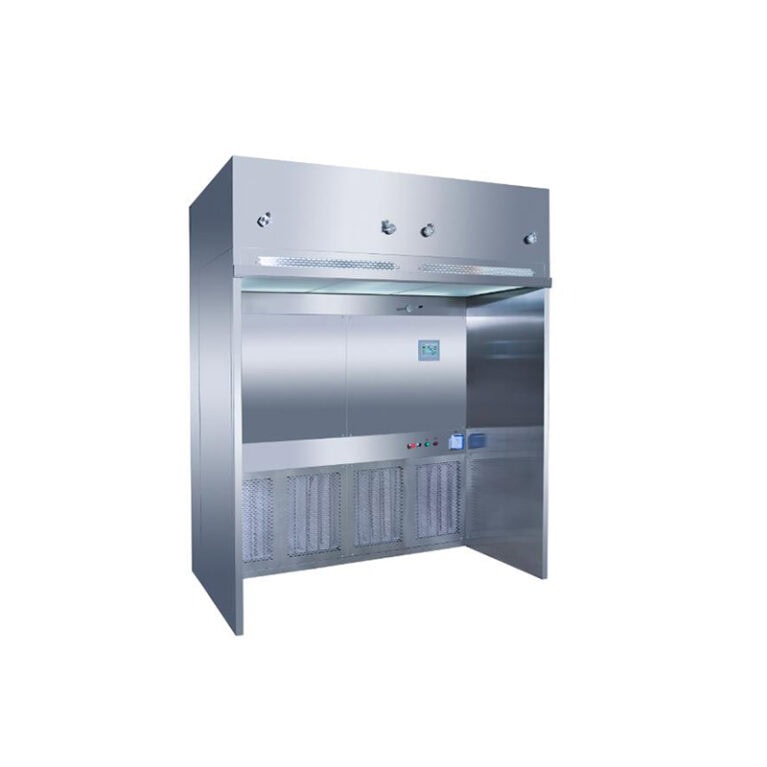
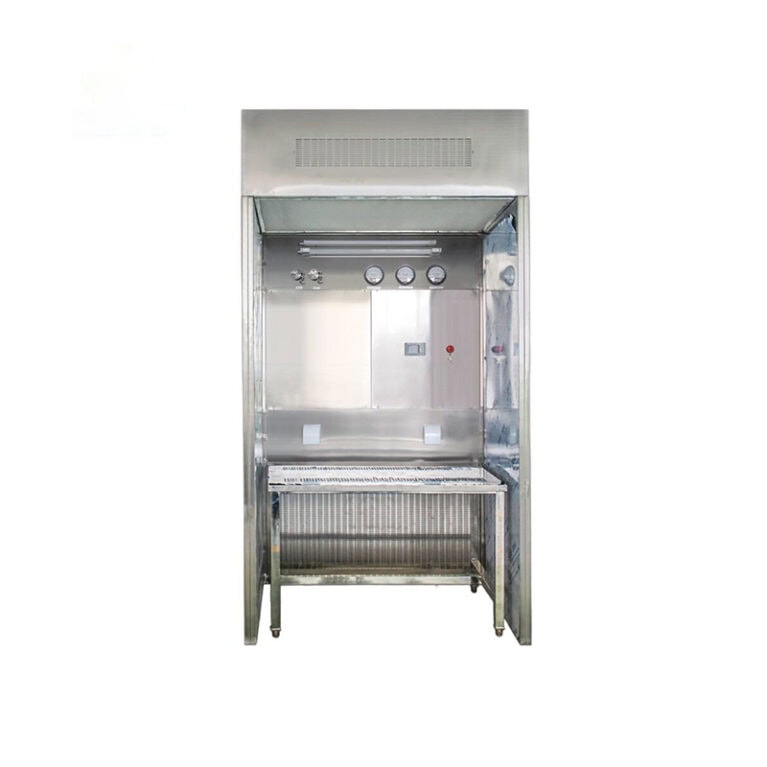
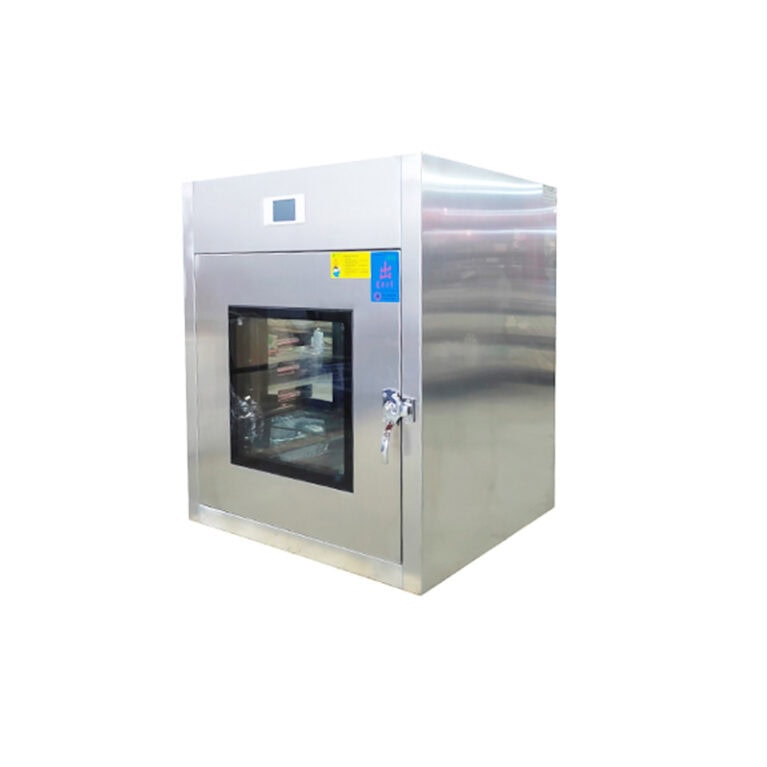
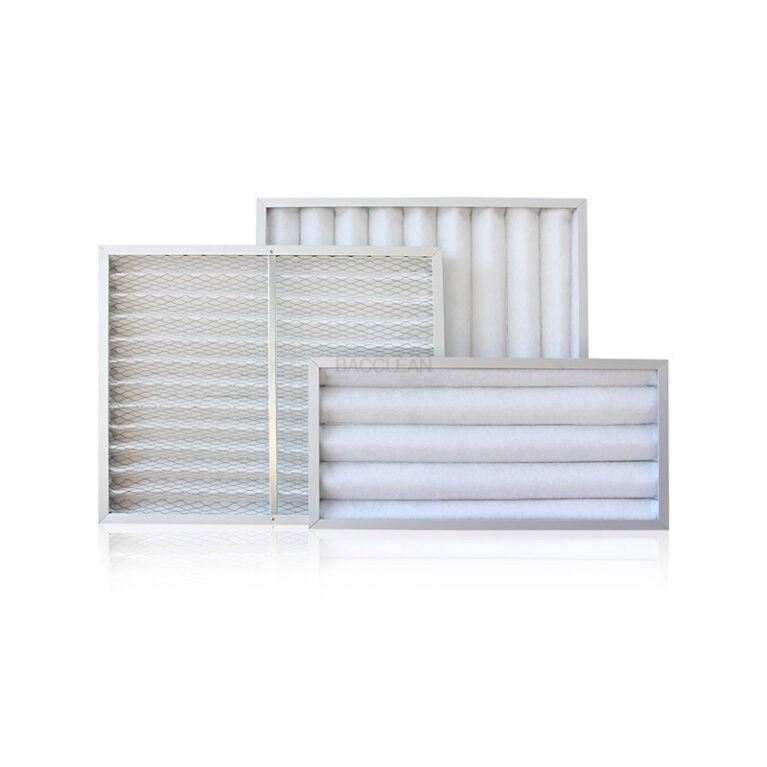
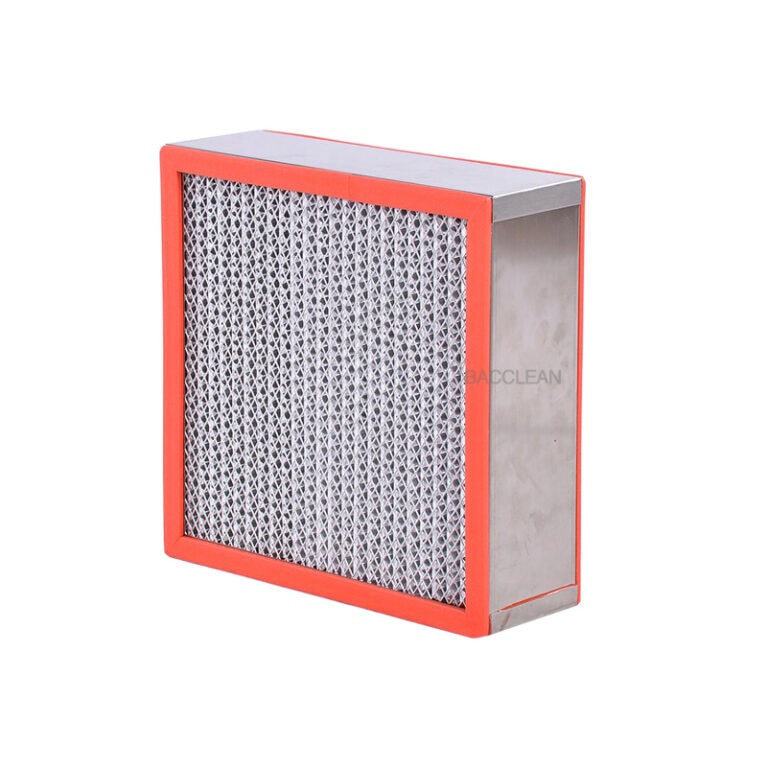
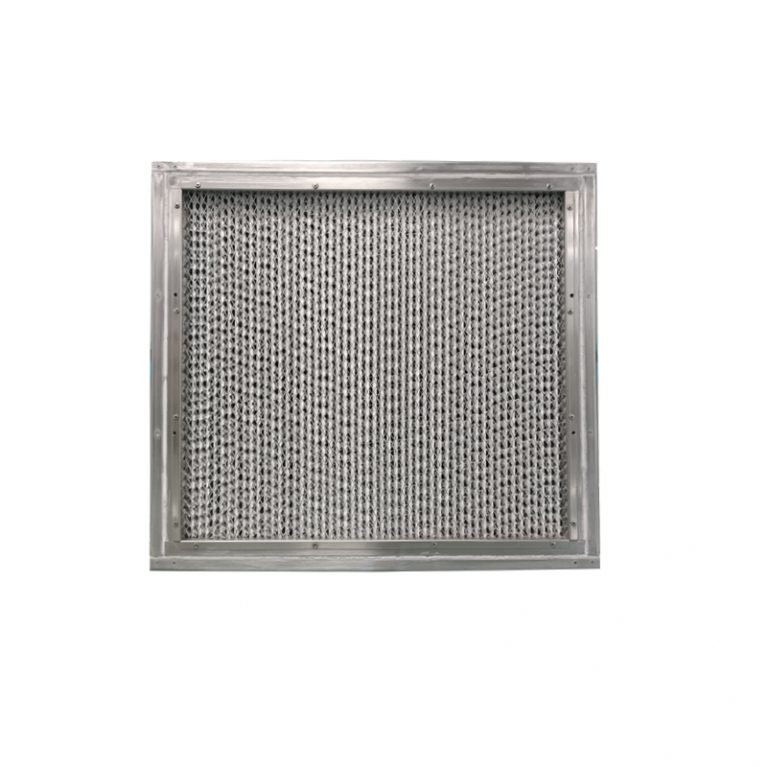
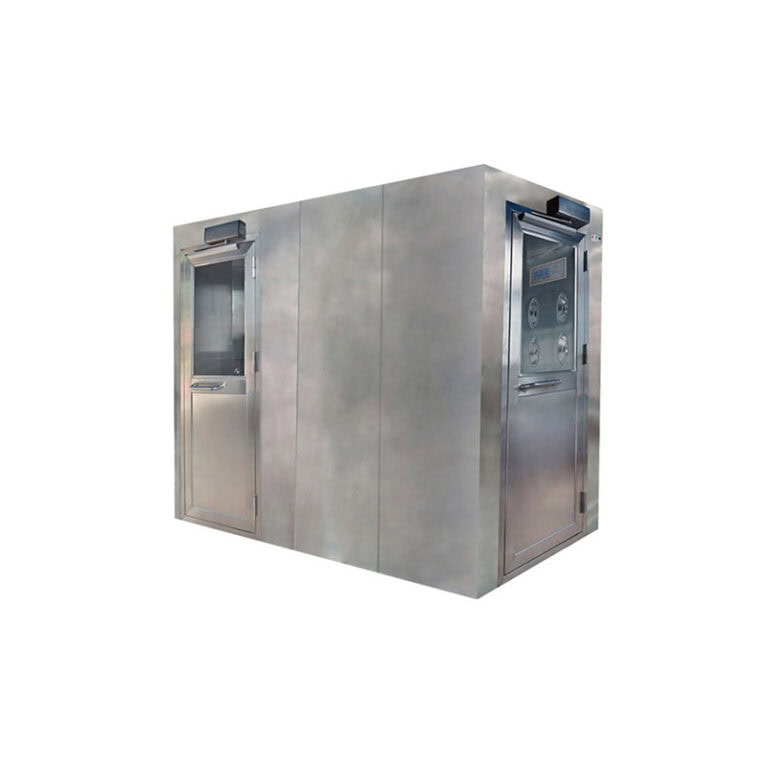
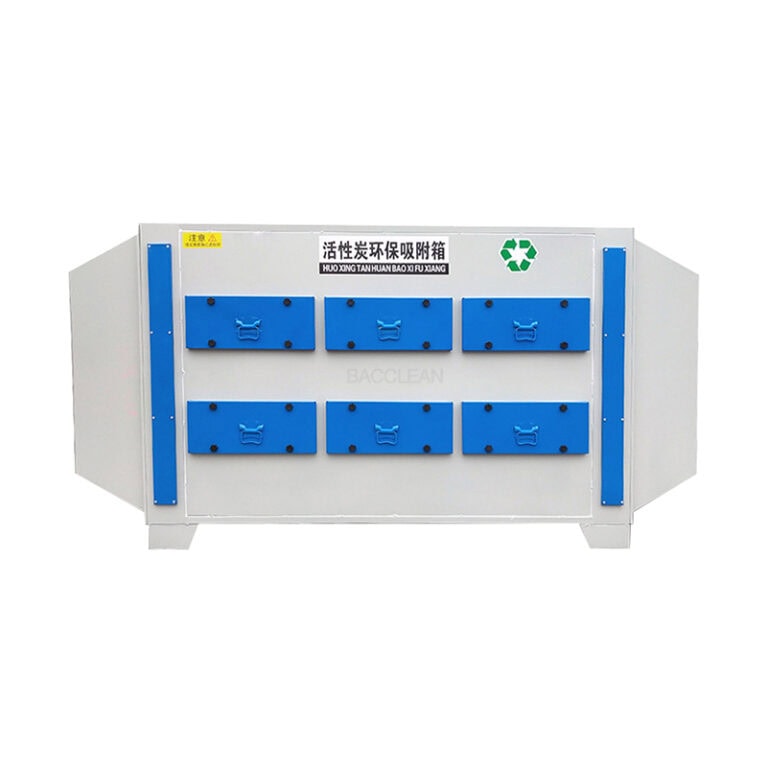
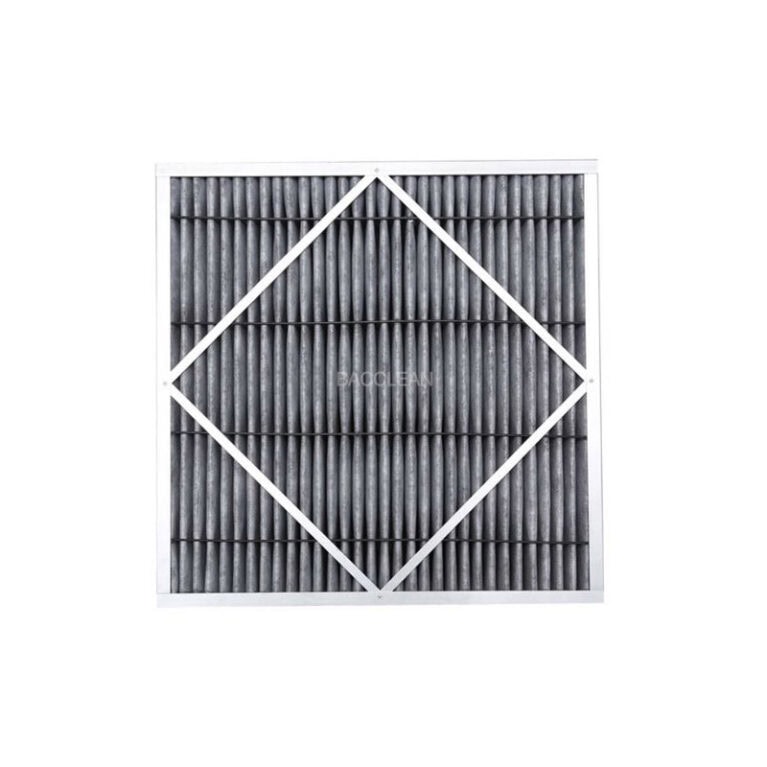
High-efficiency exhaust devices refer to exhaust equipment with high ventilation efficiency, low energy consumption, and the ability to precisely control the direction and volume of air flow. Their core function is to quickly expel stale air, harmful gases, dust, and residual heat within a local or overall space, ensuring the safety and comfort of the air environment. Its application fields cover multiple sectors such as industrial production, medical and health care, commercial buildings, civil residences, and special scenarios. The specific classification and application scenarios are as follows:
El ámbito de la producción industrial
This is the core application scenario of the high-efficiency exhaust device, mainly used to solve the problem of pollutant emissions generated in industrial processes, ensuring production safety and personnel health.
Heavy industry and manufacturing: In metallurgical, chemical, and mechanical processing workshops, it is used to discharge harmful media such as welding fumes, metal dust, chemical waste gas, and volatile paint (VOCs). In casting and forging workshops, high-temperature waste heat and dust can be quickly discharged, reducing the workshop temperature and improving the working environment.
In the electronic semiconductor industry: In clean workshops for chip manufacturing and circuit board production, a fresh air system is used in conjunction to achieve directional exhaust, maintaining a slightly positive pressure environment in the workshop to prevent external dust from entering and simultaneously discharging trace amounts of harmful gases produced during the production process.
In the food processing industry: In baking, pickling and slaughtering workshops, cooking fumes, odorous gases and high-humidity air are discharged to inhibit bacterial growth and ensure food hygiene and safety.
Medical and health field
Medical facilities have extremely high requirements for air cleanliness. High-efficiency exhaust devices are key equipment for controlling cross-infection and maintaining the environment of special departments.
Infectious disease wards and isolation wards: Through negative pressure exhaust systems, the air pressure inside the wards is ensured to be lower than that outside, preventing viruses and bacteria from spreading to other areas with the airflow. The exhaust air must be treated by high-efficiency filters (HEPA) before being discharged.
Operating room and ICU: In coordination with the laminar flow purification system, the anesthesia exhaust gas and body fluid aerosols generated during the operation are discharged to maintain a sterile environment in the operating room.
Laboratories and inspection departments: In biosafety laboratories (BSL-1 to BSL-4) and chemical laboratories, it is used to discharge toxic and harmful gases and pathogenic microorganisms produced during experiments to protect the safety of laboratory personnel.
The field of commercial buildings and public Spaces
It is used to enhance the air circulation efficiency in large public Spaces and improve the comfort and safety of crowded places.
Shopping malls, office buildings, and subway stations: In conjunction with central air conditioning systems, they expel indoor turbid air, carbon dioxide, and human body odors, replenish fresh air, and maintain appropriate indoor air quality (IAQ).
In catering establishments: In hotel kitchens and the back kitchens of chain restaurants, high-efficiency exhaust devices (such as the combination of fume purifiers and exhaust fans) can quickly expel cooking fumes, preventing them from spreading to the dining area, while also meeting environmental protection emission standards.
Sports venues and exhibition centers: Address the issue of poor ventilation during crowded times, expel residual heat and carbon dioxide, and enhance air circulation within the venues.
Civil residential sector
With the increasing demand for home health, high-efficiency exhaust devices have gradually become an important part of residential ventilation.
Kitchen and bathroom: The side-suction range hood in the kitchen and the exhaust fan in the bathroom are both small and highly efficient exhaust devices, respectively used to remove cooking fumes and damp and turbid air, and prevent the growth of mold.
Whole-house fresh air exhaust system: For high-rise residences and well-sealed apartment types, through the exhaust end of the bidirectional flow fresh air system, it expels indoor formaldehyde, benzene and other decoration pollutants as well as carbon dioxide, achieving the exchange of indoor and outdoor air.
Special scene domain
It is suitable for high-risk or professional scenarios with special requirements for exhaust ventilation.
Underground garages and tunnels: Expel vehicle exhaust (carbon monoxide, nitrogen oxides), prevent the accumulation of toxic gases, and ensure the safety of drivers and personnel.
Mine and tunnel construction: Discharge underground dust and gas, reduce the risk of explosion and poisoning, and maintain safe ventilation in the working environment.
Nuclear industry and hazardous materials warehouses: It is used to discharge radioactive aerosols or harmful gases. The exhaust system needs to be equipped with multiple filtration and protection devices to prevent the leakage of pollutants.