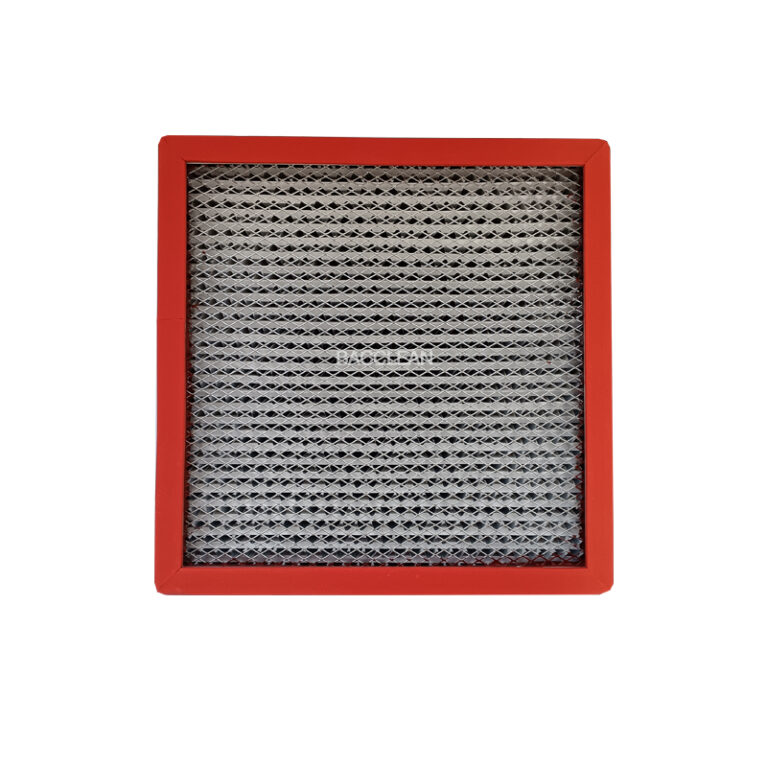
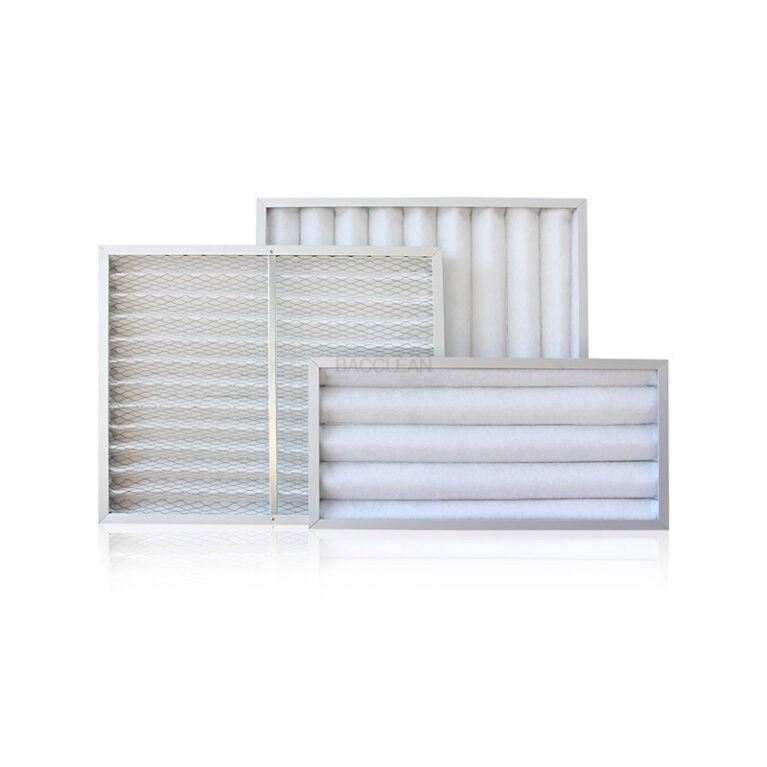
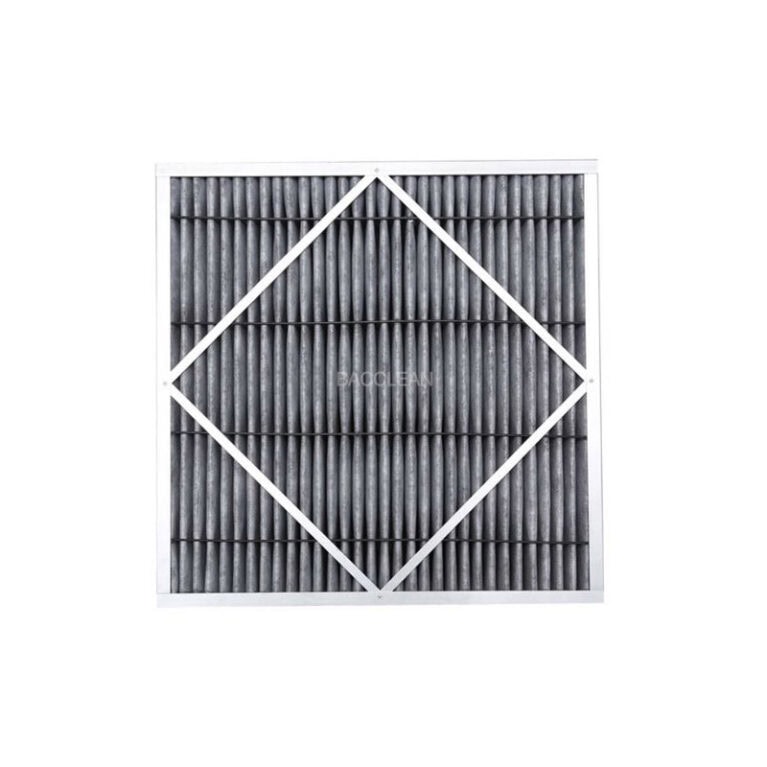
The applicable scenarios for the washable air filter with a mother-child frame are mainly centered around the requirements of medium-low pollution levels, frequent maintenance, and cost-effective reuse. Combining its characteristics of detachable cleaning and stable support of the mother-child frame, they can be classified into the following categories:
1. Household scenarios (core applicable scenarios)
– Ordinary residential spaces: Suitable for living areas such as living rooms, bedrooms, and study rooms, and can be used in conjunction with wall-mounted air conditioners, cabinet-type air conditioners, and household fresh air systems. It can intercept common impurities such as dust, hair, and fluff, and the reusable cleaning can reduce the cost of household consumables. Especially suitable for families with elderly or children (reducing the hassle of frequent filter replacement).
– Kitchen peripheral areas: Can be used in adjacent areas of the kitchen such as dining rooms and corridors. It can intercept small amounts of cooking-generated smoke particles and dust. Since the filter material can be washed, it can promptly remove oil residue and avoid filter blockage and odor (note: not suitable for direct use in high-smoke kitchen environments).
– Old houses / rental property renovations: Suitable for old air conditioners and simple ventilation equipment. The mother-child frame structure can flexibly match different-sized installation positions, no additional modification is required, and after cleaning, it can be reused. The cost-effectiveness is higher than disposable filters.
2. Commercial scenarios (medium-low pollution environment)
– Ordinary office spaces: Office areas in office buildings, meeting rooms, administrative areas, etc., combined with the initial filtration section of central air conditioning and commercial fresh air systems, to deal with dust and floating dust caused by personnel movement. During maintenance, only the mother frame can be disassembled for cleaning, without affecting the normal operation of the office, and reducing the operating costs of the enterprise.
– Small commercial places: Convenience stores, stationery stores, flower shops, small supermarkets, etc. These places have pollution mainly consisting of dust and debris, without strong corrosive or highly adhesive pollutants. The washable feature is suitable for frequent cleaning needs, and the mother-child frame can ensure that the filter material does not deform under the ventilation pressure.
– Service places: Beauty salons (intercepting hair fragments and dust), small clinics (non-sterile areas, intercepting dust and hair), chess rooms, etc. Regular cleaning is required to maintain a fresh air environment. The water-washable design avoids the waste of frequent replacement of filter materials.
3. Industrial auxiliary scenarios (pre-treatment / low-demand areas)
– Factory auxiliary areas: Corridors of factories, employee rest rooms, storage warehouses (non-high dust, non-corrosive environments), as the initial filtration of the ventilation system, intercepting large particles of dust, protecting the subsequent ventilation equipment, and can be repeatedly cleaned, suitable for the frequent use requirements of industrial scenarios.
– Equipment supporting pre-treatment: Local ventilation outlets of small machines, printing equipment, electronic component assembly workshops, used for preliminary filtering of air impurities to prevent wear inside the equipment, the mother-child frame structure can stabilize the filter material and resist the air flow fluctuations during equipment operation.
4. Special temporary scenarios
– Temporary construction spaces: Temporary ventilation systems for activity board houses, exhibition booths, temporary office areas, etc., need to be quickly adapted and installed, and no long-term investment in consumables is required. The washable filter can be reused with the scene, and disassembly and storage are also more convenient.
– Transition scenarios after renovation: During the ventilation and odor removal stage after new home renovation, it can intercept dust, wood chips, and other large-particle impurities, and frequent cleaning can avoid rapid saturation of the filter material. After the indoor pollution decreases, it can still be used for daily filtration.
– Incompatible scenarios (pitfall reminder)
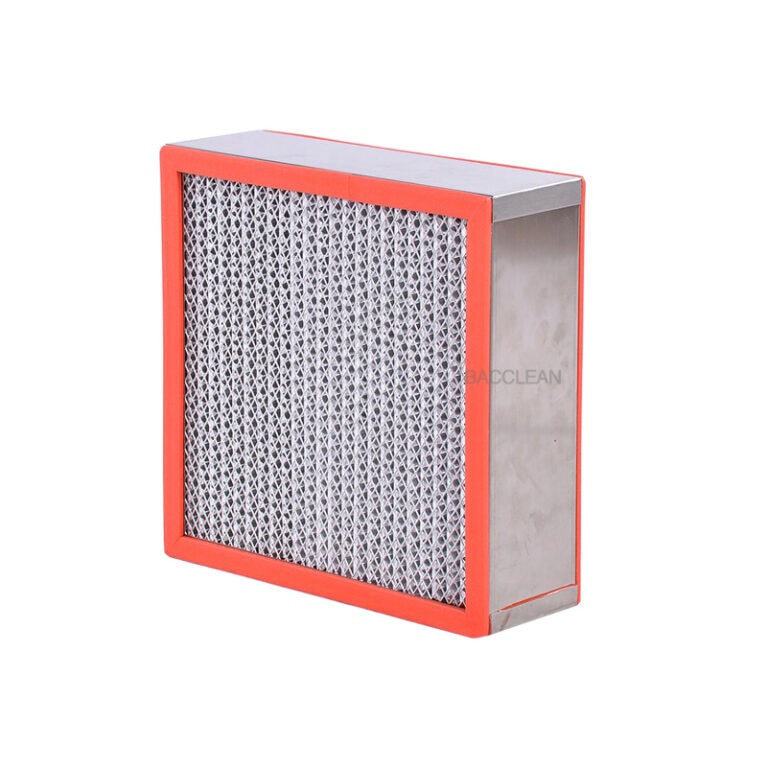
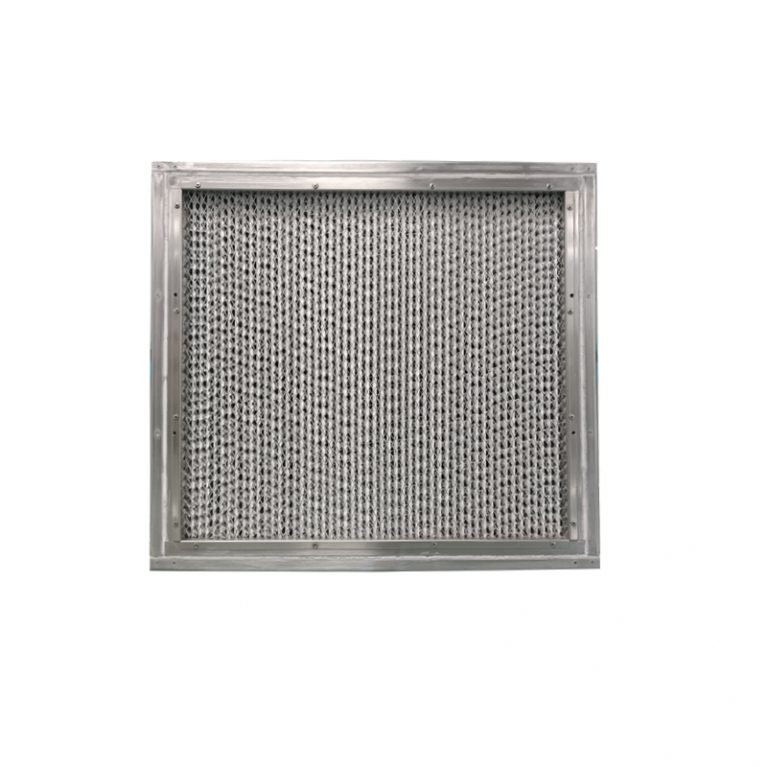
– High dust, high smoke, strong corrosiveness, and high precision filtration requirements scenarios (such as heavy industry workshops, kitchen interiors, chemical places, sterile laboratories), these scenarios will accelerate filter material aging, blockage, and even damage the mother-child frame structure, reducing filtration efficiency and equipment lifespan.