
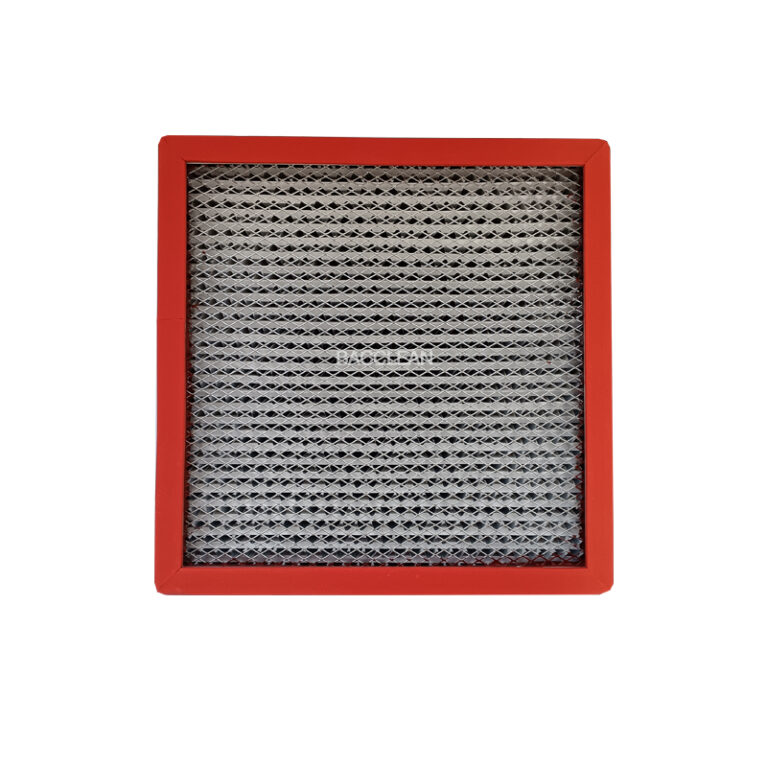
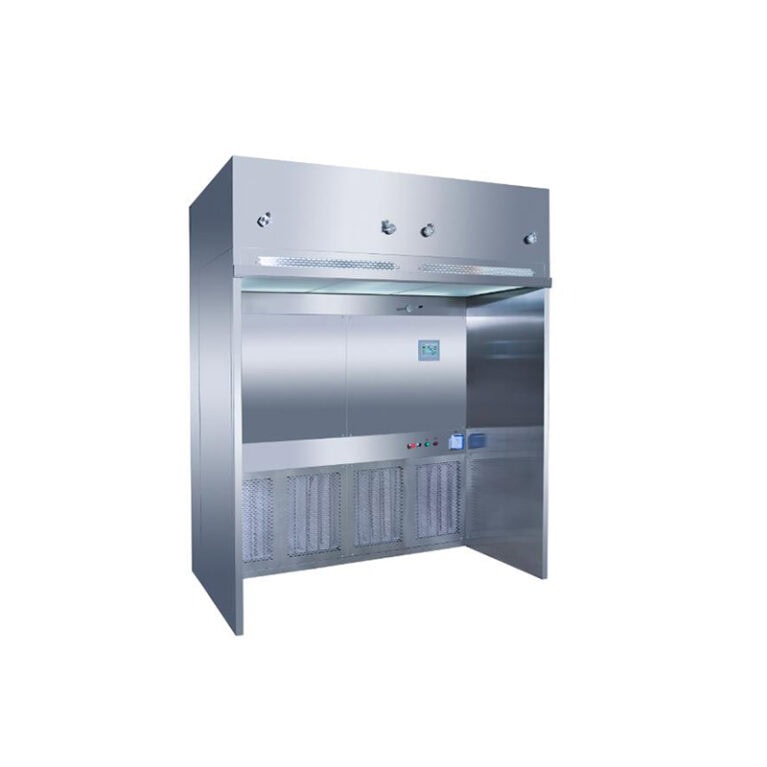
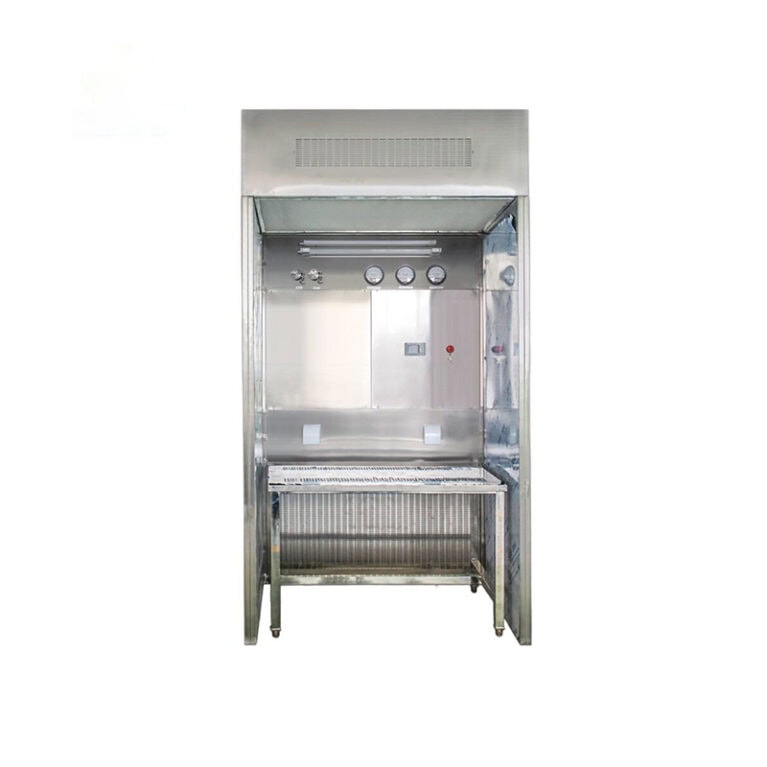
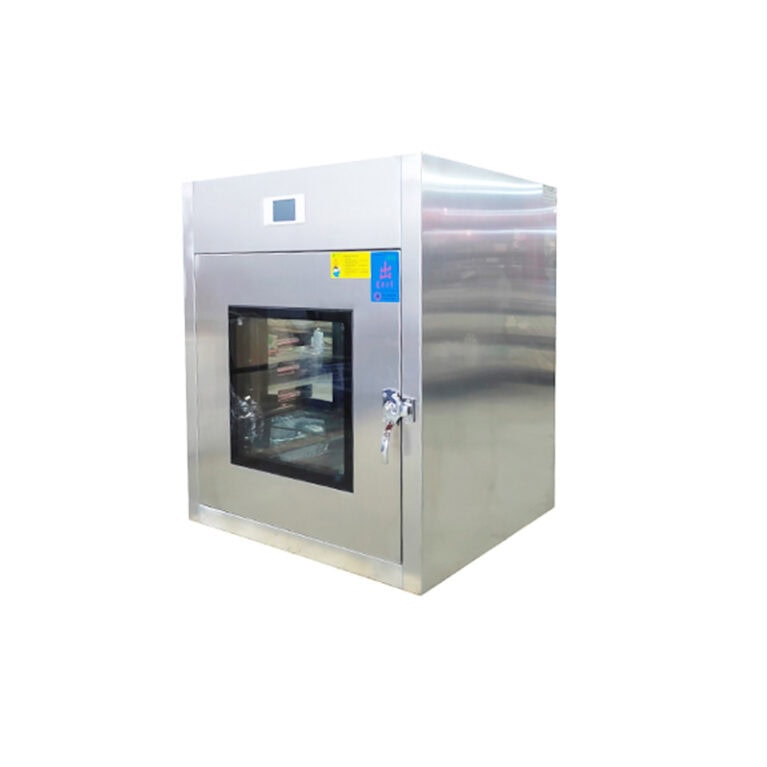
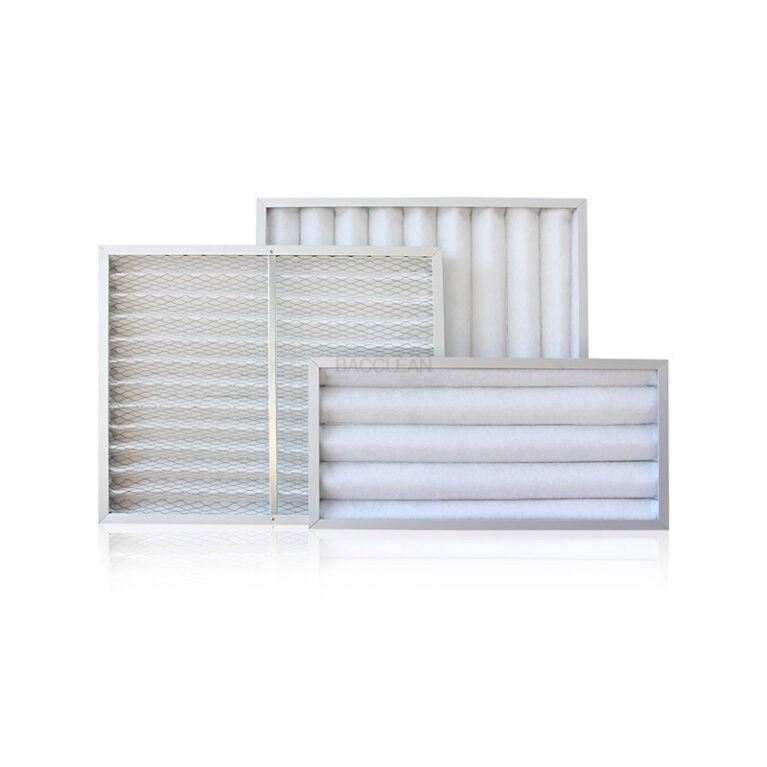
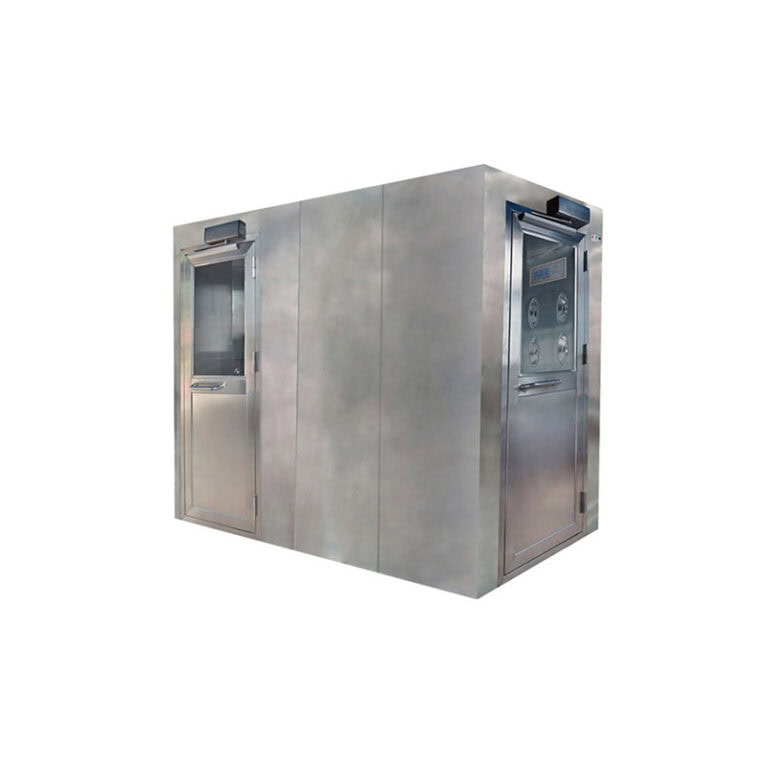
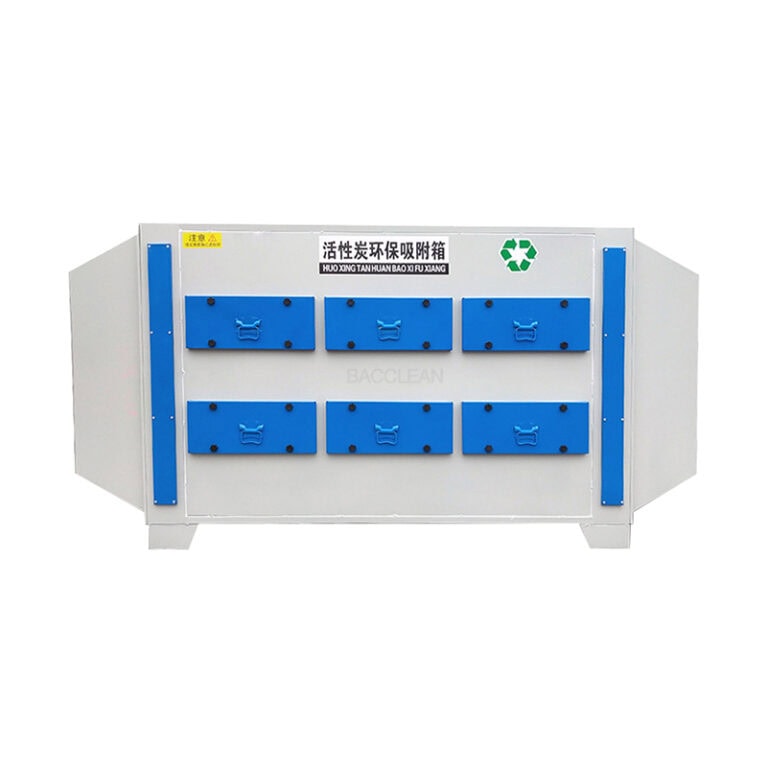
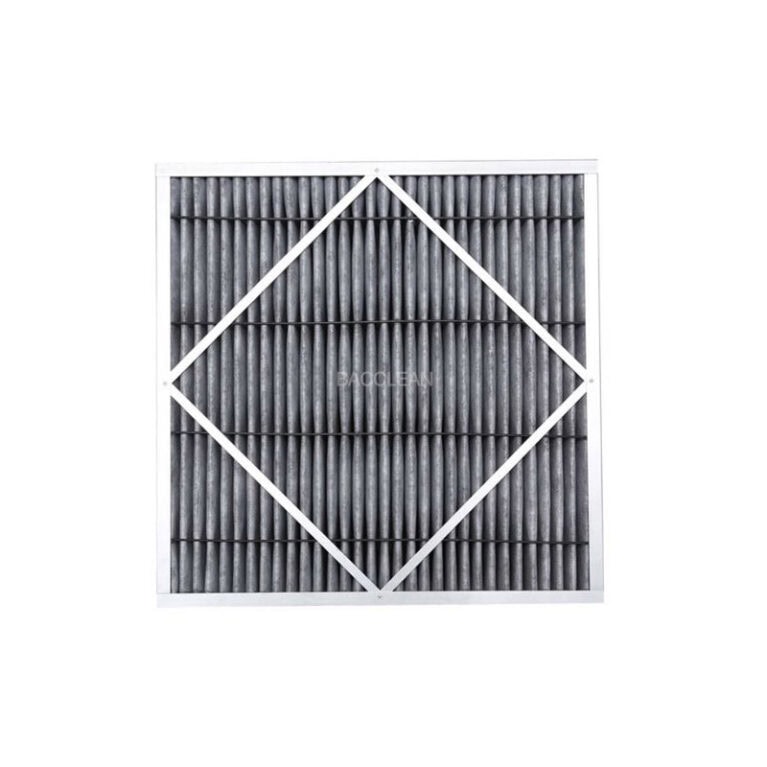
The industrial coating workshop plays a vital role in both protecting and beautifying product surfaces. The quality of coating directly affects corrosion resistance, appearance accuracy, and product longevity. Throughout the coating process, dust and particulate pollutants are critical hidden dangers that jeopardize coating quality. When particles in the air attach to the workpiece surface or mix into the coating, defects such as pinholes, particles, and sagging can occur, thereby increasing rework rates and production costs. Moreover, certain coating methods—such as electrostatic spraying and electrophoretic coating—demand extremely high environmental cleanliness: for example, no more than 1000 particles larger than 0.5μm per cubic meter of air (Class 7 standard). To create this controlled environment, pleated high-efficiency filters (H13-H14 grade, ≥99.97% efficiency for 0.3μm particles) are used in the clean air system due to their stable airflow resistance and large dust holding capacity.
I. Core Function and Filtration Principle
1. Core function
Purify the intake air: Filter the fresh air and recirculated air entering the painting workshop to remove contaminants such as dust, fibers, and oil particles, preventing contamination of the workpieces to be coated and the paint.
Ensure process stability: Provide a consistent, clean air environment for key processes, such as spraying and curing, to ensure uniform coating thickness and a smooth surface.
Protect equipment and personnel: Prevent particulate contaminants from entering spraying equipment (such as spray guns and powder spraying rooms) to cause blockage and damage, while also reducing the harm of dust to the respiratory systems of operators.
2. Filtration principle
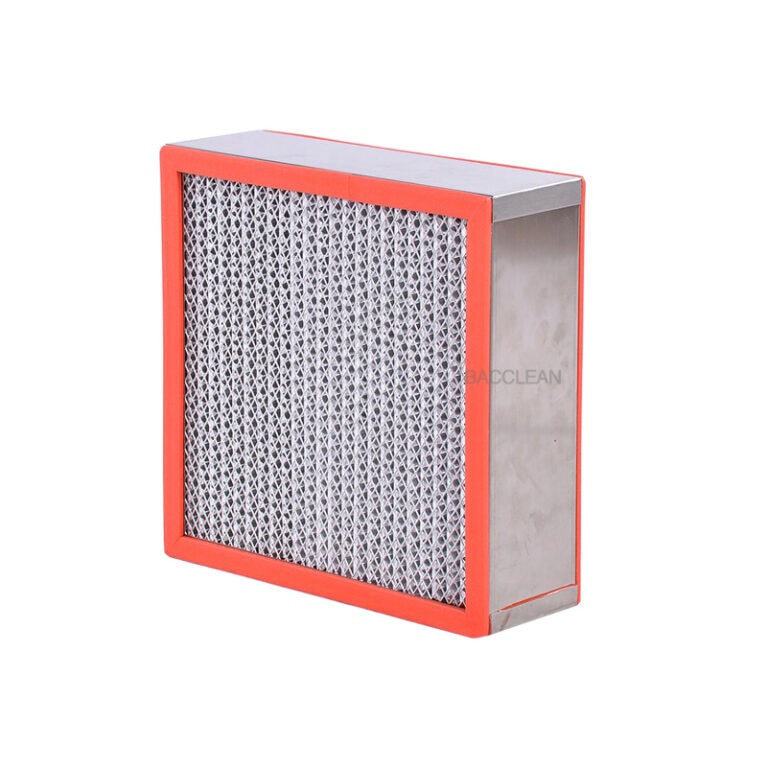
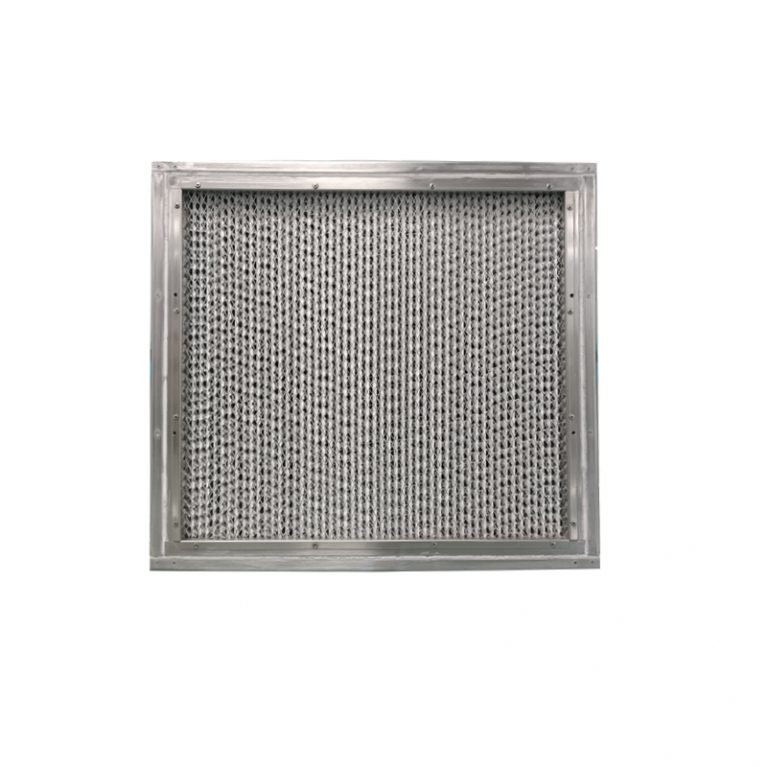
High-efficiency filters with separators use ultra-fine glass fiber filter paper as the filtering medium, featuring a ‘V-shaped folding’ structure. They are equipped with aluminum foil or paper separators that space the filter material apart, ensuring uniform airflow channels. This design not only organizes the folding spacing and airflow, but also optimizes airflow distribution, reduces air resistance, and extends the filter’s service life. The filter’s mechanism includes several processes:
Inertial impact: Large particle pollutants in the airflow are retained due to inertial impact on the filter material fibers.
Interception effect: When tiny particles flow through the filter material with the airflow, they are adsorbed on the surface of the fibers.
Diffusion effect: Nanoscale particles are captured when they come into contact with the filter material fibers due to Brownian motion.
The design of the partition not only ensures the folding spacing of the filter material but also optimizes the airflow distribution, reduces air resistance, and extends the service life of the filter.
Ii. Key Application Scenarios
1. Spraying operation Area (Core application scenario)
During the spraying process, the surface of the workpiece must be kept absolutely clean; otherwise, it will lead to coating defects. High-efficiency filters with separators are usually used in conjunction with clean air supply systems. They supply clean air to spray booths (such as powder spray booths and paint booths) through top supply air, side supply air, and other methods, creating a positive pressure environment to prevent external contaminants from entering. Meanwhile, clean air can promptly remove the paint mist and powder particles generated during spraying, ensuring the quality of spraying and the health of the operators. For instance, in the spray booth of an automotive body painting workshop, H13 grade high-efficiency filters with separators should be installed to ensure that the filtration efficiency for 0.3μm particles in the air is ≥99.97%, meeting the cleanliness requirements of high-end automotive painting.
2. Curing and drying zone
After coating, the workpiece needs to be placed in a curing oven or drying room for heating and curing. In a high-temperature environment, if there are dust particles in the air, they will adhere to the surface of the coating that has not been fully cured, resulting in a rough and dull coating. High-efficiency filters with separators are used to purify the air entering the curing oven, preventing particulate contaminants from affecting the curing quality. In addition, the filter must have high-temperature resistance (typically capable of withstanding temperatures ranging from 80 to 120℃) to ensure stable operation under curing process conditions.
3. Paint mixing and storage area
During the process of paint mixing, if there is too much environmental dust, it will cause the dust to mix into the paint, affecting the uniformity and construction performance of the paint. The high-efficiency filter with separators is used to purify the air in the paint mixing area and ensure the quality of the paint. Meanwhile, for solvent-based coatings, the filter needs to have anti-static performance to prevent static electricity from adsorbing dust and further enhancing the filtration effect.
4. Workpiece pretreatment area
Before the workpiece is coated, it needs to go through pretreatment processes such as rust removal, oil removal, and phosphating. The surface cleanliness of the workpiece after pretreatment directly affects the adhesion of the coating. The high-efficiency filter with separators is used to purify the air in the pretreatment area, preventing dust particles from causing secondary pollution on the surface of the workpieces and ensuring the pretreatment effect.
Iii. Key Points for Selection and Installation
1. Selection principles
Select the type according to the cleanliness requirements: Based on the cleanliness requirements of the coating process, choose the appropriate filtration efficiency grade (commonly H13 and H14 grades). H13 grade can be selected for Class 7 cleanrooms, and H14 grade can be selected for Class 6 and above.
Select based on air volume requirements: Calculate the required air volume according to the workshop volume and air change rate, and choose the corresponding filter size and quantity to ensure uniform air distribution.
Consider the adaptability to working conditions: High-temperature resistant filters should be selected for high-temperature environments (such as curing ovens), anti-static filters for solvent-based coating workshops, and moisture-proof filters for humid environments.
Take the economy into account: Under the premise of meeting the filtration requirements, choose filters with large dust holding capacity and low resistance to reduce the replacement frequency and operating costs.
2. Installation precautions
Installation environment cleanliness: Before installation, the filter installation frame, air ducts, and other components need to be cleaned to remove dust and oil stains, avoiding secondary pollution during the installation process.
Sealing performance guarantee: The filter and the installation frame should be sealed with sealant or a gasket to ensure no leakage. The sealing effect can be verified through leak detection tests (such as the PAO leak detection method).
Correct airflow direction: Install strictly in accordance with the airflow direction marked on the filter to ensure that air flows in from the air inlet side and out from the air outlet side, avoiding reverse installation, which may affect the filtration efficiency.
Regular inspection and maintenance: After installation, it is necessary to regularly check the pressure difference changes of the filter (the initial pressure difference is usually 100-200Pa, and it should be replaced in time when the pressure difference reaches 400-500Pa) to ensure the stability of the filtration effect.
I. Core Function and Filtration Principle
1. Core function
Purify the intake air: Filter the fresh air and recirculated air entering the painting workshop to remove contaminants such as dust, fibers, and oil particles, preventing contamination of the workpieces to be coated and the paint.
Ensure process stability: Provide a consistent, clean air environment for key processes, such as spraying and curing, to ensure uniform coating thickness and a smooth surface.
Protect equipment and personnel: Prevent particulate contaminants from entering spraying equipment (such as spray guns and powder spraying rooms) to cause blockage and damage, while also reducing the harm of dust to the respiratory systems of operators.
2. Filtration principle
High-efficiency filters with separators use ultra-fine glass fiber filter paper as the filtering medium, featuring a ‘V-shaped folding’ structure. They are equipped with aluminum foil or paper separators that space the filter material apart, ensuring uniform airflow channels. This design not only organizes the folding spacing and airflow, but also optimizes airflow distribution, reduces air resistance, and extends the filter’s service life. The filter’s mechanism includes several processes:
Inertial impact: Large particle pollutants in the airflow are retained due to inertial impact on the filter material fibers.
Interception effect: When tiny particles flow through the filter material with the airflow, they are adsorbed on the surface of the fibers.
Diffusion effect: Nanoscale particles are captured when they come into contact with the filter material fibers due to Brownian motion.
The design of the partition not only ensures the folding spacing of the filter material but also optimizes the airflow distribution, reduces air resistance, and extends the service life of the filter.
Ii. Key Application Scenarios
1. Spraying operation Area (Core application scenario)
During the spraying process, the surface of the workpiece must be kept absolutely clean; otherwise, it will lead to coating defects. High-efficiency filters with separators are usually used in conjunction with clean air supply systems. They supply clean air to spray booths (such as powder spray booths and paint booths) through top supply air, side supply air, and other methods, creating a positive pressure environment to prevent external contaminants from entering. Meanwhile, clean air can promptly remove the paint mist and powder particles generated during spraying, ensuring the quality of spraying and the health of the operators. For instance, in the spray booth of an automotive body painting workshop, H13 grade high-efficiency filters with separators should be installed to ensure that the filtration efficiency for 0.3μm particles in the air is ≥99.97%, meeting the cleanliness requirements of high-end automotive painting.
2. Curing and drying zone
After coating, the workpiece needs to be placed in a curing oven or drying room for heating and curing. In a high-temperature environment, if there are dust particles in the air, they will adhere to the surface of the coating that has not been fully cured, resulting in a rough and dull coating. High-efficiency filters with separators are used to purify the air entering the curing oven, preventing particulate contaminants from affecting the curing quality. In addition, the filter must have high-temperature resistance (typically capable of withstanding temperatures ranging from 80 to 120℃) to ensure stable operation under curing process conditions.
3. Paint mixing and storage area
During the process of paint mixing, if there is too much environmental dust, it will cause the dust to mix into the paint, affecting the uniformity and construction performance of the paint. The high-efficiency filter with separators is used to purify the air in the paint mixing area and ensure the quality of the paint. Meanwhile, for solvent-based coatings, the filter needs to have anti-static performance to prevent static electricity from adsorbing dust and further enhancing the filtration effect.
4. Workpiece pretreatment area
Before the workpiece is coated, it needs to go through pretreatment processes such as rust removal, oil removal, and phosphating. The surface cleanliness of the workpiece after pretreatment directly affects the adhesion of the coating. The high-efficiency filter with separators is used to purify the air in the pretreatment area, preventing dust particles from causing secondary pollution on the surface of the workpieces and ensuring the pretreatment effect.
Iii. Key Points for Selection and Installation
1. Selection principles
Select the type according to the cleanliness requirements: Based on the cleanliness requirements of the coating process, choose the appropriate filtration efficiency grade (commonly H13 and H14 grades). H13 grade can be selected for Class 7 cleanrooms, and H14 grade can be selected for Class 6 and above.
Select based on air volume requirements: Calculate the required air volume according to the workshop volume and air change rate, and choose the corresponding filter size and quantity to ensure uniform air distribution.
Consider the adaptability to working conditions: High-temperature resistant filters should be selected for high-temperature environments (such as curing ovens), anti-static filters for solvent-based coating workshops, and moisture-proof filters for humid environments.
Take the economy into account: Under the premise of meeting the filtration requirements, choose filters with large dust holding capacity and low resistance to reduce the replacement frequency and operating costs.
2. Installation precautions
Installation environment cleanliness: Before installation, the filter installation frame, air ducts, and other components need to be cleaned to remove dust and oil stains, avoiding secondary pollution during the installation process.
Sealing performance guarantee: The filter and the installation frame should be sealed with sealant or a gasket to ensure no leakage. The sealing effect can be verified through leak detection tests (such as the PAO leak detection method).
Correct airflow direction: Install strictly in accordance with the airflow direction marked on the filter to ensure that air flows in from the air inlet side and out from the air outlet side, avoiding reverse installation, which may affect the filtration efficiency.
Regular inspection and maintenance: After installation, it is necessary to regularly check the pressure difference changes of the filter (the initial pressure difference is usually 100-200Pa, and it should be replaced in time when the pressure difference reaches 400-500Pa) to ensure the stability of the filtration effect.
