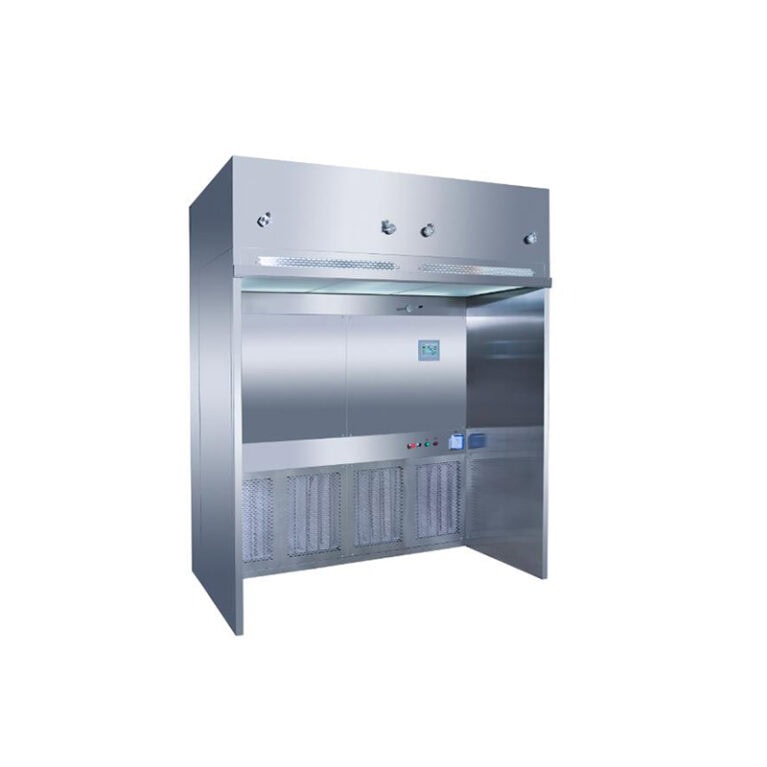
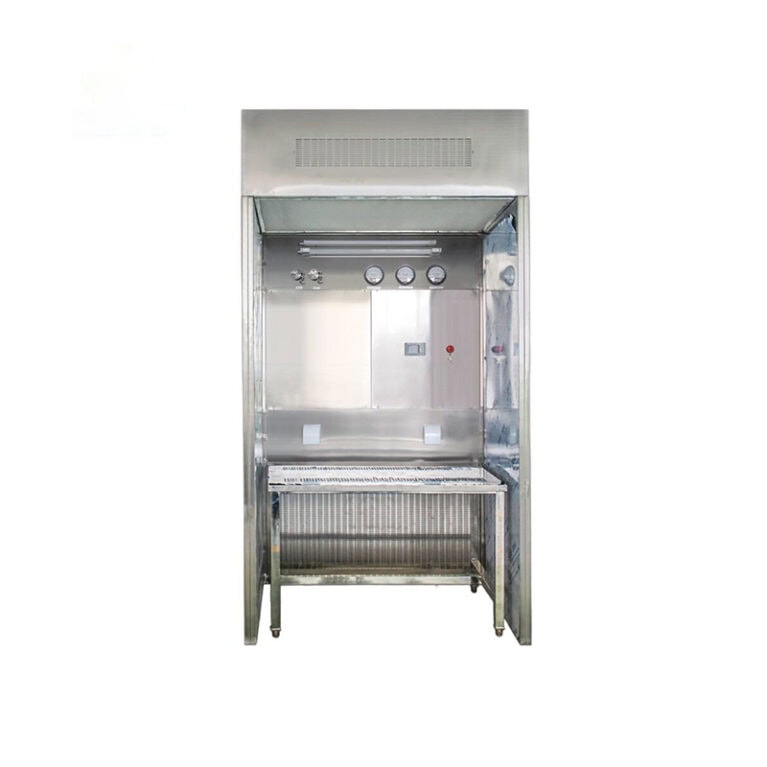
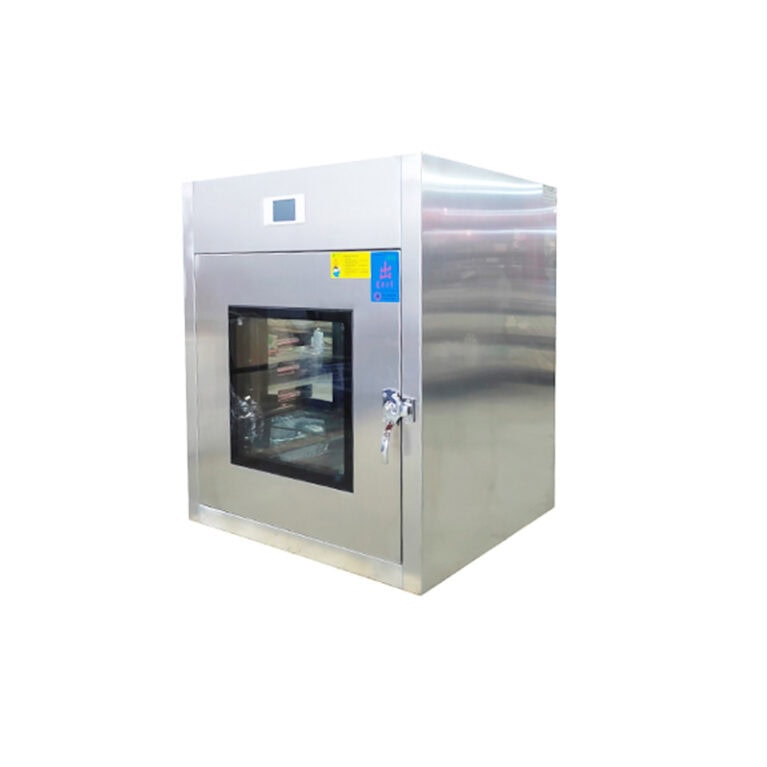
The construction cost of the negative pressure weighing room is in the medium to high range, while the maintenance cost is relatively controllable. The overall cost is directly related to the equipment specifications, technical configuration, and usage frequency. Specifically, it can be broken down into two parts:
I. Construction Cost: The initial investment is relatively high, and there are three core influencing factors
The hardware configuration of the equipment determines the basic cost
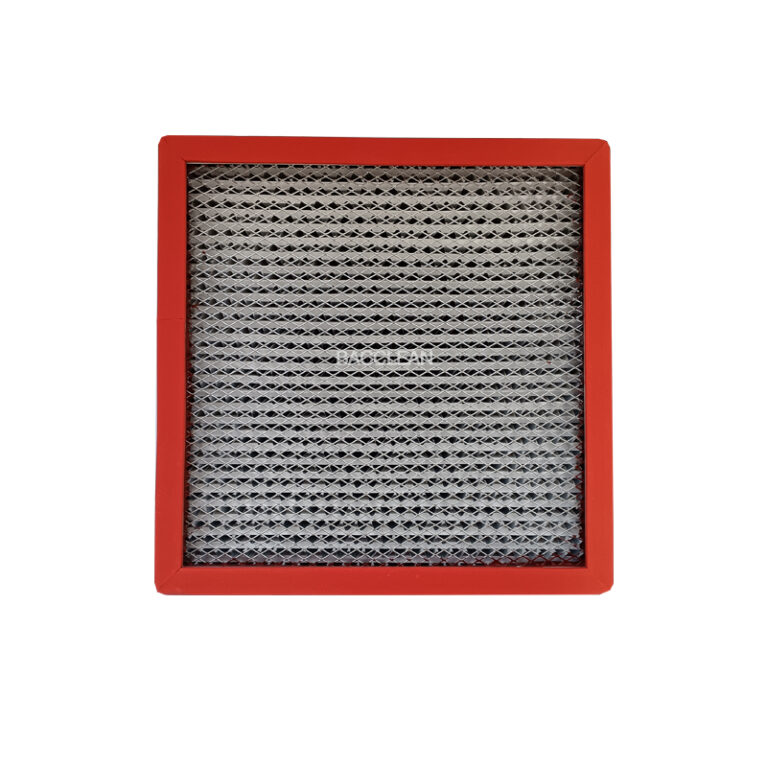
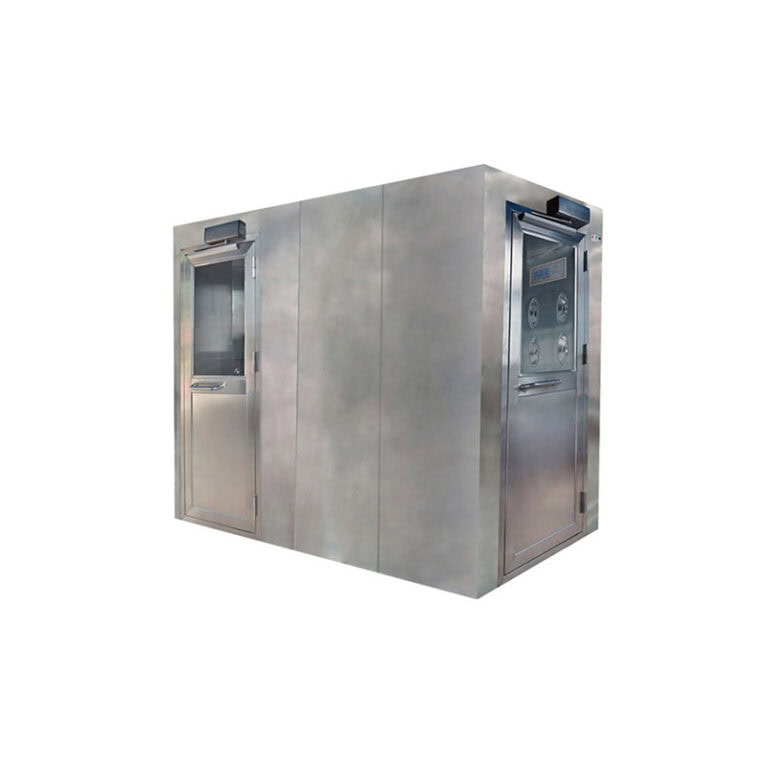
The core components of the negative pressure weighing chamber include high-efficiency filtration systems (HEPA/ULPA), fan units, airflow control systems, differential pressure monitoring devices, stainless steel operation chambers, etc. The precision and quality of these components directly increase the cost.
Conventional small and medium-sized weighing rooms (suitable for small-batch raw material weighing in pharmaceutical factories) : The construction cost is usually between tens of thousands and hundreds of thousands of yuan.
Large-scale customized equipment (suitable for highly active materials and multi-station operation, and must comply with EU GMP/US FDA standards) : The cost can reach several hundred thousand yuan, with the main differences lying in additional configurations such as sealing performance, intelligent control systems, and explosion-proof design.
The cost of installation and compliance certification cannot be ignored
The negative pressure weighing room used in the pharmaceutical factory must meet the GMP certification requirements. During installation, on-site air flow testing, pressure difference adjustment, and cleanliness detection are required. It also needs to be connected to the ventilation system of the clean area in the workshop. The cost of this part of the engineering service accounts for approximately 10% to 20% of the total equipment price.
Additional costs for site renovation
If the original site of the workshop does not meet the installation conditions (such as limited space or mismatched ventilation interfaces), wall renovation, pipeline laying, etc. will be required, which will further increase the construction cost.
Ii. Maintenance Costs: Long-term investment is controllable, and core expenditures are concentrated in two aspects
The replacement of core consumables is the main expense
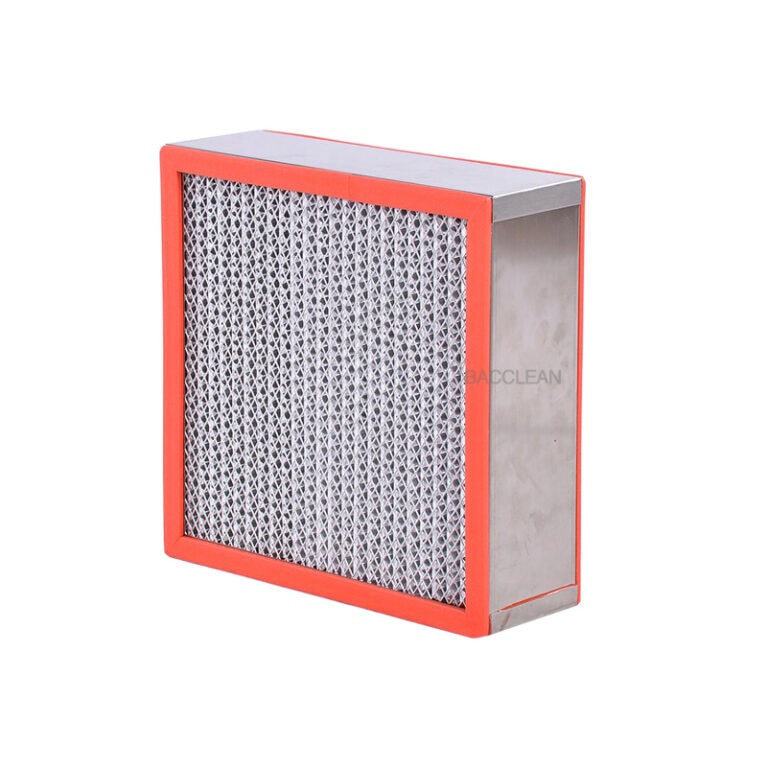
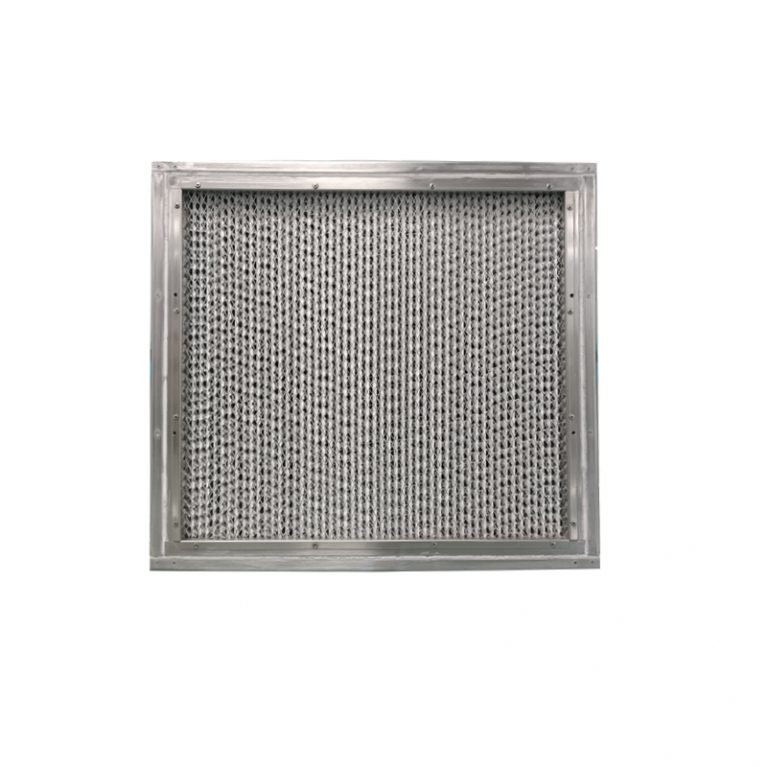
High-efficiency filters (HEPA) : They are core consumables for maintenance, with a service life typically of 1 to 2 years (depending on the dust concentration of the raw materials and the frequency of use), and the replacement cost accounts for approximately 5% to 10% of the total equipment price.
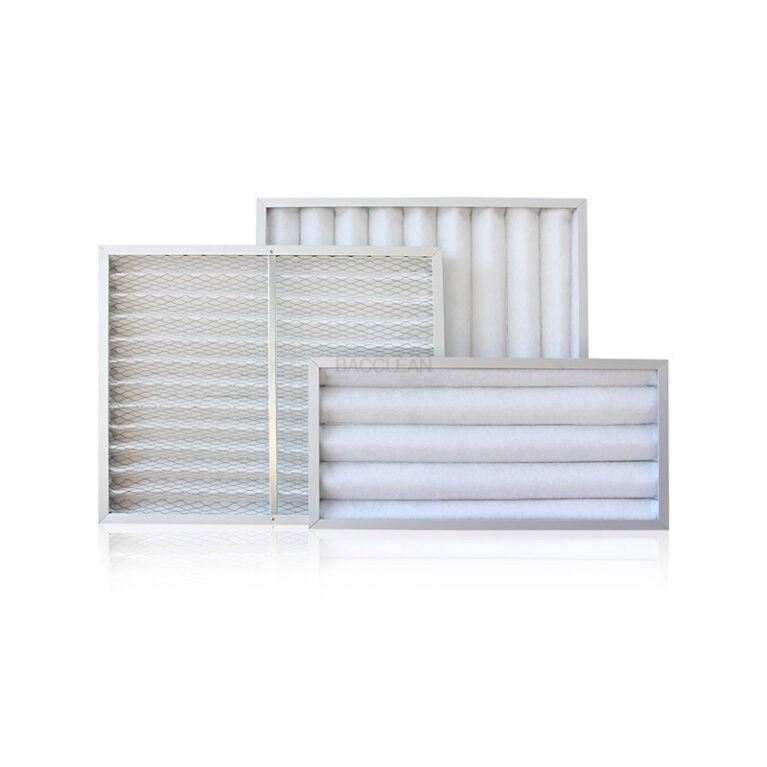
Primary/medium efficiency filters: As pre-filters, they need to be replaced every 3 to 6 months. The cost per set is relatively low and they are considered regular consumption.
The daily operation and maintenance as well as inspection costs are relatively low
Regular inspection: It is necessary to check the operating status of the fan, the accuracy of the differential pressure gauge and the air flow velocity every month. The labor cost is relatively low.
Annual calibration and testing: Every year, a third party needs to be entrusted to conduct cleanliness, negative pressure value, and leakage rate tests. The cost is usually several thousand yuan, which is a necessary expense to ensure compliance.
Energy consumption cost: The continuous operation of the fan will generate electricity charges, but as the equipment is mostly used intermittently (only turned on during weighing), the overall energy consumption is much lower than that of the central clean system in the workshop.
Iii. Cost Comparison: Outstanding long-term cost performance
Although the initial construction cost is not low, compared with potential risks such as product scrapping due to cross-contamination, GMP non-compliance penalties, and compensation for health damage to operators, the investment in a negative pressure weighing room is a necessary compliance and safety investment. In addition, high-quality equipment (such as models equipped with intelligent filter life warning and low-energy consumption fans) can further reduce long-term maintenance costs and enhance cost performance.