I will provide you with a detailed, accurate, and complete cost breakdown for the replacement of high-efficiency filters in the cleanroom industry, which can be directly used for budgeting, procurement, and cost analysis. This breakdown excludes any fictitious items and is clear and easy to understand.
Cost of high-efficiency filter replacement = Explicit cost + Implicit cost
I. Explicit cost (money spent directly)
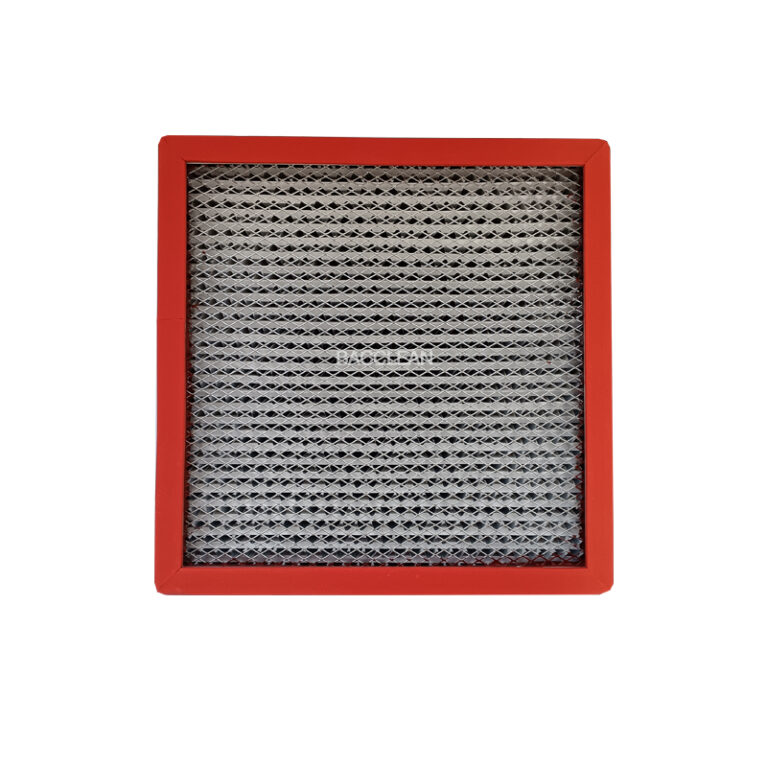
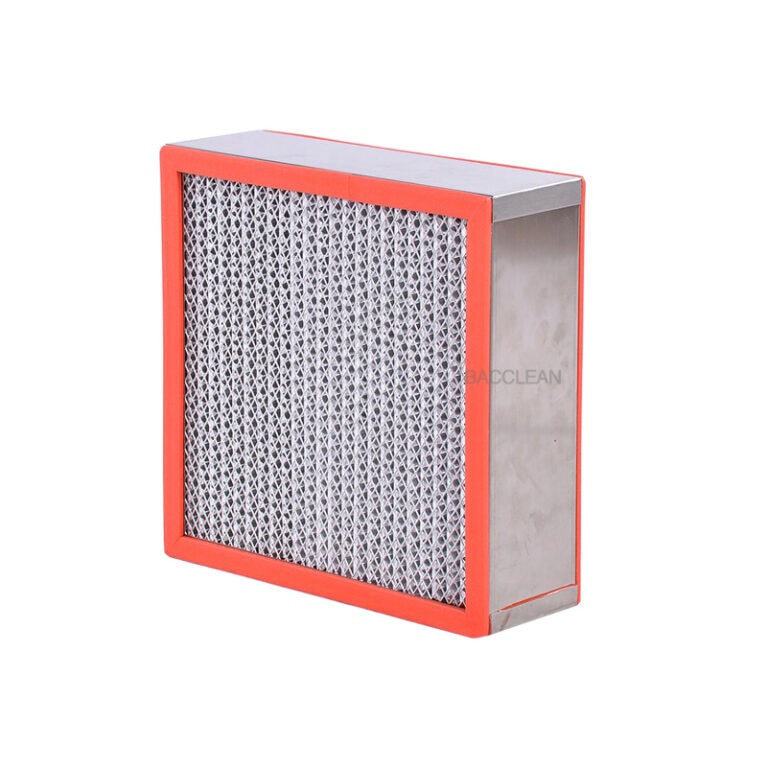
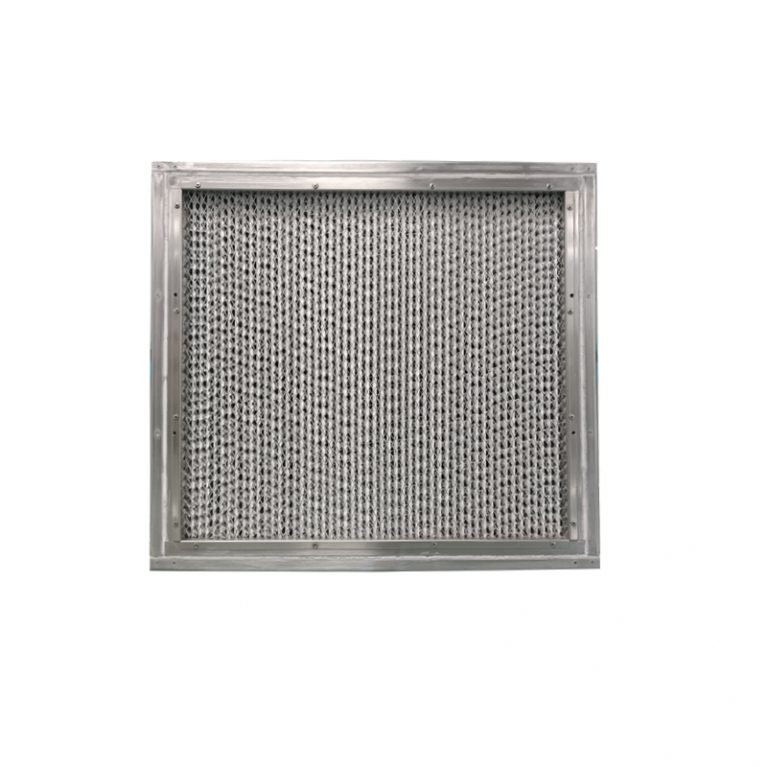
Purchase cost of high-efficiency filters
Unit price of HEPA/ULPA filters
Prices vary depending on size, air volume, and grade
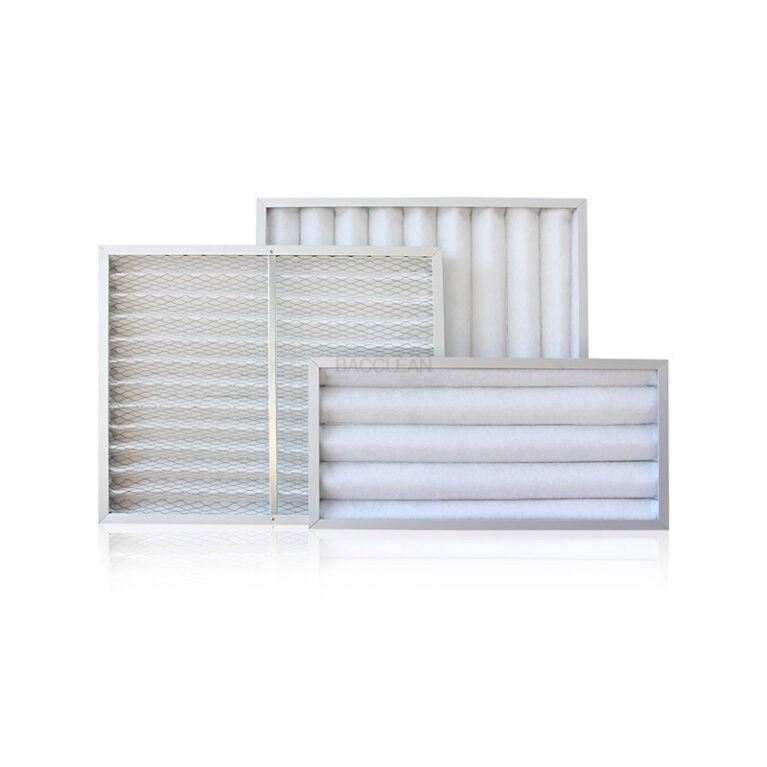
Replacement cost of pre-filter
Initial efficiency G4
Intermediate efficiency F8/F9
(Generally, it is recommended to replace the intermediate efficiency filters simultaneously)
Labor cost
Air conditioning maintenance workers / Cleanroom engineers
On-site quality control / QA supervision
Cost of testing instruments and consumables
PAO/DOP leak detection consumables
Use and calibration of spectrophotometer
Verification / testing costs
Leak detection test
Re-measurement of cleanliness (particle counting)
Re-adjustment of pressure difference and air volume
II. Implicit cost (easily overlooked but actually exists)
Loss due to downtime / production halt
The need to shut down / adjust the air conditioning system during replacement
Production interruption, batch waiting, and capacity decline
Cleanroom cleaning and disinfection costs
Dust from the removed air intakes, requiring re-cleaning, disinfection, and wiping
Risk costs
Leakage due to improper replacement, rework
Non-compliance with cleanliness standards, deviation handling, GMP rectification
Management and document costs
Changes, SOP revisions, record filling, and archiving
Supplier audits, acceptance, and warehousing
III. Simplest summary (can be directly reported)
Total cost of a set of high-efficiency filters =
Equipment cost + Pre-filter material cost + Labor cost + Testing cost + Implicit costs such as downtime / cleaning / verification etc.