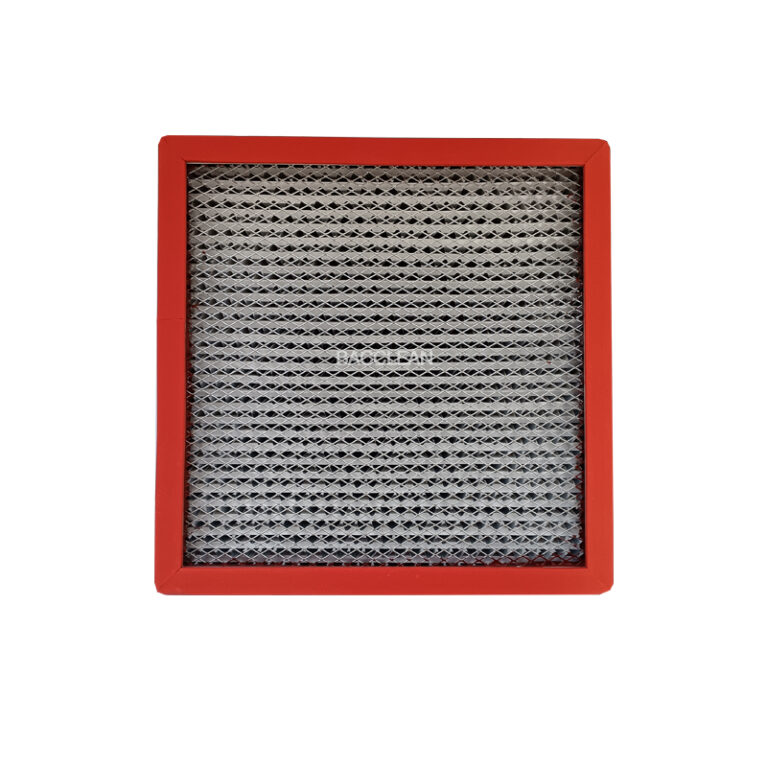
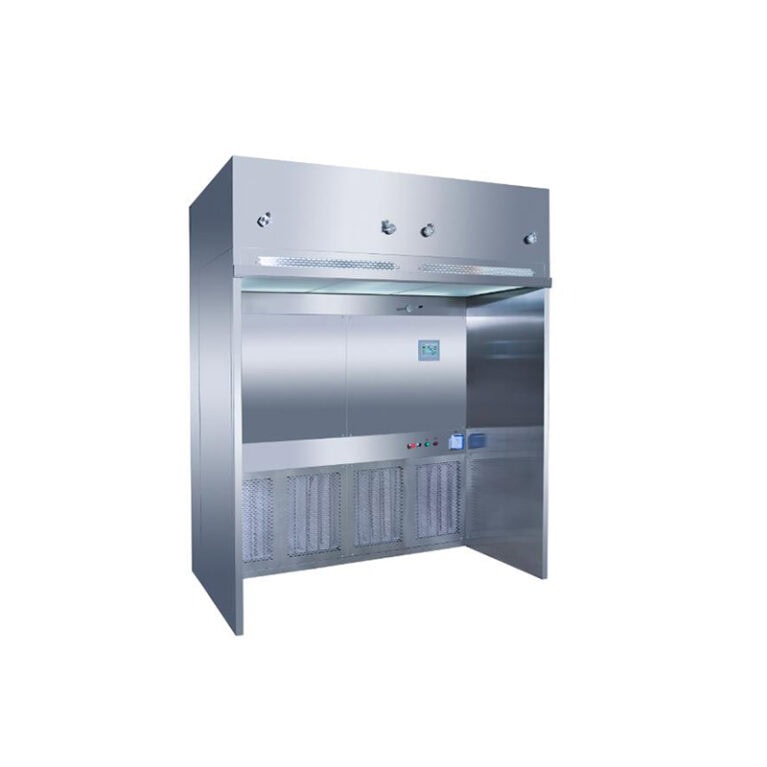
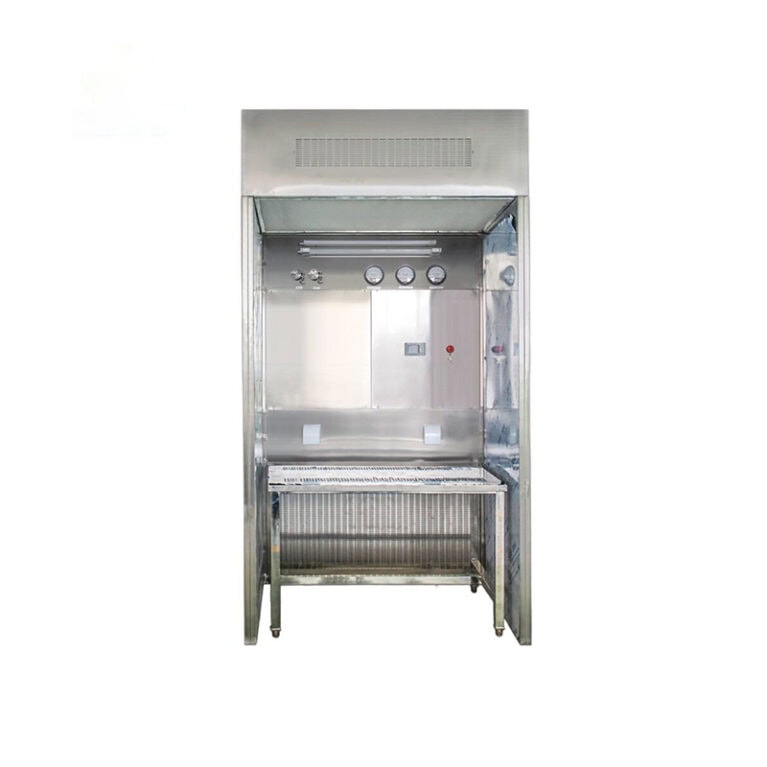
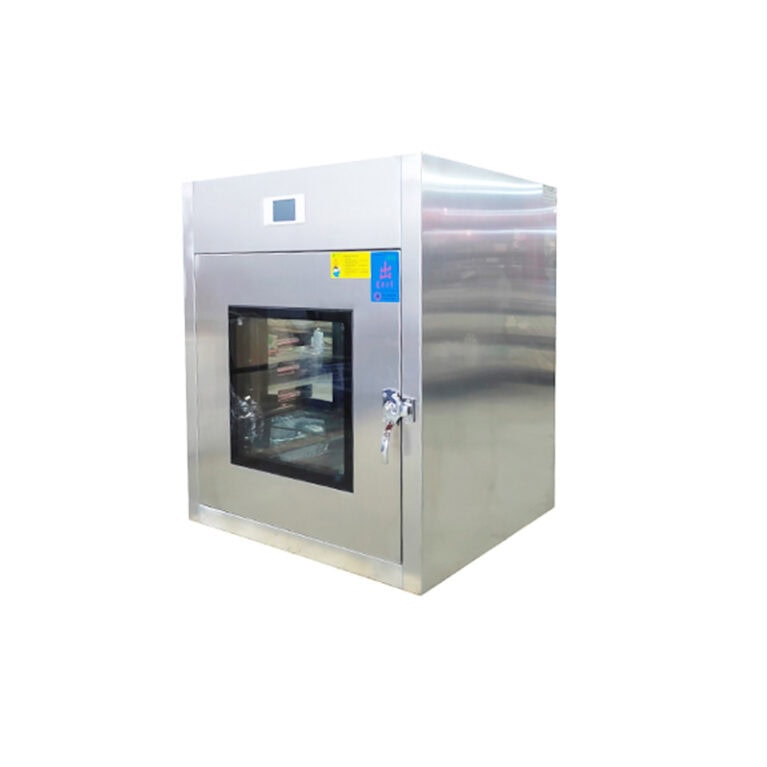
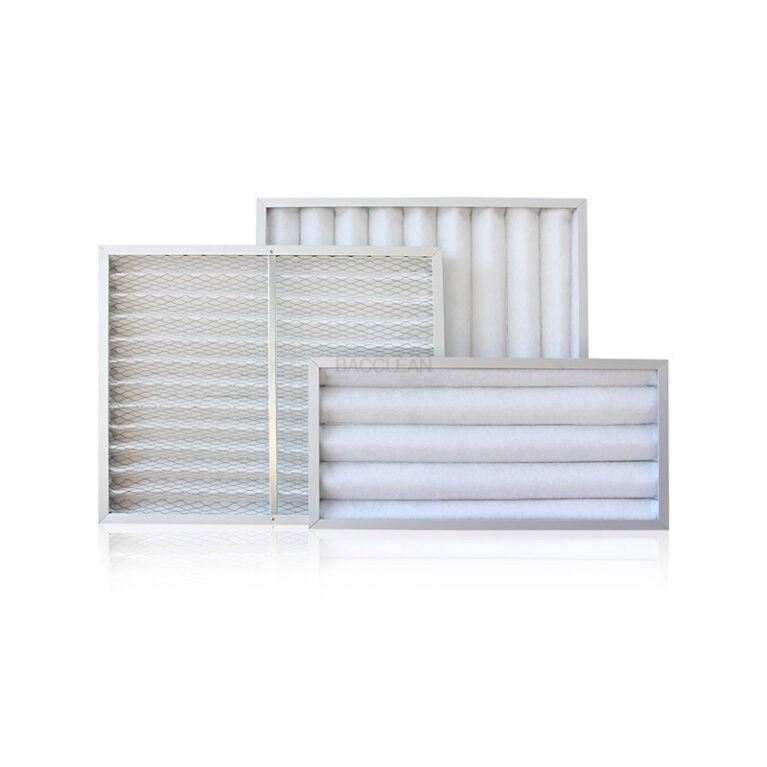
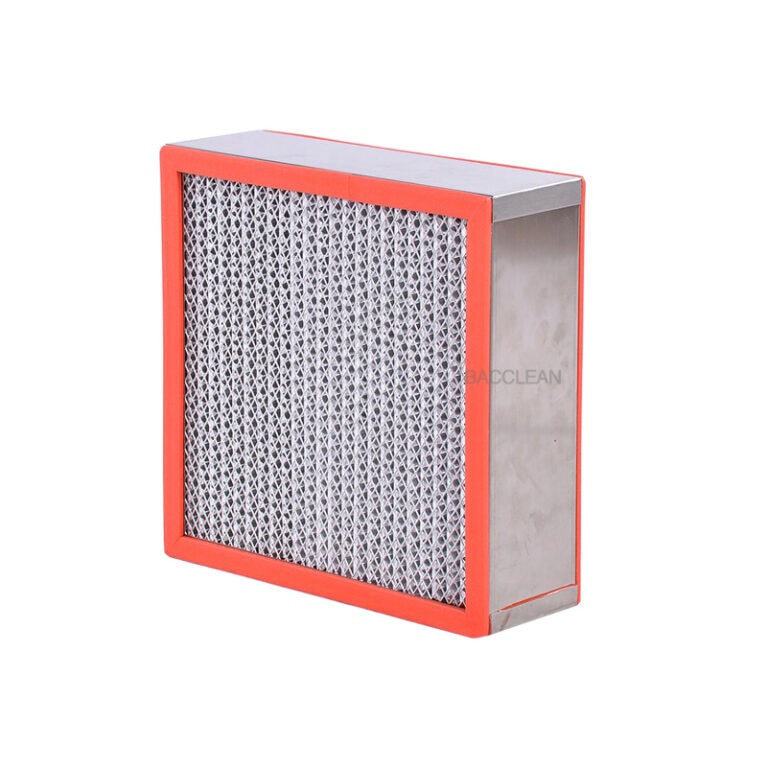
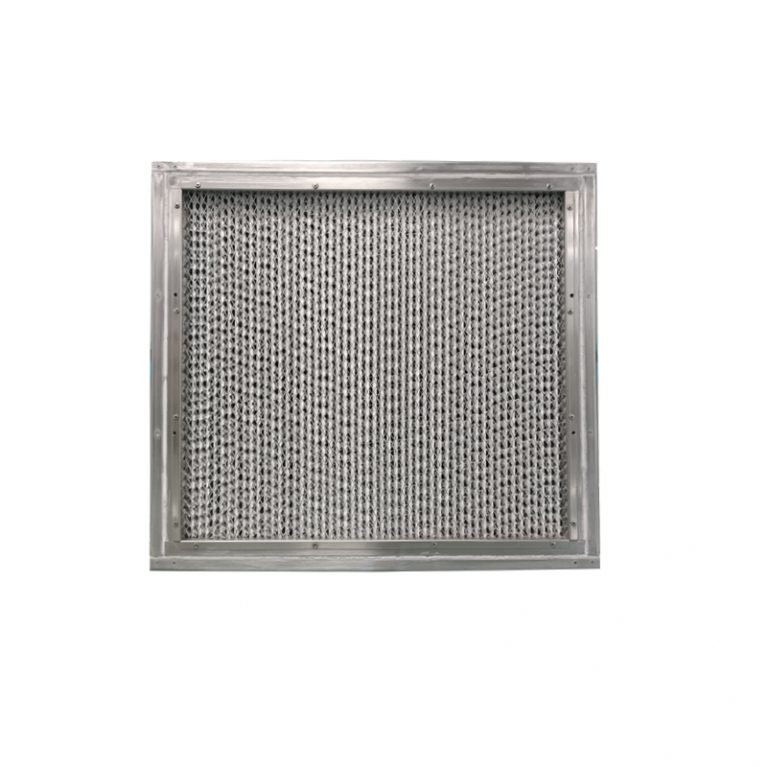
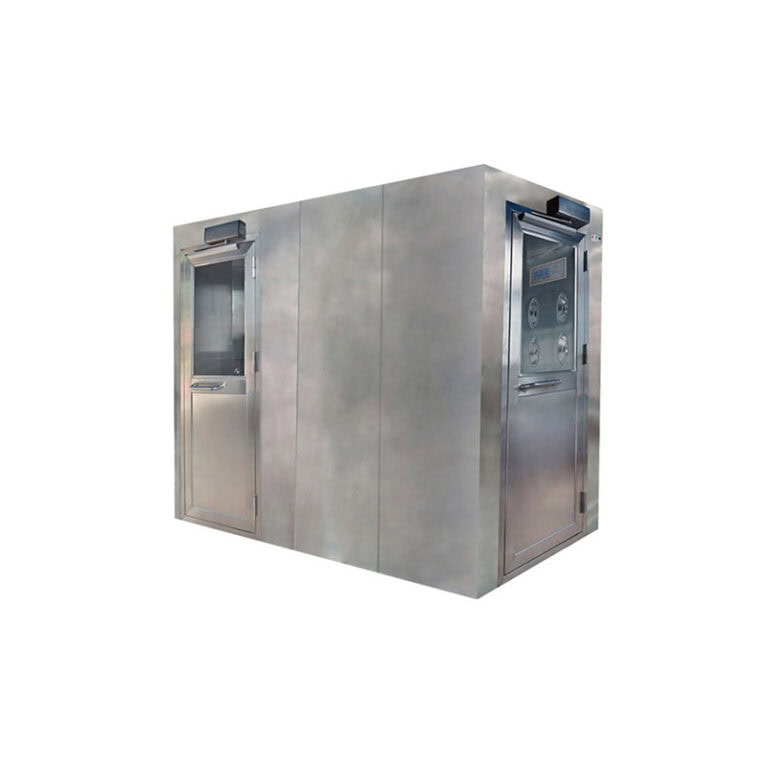
The air purification and disinfection machine is a device that integrates air purification and sterilization and disinfection functions. With its comprehensive treatment capabilities for particulate matter, harmful gases, and microorganisms, it is widely used in multiple fields such as medical and health care, public buildings, industrial production, and family life. The specific classification and application scenarios are as follows
1. Medical and health care field
This is one of the core application scenarios of air purification and disinfection machines, with extremely high requirements for the sterilization efficiency and cleanliness level of the equipment.
Hospital departments: operating rooms, icus, neonatal wards, fever clinics, infectious disease wards, etc., can effectively remove bacteria, viruses (such as influenza virus, novel coronavirus), and fungal spores in the air, reducing the risk of cross-infection. General wards and outpatient clinics are used to improve the medical environment and reduce the infection probability for both patients and medical staff.
Affiliated areas of medical institutions: pharmacies, laboratories, sterile wards, and temporary storage rooms for medical waste, to prevent the spread of bacteria and contamination of drugs and samples.
Other medical scenarios: community clinics, dental clinics, and vaccination sites provide clean and safe treatment Spaces for both medical staff and patients.
2. Public buildings and crowded places
Such scenarios have a large flow of people and complex air circulation, making them prone to become hotspots for the spread of germs and the accumulation of pollutants.
Transportation hubs: Airport waiting halls, high-speed railway station waiting rooms, subway carriages and platforms, long-distance bus stations. Remove dust and exhaust particulate matter, and at the same time eliminate bacteria carried by human flows.
Commercial premises: shopping malls, supermarkets, office buildings, hotel lobbies, restaurants. Improve indoor air quality to enhance the comfort and health security of both customers and employees.
Educational institutions: School classrooms, libraries, dormitories, and activity rooms in kindergartens. In light of the relatively weak immunity of children and teenagers, efforts should be made to reduce the spread of infectious diseases such as influenza and hand-foot-mouth disease.
Cultural and sports venues: cinemas, theaters, gymnasiums, and fitness centers, to solve the problems of air pollution, unpleasant odors, and bacterial growth in confined Spaces.
3. Industrial production field
It is mainly used to meet the process requirements for clean air in industrial production or to handle the polluted gases produced during the production process.
Cleanroom: Electronic component manufacturing, semiconductor chip production, and precision instrument processing workshops. It is necessary to strictly control the particulate matter and microorganisms in the air to avoid affecting product accuracy and yield.
Pharmaceutical industry: Drug production workshops and aseptic preparation workshops, in compliance with GMP (Good Manufacturing Practice for Drugs) requirements, ensure the aseptic nature of the drug production environment.
Food processing industry: baking workshops, dairy product production workshops, cooked food packaging workshops, to prevent bacteria and mold in the air from contaminating food and extend the shelf life of food.
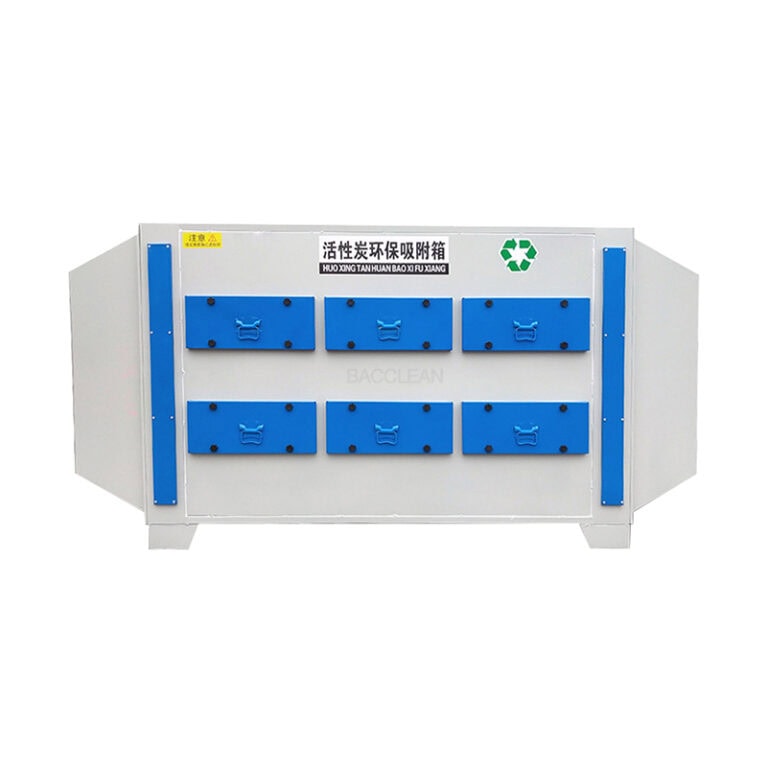
Chemical and manufacturing industries: Handle harmful gases (such as formaldehyde and benzene series substances) and dust generated during the production process to protect the respiratory health of front-line employees.
4. Home and office scenarios
To address indoor air pollution and meet the daily need for healthy breathing.
Home environment: After the new house is renovated, remove formaldehyde and benzene, and reduce the impact of pet hair, dust mites and mold spores. Families with the elderly, children, pregnant women or people with allergic constitutions can reduce the probability of respiratory diseases occurring.
Office Spaces: Offices, meeting rooms, and independent workstations. Improve the air circulation problem in the closed environment of air-conditioned rooms, and relieve discomfort such as dizziness and fatigue caused by formaldehyde, printer exhaust, and dense crowds.
5. Special fields
Laboratories: Biosafety laboratories, physical and chemical laboratories, handle harmful aerosols generated during experiments to protect the safety of laboratory personnel.
Elderly care institutions: Nursing homes, rehabilitation centers, improving the air quality of the living environment for the elderly and reducing the risk of respiratory infections.
In-vehicle scenarios: In-vehicle air purification and disinfection machine, used for the internal circulation environment of automobiles, to remove interior odors, formaldehyde, and kill bacteria in the air conditioning system.