
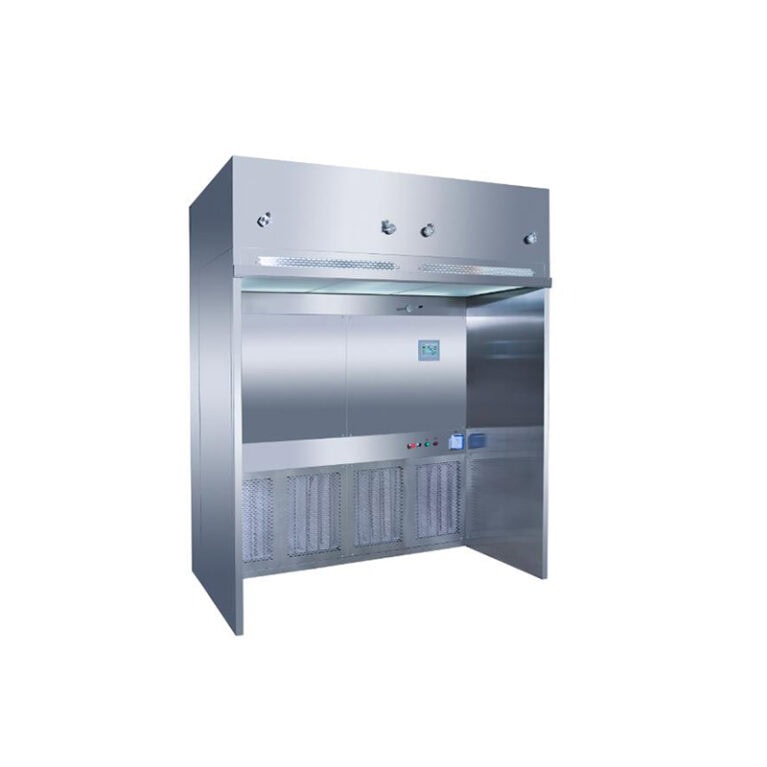
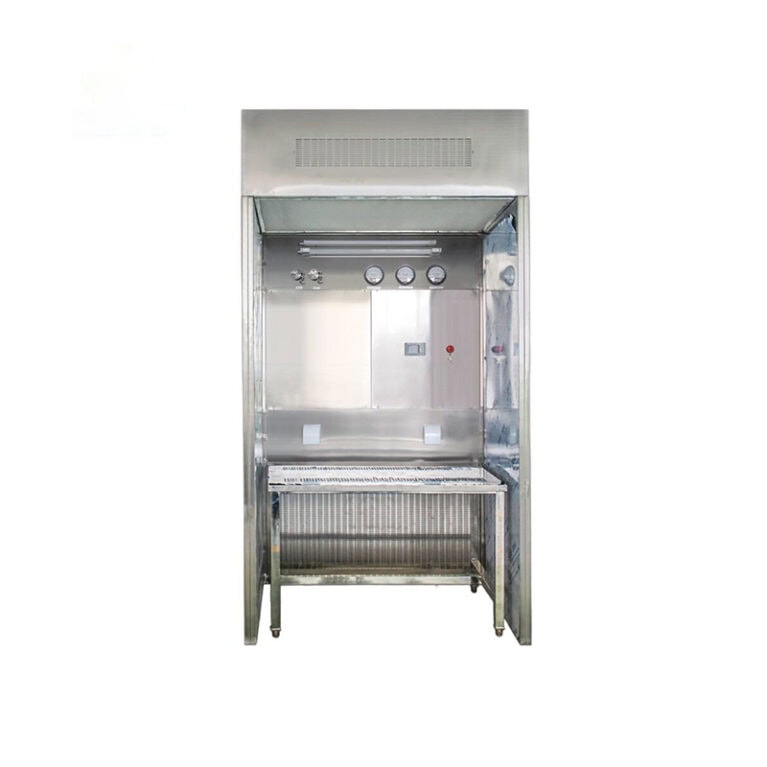
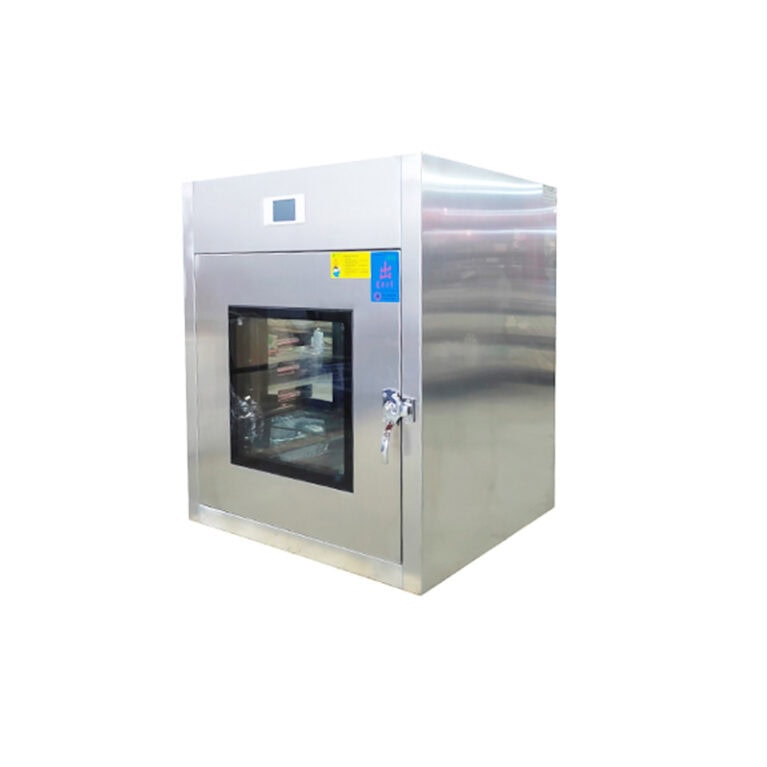
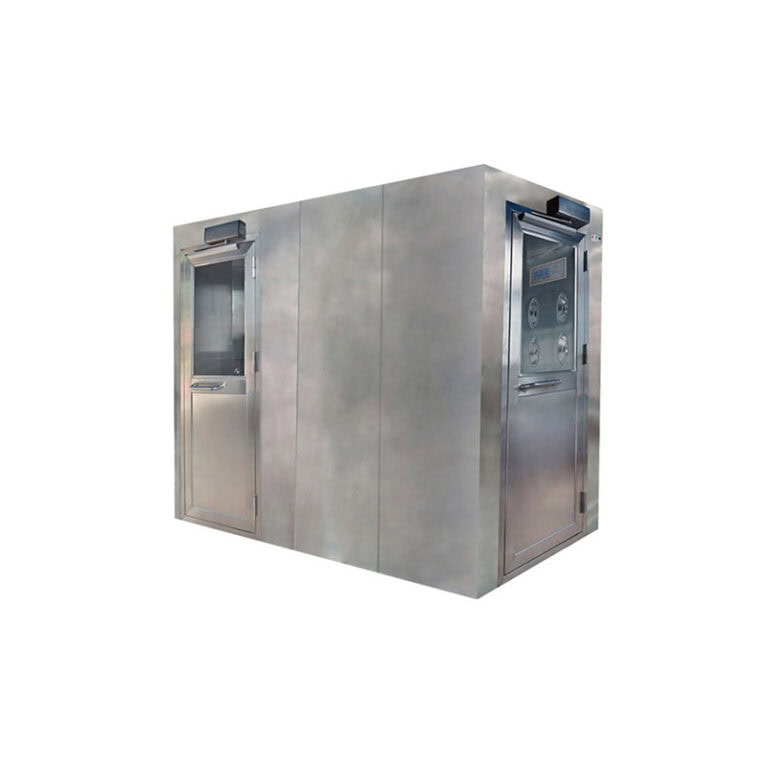
Laminar flow sampling vehicles are specialized equipment that provide a local 100-level clean environment. Through high-efficiency filtration and laminar flow air supply technology, they effectively reduce the risk of cross-contamination during sampling and the sampling process. They are widely used in fields with strict cleanliness requirements such as pharmaceuticals, biological products, food testing, and medical devices.
I. Daily Application Scenarios and Operation Norms
1. Core application scenarios
Pharmaceutical industry: Sampling of intermediate products for active pharmaceutical ingredients and preparations, and retention of finished products to ensure that the samples are not contaminated by environmental microorganisms and particulate matter, and meet the requirements of GMP (Good Manufacturing Practice for Drugs).
Biological laboratory: Packaging and sampling of cell culture media and strain samples to prevent the invasion of miscellaneous bacteria and affect experimental results.
Food testing: Sample collection and pretreatment of sterile food and health products to ensure the accuracy of testing data.
Medical devices: Sampling and random inspection of sterile devices to prevent quality misjudgment caused by sample contamination.
2. Standard operating procedures
Check before startup
Make sure the equipment is placed stably, the power cord is firmly connected, and there is no damage or aging.
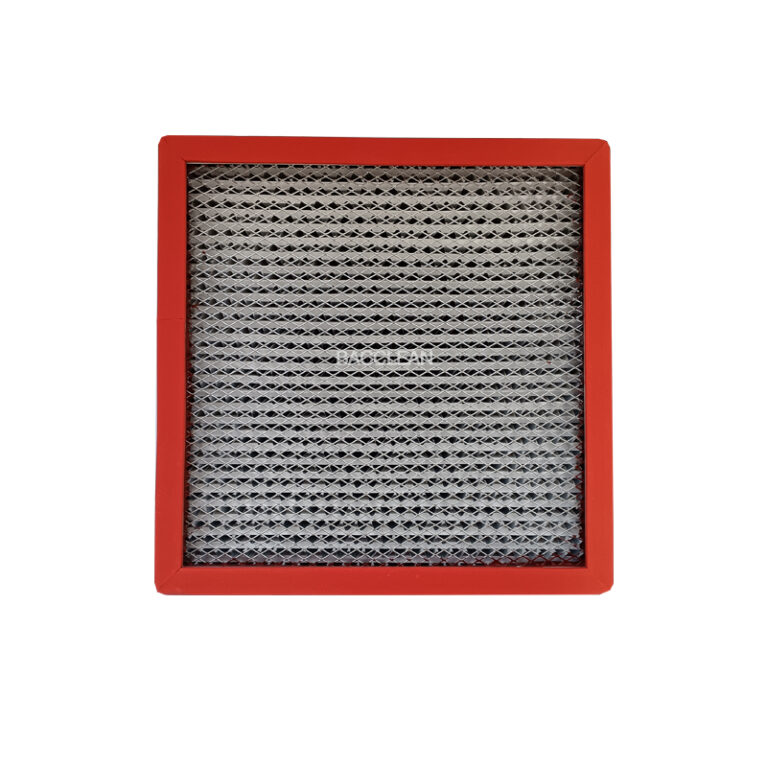
Check that the outlet of the high-efficiency filter is free from blockage and dust accumulation, and that the workbench surface is clean and dry.
Make sure the differential pressure gauge (if equipped) is within the normal range to avoid a decrease in cleanliness due to filter blockage.
Start up and run
Connect the power supply, turn on the fan switch, set the operating wind speed (usually 0.36 to 0.54m/s), and run it no-load for 15 to 30 minutes. Wait until the clean environment stabilizes before proceeding with the operation.
If an ultraviolet disinfection lamp is equipped, it can be turned on for disinfection for 30 minutes before operation. After turning it off, ventilation should be carried out for 10 minutes before entering the operation to avoid the residual ultraviolet rays causing harm to the human body.
Sampling operation
Operators must wear clean suits, masks and gloves, and strictly abide by aseptic operation norms.
Samples and sampling tools must be sterilized before being placed on the workbench. During operation, avoid having your hands pass over the outlet of the high-efficiency filter to prevent airflow disturbance.
After sampling is completed, seal the sample container in time to prevent the sample from being exposed to a non-clean environment.
Shutdown operation
Clean up the remaining samples and consumables on the workbench surface, and turn off the fan and power supply.
If the equipment is not used for a long time, the main power supply should be cut off and the equipment should be covered with a dust cover.
Ii. Key Points for Daily Maintenance and Care
The maintenance core of laminar flow sampling vehicles is to ensure the performance of high-efficiency filters and maintain the stability of laminar flow. Specifically, it is divided into three parts: daily cleaning, regular maintenance, and troubleshooting.
1. Daily cleaning (daily/after each use)
Workbench surface: Wipe with 75% medical alcohol or a special cleaning disinfectant to remove residual stains and prevent the growth of microorganisms.
Equipment casing: Wipe with a clean damp cloth. Do not use corrosive cleaning agents.
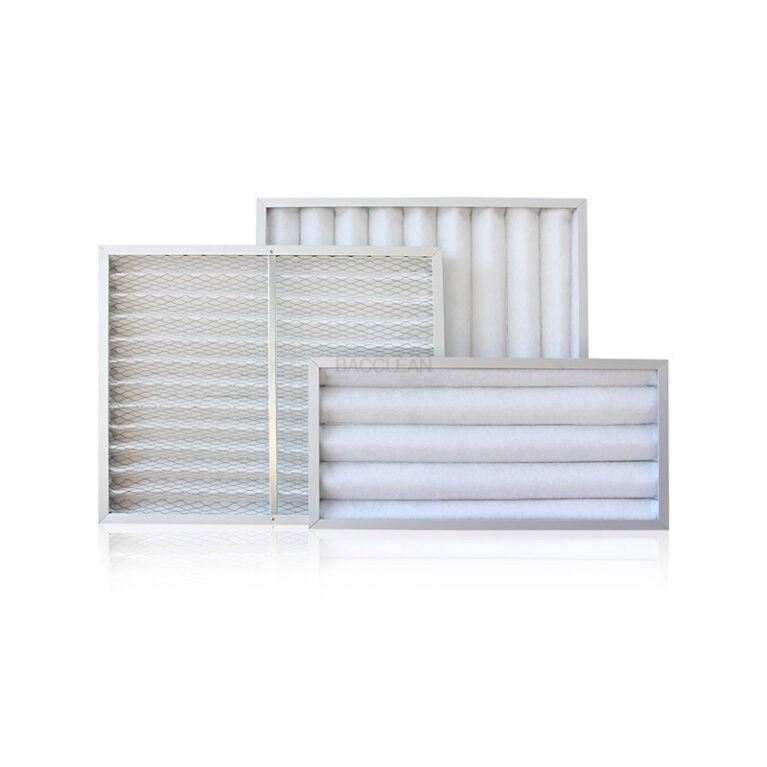
Pre-filter (primary filter screen) : After removal, rinse with clean water or vacuum cleaner to remove dust. Dry it and reinstall it to prevent dust from entering the high-efficiency filter and extend its service life.
2. Regular maintenance (carried out periodically)
| Maintain the project | Maintenance cycle | Contenido de mantenimiento |
| Replacement/cleaning of the primary filter | One to two months | If the air volume still decreases and the pressure difference still increases after cleaning, it should be replaced in time |
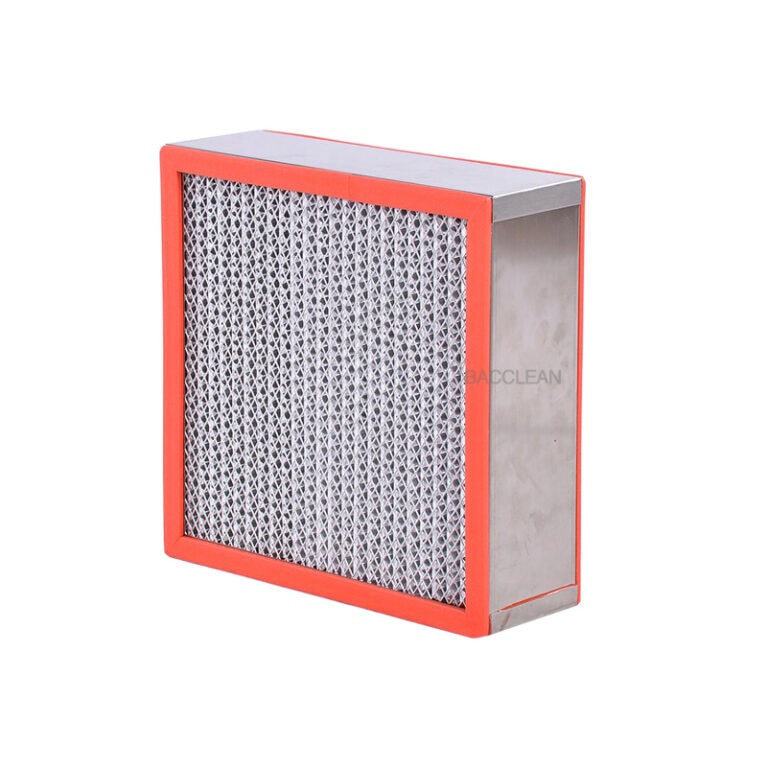
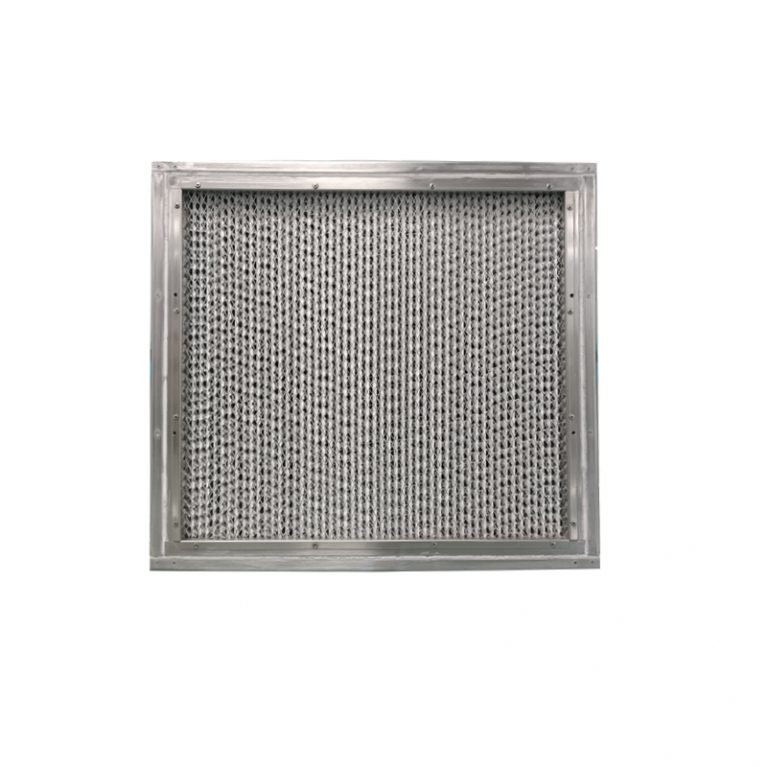
| Detection of High-efficiency filters | Six months | The cleanliness of the air outlet is detected by using a dust particle counter. If it fails to meet the 100-level standard, it needs to be replaced |
| Replacement of high-efficiency filters | 1 to 2 years (or as indicated by the differential pressure gauge) | When the reading of the differential pressure gauge exceeds twice the initial differential pressure, replace the high-efficiency filter immediately. When replacing, pay attention to sealing to prevent air leakage |
| Fan maintenance | One year | Check if there is any abnormal noise or vibration during the operation of the fan. Add lubricating oil in time. If there is a fault, contact the manufacturer for repair |
| Electrical system inspection | One year | Check whether the power cord, switch and indicator light are normal to avoid short circuit or poor contact |
3. Troubleshooting Common Faults
| Fenómeno de fallo | Motivos posibles | Solution measures |
| The air volume has decreased and the cleanliness does not meet the standards | The primary/high-efficiency filters are clogged | Clean the primary filter and inspect or replace the high-efficiency filter |
| There is an abnormal noise from the operation of the fan | The bearings of the fan are short of oil or worn | Add lubricating oil. Replace the fan in severe cases |
| The ultraviolet lamp is not working | The lamp tube is aged or has poor contact | Replace the ultraviolet lamp tube and check the circuit connection |
| There is no reading on the differential pressure gauge | The differential pressure gauge is faulty or the connecting pipeline is blocked | Calibrate the differential pressure gauge and clean the connecting pipelines |
4. Maintenance Precautions
When replacing the high-efficiency filter, the operation should be carried out in a clean environment to avoid the filter being exposed to dust.
During the maintenance process, it is strictly prohibited to disassemble the core components of the equipment (such as fans and filter frames). If in-depth repair is required, please contact the professional personnel of the manufacturer.
Establish a maintenance ledger to record the time and situation of each cleaning and replacement for easy traceability.
Iii. Safety and Usage Taboos
The equipment must be reliably grounded to prevent the accumulation of static electricity.
Do not place heavy objects on the equipment to prevent the tabletop from deforming and affecting the airflow.
When the ultraviolet disinfection lamp is turned on, no one is allowed to enter the operation area to prevent the skin and eyes from being burned by ultraviolet rays.
Avoid using the equipment in high-temperature, high-humidity and dusty environments, otherwise it will accelerate the aging of components.
