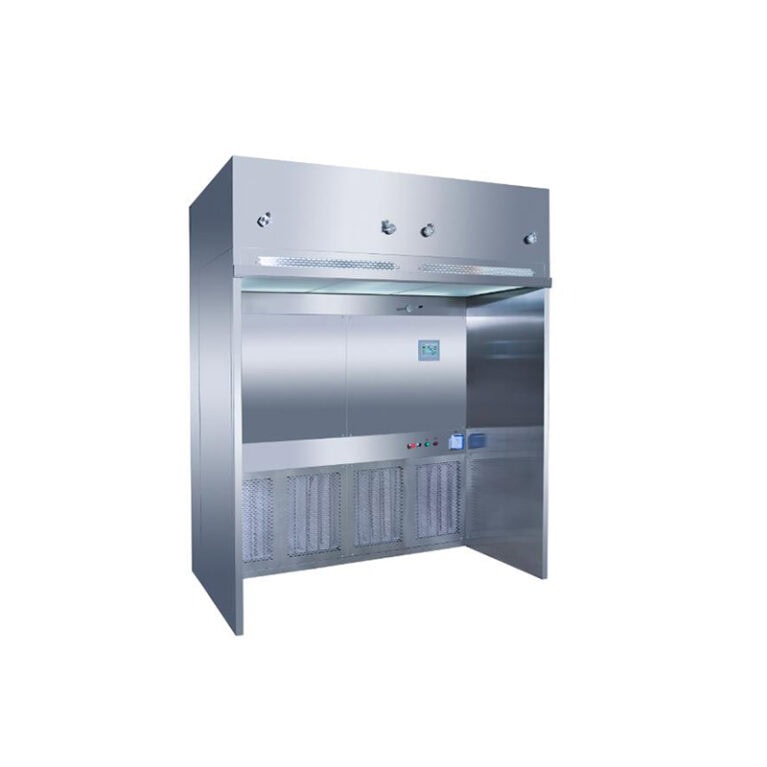
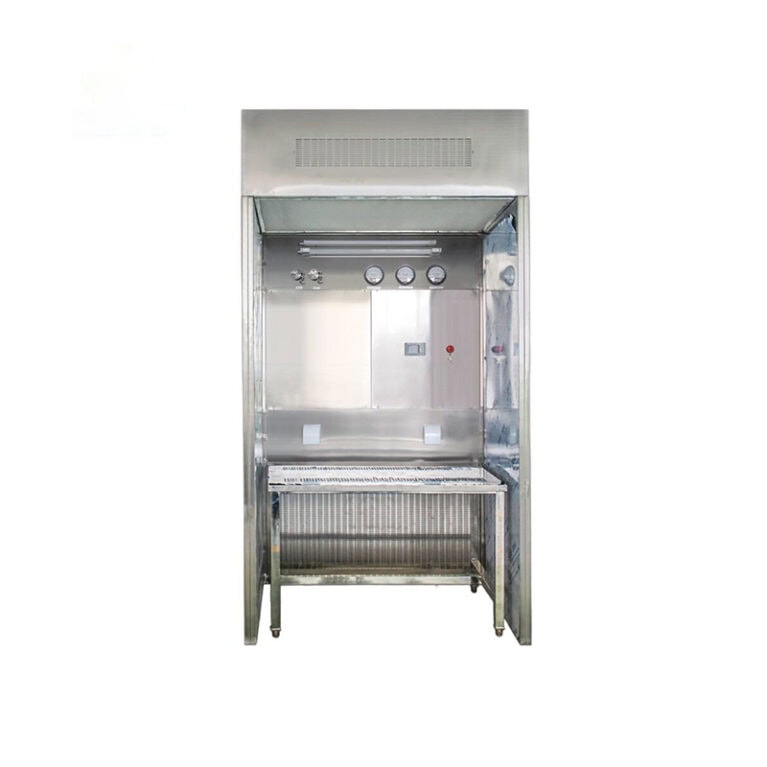
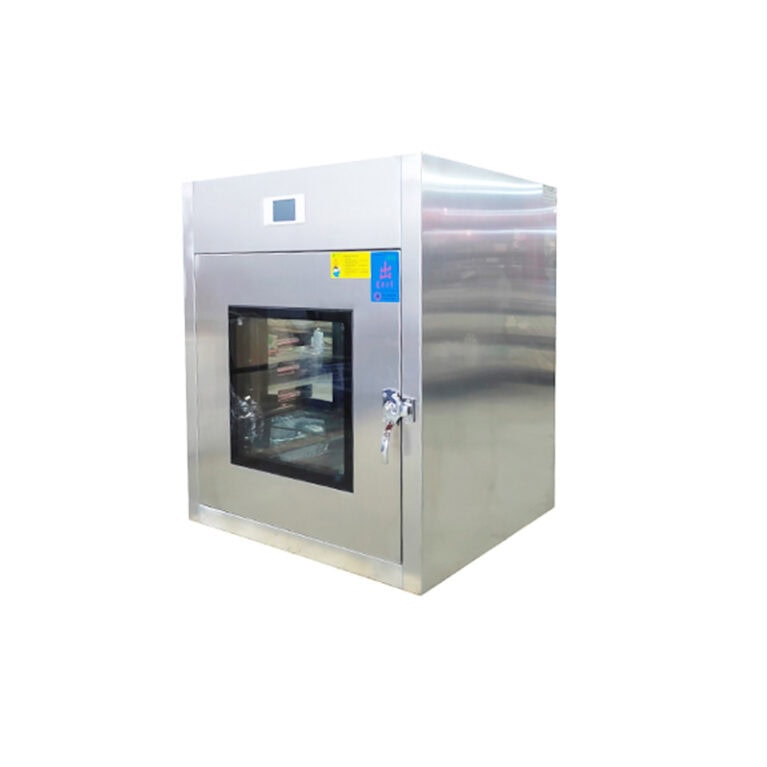
Based on the practical operation standards of the purification equipment industry and the years of project experience of Bailun Purification, the following systematically sorts out the precautions for negative pressure weighing chambers and laminar flow hoods from two aspects: core installation requirements and key maintenance points. It takes into account both professionalism and practicality to help the equipment operate stably and extend its service life
I. Installation Precautions (Disassembly by equipment)
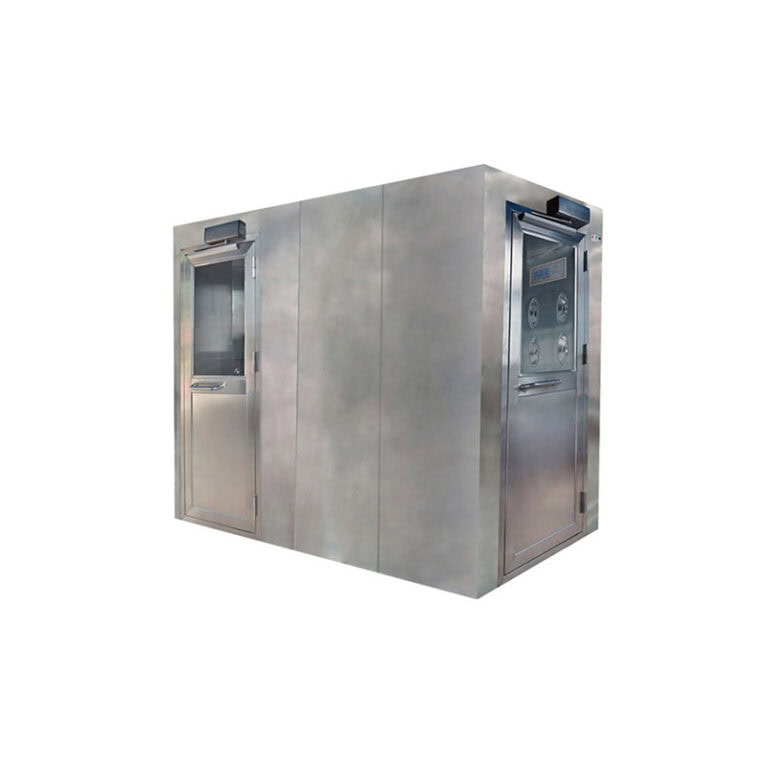
(1) Negative Pressure Weighing Chamber: Emphasizing “sealing performance + pressure difference stability + compliance”
Installation environment requirements
The placement area should be flat and solid, with a ground load-bearing capacity of no less than 500kg/㎡ (to avoid vibration during equipment operation), and a maintenance space of no less than 80cm should be reserved around it (to facilitate the inspection and repair of filters, fans and other components).
Stay away from workshop doors and Windows, air outlets and pedestrian passages to prevent external air flow from interfering with the negative pressure balance and avoid cross-contamination of dust.
Sealing and structural installation
The connection points between the box body and the floor and wall should be filled with sealant (such as silicone sealant) to ensure there are no gaps (gaps will cause negative pressure leakage and affect the protective effect).
The workbench surface should be installed horizontally with an error of no more than ±2mm and firmly fixed to the box (to prevent material spillage and equipment vibration during weighing).
If it is an explosion-proof negative pressure weighing room, it is necessary to ensure that the installation of explosion-proof motors, junction boxes, pipelines and other components complies with the “Code for Design of Electrical Installations in Explosive Hazardous Areas” (GB 50058), and the grounding resistance is ≤4Ω.
Airflow and pressure difference debugging
After installation, the frequency of the fan needs to be adjusted to ensure that the air flow velocity in the working area reaches 0.36-0.54m/s (in compliance with GMP requirements), and the air flow is uniform without vortices.
By calibrating the differential pressure sensor, the pressure difference between the indoor area and the adjacent area is stabilized at ≤-10Pa (as per the conventional requirement), and a differential pressure alarm threshold is set (such as an alarm when the pressure difference deviates from ±2Pa).
Check the sealing of the return air channel and the filtration system to prevent air flow short circuit (which may affect the dust filtration effect).
Connection of supporting systems
If it is necessary to connect to the exhaust system, it is essential to ensure that the resistance of the exhaust pipeline matches (to avoid affecting the negative pressure due to excessive resistance), and that the connection points of the pipeline are well sealed.
Electrical wiring should be operated by professionals to ensure reliable grounding and compliance with insulation standards. Explosion-proof equipment needs to be wired separately to avoid being mixed with ordinary circuits.
(2) Laminar flow hood: Emphasizing “airflow uniformity + cleanliness guarantee + installation stability”
Installation environment requirements
When installed by suspension, the ceiling load-bearing capacity should be no less than 1.5 times the weight of the equipment (to prevent detachment), and the installation position should be far away from air vents and obstacles (to prevent air flow interference).
The placement area should be dry and clean, avoiding environments with excessive dust (to reduce the frequency of clogging of the primary filter), and reserve at least 50cm of maintenance space around it.
Structural installation and level calibration
The suspended laminar flow hood needs to be fixed to the ceiling load-bearing structure through expansion bolts to ensure a firm installation without shaking (vibration will affect the uniformity of the airflow).
After the equipment is installed, the levelness needs to be calibrated. The levelness error should be ≤±1mm/m to prevent the local cleanliness from not meeting the standard due to the inclination of the airflow.
If it is a spliced laminar flow hood, it is necessary to ensure that the splicing point is well sealed and there is no air leakage (leakage will reduce the local cleanliness).
Air flow and cleanliness adjustment
Adjust the fan speed to ensure that the air flow velocity in the working area reaches 0.4-0.6m/s (conventional requirement), and the air flow uniformity is ≤±20% (detected by multiple points with an anemometer).
Calibrate the room and adjacent areas with a slight positive pressure (≥5Pa) to prevent the infiltration of unclean air from the outside.
After installation, a cleanliness test (such as particle counter test) should be conducted to ensure that the working area meets the Class 100 (ISO level 5) standard or above. If it is not up to standard, the airflow should be adjusted or the filter replaced.
Connection of supporting equipment
If a fresh air system is connected, the proportion of fresh air should be controlled (conventionally ≤30%) to avoid excessive positive pressure or unstable airflow due to excessive fresh air volume.
The electrical wiring must comply with the rated voltage and power requirements of the equipment. The grounding resistance should be no more than 4Ω to ensure the normal operation of the fan and control panel.
Ii. Maintenance Precautions (Disassembly by Equipment)
(1) Negative Pressure Weighing Chamber: Core Maintenance “Negative pressure Stability + Filtration System + Sealing Performance”
Daily maintenance (daily/weekly)
Check the reading of the differential pressure gauge every day to ensure that the negative pressure is within the set range. If the pressure difference is abnormal (such as a decrease in the negative value), it is necessary to investigate whether there is a seal leakage or a clogged filter.
Clean the workbench surface and the interior of the box every day. Use a lint-free cloth dipped in a special cleaner (avoid corrosive cleaners) to wipe and remove dust residues.
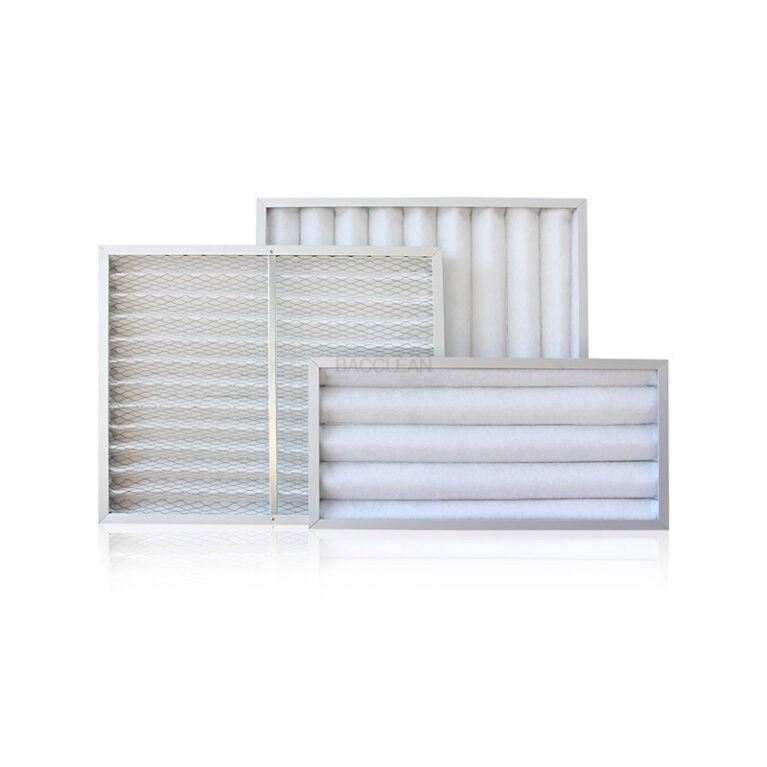
Check the operating status of the fan weekly (whether there is any abnormal noise or vibration), and clean the dust on the surface of the primary filter (for washable primary filters, regularly clean and dry them reinstall).
Regular maintenance (monthly/quarterly/annually)
Check the sealant for aging or peeling every month and reapply it in time. Check whether the sealing strip of the door body is damaged. If it is damaged, replace it in time (to ensure the sealing effect).
Check the air flow velocity and pressure difference stability every quarter. If the air flow velocity drops by ≥20%, the medium-efficiency filter needs to be replaced.
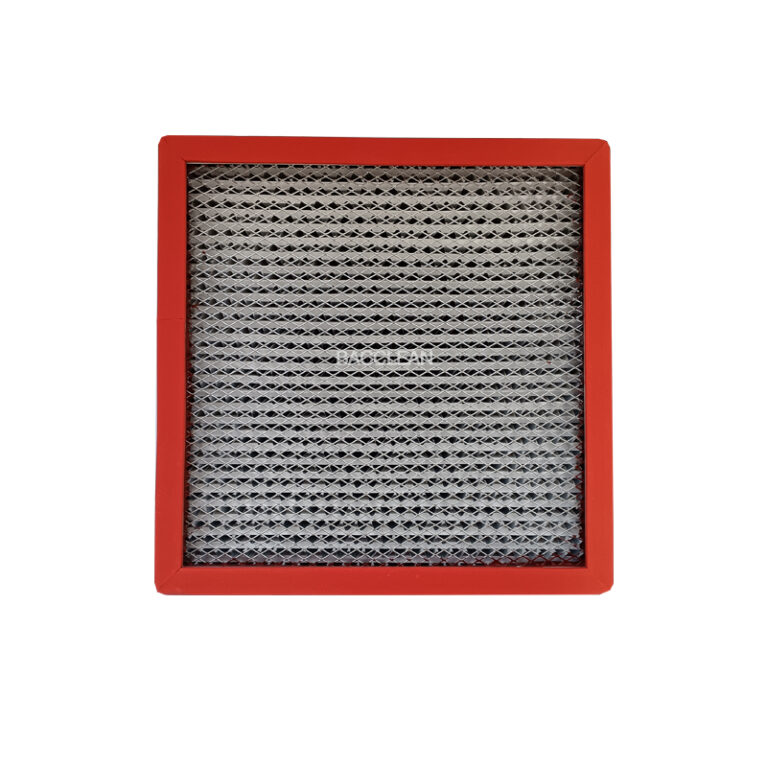
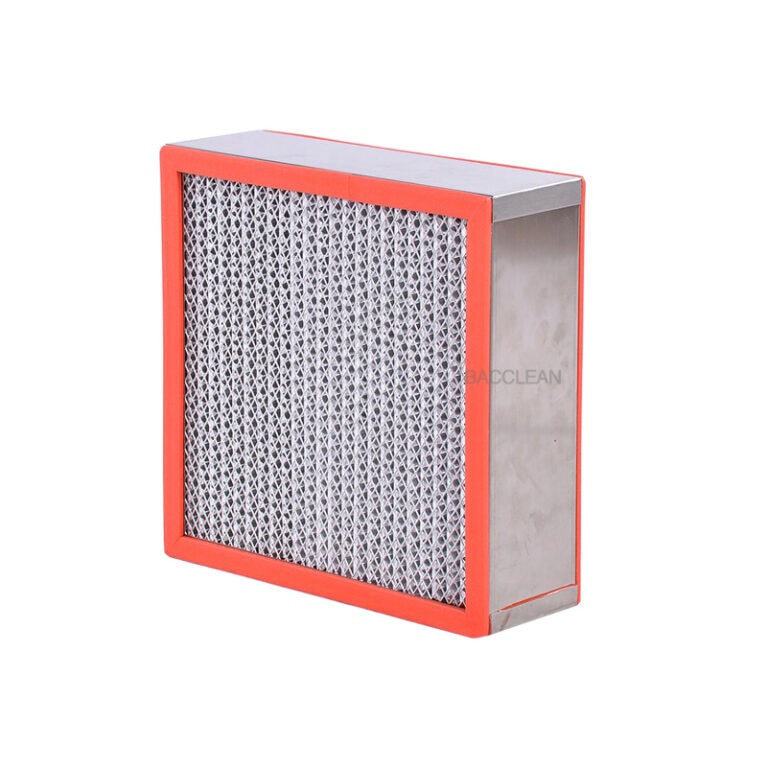
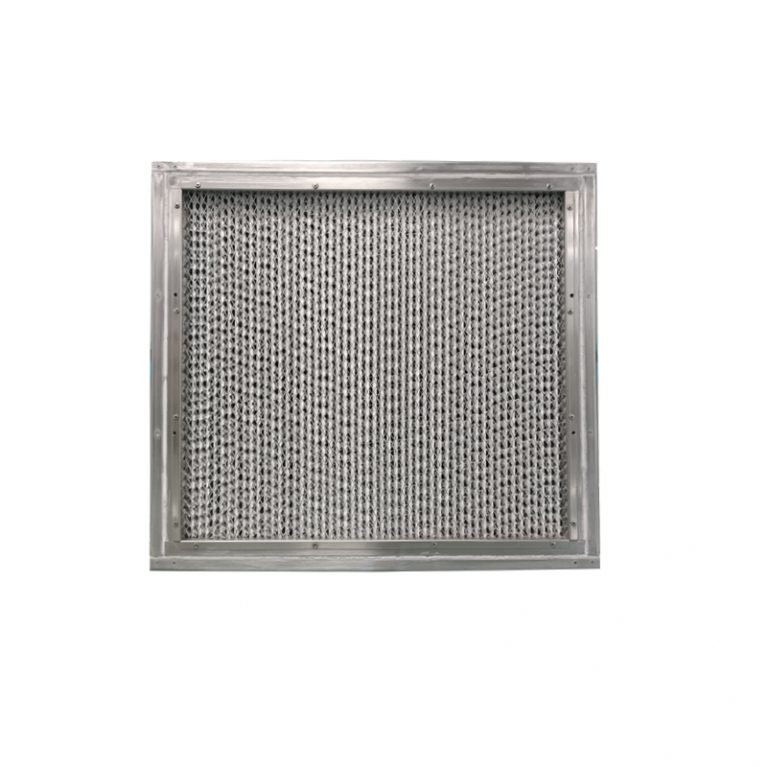
Replace the high-efficiency filter (HEPA) annually, or replace it in advance based on the reading of the differential pressure gauge (when the pressure difference before and after the high-efficiency filter is ≥250Pa). If it is an activated carbon filter, it should be replaced in a timely manner according to the adsorption effect (such as obvious odor of harmful gases).
Annual explosion-proof performance tests (such as motor insulation and grounding continuity) should be conducted on explosion-proof equipment to ensure compliance with explosion-proof standards.
Special maintenance
After handling corrosive materials, the interior of the box and the filtration system should be cleaned in a timely manner to prevent corrosion of equipment components.
If the equipment is out of use for a long time (more than one month), the power supply should be turned off, the equipment should be cleaned and covered with a dust cover. Before restarting it, the pressure difference, cleanliness and sealing performance should be tested.
(2) Laminar flow Hood: Core Maintenance “Cleanliness + Filtration System + Airflow Uniformity”
Daily maintenance (daily/weekly)
Check the operating status of the fan every day (whether there is any abnormal noise or heating), and observe whether the display on the control panel is normal (such as voltage, current, and pressure difference).
Clean the working area and the surface of the equipment daily, and wipe them with a lint-free cloth to prevent dust accumulation from affecting the airflow.
Clean the primary filter once a week (wash and dry the washable type, and replace it directly for the disposable type) to prevent blockage and air volume attenuation.
Regular maintenance (monthly/quarterly/annually)
Every month, check the air flow velocity and uniformity in the working area. If the air flow velocity drops by ≥20% or the uniformity does not meet the standard, it is necessary to check whether the filter is clogged or whether the equipment is tilted.
Every quarter, use a particle counter to test the cleanliness. If it does not reach the set grade (such as ISO level 5), check whether the filter is leaking and whether the airflow is short-circuited.
The medium-efficiency filter should be replaced annually. The high-efficiency/ultra-high-efficiency filter (HEPA/ULPA) should be replaced based on the reading of the differential pressure gauge (when the pressure difference before and after is ≥220Pa). After replacement, a leak test (such as PAO leak test) should be conducted to ensure there is no leakage.
Check the suspension structure and fixing bolts for looseness every year and tighten them in time. Check the insulation of the electrical circuits to avoid short-circuit faults.
Special maintenance
If it is applied in a sterile environment (such as pharmaceutical packaging), the equipment should be disinfected regularly (such as ultraviolet disinfection, chemical disinfection). After disinfection, ventilation and air exchange should be carried out to avoid residual disinfectants affecting the products.
After the equipment is moved or disassembled and reinstalled, the airflow and cleanliness need to be readmitted again to ensure they meet the requirements before it can be used.
Iii. General Maintenance Principles and Safety Tips
Maintenance personnel qualifications: It must be operated by technicians who have received professional training. Before maintenance, the power supply should be cut off and related supporting systems (such as exhaust and fresh air) should be shut down. For explosion-proof equipment, explosion-proof operation specifications must be followed.
Requirements for spare parts replacement: When replacing spare parts such as filters and seals, original factory accessories that match the equipment (such as Bacclean dedicated HEPA filters) should be selected to avoid affecting equipment performance due to incompatible accessories.
Record retention: Establish equipment maintenance ledgers, detailing installation and commissioning data, daily inspection results, spare parts replacement times, etc., for easy traceability, while meeting compliance requirements such as GMP and ISO.
Emergency response: If the equipment experiences abnormal pressure differences, fan malfunctions, or fails to meet cleanliness standards, it must be immediately stopped from use. After troubleshooting and repair, it can be put back into operation only after passing the inspection.
Bacclean offers professional installation, commissioning, maintenance and servicing services. We can develop personalized maintenance plans based on your equipment model and application scenarios. If you need technical support or spare parts replacement, please feel free to contact us at any time to ensure the long-term stable operation of your purification equipment!