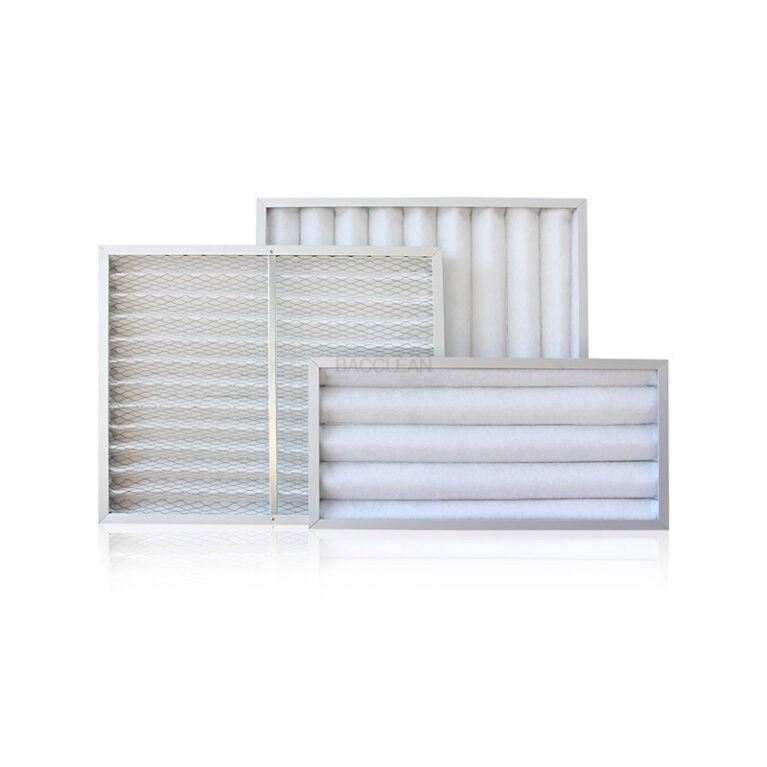
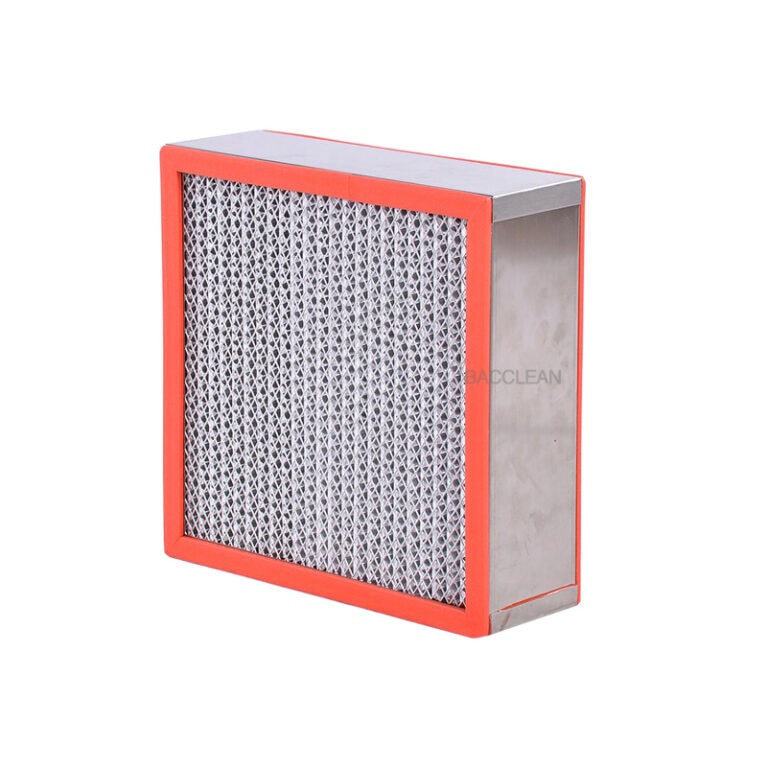
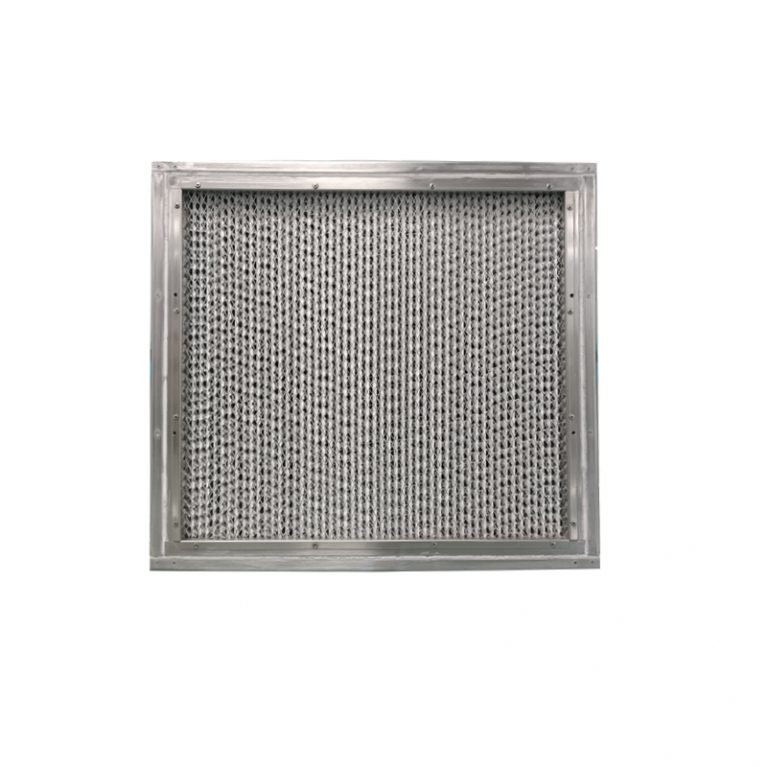
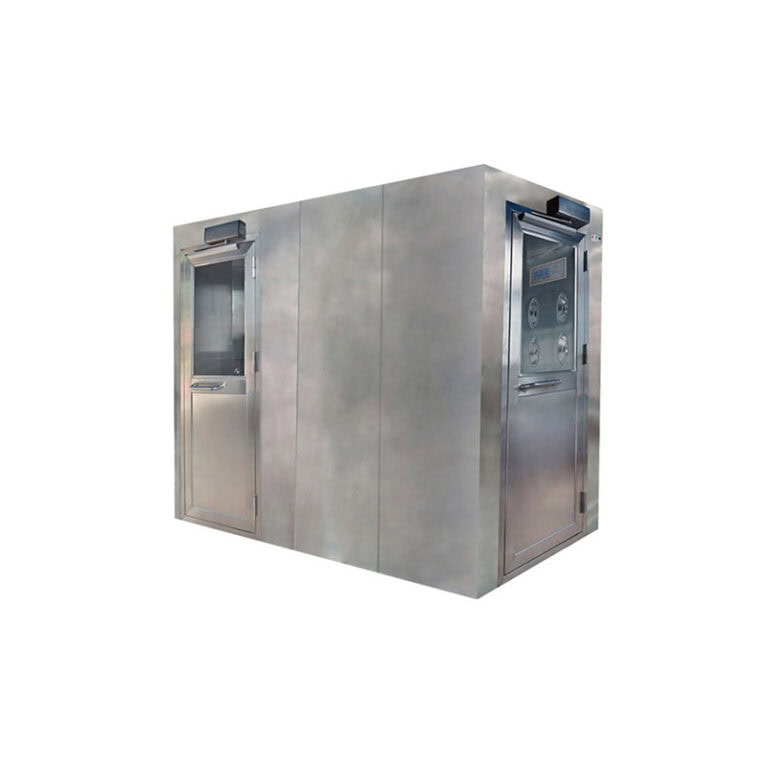
I. Scope of Application
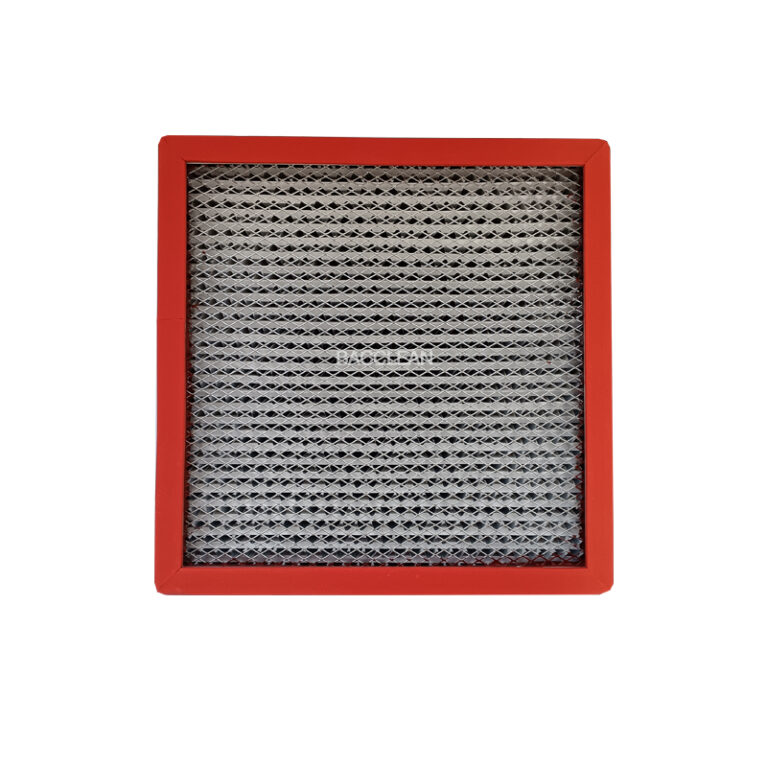
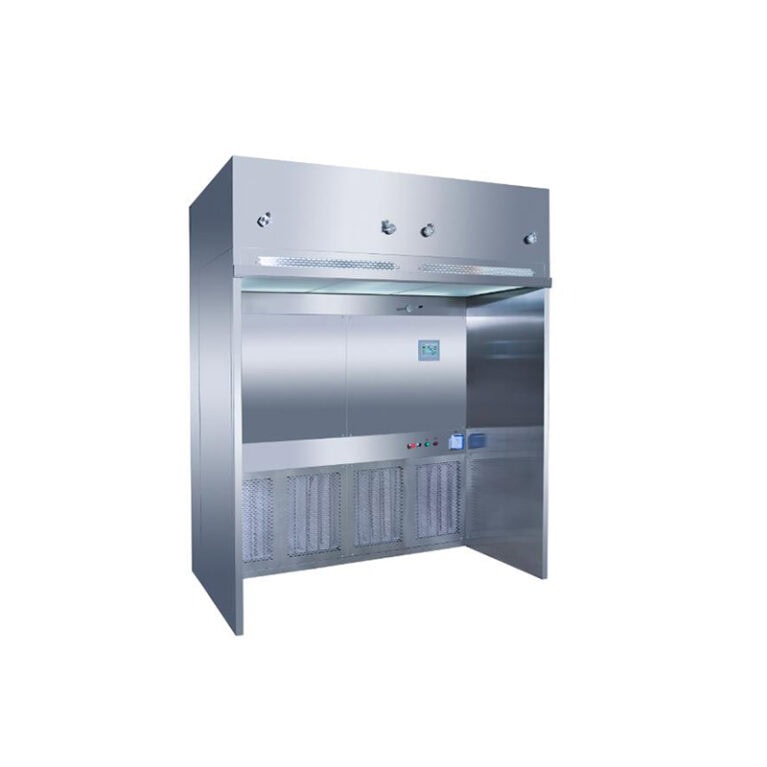
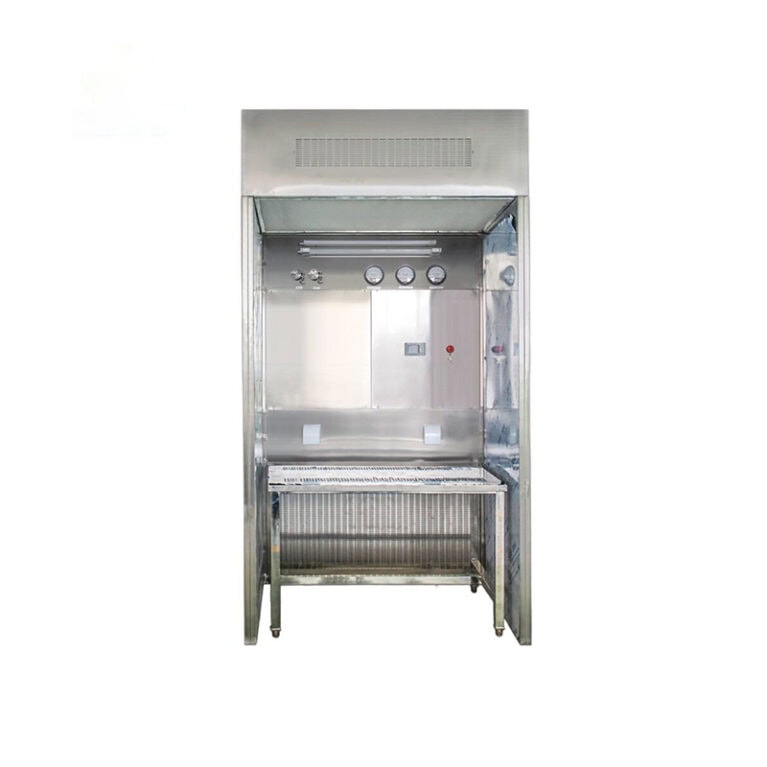
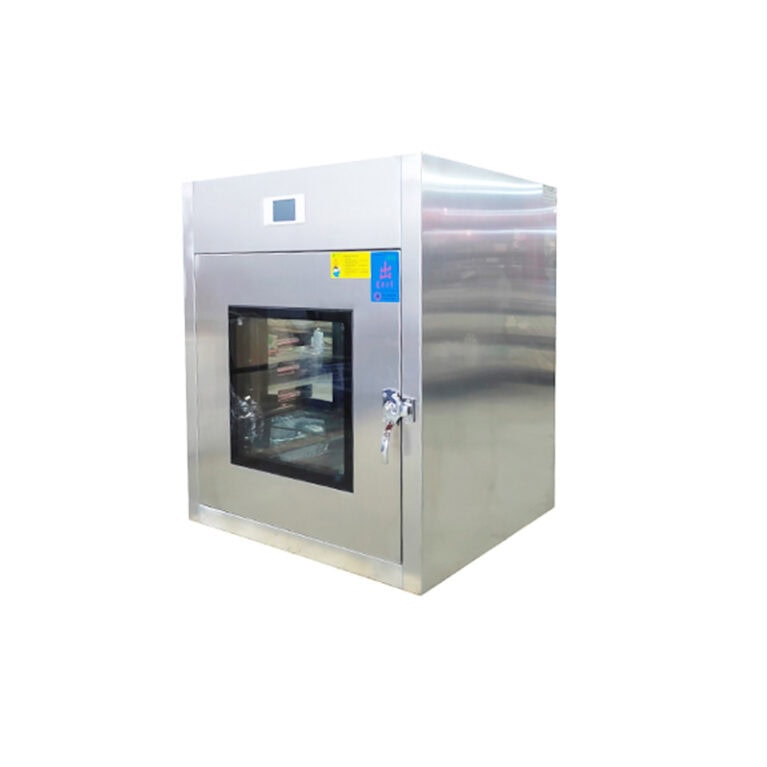
Cleanroom / Transfer Window / Air Shower / Clean Workbench HEPA/ULPA High-Efficiency Filters
Method: Aerosol Scanning Leak Detection Method (Upstream Dust Generation + Downstream Scanning)
II. Preparations Before Testing
1. Instruments and Consumables
Aerosol Photometer (with dual channels for upstream/downstream)
Aerosol Generator (heated / cooled PAO/DOP)
Isokinetic Sampling Gun, Hose
Calibration Certificate within Validity Period
Clean Rags, 75% Ethanol
2. System Status
Air Conditioner / Fan Running for ≥ 10 minutes continuously
Cleanliness Filters Surface Cleaned Free of Dust
Clean Area Free of Dust, No Operations, Minimum Personnel
All Doors, Windows, Inspection Holes Closed
3. Instrument Preparation
Photometer Turned On and Preheated for ≥ 15 minutes
Zero Point Calibration, Range Calibration
Connect Upstream Sampling Tube to Filter Upstream Static Pressure Box
III. Formal Leak Detection Operating Steps (Full Version)
Step 1: Establish Upstream Challenge Concentration
Connect the aerosol generator to the upstream air duct of the high-efficiency filter
Turn on the generator, let the dust generation stabilize for 3-5 minutes
Read the upstream concentration with the photometer:
Controlled within 10-30 μg/L
Photometer Settings:
Display Mode: Leakage Rate (% Penetration Rate)
Alarm Threshold: ≤ 0.01%
Step 2: Zeroing of the Photometer (Baseline Calibration)
Confirm the stability of the upstream concentration
Perform Zeroing/Baseline Setting on the photometer
At this time, the display should be 0.00%
Step 3: Downstream Scanning Leak Detection (Core Operation)
Sampling Gun Scans the Outflow Surface of the High-Efficiency Filter
Distance from Filter Surface: 1-2 cm
Moving Speed: ≤ 5 cm/s
Scan Path:
S-shaped Repeated Scanning
Inter-space Overlap ≥ 50%
Must Cover the Entire Filter Surface:
All Filter Surfaces
Four-Edge Frame Sealing
Filter Frame and Frame Joint Sealing
Compression Strip, Screw Holes
Installation Sealing Compound Application Area
Step 4: Leakage Determination
Any Position Where:
Reading > 0.01%
Continuous Alarm / Clear Peak
→ Judged as Leakage Point, Mark the Position.
Step 5: Leakage Handling and Re-testing
Minor Leakage:
Re-tighten the Frame
Replace the Sealant Strip
Repair the Sealant Compound
Filter Material Damage, Pinholes, Unrepairable:
Must Replace the High-Efficiency Filter
After Completion:
Re-perform Full Area Scanning Leak Detection
Until All Points ≤ 0.01%
Step 6: Conclusion and Restoration
Turn off the Aerosol Generator
The System Continues to Exhaust Air for 5-10 minutes to Remove Residual Aerosols
Remove the Dust Generation Tube and Sampling Tube
Clean the Equipment Surface
Record Data, Archive
IV. Quality Control Standards (GMP General)
Filter Surface: No Leakage
Frame and Installation Joint: No Leakage
Leakage Rate of All Scanning Points: ≤ 0.01%
Fan, Air Volume, Pressure Difference Normal
V. Key Points (Avoiding Non-Conformity)
Upstream Concentration Must Be Stable
Scan Slowly, Full Coverage, Overlapping Scan
Edges, Corners, Joints Are Seismic Areas
Leakage Must Be Re-tested for Conformity Before Release