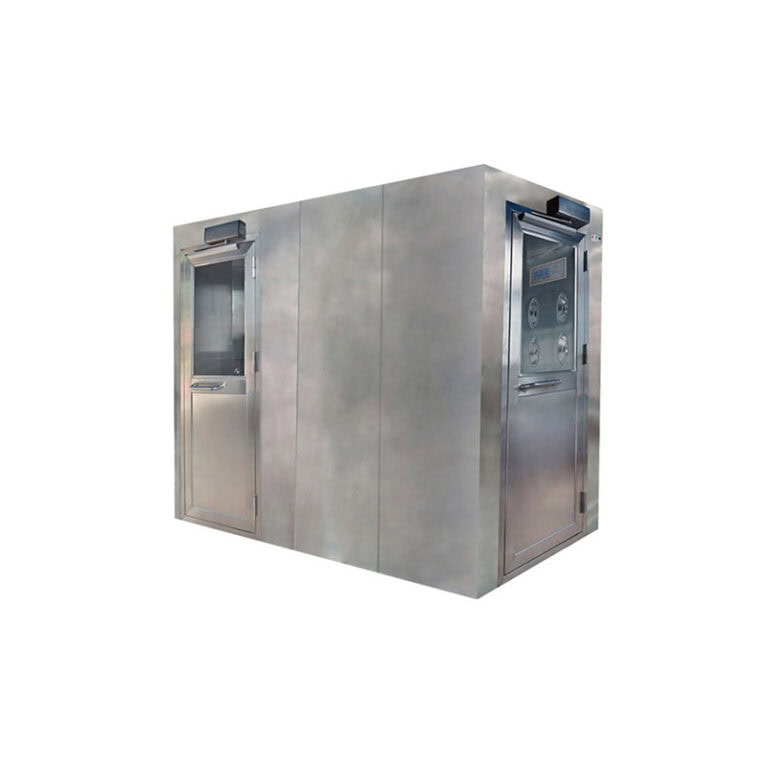
Explosion-proof air showers are mainly used in hazardous environments such as chemical engineering, petroleum, pharmaceuticals, and the production of flammable and explosive materials. Their daily maintenance needs to balance the functional guarantee of conventional air showers and explosion-proof safety requirements. The core principle is to prevent the generation of sparks, keep explosion-proof components intact, and ensure the safety of the electrical system. The following is a systematic daily maintenance plan:
I. Daily Maintenance: Basic cleaning and functional inspection
Cleaning operations (explosion-proof requirements are preferred)
Use anti-static cleaning tools (such as anti-static cloths and anti-static vacuum cleaners). It is strictly forbidden to use tools that can easily produce sparks, such as wire balls and hard brushes.
Cleaning areas: Inner walls of the air shower, air shower nozzles, door closers, floors, and stainless steel door frames. Remove dust, oil stains, and debris. If there are contaminants adhering, they can be wiped with a non-flammable neutral cleaner (such as a special explosion-proof cleaner). It is strictly prohibited to use flammable solvents such as alcohol or gasoline for large-scale cleaning.
After cleaning, check: Ensure that the nozzles are not clogged, there is no water accumulation on the ground (to prevent electrical components from getting damp), and the sealing rubber strips of the door body are not damaged.
Functional status check
Interlock function: Verify whether the two doors of the air shower are interlocked (when one door is open, the other cannot be opened), to prevent non-explosion-proof areas from being directly connected to explosion-proof areas.
Air shower system: Start the air shower, check whether the fan operates smoothly without any abnormal noise, whether the air output from the nozzles is uniform, and whether the air shower time meets the set value (usually 10-30 seconds).
Lighting and Alarm: Turn on the explosion-proof lighting and check if the brightness is normal. Trigger the emergency stop button to confirm whether the air shower system stops immediately and whether the alarm device (if any) responds normally.
Ii. Weekly Maintenance: Component tightening and explosion-proof sealing inspection
Fastening of mechanical components
Check whether the frame, door shaft, door closer and nozzle fixing screws of the air shower room are loose. Use an explosion-proof wrench to tighten them to avoid sparks caused by metal knocking.
Check the sealing performance of the door body sealing rubber strip. If it shows signs of aging or deformation, replace it in time (to ensure that the air shower effect is isolated from the explosion-proof area).
Sealing inspection of explosion-proof components
Focus on checking whether the sealing covers and sealing rings of explosion-proof motors, explosion-proof switches, explosion-proof junction boxes, and explosion-proof lamps are in good condition, and whether there are any cracks, peeling or loosening.
Confirm whether the sealing packing at the inlet of the explosion-proof junction box is full to prevent dust and flammable and explosive gases from entering the interior and causing danger.
Iii. Monthly Maintenance: Inspection of the electrical system and filters
Electrical system safety inspection (operated by professional explosion-proof electricians)
When the power is off, check whether the circuits are aged, damaged or exposed, and whether the terminal blocks are firm. It is strictly forbidden to privately connect or replace non-explosion-proof electrical components.
Test the grounding system: Confirm whether the grounding of the metal frame of the air shower room and the explosion-proof electrical equipment is reliable. The grounding resistance should be ≤4Ω (in compliance with explosion-proof safety standards).
Check the interior of the explosion-proof control box: whether there is dust accumulation or moisture, and whether the contactors, relays and other components operate sensitively without adhesion or abnormal noise.
Filter status monitoring
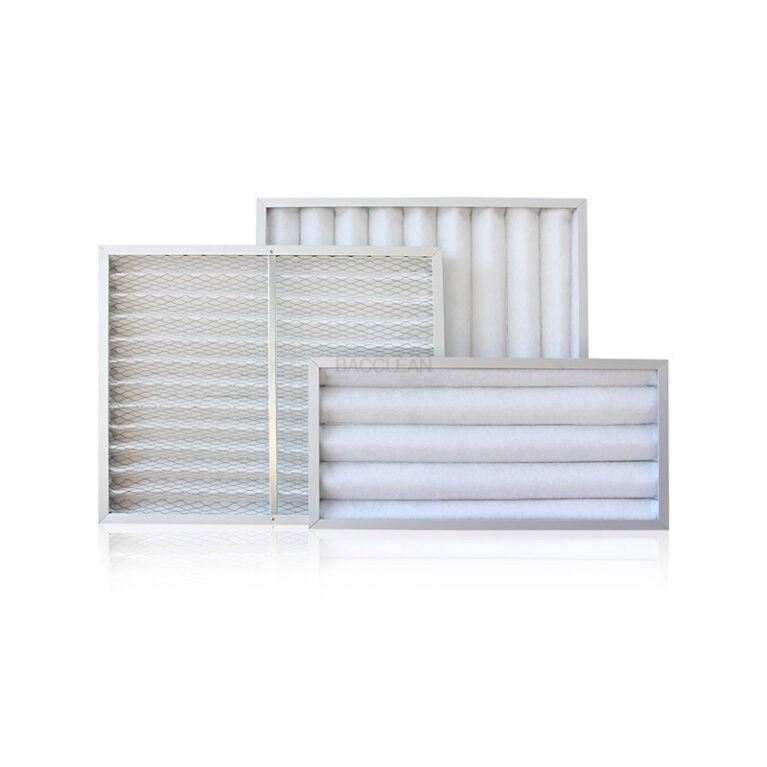
Check the pressure difference gauge of the primary filter: If the pressure difference exceeds twice the initial pressure difference, or if the surface area of the filter is visually severely dusted, clean it in time (it can be washed and reused).
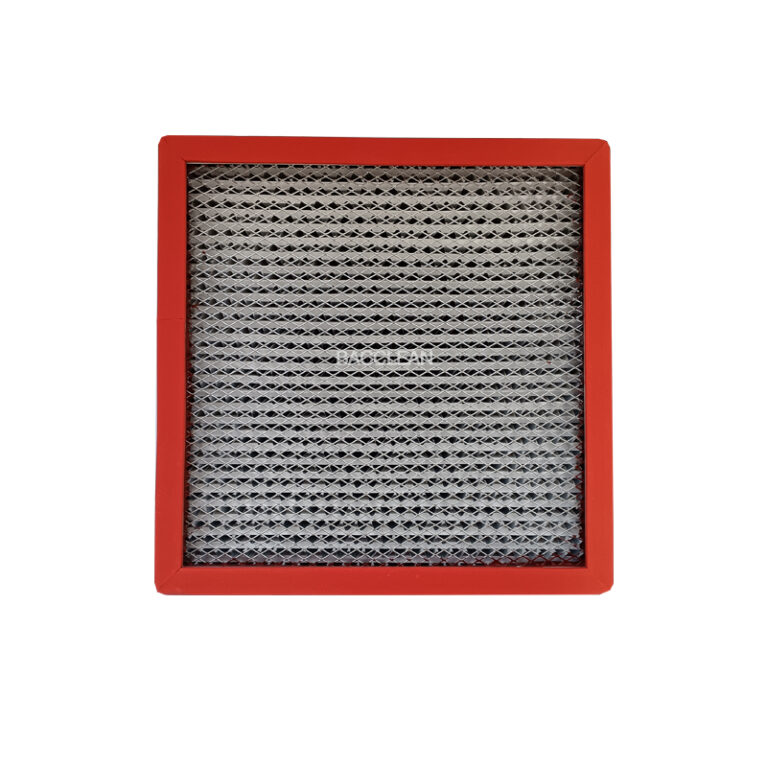
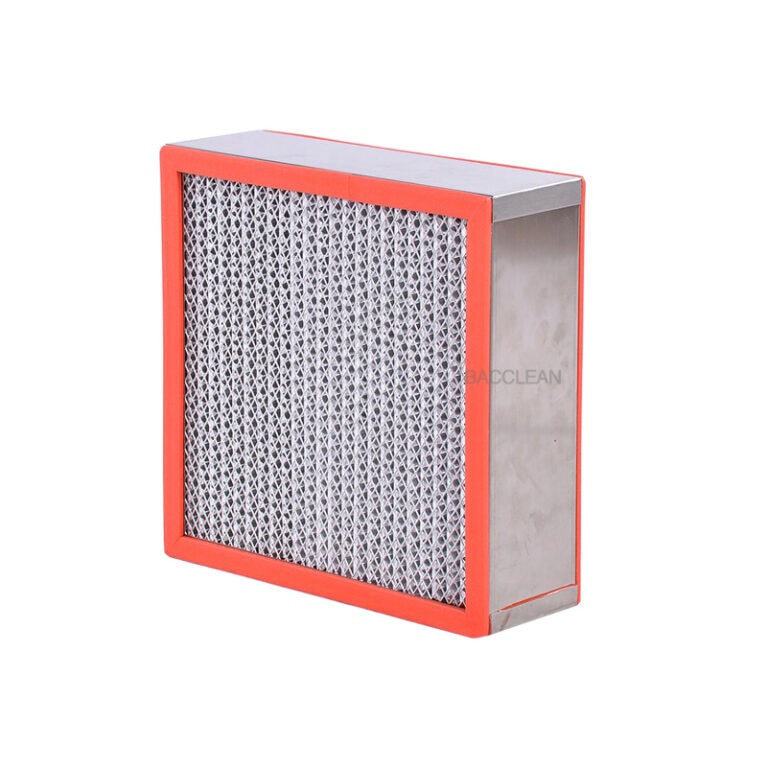
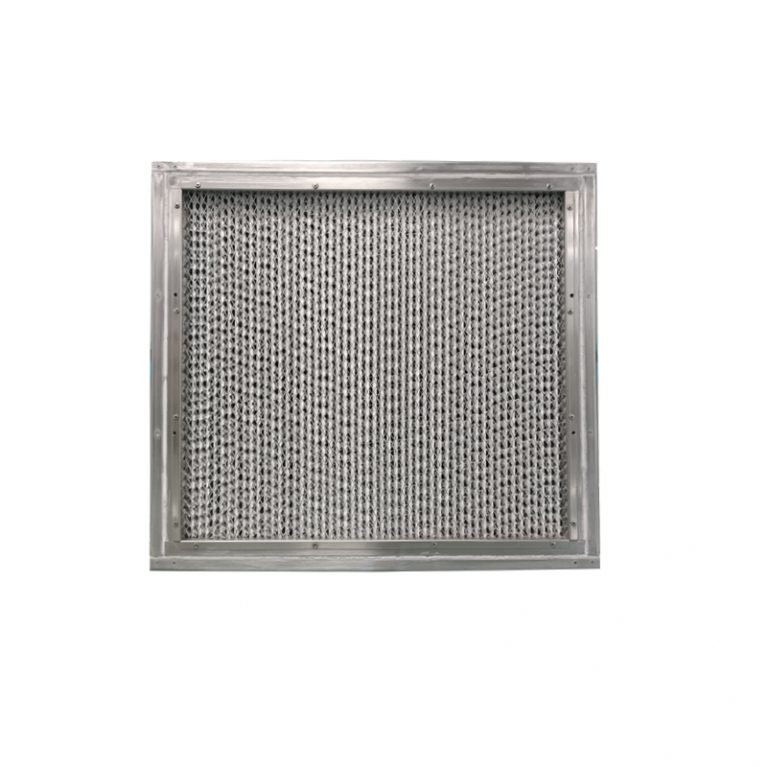
Check the differential pressure gauge of the high-efficiency filter: If the differential pressure reaches the final resistance (usually 250Pa), the high-efficiency filter needs to be replaced. When replacing, pre-treatment should be carried out in non-explosion-proof areas to avoid generating static sparks at explosion-proof sites. After replacement, the filter installation frame should be sealed well.
Iv. Quarterly/Annual Maintenance: In-depth inspection and component replacement
Quarterly in-depth maintenance
Disassemble the air shower nozzles, thoroughly clean the accumulated dust inside, and ensure smooth air outlet. Check whether the fan impeller is covered with dust. If so, clean it with anti-static tools to prevent abnormal noise caused by impeller imbalance.
Insulation tests should be conducted on explosion-proof motors, with an insulation resistance of ≥1MΩ to ensure the safe operation of the motors.
Annual professional inspection
Entrust a third-party institution with explosion-proof qualifications to conduct a comprehensive inspection of the explosion-proof electrical equipment, grounding system and sealing performance of the air shower room, and issue a test report.
Replace aged components: such as bulbs of explosion-proof lamps, sealing strips, and vulnerable parts of electrical components, to ensure that all components meet the explosion-proof grade requirements (such as Ex d ⅡB T4, etc.).
V. Key Points for Maintenance
Personnel qualifications: Maintenance personnel must undergo explosion-proof safety training, be familiar with the structure of explosion-proof air showers and the operation norms in hazardous environments, and it is strictly prohibited to operate without a license.
Hot work management: If welding, cutting and other hot work operations are to be carried out in explosion-proof areas, a hot work permit must be obtained and safety measures such as isolation, ventilation and monitoring must be taken.
Spare parts management: All replaced spare parts (such as electrical components, filters, and seals) must be of the original factory explosion-proof specifications. It is strictly prohibited to use non-explosion-proof spare parts as substitutes.
Record ledger: Establish a maintenance ledger to detail the daily/weekly/monthly maintenance content, inspection results, component replacement situations, and third-party test reports, facilitating traceability and compliance checks.
Vi. Emergency Handling of Common Faults
If the air shower fan fails to start: First, check whether the explosion-proof switch is normal and whether the emergency stop button has been reset. Then, have a professional electrician inspect the explosion-proof motor and circuit. Do not disassemble the explosion-proof components by yourself.
Interlock function failure: Immediately stop using it, check the door magnetic switch and interlock controller. Do not open the air shower before repair to prevent the spread of flammable and explosive gases.