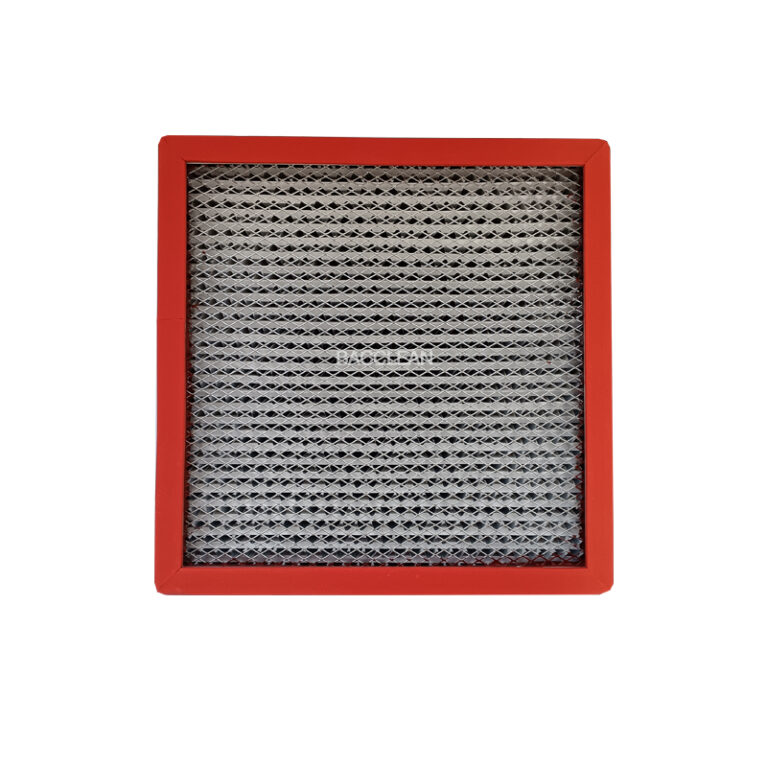
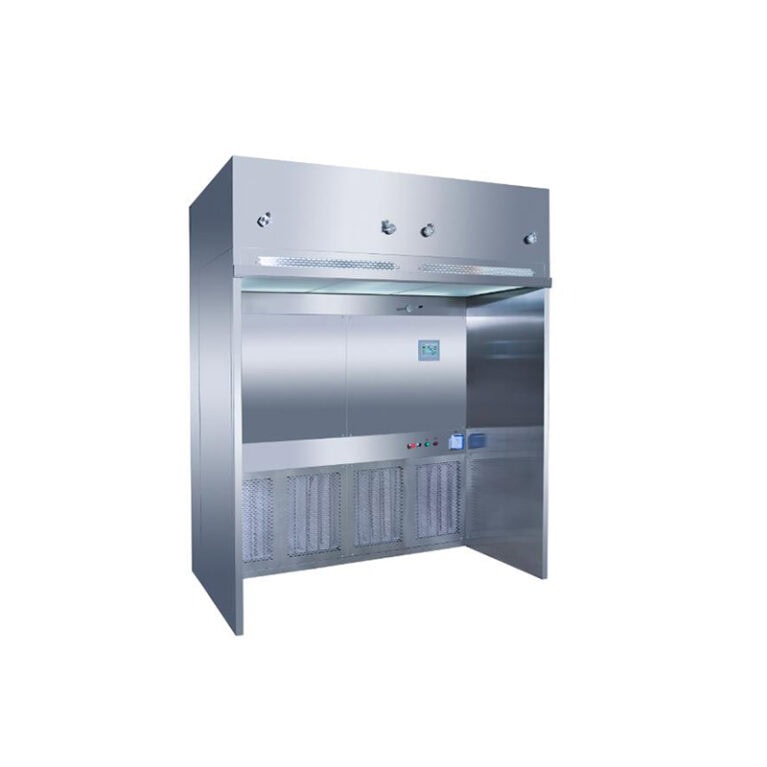
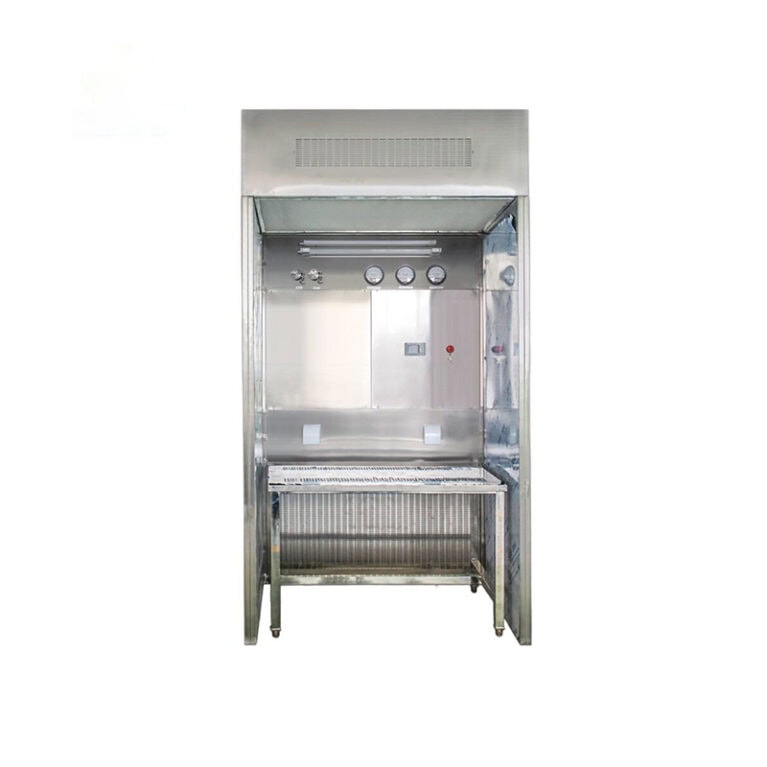
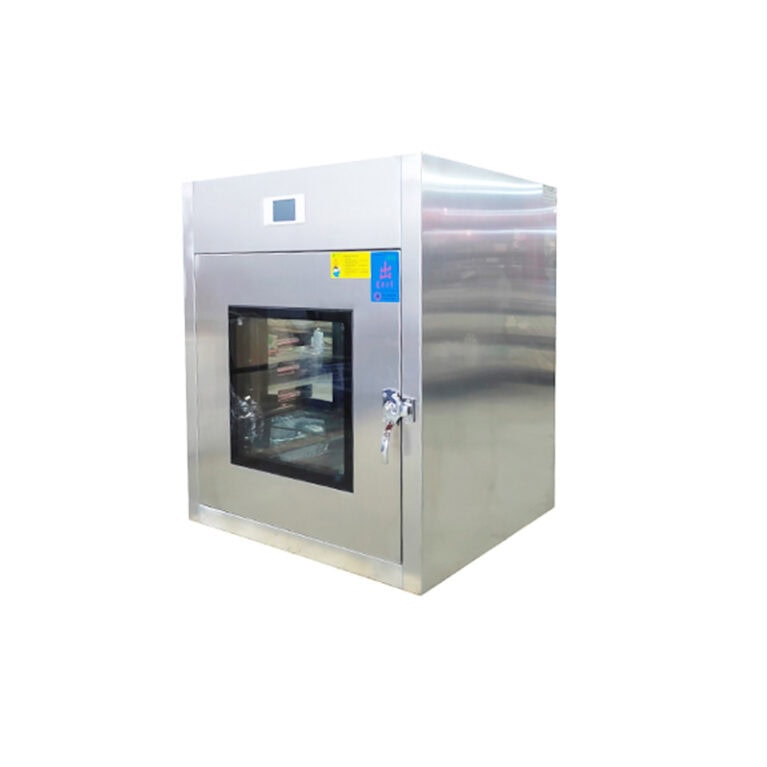
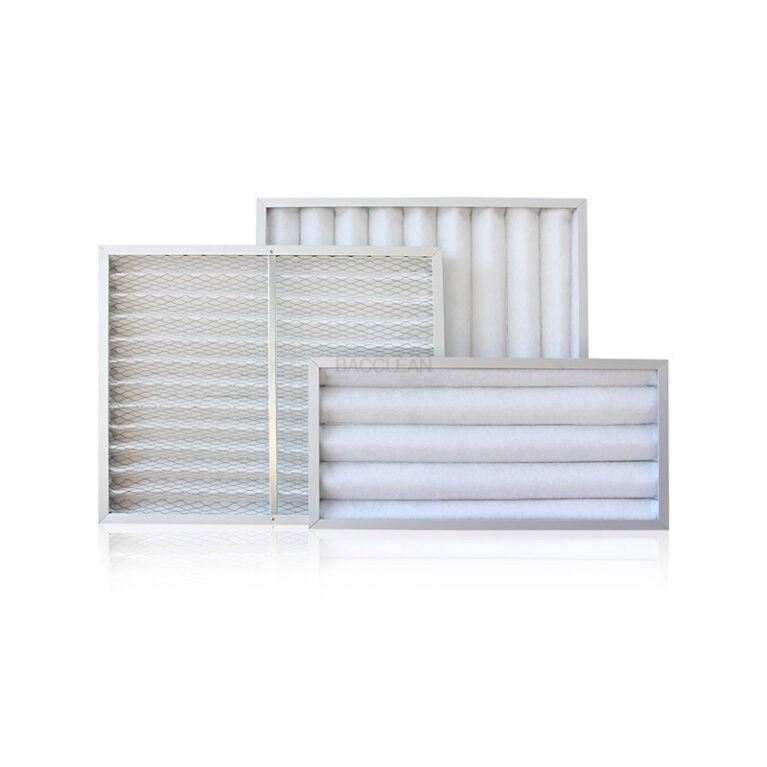
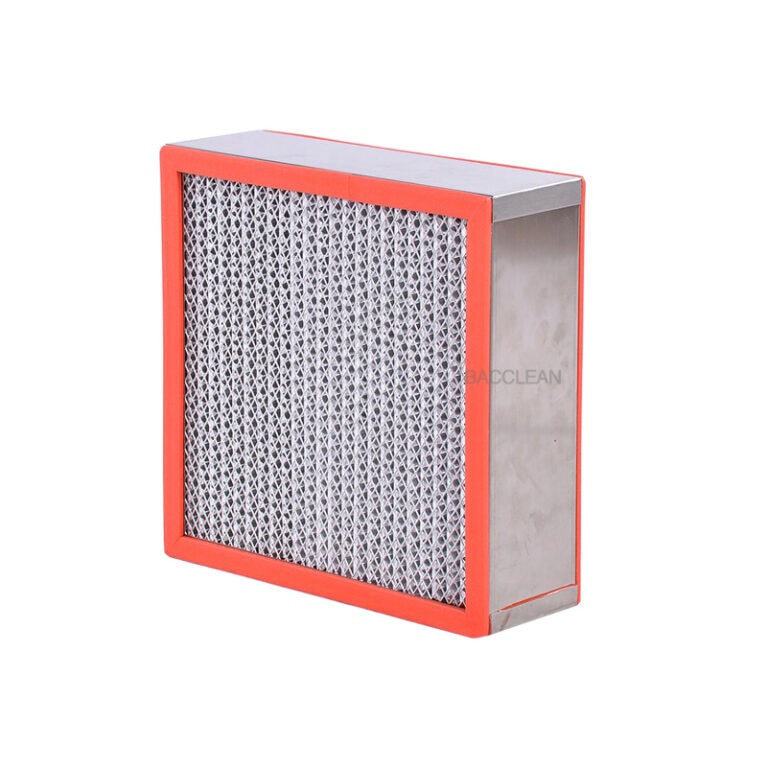
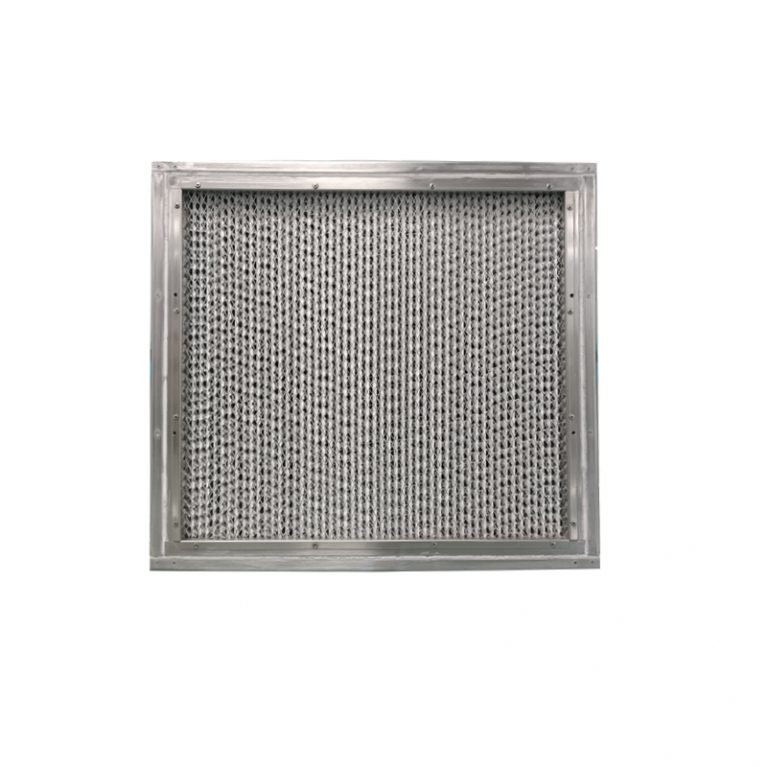
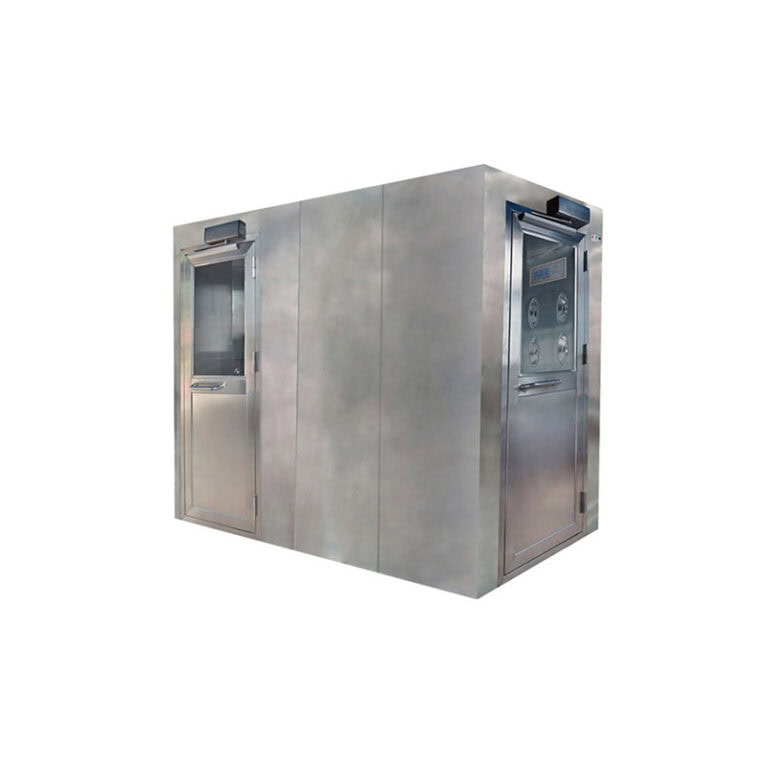
Daily inspection of the DOP (PAO) laminar transfer window focuses on the integrity scanning and leak detection of the high-efficiency filters to ensure no leakage and that the filtration efficiency meets the standards. This is a key daily inspection for controlling contamination in the clean area.
I. Inspection Objectives
Verify that the HEPA/ULPA filters are undamaged and leak-free
Confirm the integrity of the sealing structure (frame, joint, installation surface)
Meet the compliance requirements of GMP, ISO 14644, GB 50591, etc. for clean rooms
II. Inspection Cycle (Daily / Routine)
Daily inspection: per shift / daily (visual + simple functional check)
Regular DOP scanning: once every quarter (key areas can be monthly)
Annual full performance: including DOP, air velocity, cleanliness, pressure difference, interlock
III. Preparations Before Inspection
1. Equipment and Consumables
Aerosol generator (heated DOP / cold PAO)
Aerosol photometer (with upstream/downstream dual channels, accuracy 0.01%)
Wind speed meter, pressure gauge, dust particle counter
Clean cloths, alcohol, sealant (for backup)
2. Environment and Status
The transfer window is operating normally (fan, UV, interlock, self-cleaning)
There is no cross-operation in the clean area, adjacent doors/windows are closed
The instrument is preheated for ≥ 15 minutes, calibrated / reset
Clean the surface of the filter, static pressure box, and outflow surface
3. Position Arrangement (Laminar Transfer Window)
Upstream: fan inlet / static pressure box (dust generation + sampling)
Downstream: the entire area of the filter outlet surface, frame, joint, installation sealing surface
Key area: corners, sealing strips, and joints with walls/cabinets
IV. DOP Inspection Standard Process (Scanning Method)
1. Establishing upstream dust emission and benchmark
Connect the generator to the upstream, adjust the concentration to 10–30 μg/L (stable for ≥ 5 minutes)
Set the photometer to **% transmittance**, alarm threshold **≤0.01%** (commonly used in GMP/ISO)
Record the upstream concentration C₀, ensuring the fluctuation **≤±10%**
2. Downstream scanning for leak detection (core step)
Probe 1–2 cm away from the outflow surface, speed **≤5 cm/s**
Pathway reciprocates, overlapping ≥ 50%, covering the entire filter surface + seal
Focus on scanning: frame, sealing strip, joint, installation fixation point
Real-time reading, **≥0.01%** determines leakage, mark the location
3. Leak Handling and Re-inspection
Minor leakage: clean + re-seal / re-tighten
Damaged / irreparable: replace the filter
After repair, re-inspect the entire area until qualified
4. Wind Speed and Self-cleaning Verification (Supporting Daily)
Laminar surface wind speed: 0.36–0.54 m/s (vertical single-direction flow)
Self-cleaning time: ≤ 5–10 minutes (reaches the target cleanliness)
Pressure difference: ≥ 5 Pa (clean side higher than non-clean side)
V. Qualified Judgment Criteria
Leakage rate: throughout the area **≤0.01%** (no alarm points)
Wind speed: uniform on the laminar surface, within the standard range
Self-cleaning: quickly reaches the target cleanliness after startup, no continuous contamination
Interlock / UV / Disinfection: functions are normal
VI. Daily Record and Management
Record: date, personnel, instrument, upstream concentration, inspection results, leakage points, handling measures, re-inspection conclusion
Archive: save **≥3 years** (satisfies GMP audit traceability)
Trend: establish quarterly/yearly trend charts, warn of aging / failure
VII. Common Problems and Solutions
Reading is high but no obvious leakage points: clean the probe/filter surface, re-calibrate, confirm the upstream concentration is stable
Continuous leakage in the frame: check the aging / damage of the sealing strip, installation flatness, replace if necessary Local Hotspots: Mostly due to damaged filter paper / pinholes. It is recommended to replace the filter directly.
VIII. Safety and Compliance Tips
DOP/PAO are oily aerosols. During testing, wear protective masks and goggles, and ensure good ventilation.
After testing, thoroughly clean the transfer window and the ventilation duct to avoid residual substances that may affect production.
Prioritize the use of PAO (which is safer and less toxic) to replace traditional DOP, in line with modern clean standards