
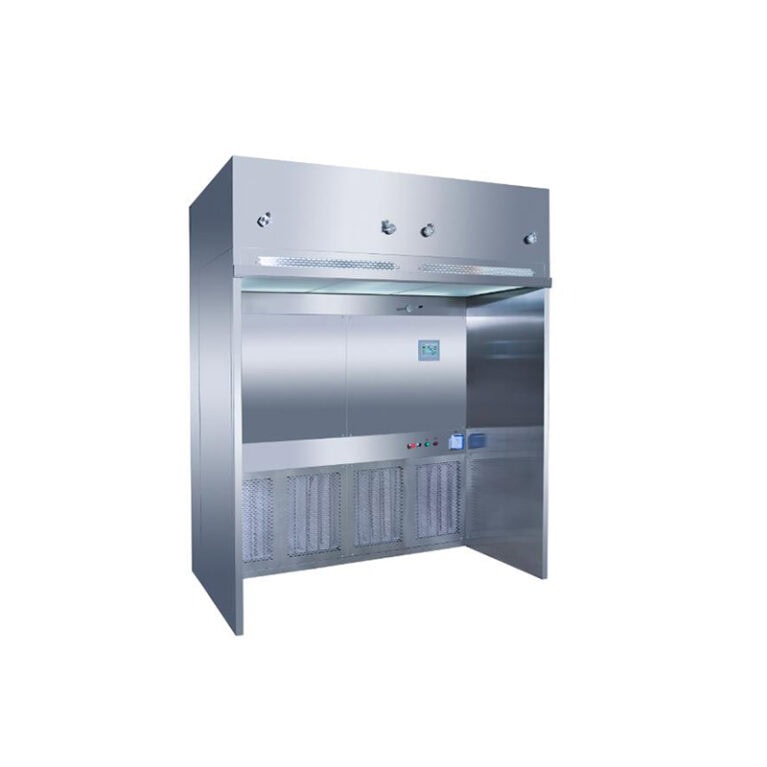
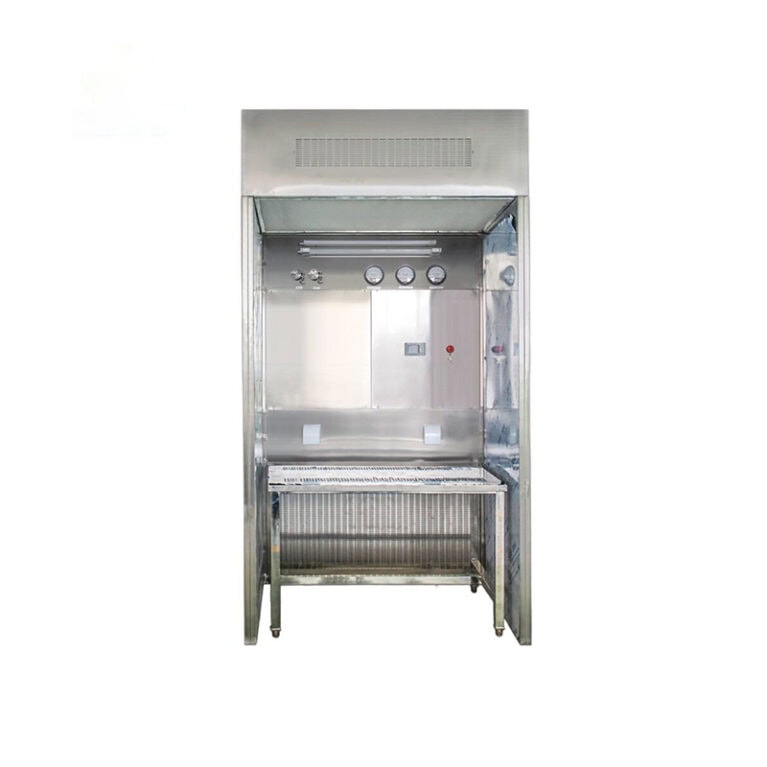
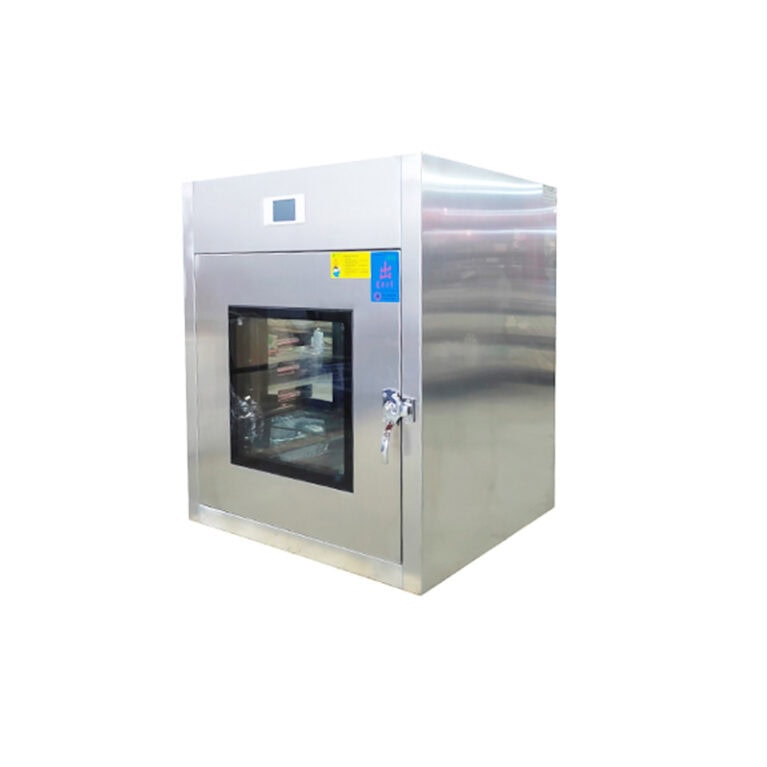
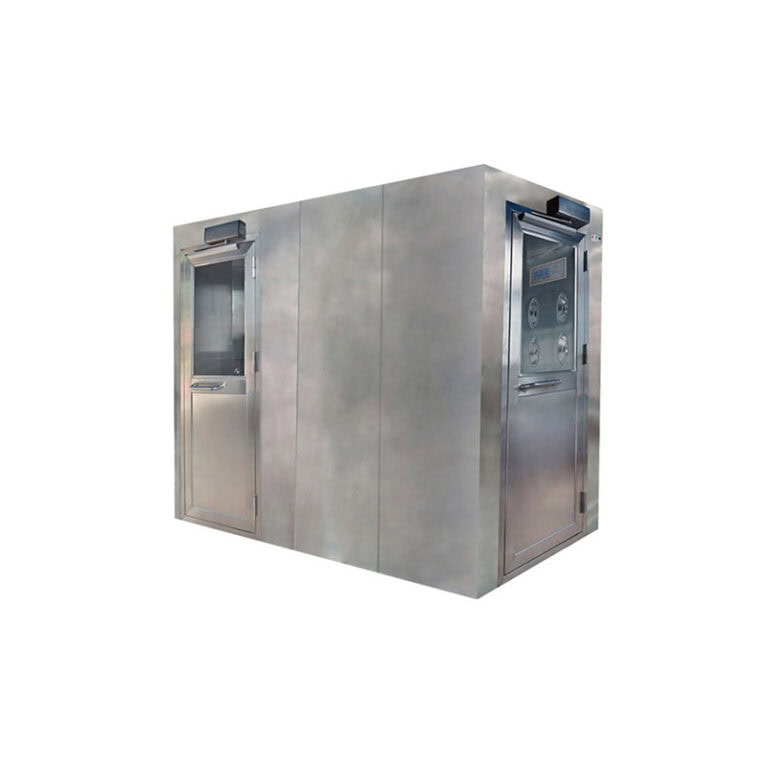
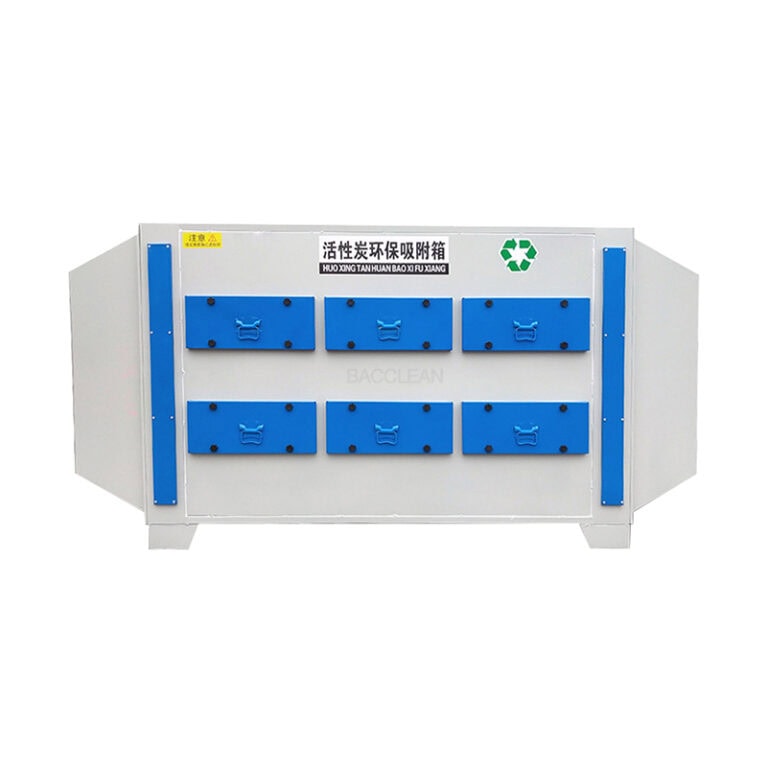
The automatic double-opening goods air shower, as a key purification device between the clean area and the non-clean area, removes dust particles adhering to the surface of goods through high-speed air flow sweeping, preventing contaminants from entering the clean environment. It is widely used in industries such as medicine, electronics, food, and precision manufacturing. The daily application and maintenance of science can not only ensure its purification effect, but also extend the service life of the equipment and reduce the failure rate.
I. Daily Application Norms
1. Requirements for operation procedures
Before the goods enter: Make sure that the doors on both sides of the goods shower room are closed, and check whether the fan, nozzle, lighting and interlock device are normal (no fault indication on the indicator light). The goods should be placed stably to avoid blocking the nozzles or obstructing the channels. The height and width should not exceed the rated size of the goods shower room (usually a 10cm allowance should be reserved).
During operation: After the goods are pushed in, the entrance door is closed, and the system automatically triggers the purging program (the conventional purging time is 15-30 seconds, which can be set as needed). During the purging period, it is strictly prohibited to forcibly open the doors on both sides (the interlock device will be locked, and forced opening may damage the mechanical structure). If the volume of the goods is large, it can be purged in sections to ensure that each side is covered by the airflow.
After the goods are removed: After the purging is completed, unlock the exit door, take out the goods and close the exit door in time. Clear the scattered debris and dust in the goods shower room, keep the floor clean and tidy, and avoid affecting the next use.
2. Application Precautions
Overweight goods are prohibited from entering (they must meet the rated load capacity of the equipment) to prevent deformation of the ground and guide rails.
Avoid corrosive, flammable and explosive substances from entering to prevent damage to the nozzles, fans or cause safety accidents.
Under non-essential circumstances, it is prohibited for personnel to enter the cargo shower room along with the goods (personnel must use the pedestrian shower room) to prevent interference with the airflow direction or potential safety hazards.
In case of power failure or malfunction, the equipment must be restored or repaired before use. It is strictly prohibited to manually force the door open for passage.
Ii. Key Points for Daily Maintenance
1. Daily maintenance
Cleaning work: Use a lint-free cloth to wipe the dust off the inner wall panels, floor and nozzle surface of the goods shower room to prevent dust accumulation and clogging of the nozzles. Check whether the sealing strips on both sides of the doors are intact, without any damage or detachment to ensure the sealing effect.
Function check: Test the door interlock function (whether the other side door is locked after closing one side door), whether the purge start/stop is normal, and whether the lighting and emergency stop buttons are effective. Record the running time and the number of purges. If abnormal noises from the fan or uneven air output from the nozzles occur, stop the machine immediately for inspection.
2. Weekly maintenance
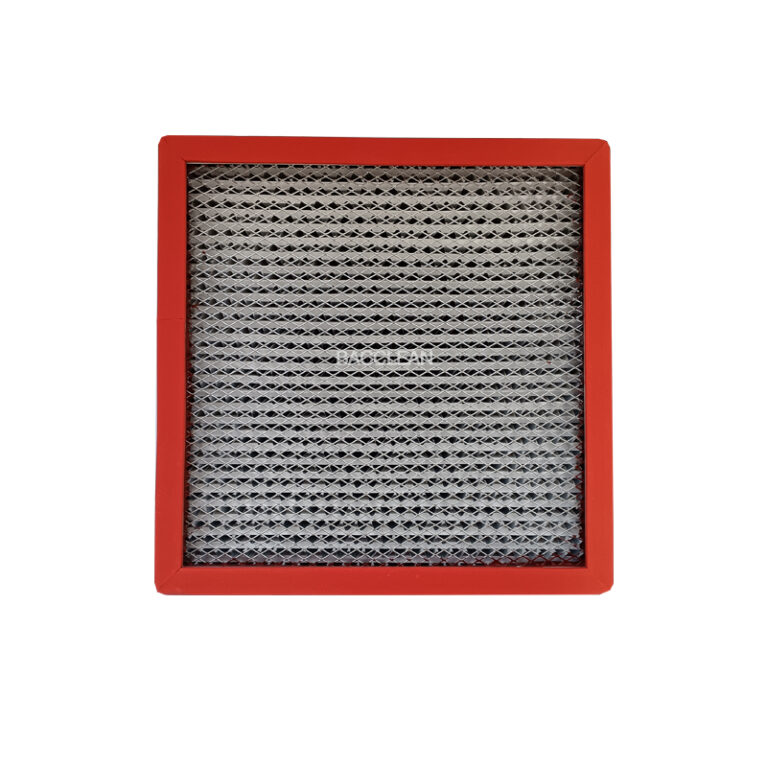
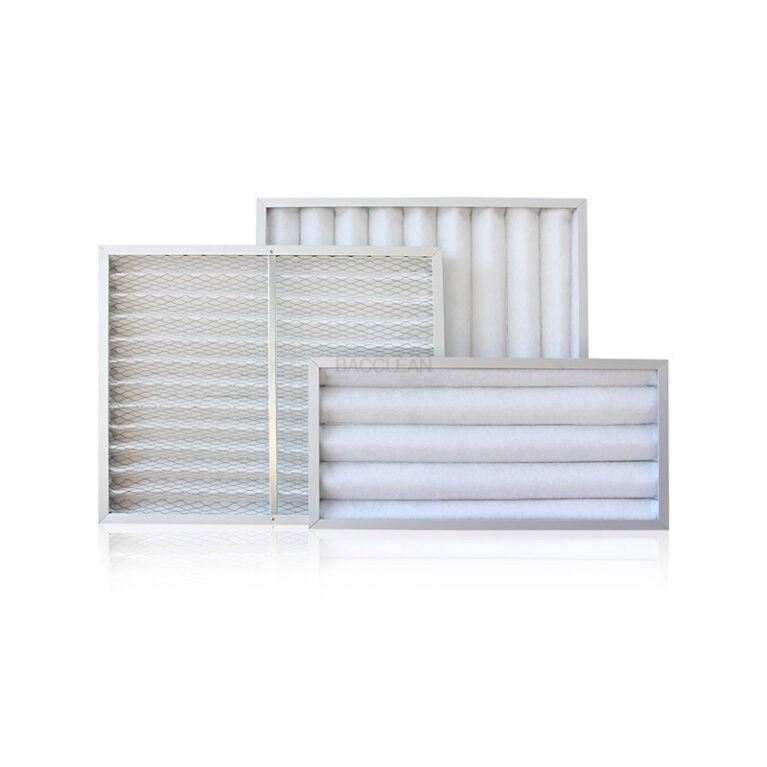
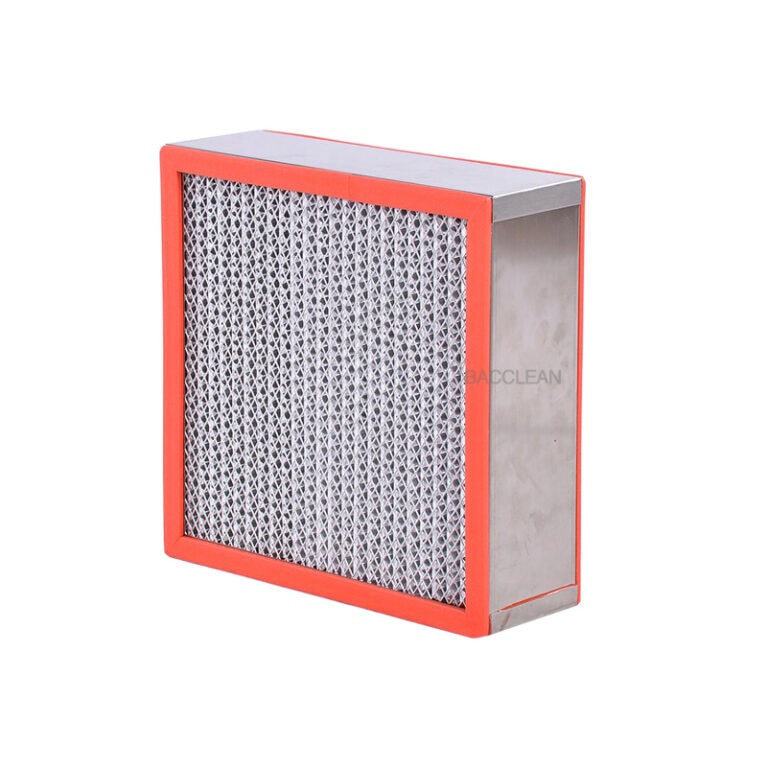
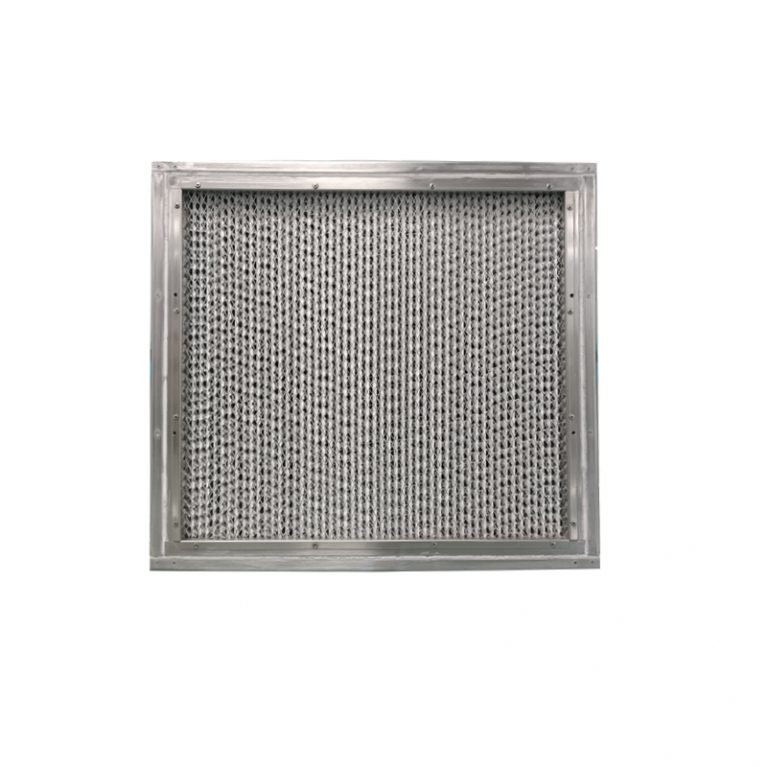
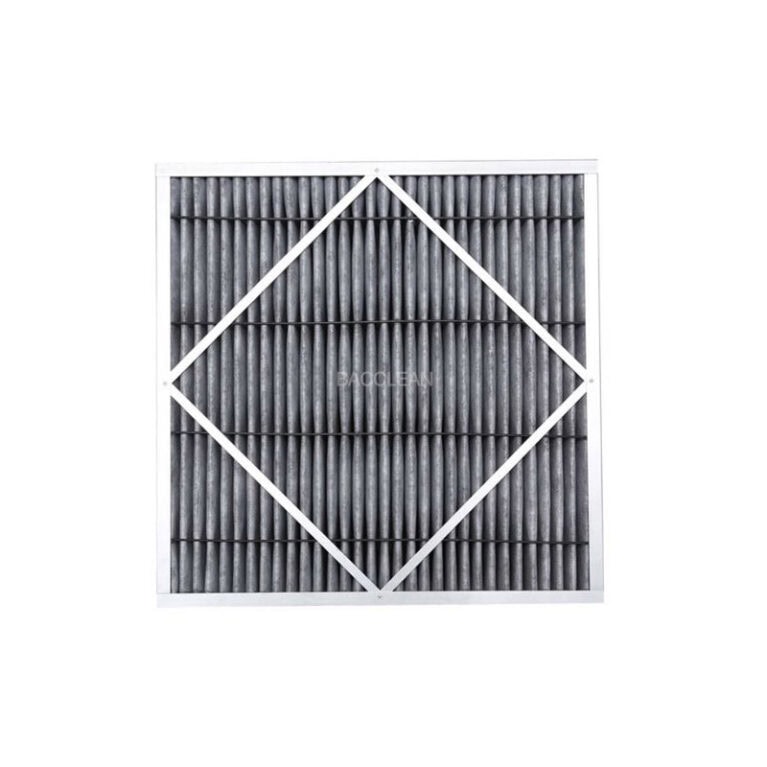
Filter inspection: Disassemble the pre-filter (primary filter), blow it from the inside out with compressed air (pressure ≤0.3MPa), or wash it with water, dry it and reinstall it (the water washing cycle should not exceed 3 times. Replacement is required when the pressure difference exceeds 200Pa). Check the pressure difference of the high-efficiency filter. If the pressure difference exceeds 450Pa (twice the initial pressure difference), it needs to be replaced in time.
Nozzle maintenance: Check each nozzle one by one to see if they are clogged and if their angles have shifted. Clogged nozzles can be cleared with a high-pressure air gun, and those with shifted angles need to be adjusted to face the direction of the goods’ purging (usually at a 45° Angle to the horizontal plane).
Electrical system: Check if the power cord and terminal blocks are loose or aged, and if there is too much dust inside the control cabinet. Wipe the surface of electrical components with a dry cloth (do not use water or cleaning agents).
3. Monthly maintenance
Fan maintenance: Check if there is any abnormal noise or excessive temperature rise in the fan bearings, and add lubricating oil (lithium-based grease). Clean the dust on the surface of the fan impeller to ensure smooth rotation of the impeller and avoid vibration caused by dynamic balance imbalance.
Door body maintenance: Check the wear of the door guide rails and pulleys, and add lubricating oil to reduce friction. Test the sensitivity of the automatic door sensor switch (infrared/radar sensor), adjust the sensing range to prevent false triggering or no triggering at all.
Control system: Back up the control program, check whether the parameters of the PLC and touch screen are normal. If there is any program disorder, restore the backup in time or contact the manufacturer for debugging.
4. Quarterly/annual maintenance
High-efficiency filter replacement: According to the usage environment and pressure difference data, the high-efficiency filter should be replaced regularly (typically with a service life of 6 to 12 months). During replacement, the operation should be carried out in a clean environment to prevent filter contamination. After installation, a leak test should be conducted.
Overall maintenance: Professional technicians conduct a comprehensive disassembly and inspection of the equipment, including the fan motor, interlocking mechanism, electrical circuits, frame structure, etc., and replace aged parts (such as sealing strips, pulleys, contactors, etc.).
Performance testing: Entrust a third-party testing agency or manufacturer to conduct tests on air velocity, cleanliness, and sealing performance to ensure that the air shower meets the requirements of GMP, ISO and other relevant standards. The test reports will be archived for future reference.
Iii. Common Faults and Their Handling
| Fault phenomenon | Possible reasons | Processing method |
| The two side doors cannot be interlocked | The door magnetic switch is faulty and the interlock controller is damaged | Replace the door magnetic switch, and inspect or replace the interlock controller |
| Purge fan does not start | Power failure, emergency stop button not reset | Check the power line, reset the emergency stop button, and test the fan motor |
| The air output from the nozzle is weak | The pre-filter is clogged and the fan belt is loose |
Clean/replace the pre-filter and adjust the tension of the fan belt |
| The automatic door won’t close | Fault of the induction switch, foreign object on the guide rail | Clear foreign objects from the guide rail and calibrate or replace the induction switch |
| The pressure difference display is abnormal | Differential pressure sensor failure, pipeline blockage | Clean the pipeline of the differential pressure sensor and replace the faulty sensor |
Iv. Maintenance and Management Requirements
Establish an “Automatic Double Opening Air Shower Maintenance Ledger” to record daily/weekly/monthly maintenance contents, fault handling situations, filter replacement times, etc.
Maintenance personnel must undergo professional training, be familiar with the equipment structure and operation norms, and are strictly prohibited from operating without a license.
Spare parts (such as filters, sealing strips, nozzles) should be stored at designated locations, kept clean, and their expiration dates should be checked regularly.
In case of major equipment malfunctions (such as fan burnout or frame deformation), contact the after-sales service of the manufacturer in a timely manner. Do not disassemble and repair it by yourself.
By following the above application and maintenance norms, the long-term stable operation of the automatic double-opening material air shower can be ensured, continuously exerting its purification and isolation functions, and guaranteeing the safety and reliability of the clean production environment.
