I. Installation Precautions (Key Points)
Location Selection
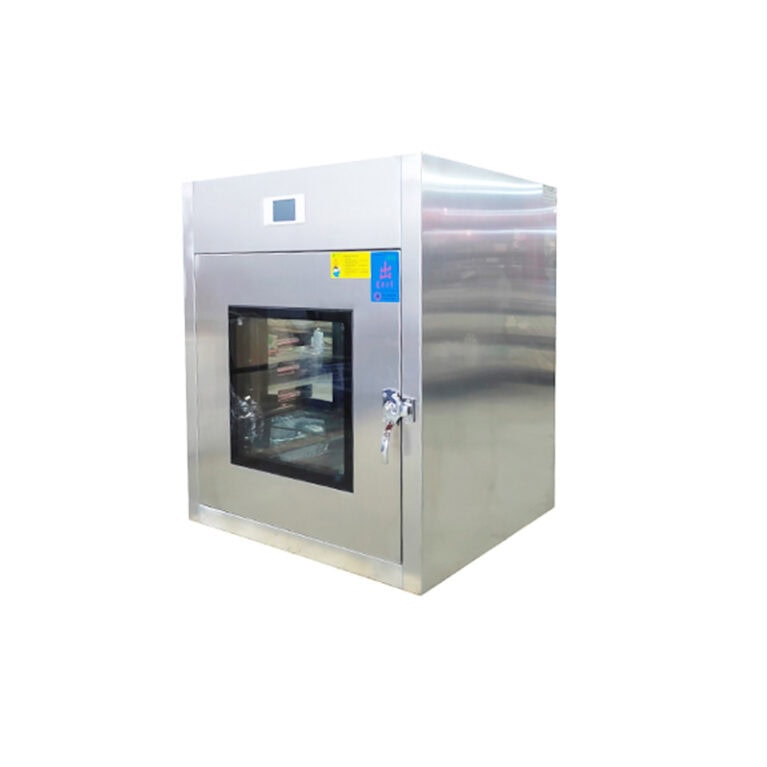
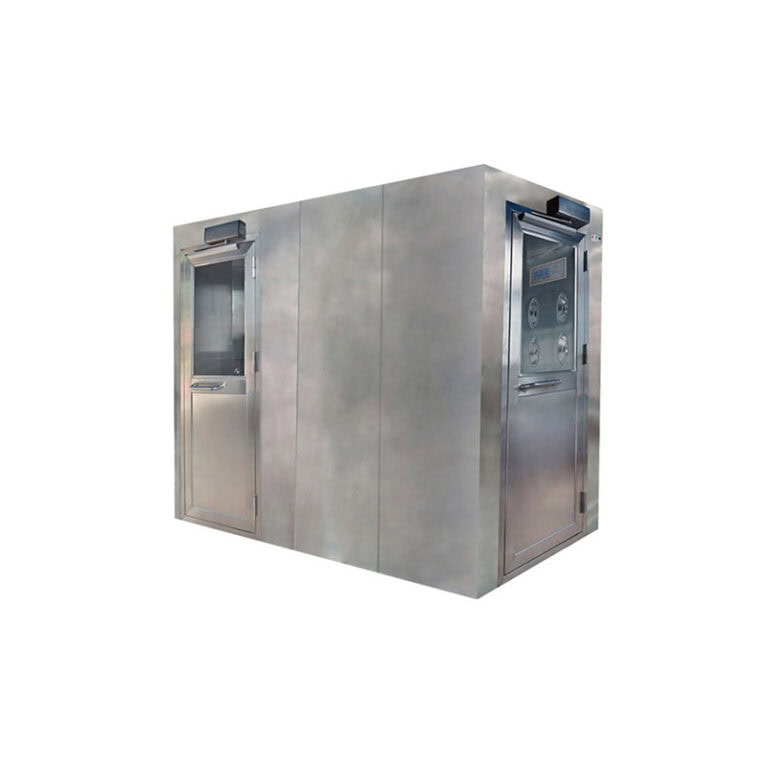
Install it within the partition between the clean area and the non-clean area. Avoid placing it close to dust-producing, damp, or highly-vibrating equipment.
Reserve maintenance space to facilitate the replacement of high-efficiency filters, lamps, and wiring in the future.
Wall Hole Opening and Fixation
The opening size should be slightly larger than the outer frame of the transfer window. Leave a 10-20mm gap around it.
Fix it firmly with expansion bolts. The box must be level and vertical to avoid door deformation and poor closure.
Sealing is of utmost importance (core for preventing contamination)
The gap between the box and the wall must be fully sealed with sealant / foaming agent + sealant. There should be no gaps or holes.
The door sealing strip must be complete, undamaged, and without distortion. It should be tightly pressed without light leakage after closing.
Interlock Function Must Be Adjusted Correctly
Electronic / Mechanical Interlock: When one door is opened, the other door must be absolutely unable to open.
After powering on, repeatedly test: Door A opens → Door B locked; Door A closed → Door B can be opened.
Electrical Installation
Power Supply: AC220V/50Hz, independent socket / circuit, with grounding.
The wiring of ultraviolet lamps, fans, and indicator lights is correct. The logic of the control buttons is normal.
Post-installation Inspection
The appearance should be free of scratches, the weld seams should be smooth and flat, and it should be easy to clean.
The door opening and closing should be smooth, the sealing should be good, the interlock should be effective, and the ultraviolet lamp should light up normally.
II. Daily Maintenance and Care (GMP Friendly Version)
Cleaning
Clean the inner and outer surfaces, doors, glass, and door handles with 75% alcohol or a dedicated disinfectant for cleanrooms every day.
There should be no dead corners, no water accumulation, and no residues.
Ultraviolet Disinfection Lamp
It is recommended to turn on for 15-30 minutes before each transfer.
Replace it every 1000 hours or every 6-12 months (according to your company’s SOP).
When replacing it, record: replacement date, lamp model, usage duration, and person in charge.
Door and Sealing
Regularly check the sealing strip: no aging, no deformation, no detachment.
Regularly apply a small amount of cleanroom lubricating grease to the hinges and hinges of the door.
If the door is not closed properly or there is air leakage, deal with it immediately.
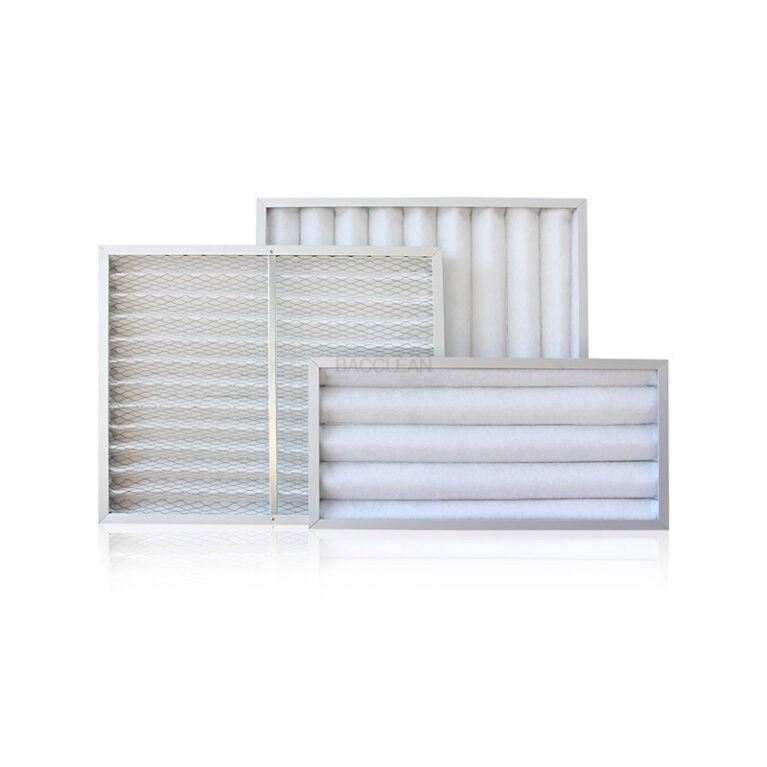
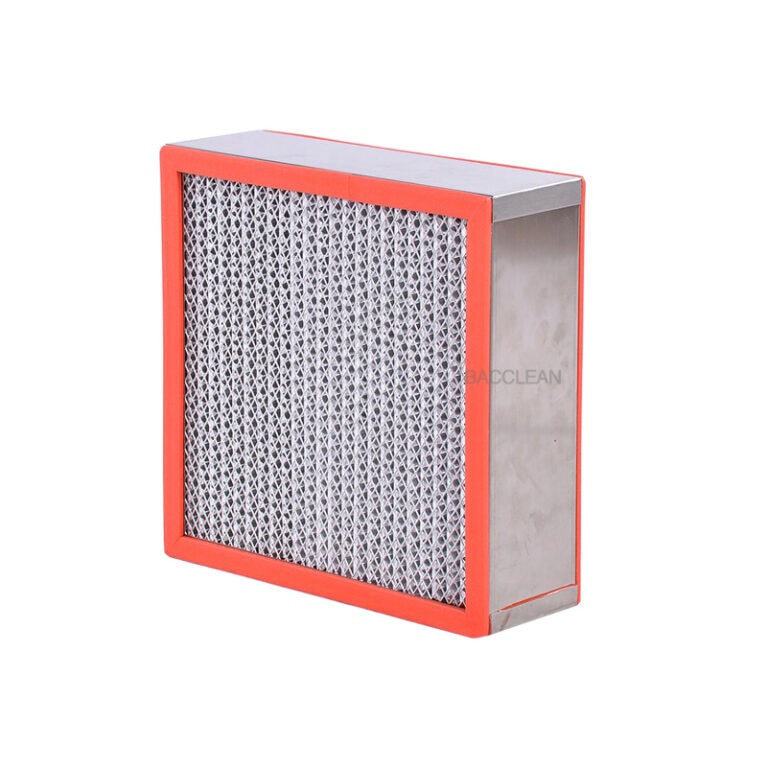
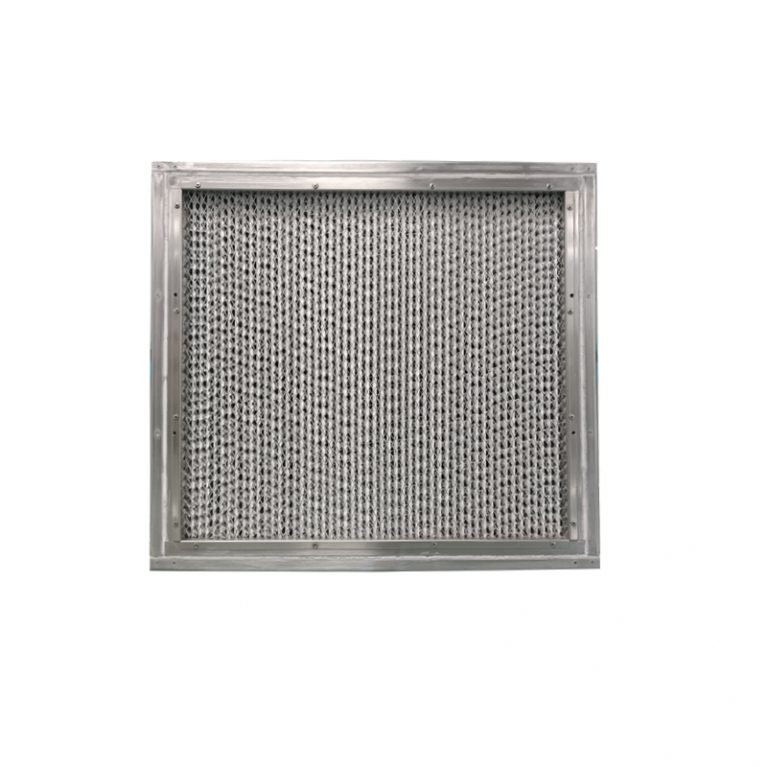
High-efficiency Filters (Wind Shower / Laminar Type)
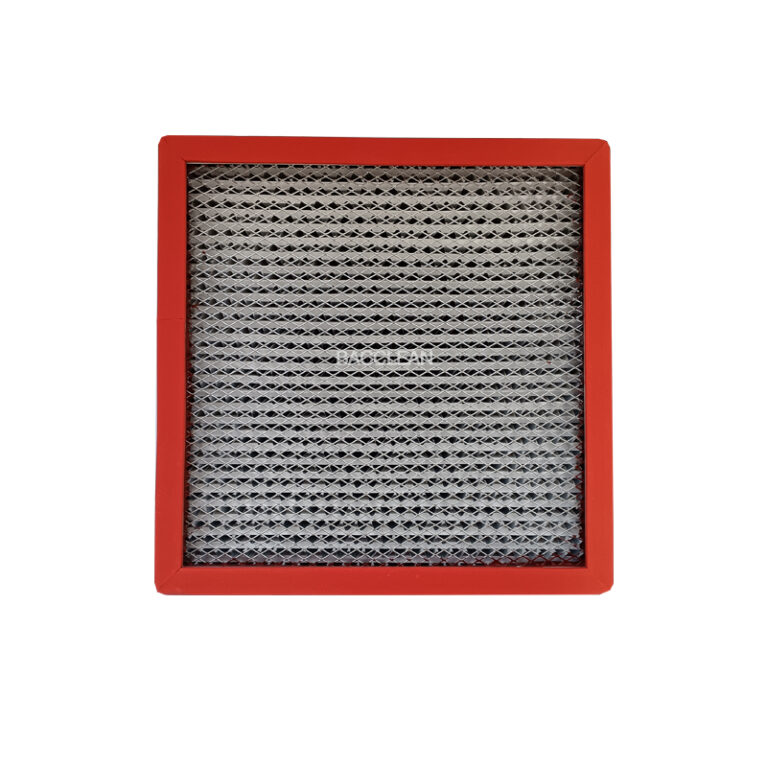
Generally, replace them every 1-2 years, depending on the usage environment and pressure difference.
Replace them when the wind speed significantly decreases, the pressure difference is too low, or there is leakage during leak detection.
After replacement, confirm the leak detection, pressure difference, and self-cleaning time.
Interlock System
Test the interlock function weekly to ensure it is normal.
If the electronic interlock malfunctions or gives an error, first check the power supply and door magnetic switch. Do not forcibly pry it open.
Maintenance Records (Compliance Key Points)
It is recommended to record:
Daily Cleaning Records
Ultraviolet Lamp Use / Replacement
High-efficiency Filter Replacement, Leak Detection
Fault Repair, Component Replacement
Meet GMP: traceable, inspectable, verifiable.
III. Prohibited Behaviors (Avoiding Pitfalls)
It is strictly prohibited to open both doors simultaneously, which will directly disrupt the pressure difference in the clean area and cause contamination.
It is strictly prohibited to transfer items that are overweight, oversized, sharp, or forcefully dropped to prevent deformation and air leakage.
It is strictly prohibited to use highly corrosive, high-acid-base cleaning agents to damage stainless steel and seals.
It is strictly prohibited to dismantle the interlock or short-circuit the door lock privately.