Applications of Explosion-proof FFU Frequency Conversion Speed Regulation
1. Shift Work Peak-Battling Production Workshop
Lithium battery, pharmaceutical, and fine chemical plants, ensuring cleanliness during the day shift with high wind speed; reducing production during night shift and stopping to maintain low speed and stable pressure, adjusting consumption as needed.
2. Multi-Level Zone Cleanrooms
Dividing the same factory into ISO5/7/8 different clean areas, independently adjusting speed for each zone, matching the ventilation standards of each area.
3. Hazardous Gas Control Zones
Electrolyte, ethanol, hydrogen and other places, automatically increasing speed and strong ventilation when gas concentration exceeds the limit; reducing speed and operating normally when concentration drops.
4. Combustible Dust Production Workshop
Aluminum powder, drug powder, powder processing areas, increasing air volume during dust generation periods to suppress dust, and operating at low speed during shutdown periods to maintain the environment.
5. Temperature and Humidity Pressure Differential Control Area
When the temperature and humidity in the workshop fluctuate, automatically adjust the wind speed, stabilize the airflow gradient, and avoid imbalance in cleanliness.
6. Night Shift and Holiday Maintenance
During production suspension and holiday periods, maintaining the basic positive pressure at a low speed to prevent the invasion of external pollutants, without full-load operation.
7. Equipment联动 and Collaborative Operation
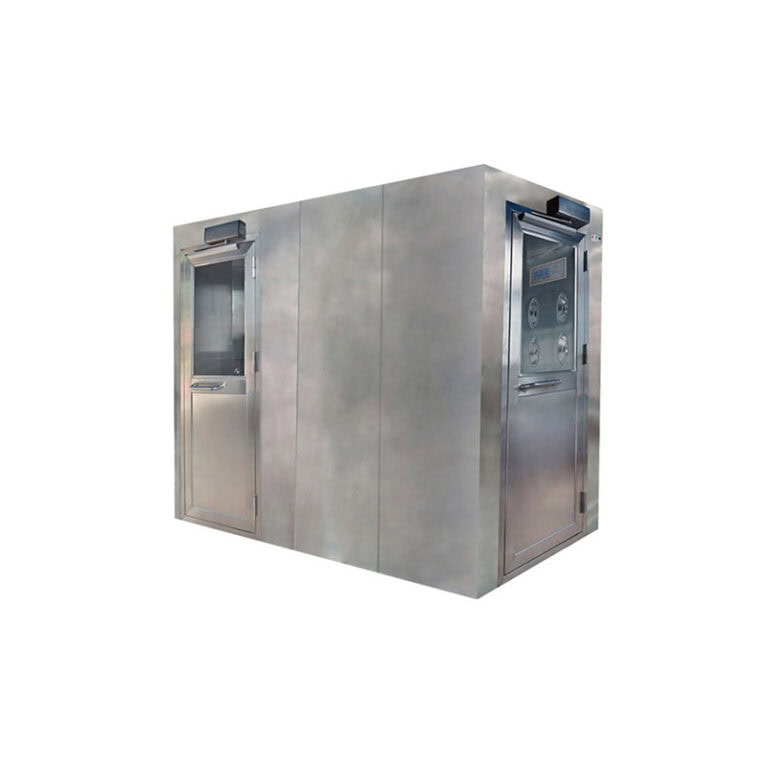
Combined with air conditioning units, explosion-proof exhaust, and air shower rooms, adjusting air volume simultaneously during loading and unloading goods, and starting and stopping production lines.
8. Filter Screen Aging Adaptation Scenario
As the filter screen gradually becomes clogged and resistance increases, slightly increasing the speed to compensate for the air volume, ensuring the air supply effect and delaying the replacement cycle.
9. Smart Factory Centralized Control Scenario
Managing multiple FFU clusters in the entire factory, adjusting speed in batches, and operating at regular intervals, adapting to the production rhythm of automated production lines.
10. Fire Emergency Scenario
After a fire alarm is triggered, automatically reducing speed or stopping operation, blocking the spread of fire through the air duct, meeting the requirements of explosion-proof fire protection regulations.