
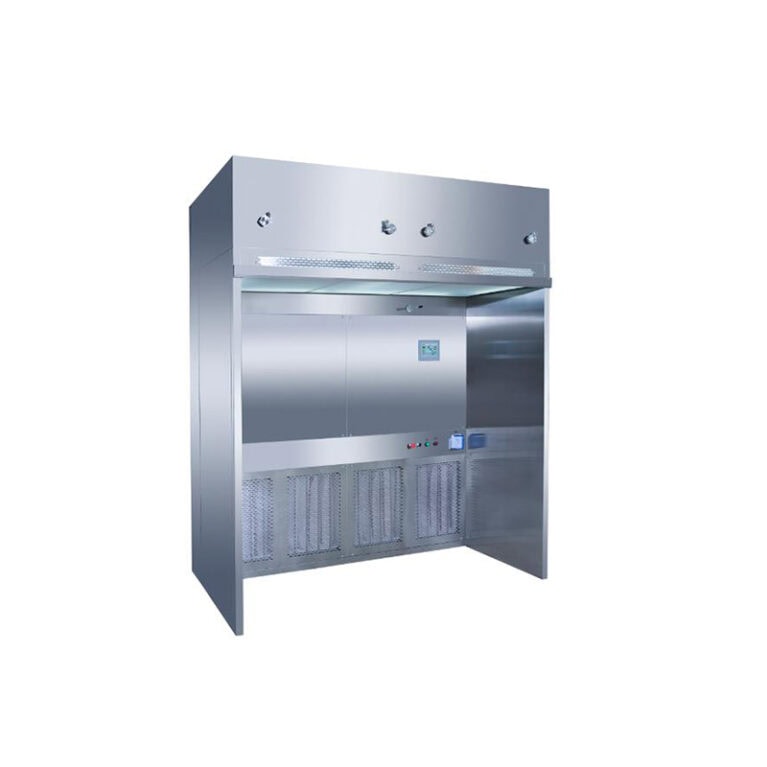
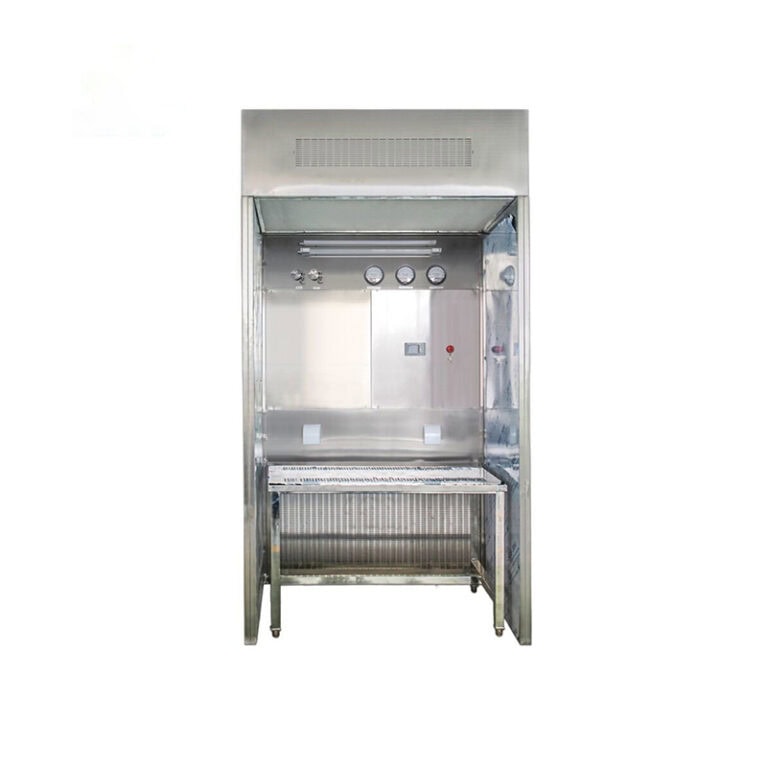
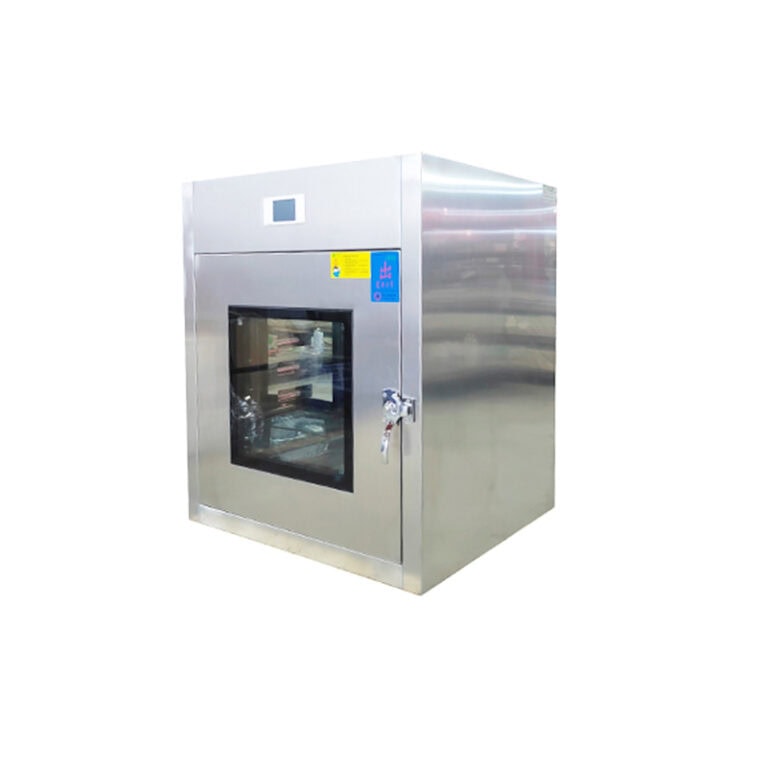
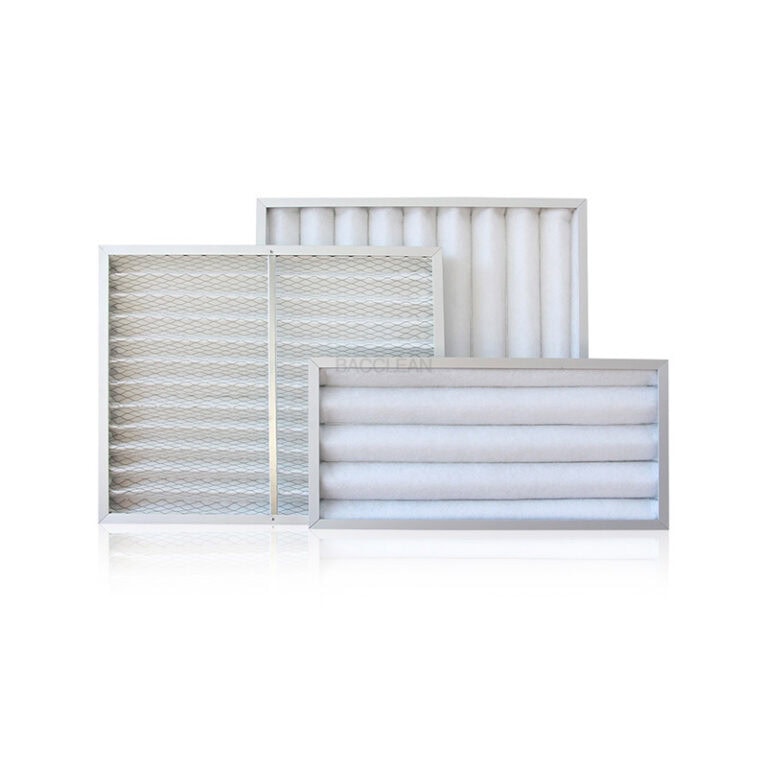
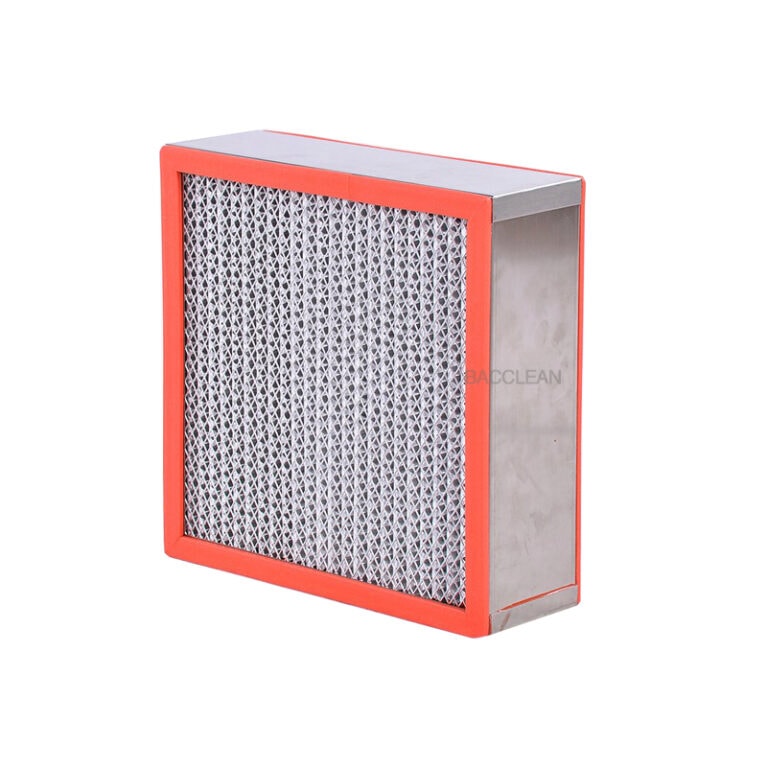
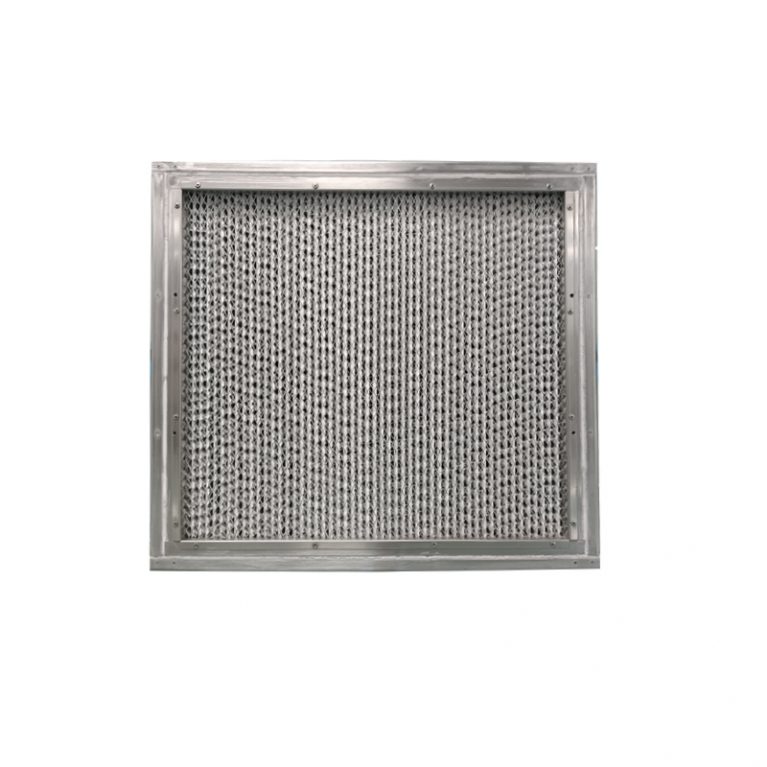
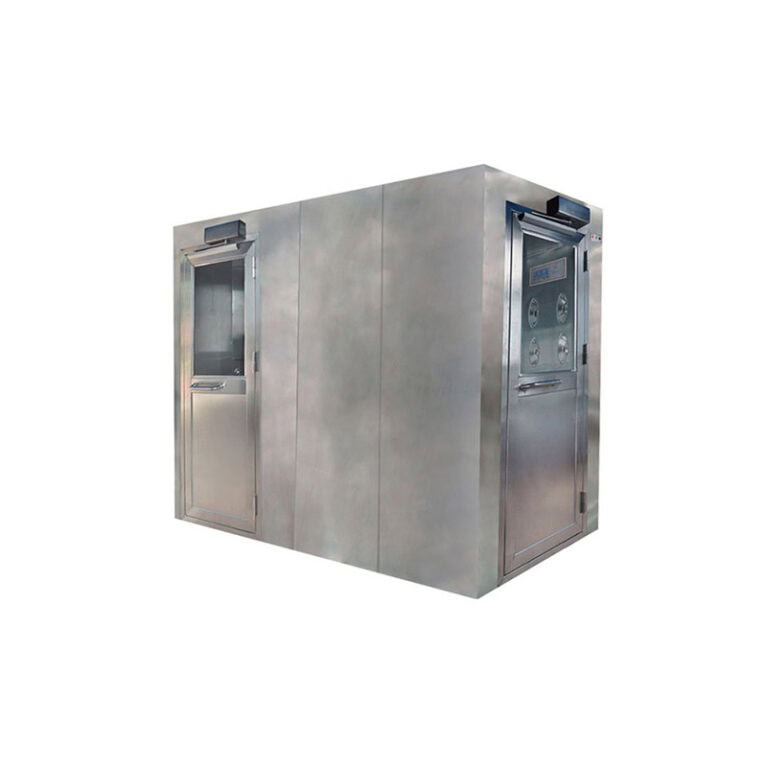
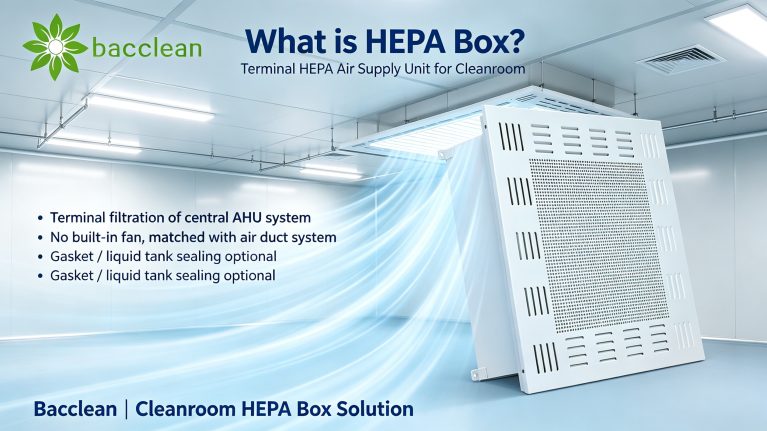
Many customers confuse it with FFU and laminar flow ceiling: FFU comes with an integrated fan for independent circulating air supply; laminar flow ceiling provides large-area unidirectional flow protection; the HEPA box is a duct-matched terminal, suitable for central air conditioning schemes for the whole plant.
1. Working Principle
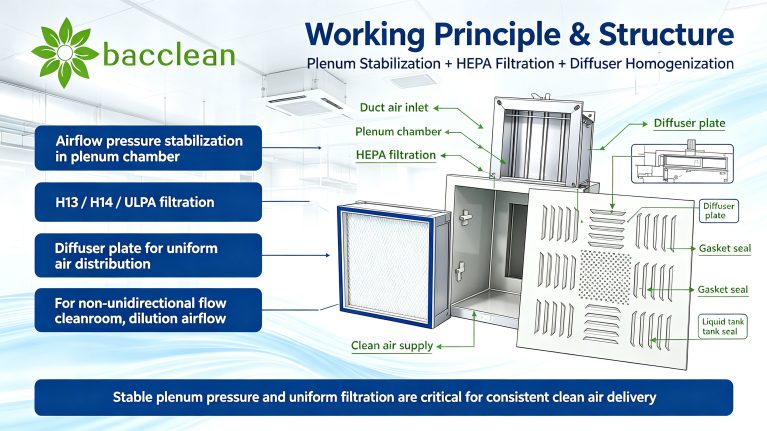
Air that has passed pre-filter, medium-efficiency filtration as well as temperature and humidity regulation by the air conditioning system is delivered into the plenum chamber of the HEPA box through air ducts. The airflow expands inside the plenum, converting dynamic pressure into static pressure to eliminate air pressure fluctuation, so that the air inlet pressure on the entire filter surface stays uniform and avoids local over-speed airflow and deflection. The stabilized airflow passes through the HEPA filter to intercept submicron dust, aerosols and attached microorganisms. The filtered clean air flows through the lower diffuser plate for flow homogenization, and is sent into the clean room at a stable velocity. Cooperating with room return air outlets, it establishes a pressure gradient to prevent reverse infiltration of air from low-cleanliness zones and maintain stable room cleanliness.
Its airflow characteristic: It is mostly used in non-unidirectional flow cleanrooms. After air supply diffusion, dilution and replacement airflow is formed inside the room. Continuous clean air supply dilutes pollutants generated by personnel and materials in the space, which is obviously different from the vertical piston flow of laminar equipment.
2. Basic Structure Composition
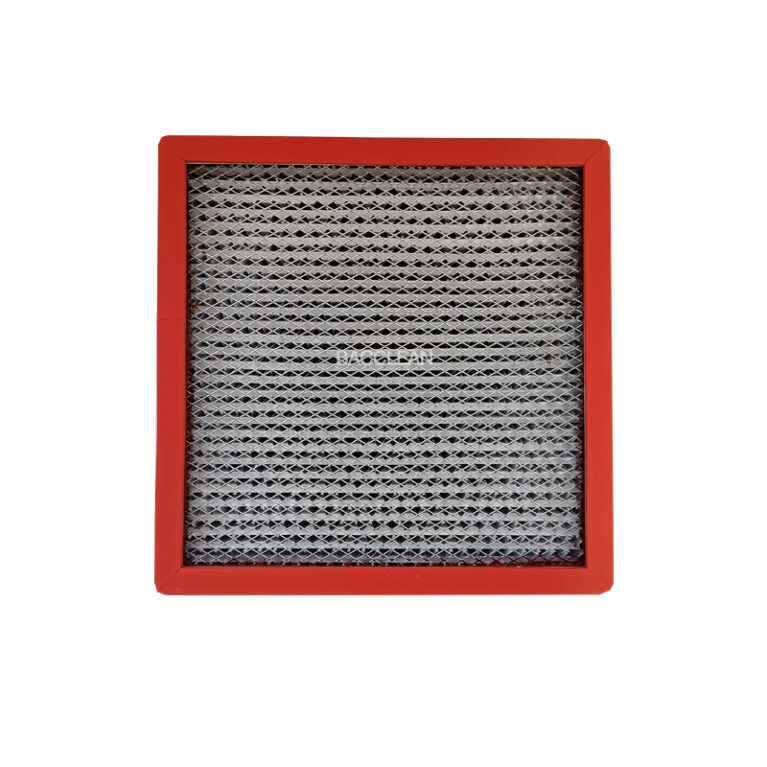
A complete HEPA box consists of plenum chamber, HEPA filter, sealing structure, diffuser plate, optional air damper and test port.
- Plenum chamber: Mainly made of cold-rolled steel plate with powder coating. 304 stainless steel is selected for scenarios with frequent disinfection and high humidity corrosion. The chamber must guarantee air tightness to reduce bypass air leakage. An air duct interface is reserved on the side of the chamber, and an air volume regulating damper can be installed on demand for on-site air balance commissioning.
- فلتر HEPA: Core filtration component. H13 and H14 grade HEPA are commonly used; ULPA ultra-low penetration air filters can be adopted for ultra-high cleanliness scenarios. Filtration efficiency determines the particle level of air sent into the room, and it is also the key object of GMP validation.
- Sealing type: Divided into gasket seal and liquid tank seal. Gasket seal relies on compressed rubber sealing strips, with moderate cost, mostly used for ordinary Class D and auxiliary clean rooms. Liquid tank seal adopts jelly glue liquid sealing structure, where the filter knife edge is embedded in sealing glue. It features strong self-healing property and low risk of air leakage caused by aging. It is preferred for pharmaceutical Class B/C and high-standard clean projects, and convenient for PAO (DOP) leak detection and acceptance.
- Diffuser plate: Porous flow homogenization plate, which breaks concentrated airflow, reduces air supply velocity, avoids jet flow and eddy current, prevents dust re-suspension caused by close-range direct blowing, and optimizes indoor airflow organization.
- Test port: Differential pressure monitoring port, aerosol generation and sampling port, used for daily resistance monitoring and filter integrity leak testing to meet IQ/OQ validation requirements.
3. Main Application Scenarios
- Pharmaceutical workshops: Class D clean zones, changing rooms, buffer rooms, material temporary storage and auxiliary packaging areas. Liquid tank sealed versions are adopted with complete validation documents. Class A core filling areas generally do not adopt single-point HEPA boxes, and laminar flow ceilings or laminar flow hoods are preferred instead.
- Medical device and cosmetic clean workshops: Assembly, packaging and inspection clean rooms to build stable central air supply systems and control airborne bacteria and settling bacteria.
- Electronic, optical and precision processing workshops: Ceiling air supply for Class 10000 and Class 100000 clean workshops to control suspended particles, suitable for unified planning of large-area clean workshops.
- Food SC workshops, clean laboratories and auxiliary rooms of animal houses, used as terminal air supply equipment for central air conditioning, cooperating with room pressure difference control.
4. Core Parameters for Selection
- حجم الهواء المقدر: Calculated according to the room air change rate. The air volume of a single air outlet is fixed, and the total air supply volume of the room is matched by arranging quantity. Air volume balance is the key of cleanroom commissioning.
- Filter grade & sealing: H13 for conventional use; H14 + liquid tank seal for GMP high-standard zones, on-site PAO leak test must be supported.
- Box material: Cold-rolled steel powder coating for ordinary workshops; 304 stainless steel for frequently disinfected and humid environments.
- Diffuser type: Ordinary porous diffuser plate is the main choice; swirl diffuser plate can be selected for some special rooms to improve airflow diffusion effect.
- Differential pressure monitoring: Differential pressure gauge as standard configuration to read filter resistance directly, serving as the basis for replacement. Excessive resistance indicates filter clogging.
- Noise control: The air outlet itself does not produce fan noise. The noise source comes from the front air conditioning duct and fan. Vibration reduction and noise elimination for ducts shall be designed.
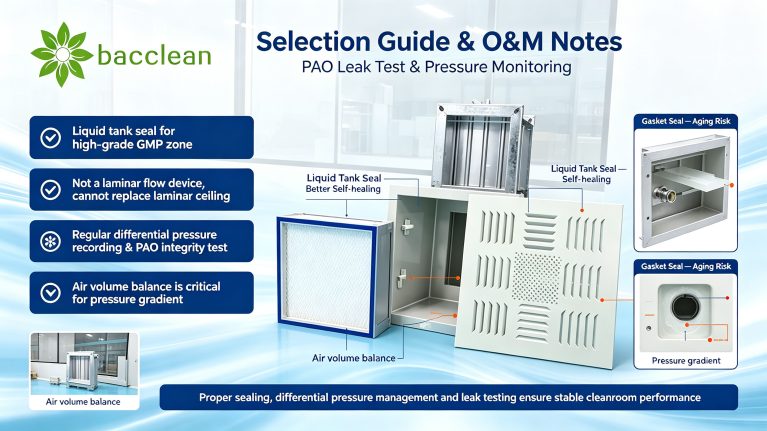
5. Common Misunderstandings in Design, Operation & Maintenance
Misunderstanding 1: Treat HEPA box as unidirectional flow equipment. Simply assembling multiple ordinary HEPA boxes cannot form stable laminar flow. It cannot replace laminar flow ceiling for Class A unidirectional flow protection zones, and airflow interference easily generates turbulent flow. Misunderstanding 2: Ignore the risk of air leakage at seals. Gaskets will harden and age after repeated wiping by alcohol and disinfectants, resulting in bypass air leakage. Even if the filter itself is qualified, the particle concentration in the room will still exceed the standard. Liquid tank seal is preferred for high-grade projects. Misunderstanding 3: Inadequate air volume commissioning. The air outlets are installed only according to drawings without air balance adjustment, resulting in insufficient air supply in some rooms, out-of-control pressure difference and fluctuating cleanliness. Misunderstanding 4: Skip leak detection after filter replacement. Without PAO integrity test after filter replacement, hidden pollution caused by installation gaps and filter material damage will lead to failed acceptance.
Daily operation & maintenance points: Record filter differential pressure regularly and replace the filter when reaching final resistance; conduct periodic integrity leak test for filters; wipe the box surface to keep clean; take protection measures in clean areas during filter replacement to avoid workshop contamination in the disassembly process.
Conclusion
The HEPA box is the terminal filtration unit of central air-conditioning clean systems. It is positioned to perform the final purification of pre-treated air, and provides stable clean air supply for large-area non-unidirectional flow clean rooms through plenum pressure stabilization, high-efficiency filtration and diffuser homogenization. Compared with independent purification units with built-in fans such as FFU and clean booth, it relies on central air conditioning for unified management of temperature, humidity, fresh air and pressure difference, which is suitable for systematic and large-scale clean factories. During selection, match the sealing method and filter specification according to cleanliness grade and validation requirements, and cooperate with air volume balance and regular leak detection to continuously and stably achieve the control targets of particles and microorganisms in cleanrooms.
