
1. FFU Unit: Source of Clean Air
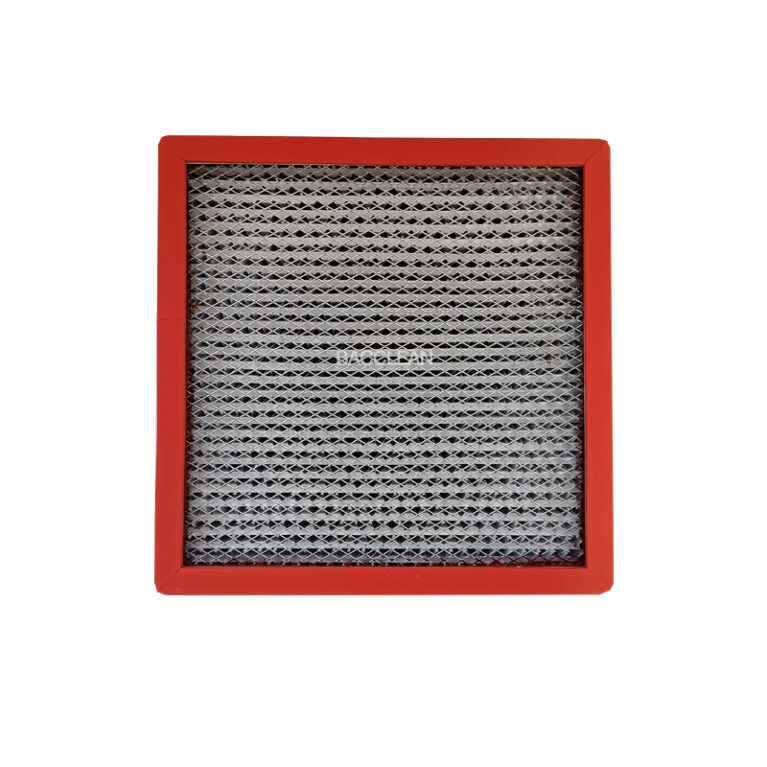
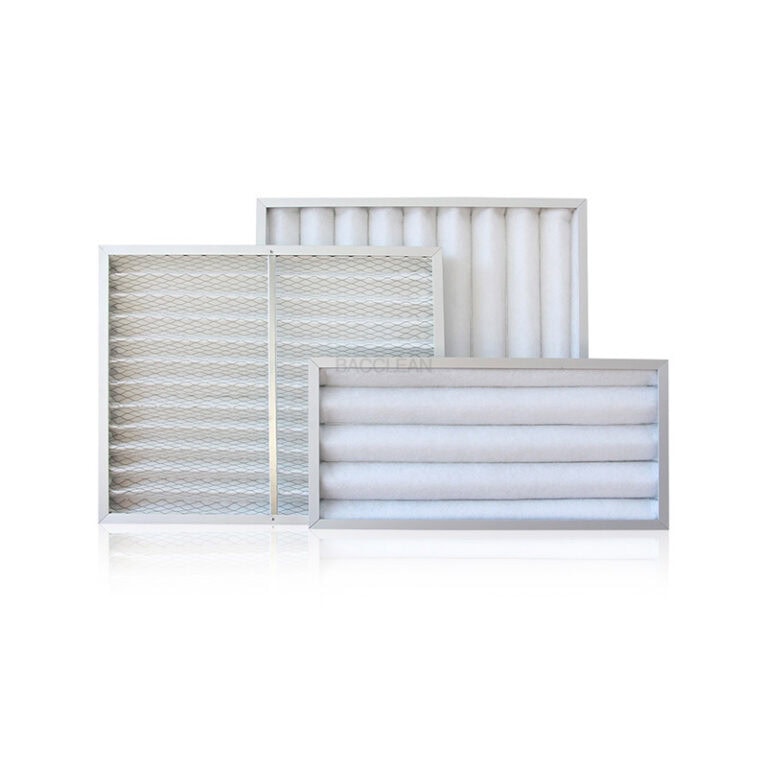
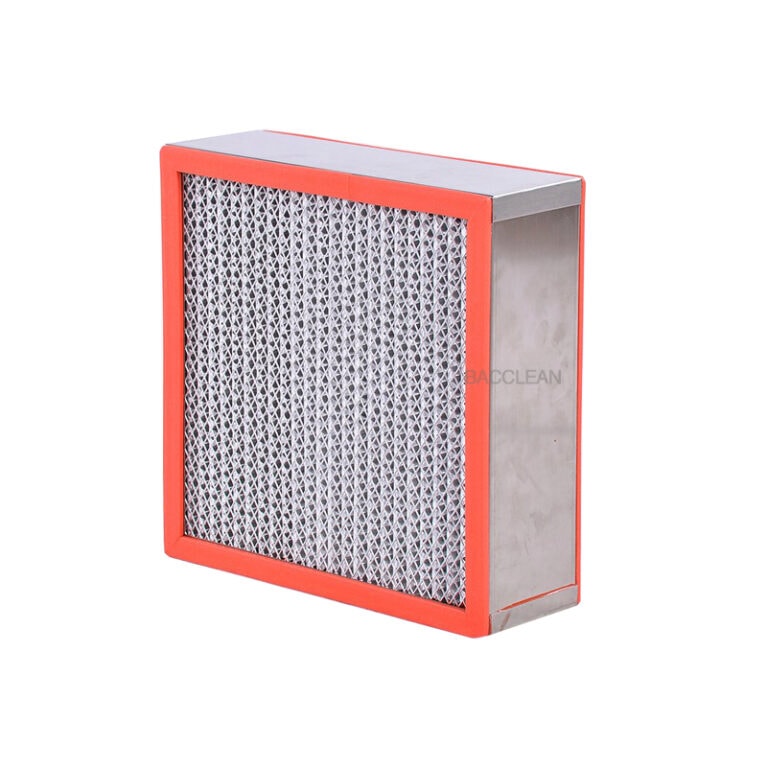
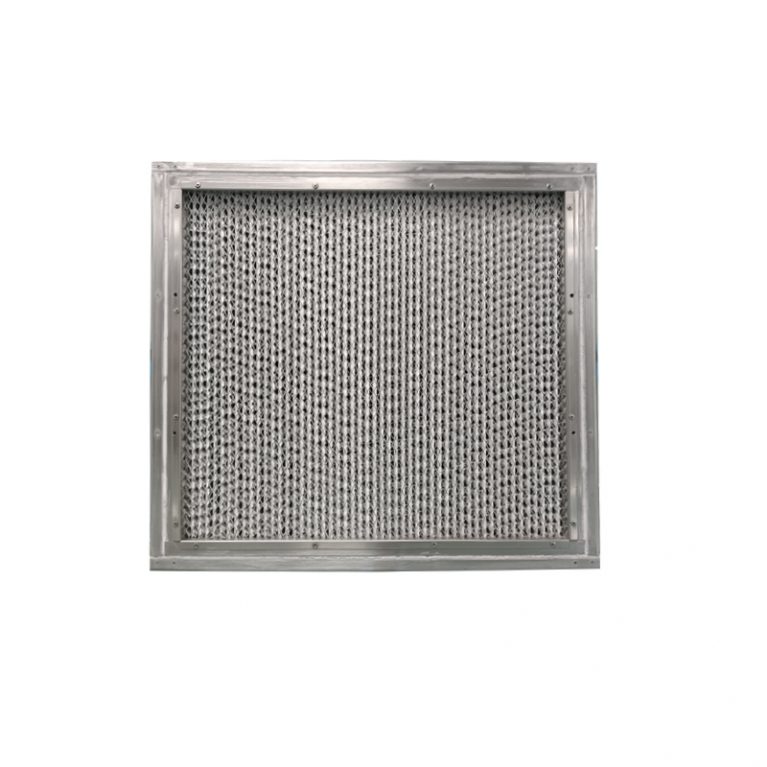
FFU (Fan Filter Unit) is mounted on the keel at the top of the clean booth, serving as the core of the whole purification system. Ambient workshop air is sucked in from the upper air inlet of FFU. Large dust particles and flocs are intercepted by the built-in pre-filter to protect the downstream high-efficiency filter. Then the fan pressurizes the airflow and sends it steadily into the HEPA/ULPA filter for deep filtration, removing submicron suspended particles, aerosols and attached microorganisms.
The filtered clean air is delivered vertically downward at the set velocity to form stable vertical unidirectional laminar flow inside the booth. The standard cross-section airflow velocity is controlled within 0.36~0.54 m/s. The airflow streamlines run parallel with low turbulence, acting like an “air piston” to continuously push dust, debris and airborne bacteria generated during operation downwards and discharge them through gaps at the bottom of the enclosure, preventing pollutants from suspending or spreading horizontally in the working zone.
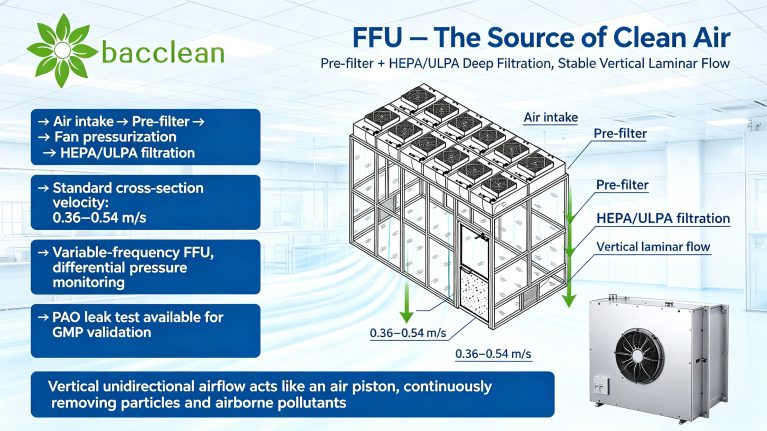
FFUs are available in fixed-frequency or variable-frequency versions. Variable-frequency models support unified speed regulation to precisely control the airflow velocity inside the booth and reduce superimposed noise caused by multiple units running simultaneously. Each FFU can be equipped with differential pressure monitoring to visually reflect the clogging status of the filter, providing a basis for regular replacement. For high-grade processes, filters can support PAO leak testing to meet GMP validation requirements.
2. Curtain Enclosure: Build Boundary and Block External Contamination
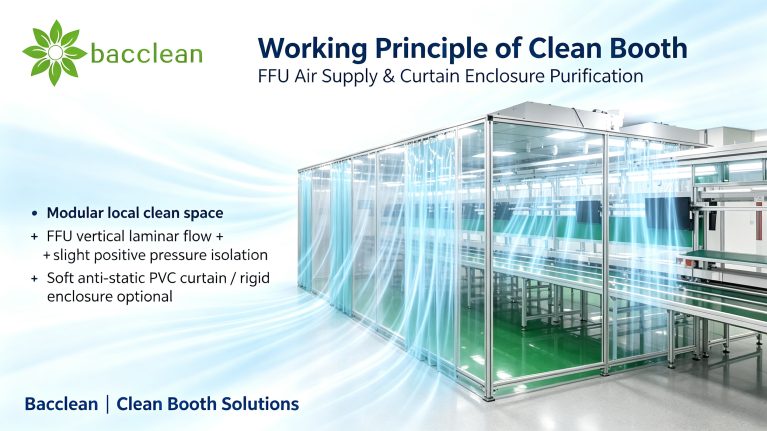
Clean air supplied only by FFUs cannot isolate dirty air outside the booth. The enclosure structure acts as the pollution isolation boundary of the clean booth. There are two mainstream types: soft enclosure (anti-static PVC curtain) and rigid enclosure (acrylic, tempered glass, clean color steel panel). Soft PVC curtain is the most widely adopted option for electronic assembly and production line workstations.
The curtain hangs down from the top frame close to the ground, enclosing the air supply zone of FFUs into an independent confined space. Continuous clean air supply keeps slight positive pressure inside the booth. The positive pressure prevents external dusty air from infiltrating reversely through gaps, cutting off external pollution at the source.
One key point to clarify: the curtain enclosure is not completely airtight. Soft-curtain clean booths have gaps at lap joints and material access openings. They are semi-closed structures and cannot achieve the strict air tightness of civil cleanrooms. Therefore, they are suitable for local cleanliness upgrading rather than core ultra-high-grade aseptic zones. For scenarios with strict requirements on sealing and microbial control, rigid enclosures with sealing strips shall be used to reduce gaps and improve isolation performance.
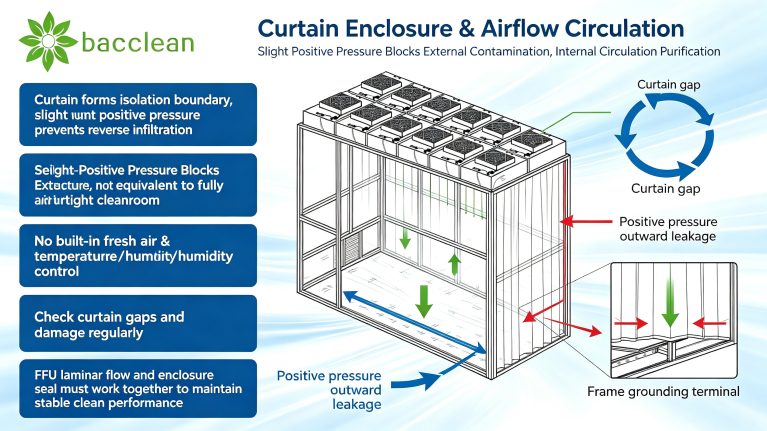
The enclosure also delivers anti-static performance. PVC curtains for electronics, lithium battery and optical industries are anti-static, cooperating with frame grounding to reduce static electricity generated by airflow friction and manual operation, so as to avoid electrostatic breakdown of components or dust adsorption.
3. Complete Airflow Circulation Path
- Ambient workshop air → upper air inlet of FFU → pre-filtration for large particle interception
- Pressurization by fan → HEPA/ULPA high-efficiency filtration → clean air delivered vertically downward in unidirectional flow
- Form laminar protective layer in the working zone of the booth and carry away generated dust and airborne pollutants
- Air mixed with pollutants is discharged outwards through gaps at the bottom of the curtain enclosure
- Discharged air returns to the workshop environment and is sucked into FFUs again for circulation, sustaining purification inside the booth
This circulation is an internal circulation purification mode. Generally, clean booths are not equipped with independent fresh air, temperature and humidity regulation systems. The temperature and humidity inside follow the external workshop environment. If the workshop suffers violent fluctuation of temperature & humidity or continuous fresh air supplement is required, an additional fresh air air handling unit should be equipped to supply fresh air and regulate temperature and humidity separately.
4. Cooperation Logic and Limitations of the Two Core Mechanisms
FFUs are responsible for “generating clean air” and removing pollutants produced inside the booth via unidirectional flow. Curtain enclosure plus slight positive pressure are responsible for “blocking external dirty air” and preventing outside pollution infiltration. Neither can work well alone.
- FFUs without enclosure: Without isolation boundary, the clean airflow will quickly mix with surrounding air, failing to form a stable local clean zone, and particle indicators can hardly reach the standard.
- Enclosure without stable FFU laminar air supply: The air inside the booth cannot be renewed. Dust accumulates continuously from personnel and materials, positive pressure cannot be maintained, and purification effect will disappear soon.
Meanwhile, it is necessary to recognize the limitations of this principle. Soft-curtain clean booths release pressure through gaps, resulting in low positive pressure value and weak resistance to external airflow disturbance. Strong wind at workshop doors, exhaust from large equipment and rapid access of personnel are likely to break the airflow state inside the booth and cause a temporary rise in particle concentration. Besides, the higher the background dust concentration of the external workshop, the heavier the load of FFUs, and the harder it is to stabilize the purification performance of the clean booth.
5. Key Control Points for Matching
- FFU layout density: Determined by target cleanliness level; higher cleanliness requires denser FFU arrangement.
- Airflow velocity control: If velocity is too low, thermal plume generated by personnel heat dissipation will break laminar flow; excessive velocity increases noise and may stir up dust on the ground for secondary pollution.
- Curtain maintenance: Regularly inspect curtains for damage and overlarge gaps at lap joints. Damaged curtains will directly destroy positive pressure and cause dust leakage.
- Noise and resonance: When multiple FFUs are arranged closely, vibration reduction treatment shall be added on the frame to avoid superimposed resonance of fan vibration.
Conclusion
The purification essence of a clean booth lies in the combination solution: FFUs provide vertical unidirectional clean airflow to replace internal pollutants, while curtain enclosures form isolation boundaries and block external pollution infiltration by slight positive pressure. Different from laminar flow hoods for single-point protection, it expands the clean area by enclosure boundaries and can accommodate production lines and multi-person collaborative operation. Compared with civil cleanrooms, the modular FFU & curtain structure features flexible assembly and disassembly and lower cost. Only by understanding this air supply and isolation principle can we properly match cleanliness grade and enclosure type during selection, and avoid common problems such as airflow disturbance and dust leakage.
