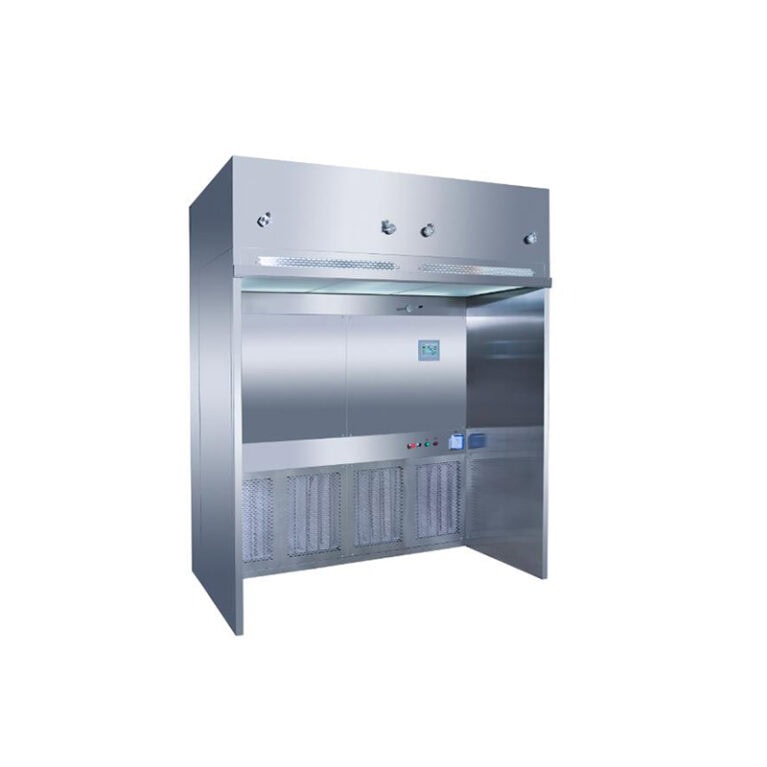
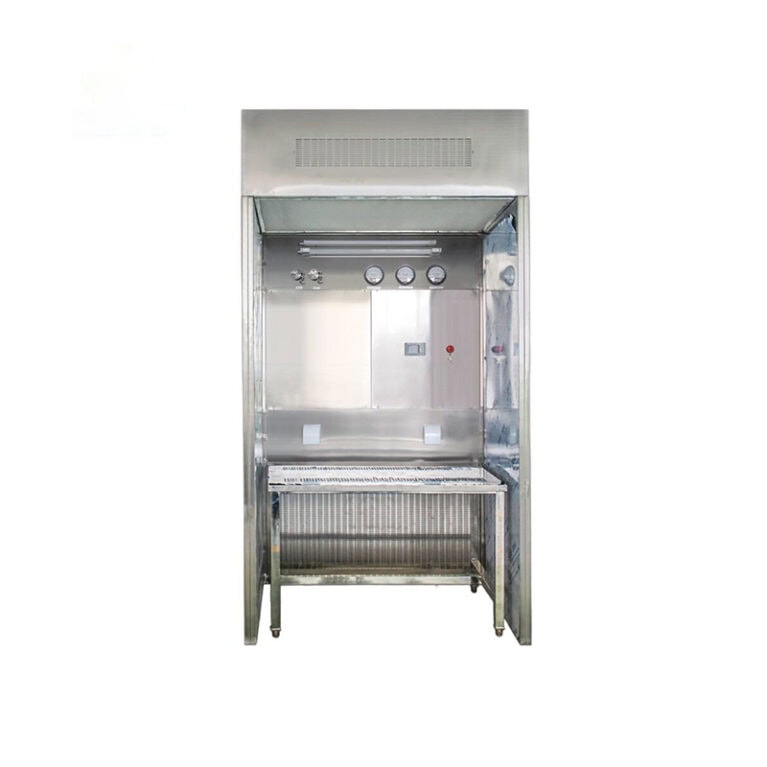
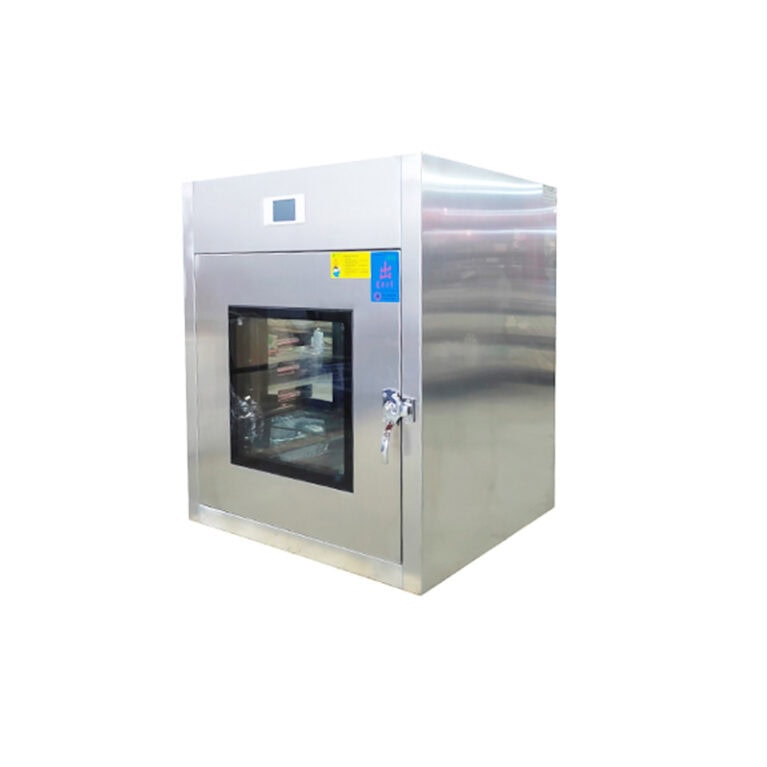
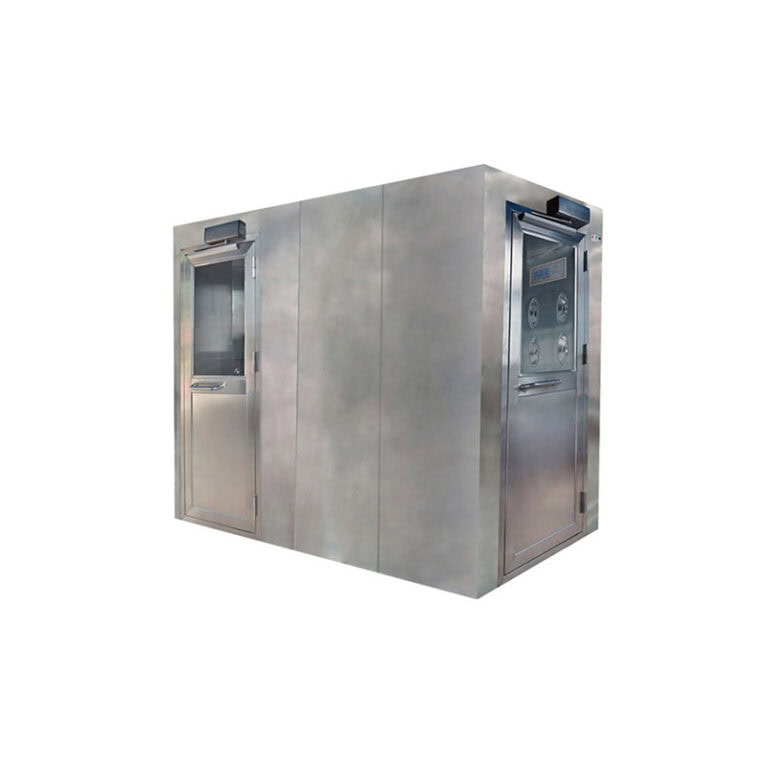
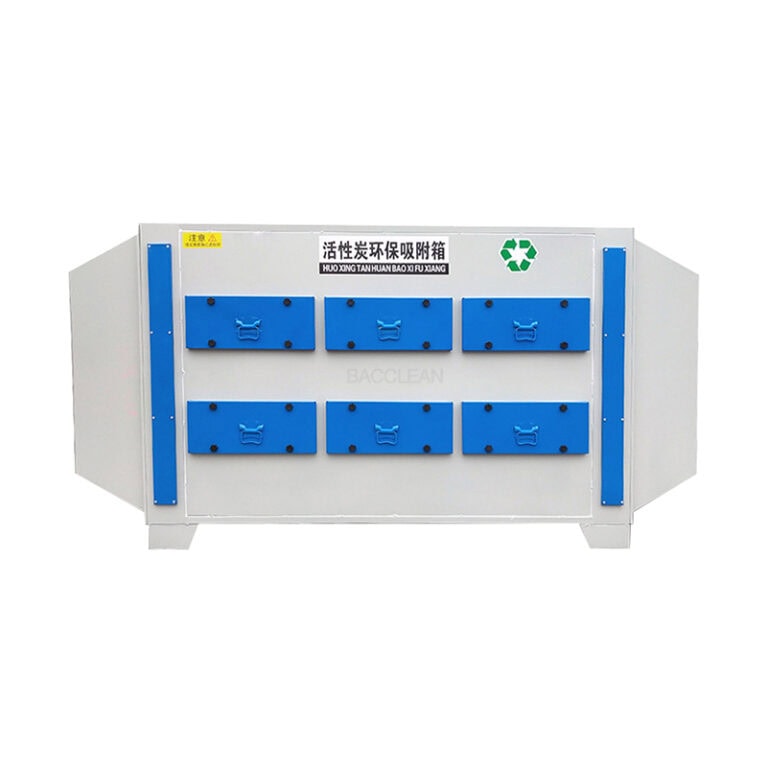
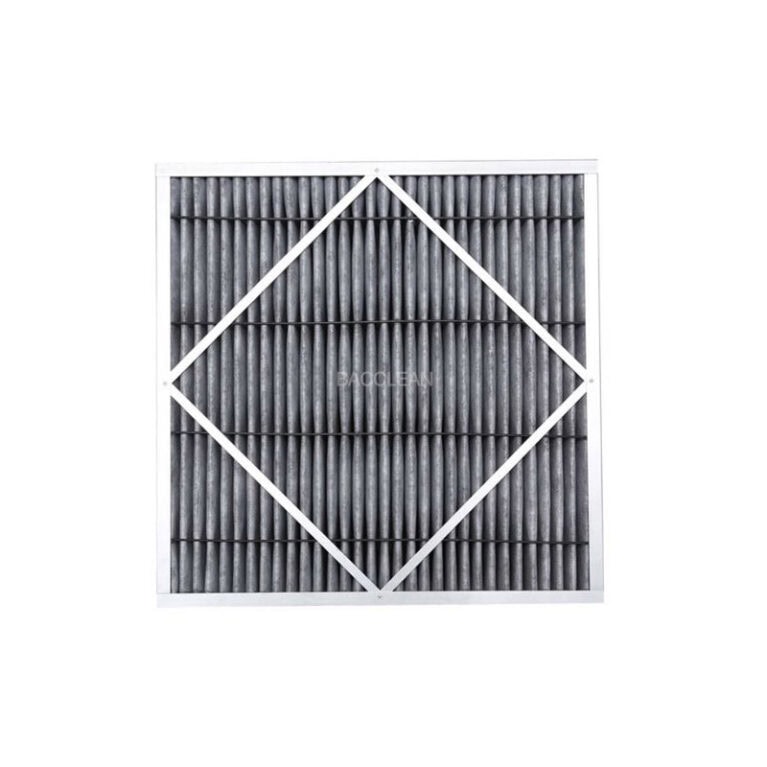
Core Principles: Electrical explosion-proof priority, static electricity not lost effectiveness, filters replaced on time, eliminate spark/static electricity hazards, balance clean function and explosion-proof safety.
I. Daily Maintenance (Daily/Shift)
Appearance and cleaning
Use dust-free cloths to wipe the inner walls, nozzles, door bodies, and glass. Do not use steel wool or sharp tools to avoid scratching and generating metal debris and friction sparks.
Clean the dust on the bottom return grille to keep the return air unobstructed and avoid dust accumulation.
Electrical safety inspection (explosion-proof focus)
Check the explosion-proof indicator light, emergency stop button, and infrared sensor for normal operation. Check if the explosion-proof junction box is sealed properly, without looseness, damage, or oil stains.
Check the grounding line: the grounding wire of the box is not loose or rusted, and the grounding resistance meets the explosion-proof requirements.
Operation status inspection
Start the test for the fan, spray shower, and double-door interlock function. The two doors cannot be opened simultaneously.
Listen for any abnormal sounds from the fan, and stop immediately if there are abnormal sounds to prevent the fan blade from rubbing the shell and generating sparks.
Static electricity inspection
No loosening of nozzles and stainless steel panels to avoid shaking and static electricity generation; keep the ground and spray shower room dry to reduce static accumulation.
Ii. Weekly maintenance
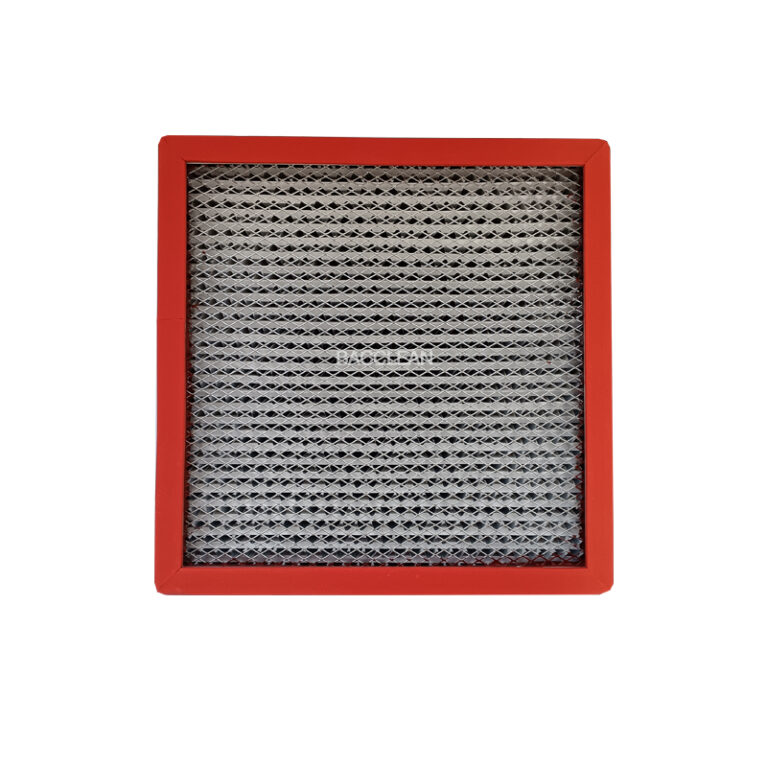
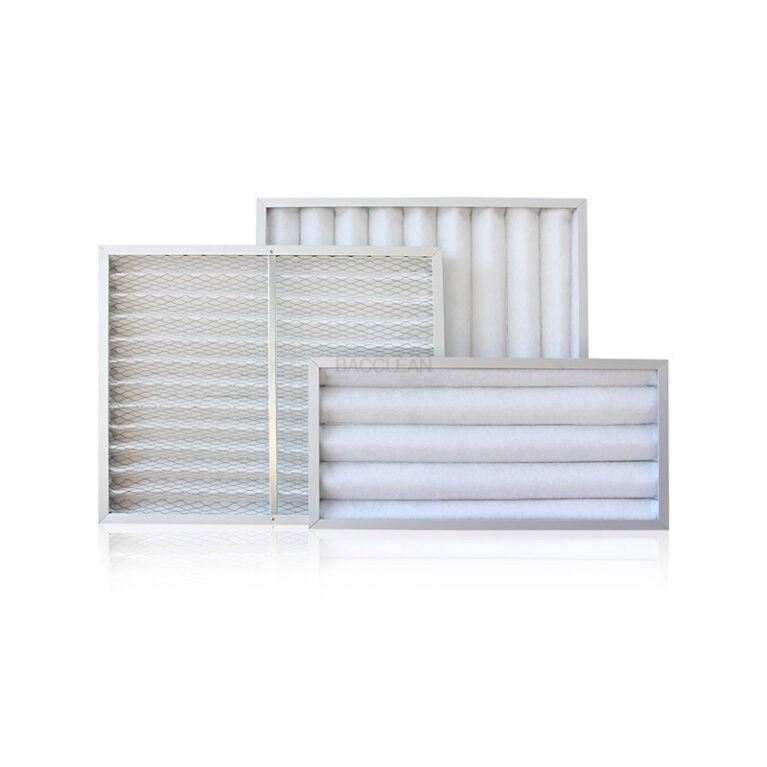
Thoroughly clean the surface dust of the primary filter, which can be washed or vacuumed. Replace it if it is severely clogged.
Check the nozzles: adjust the angle, clear the blockage, and ensure smooth air supply; tighten the nozzle screws, and there should be no looseness.
Check the door seals, explosion-proof door locks, and hinges, clean and apply anti-rust lubricating oil to ensure sealing and smooth opening and closing.
Check the explosion-proof cables, conduit pipes, and sealing joints, without damage or looseness to prevent combustible gas from entering the electrical chamber.
Iii. Monthly maintenance
Test the spray shower wind speed: standard 25–30m/s. If the wind speed is low, check if the primary or secondary filter is clogged, or if the fan is faulty.
Check the fan motor: the explosion-proof motor operates normally, without overheating, odor, or abnormal sounds.
Overall grounding test, static electricity performance test, to ensure no static electricity hazards.
Check the control panel, explosion-proof switch, and interlock system, calibrate the spray shower time.
Iv. Quarterly/Semi-annual Maintenance
Primary filter: generally replace every 3–6 months, for dust-laden lithium battery and chemical workshops, shorten to 2–3 months.
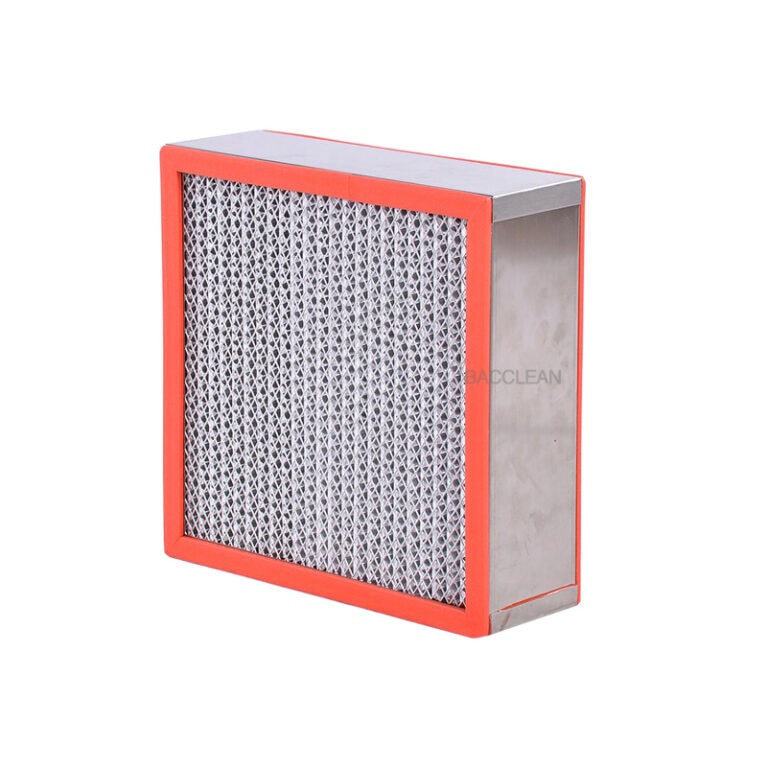
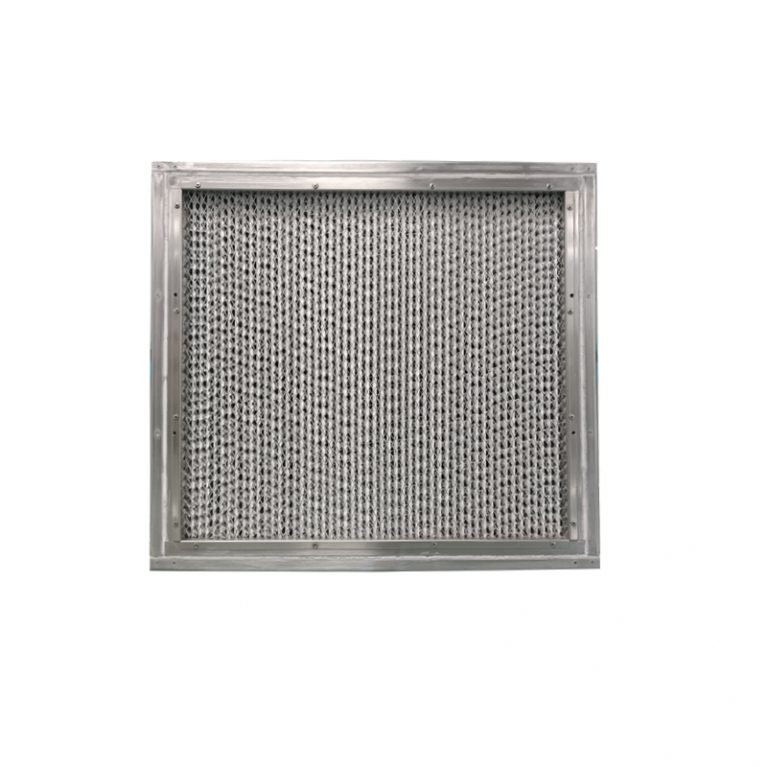
Secondary filter: replace every 6–12 months; If the pressure difference exceeds the standard, the wind speed drops significantly, or the PAO leak detection fails, it must be replaced.
Replacing the secondary filter requires stopping the machine and disconnecting the power supply. Strict explosion-proof power-off operation is required. Do not attempt to disassemble while powered on.
Completely tighten all explosion-proof electrical connectors, grounding terminals, and box screws.
Clean the dust inside the fan blades and static pressure box to prevent the risk of dust accumulation and spontaneous combustion.
V. Annual Major Overhaul and Maintenance
Replace all filters as a set, conduct leak testing for the secondary filter.
Disassemble and maintain the explosion-proof motor, add lubricating oil to the bearings, and check the insulation performance.
Comprehensively inspect the corresponding components of the explosion-proof certificate to strictly prohibit the use of non-explosion-proof accessories.
Remove rust from the box, apply sealant, check the sealing performance, and perform rust maintenance with 304/316 stainless steel.
Issue annual maintenance, grounding, wind speed, and explosion-proof test records.
Vi. Special Maintenance Taboos for Explosion-proof Safety (Very Important)
Do not privately modify the electrical system, replace ordinary non-explosion-proof fans, switches, sensors.
Do not open the explosion-proof junction box, control box while powered on. Must disconnect the power and hang a sign.
Do not use ordinary tools to strike or collide the box forcefully to prevent sparks.
Do not stack miscellaneous items or flammable substances inside. Do not smoke or use fire in the spray shower room.
In dust explosion environments (lithium battery, aluminum powder): Clean the dust daily, and prohibit excessive dust accumulation.
Vii. Simple Handling of Common Faults
Fan does not start: check if the explosion-proof emergency stop is pressed, power supply, interlock signals, and explosion-proof motor faults.
Wind speed decreases: clogging of the primary or secondary filter, dust accumulation on the fan blade, unstable voltage. Doors not interlocked: explosion-proof electromagnetic lock failure, loose wiring, abnormal controller.
Static alarm / poor grounding: loose grounding wire, rusted, promptly tighten and remove rust.