
Ceiling Fan Air Supply vs. Ordinary Air Inlets: Principles & Core Differences
I. Core Differences in Air Supply Principles
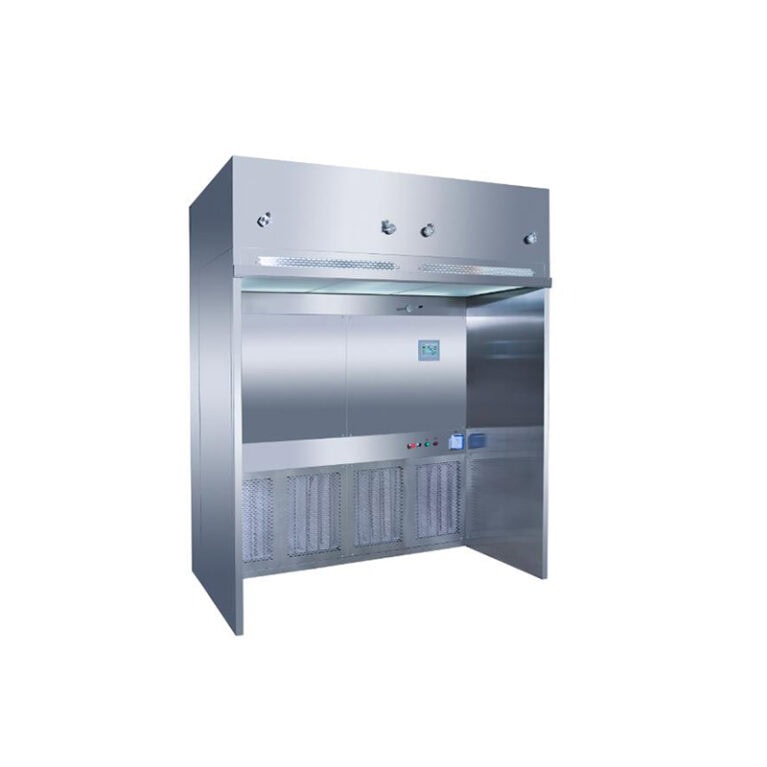
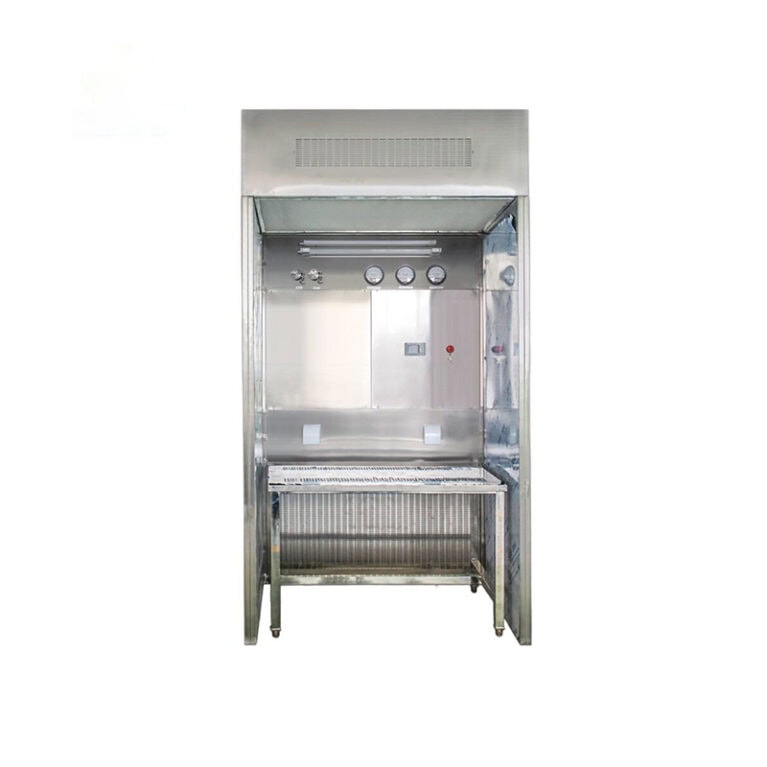
1. Ceiling Fan Air Supply (Laminar Flow Type)
Process: Collecting air and stabilizing pressure → Multiple-stage filtration → Rectification and uniform flow → Vertical Unidirectional Laminar Flow
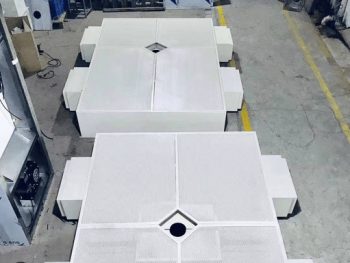
The air first enters a large volume static pressure chamber, where the high-speed air slows down and the overall pressure is balanced, completely eliminating turbulence;
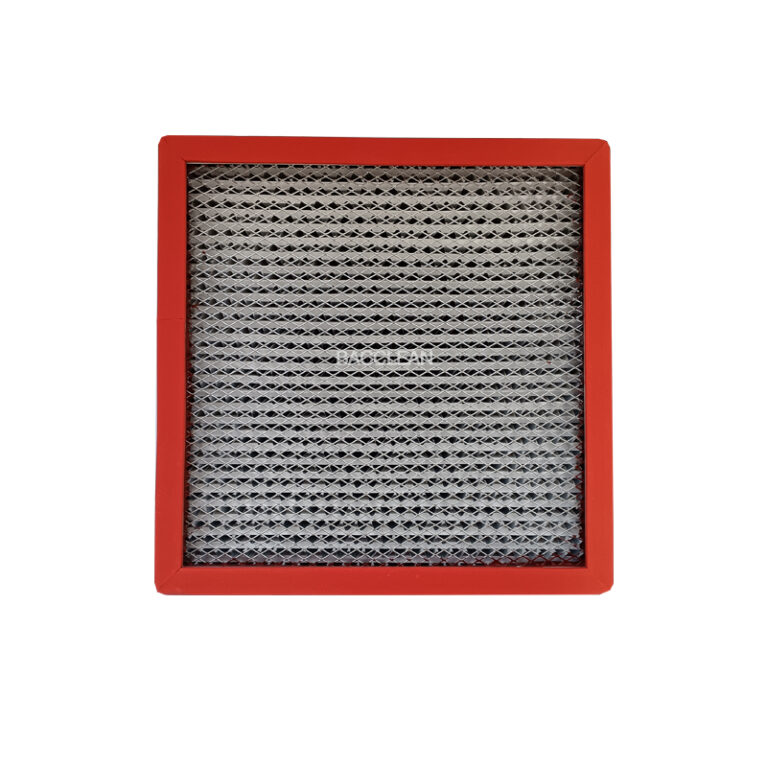
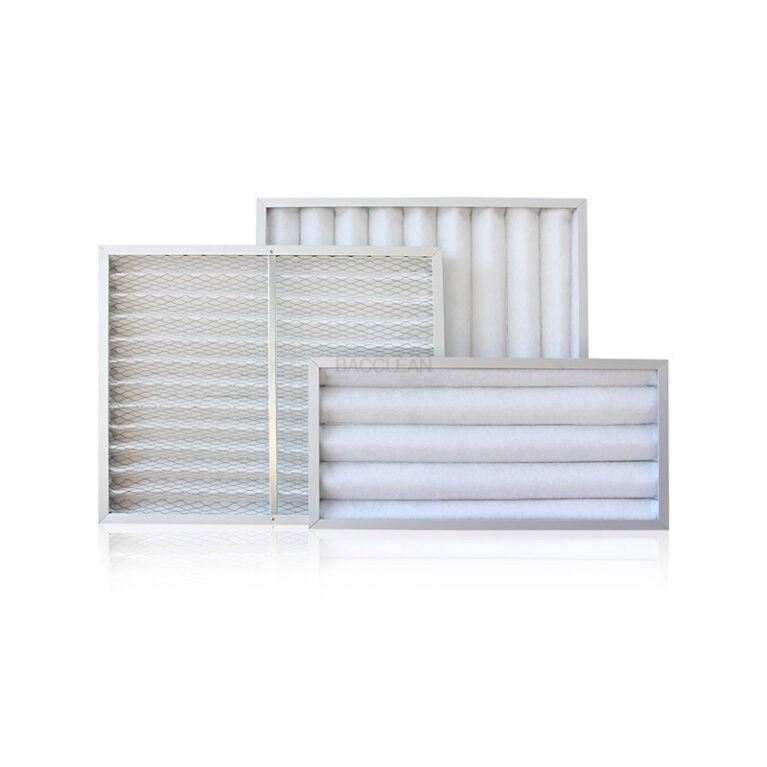
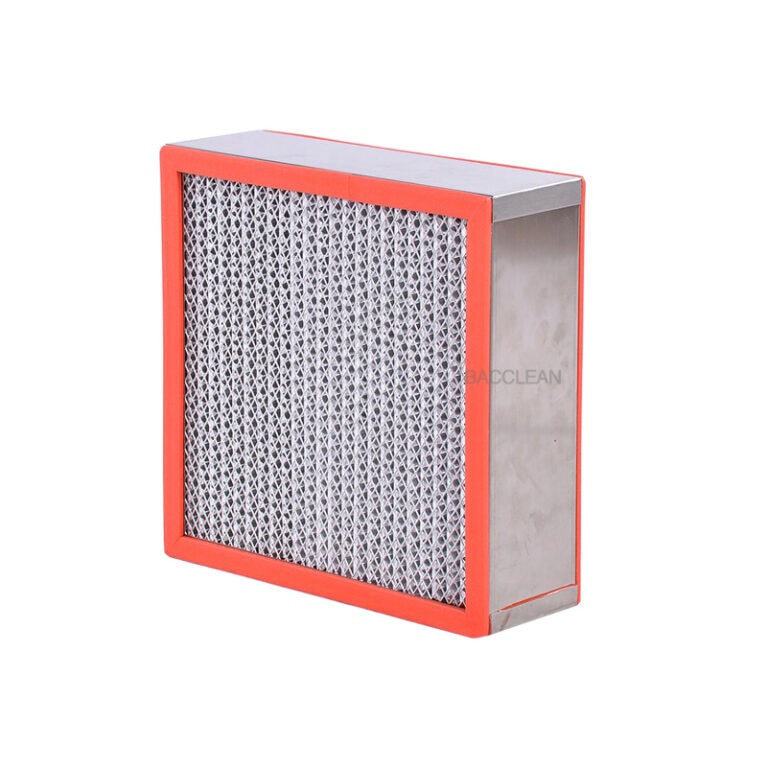
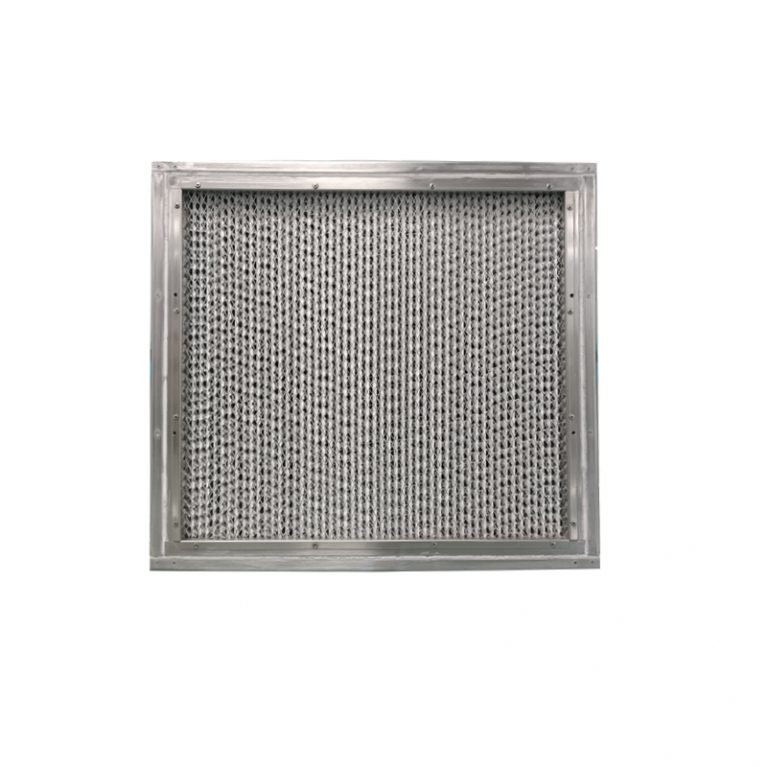
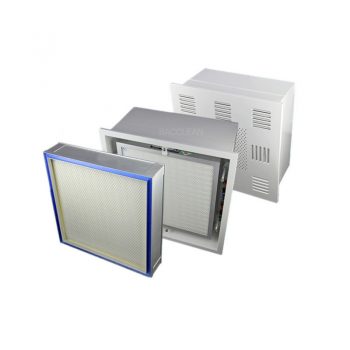
Then it passes through primary / intermediate / high-efficiency filters for deep purification;
Next, it is further rectified by orifice plates and uniform flow membranes, ensuring uniform wind speed across the entire surface;
The air flows downward in a low-speed vertical laminar flow (0.30 – 0.45 m/s) in a parallel manner, with no cross-flow or swirling.
2. Ordinary Air Inlets (Blade / Diffuser Inlets)
Process: Direct air discharge → Turbulent diffusion
There is no independent static pressure chamber. The air flow directly reaches the inlet through the duct, and the distribution of wind pressure and speed is uneven;
Mostly equipped with simple filters or no high-efficiency filtration, the purification capacity is weak;
The wind direction is changed by blades and diffuser plates, and the air flow presents a chaotic vortex and turbulent form, spreading and swirling in all directions;
The air flow speed is relatively high, and the flow lines are disordered.
II. Key Parameters & Characteristics Comparison
| Comparison item | Flush ceiling ventilation | Ordinary air outlet |
| Air flow pattern | Unidirectional laminar flow, with streamlines parallel to each other. | Turbulence / Chaotic flow, air currents swirling and intersecting |
| Air outlet method | Uniformly and vertically downward discharge across the entire surface | Local directional dispersion and diffusion |
| Wind speed | Low speed: 0.30 to 0.45 meters per second | High, usually > 1 m/s |
| Voltage stabilization structure | Built-in large static pressure chamber, with strong pressure equalization effect | No dedicated static pressure chamber, with significant fluctuations in wind pressure |
| Filter configuration | Standard configuration includes primary / intermediate / high-efficiency multi-stage filtration, with high purification capabilities. | Mostly coarse filters, without high-efficiency filtration. |
| Purpose of Use | Suppress floating dust, prevent cross-contamination, and create a local highly clean area | Indoor ventilation and temperature regulation, with a focus on the circulation of air. |
| Applicable scenarios | Operating room, Class A/B pharmaceutical area, Semiconductor hundred-level cleanroom | Ordinary workshops, offices, and general air-conditioned rooms |
III. Summary in One Sentence
Supply air ceiling: First stabilize pressure, then purify, and finally rectify. Achieve high cleanliness levels through stable laminar flow;
Ordinary air outlet: Air is directly sent out through the duct, achieving ventilation and air exchange in the space through turbulent mixing.
