
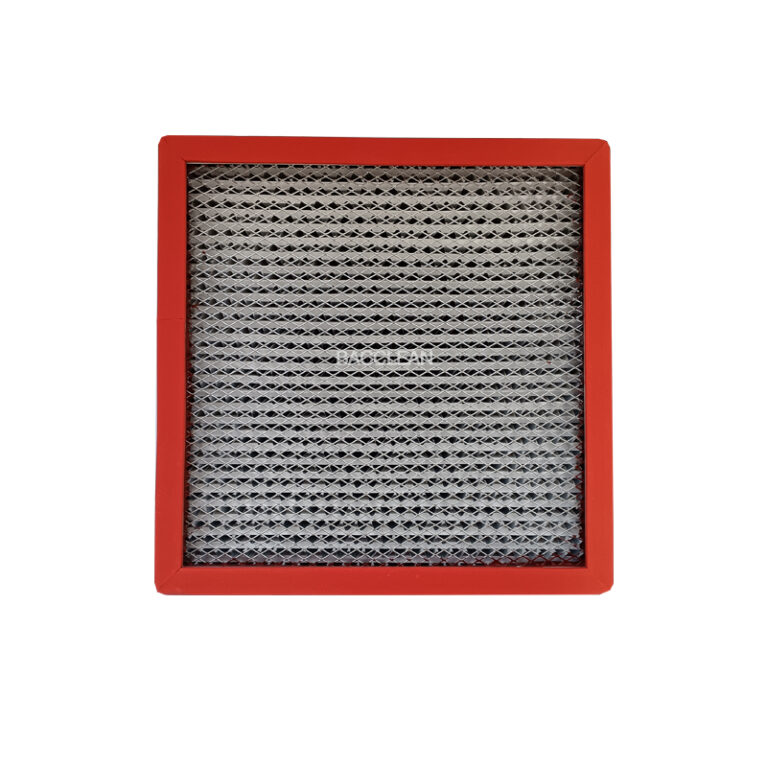
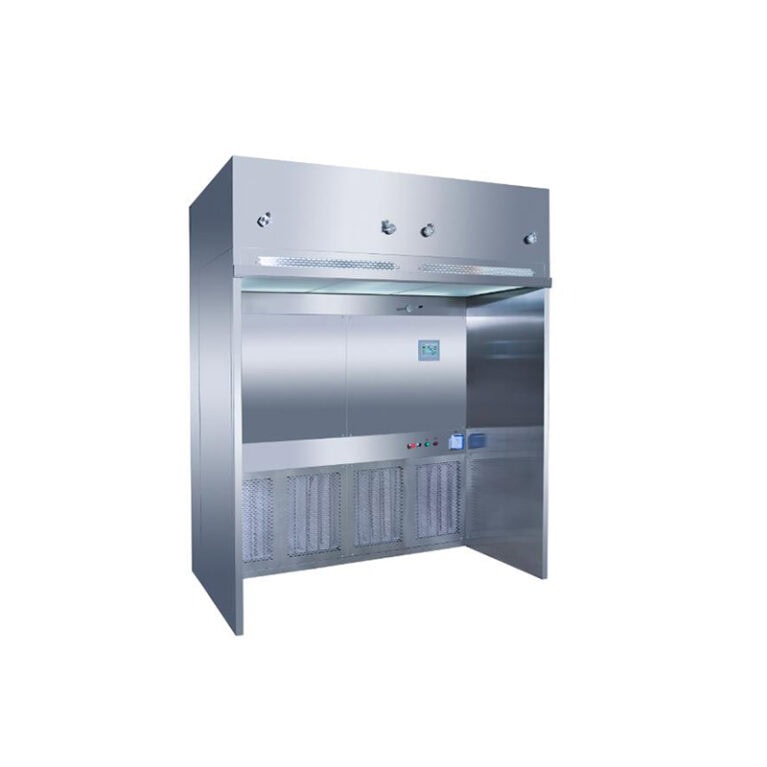
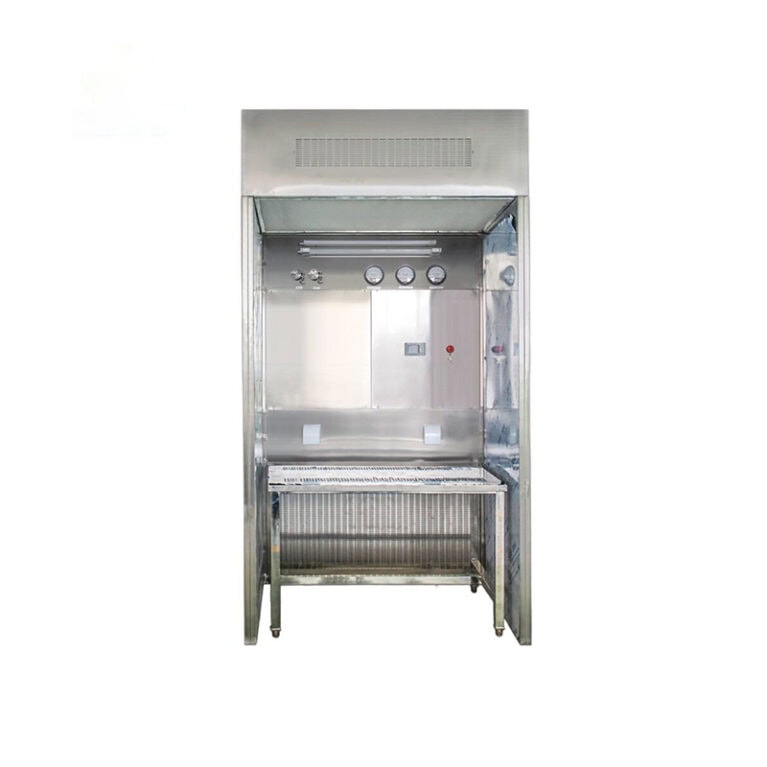
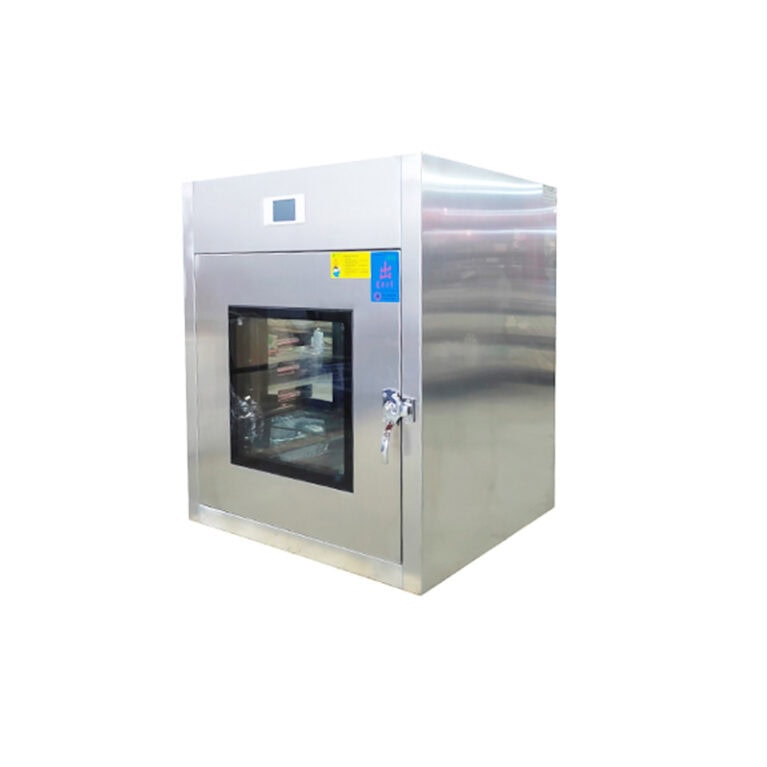
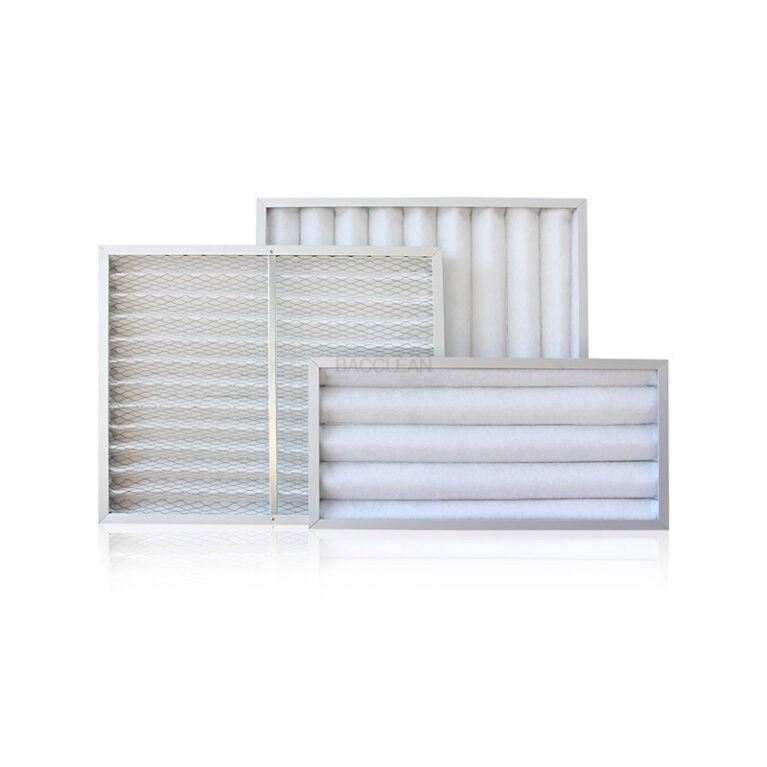
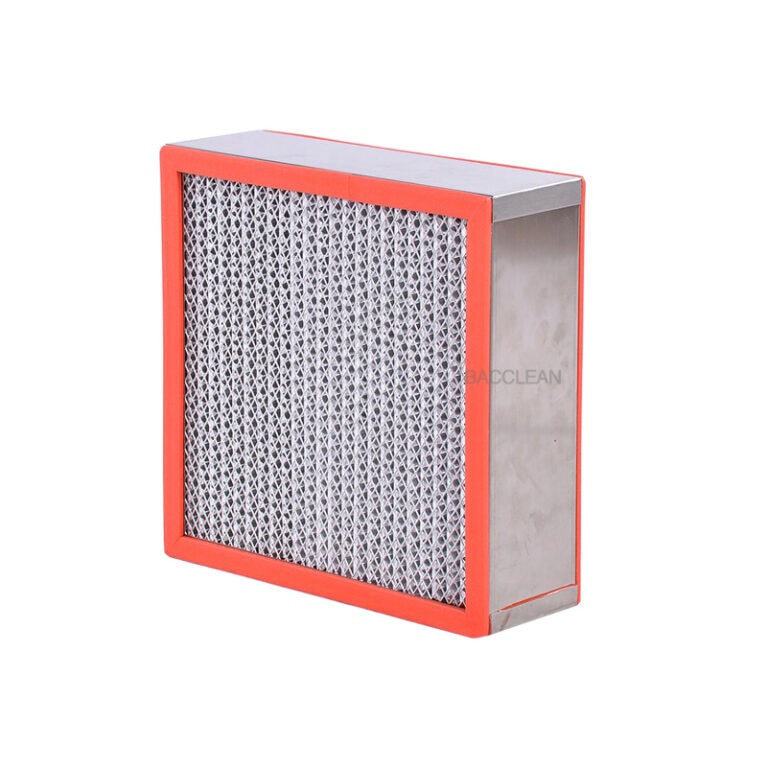
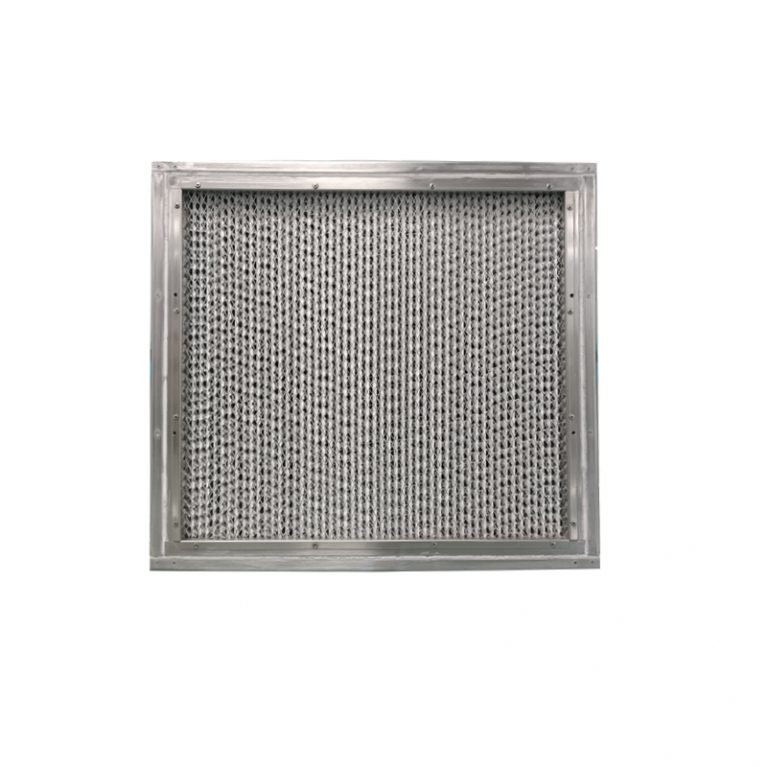
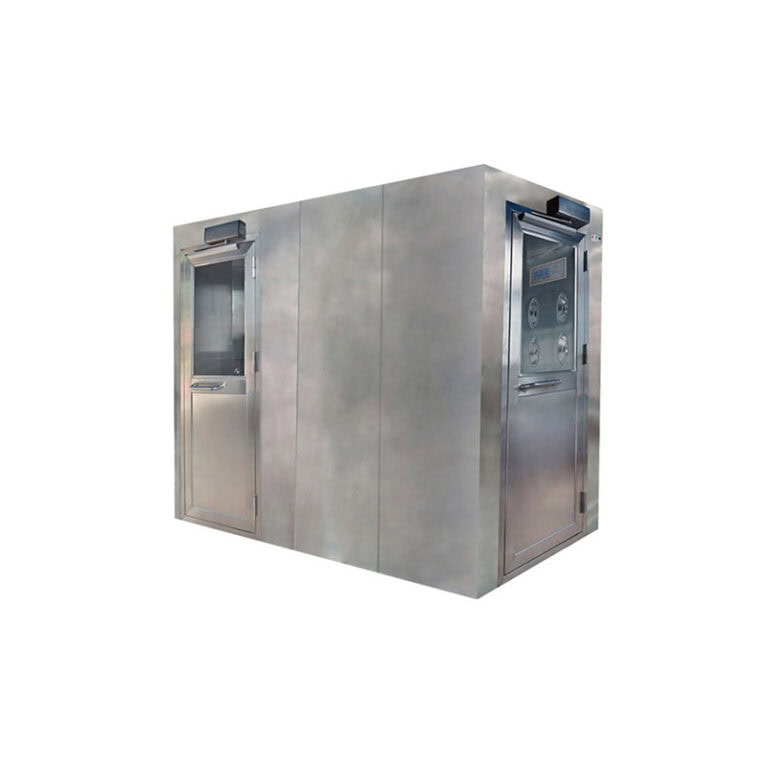
Classified by structural form, mainstream air‑supply ceilings in the industry fall into three major types: integral type, modular type and recessed type, for different space and application requirements. The integral air‑supply ceiling integrates the plenum box, filters and air distribution panels as one unit. It features compact structure, reliable sealing, convenient installation, high air‑supply uniformity and strong anti‑interference capability against ambient conditions. Suitable for regular‑shaped spaces such as standard rectangular clean workshops and conventional operating rooms, it is the preferred model for small‑and‑medium‑sized clean‑room projects. Its core technical advantage lies in the one‑piece sealing construction, which effectively prevents air leakage and guarantees consistent air delivery across the whole area.
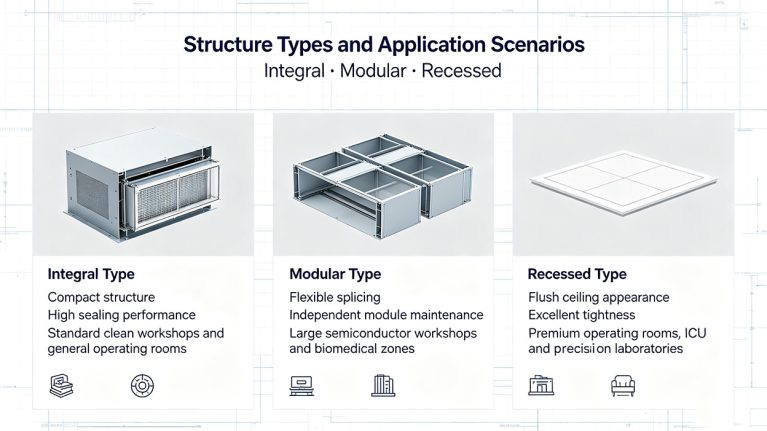
The modular air‑supply ceiling adopts a spliced design with multiple independent units. It allows flexible assembly for irregular‑shaped spaces and extra‑large clean zones with outstanding adaptability. Compared with integral models, its highlight is modular independent maintenance. When filter elements of a single module are damaged or dust‑loaded, that individual module can be disassembled and replaced without overall system shutdown, greatly cutting maintenance costs and production loss caused by downtime. It is widely adopted in clean environments requiring future expansion and frequent inspection & repair, including large‑scale semiconductor workshops, biomedical industrial parks and irregular‑layout laboratories. During selection, special attention shall be paid to the sealing performance between spliced modules to avoid air leakage and turbulence generated at joint gaps.
The recessed air‑supply ceiling is designed to be flush with the ceiling, delivering a neat aesthetic appearance without occupying extra space and offering excellent sealing performance. It applies to scenarios with extremely high requirements for visual appearance and clean‑room tightness, such as high‑grade medical operating rooms, ICU wards and precision‑instrument testing laboratories. This model shall precisely match ceiling keel structures. Sealing treatment must be completed during installation to prevent dust accumulation and air leakage through ceiling gaps and secure the tightness of clean zones.
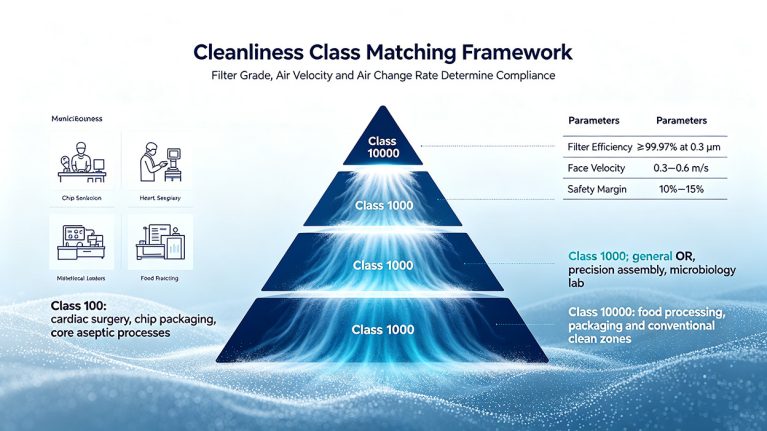
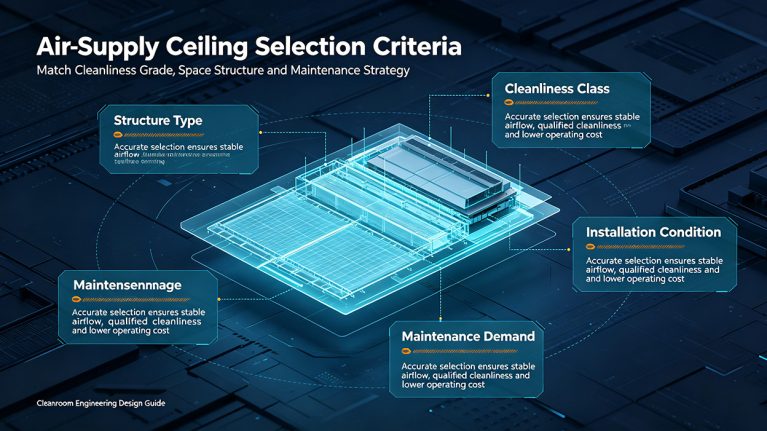
By cleanliness grade, air‑supply ceilings are divided into three core classes: Class 100, Class 1 000 and Class 10 000. Model selection shall strictly match the cleanliness requirements of target applications. Class 100 air‑supply ceilings possess the highest filtration accuracy and superior airflow uniformity, for high‑purity scenarios such as cardiac surgery, chip packaging and core aseptic pharmaceutical manufacturing processes. Class 1 000 models fit general operating rooms, precision‑electronics assembly and microbiological laboratories. Class 10 000 units are mostly deployed for conventional clean applications including food processing, ordinary clean workshops and packaging purification areas. Key selection parameters include filter grade, air‑supply velocity and air‑change rate. Equipment parameters shall be 10%‑15% higher than nominal site requirements to provide safety margin for working‑condition fluctuations.
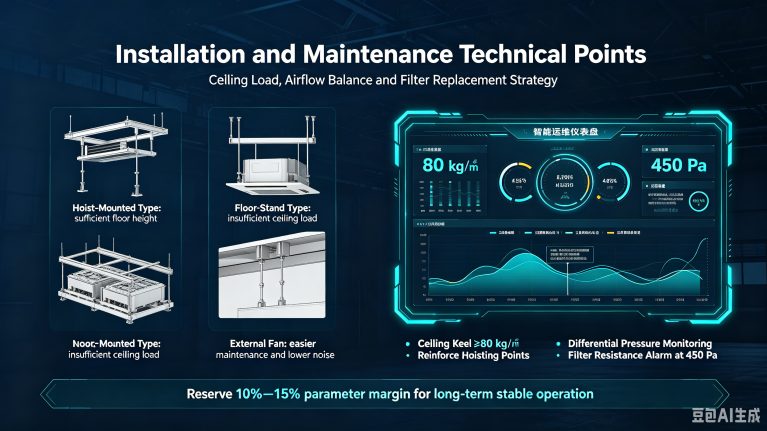
Furthermore, installation conditions and maintenance demands must be considered in selection. Hoist‑mounted models are for clean spaces with sufficient floor height; floor‑stand bracket‑type units are for locations with insufficient ceiling load‑bearing capacity. Internal‑fan structures save installation space, while external‑fan configurations bring easier maintenance and lower noise. Meanwhile, ceiling load‑bearing criteria of the workshop shall be followed: ceiling keels shall support no less than 80 kg/㎡, and reinforcement structures shall be added at hoisting points to prevent equipment settlement and deformation that would impair air‑supply precision. Proper matching between equipment type and site requirements maximizes the purification performance of air‑supply ceilings and enables long‑term stable operation of clean‑room projects.
