
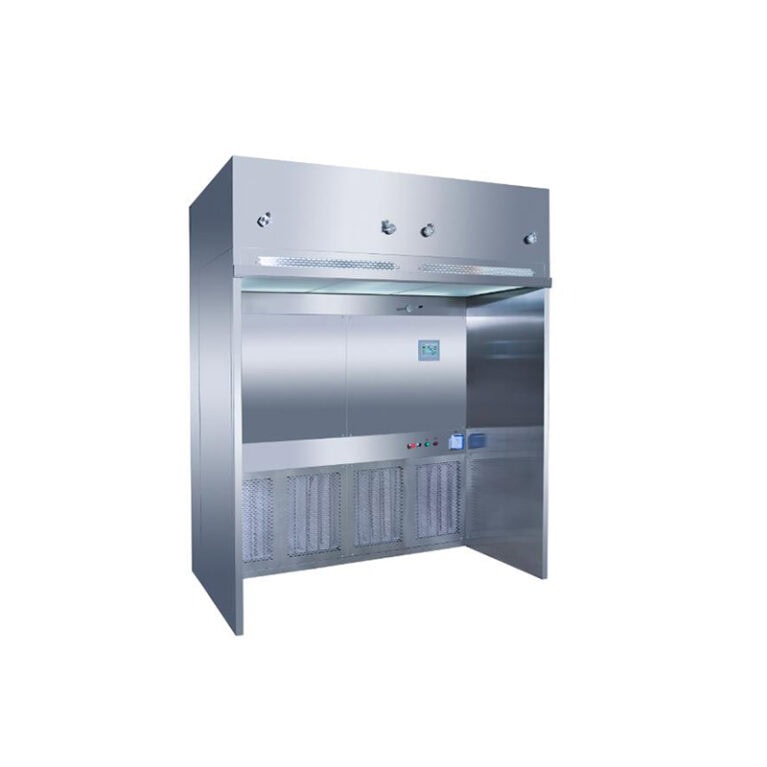
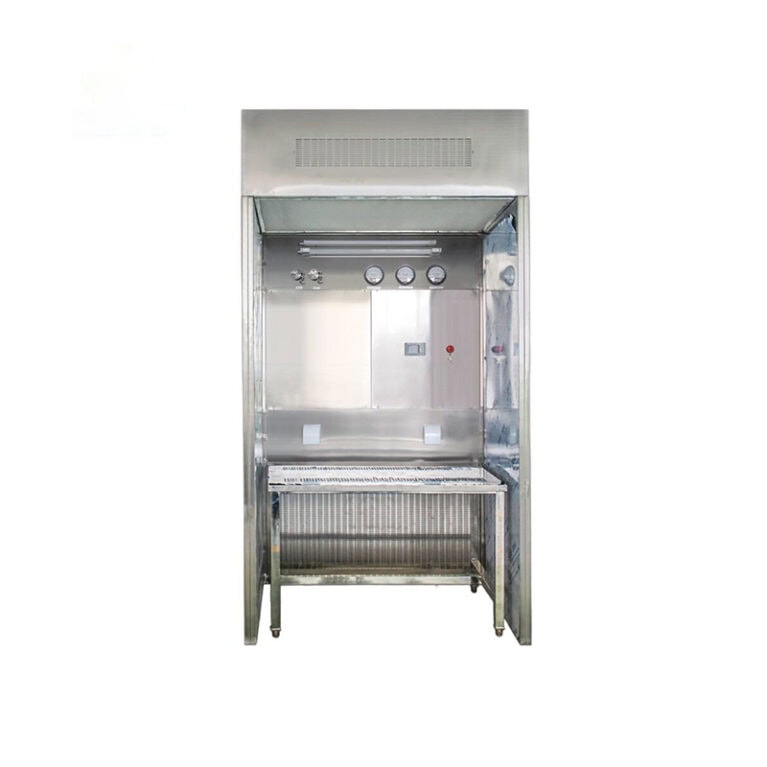
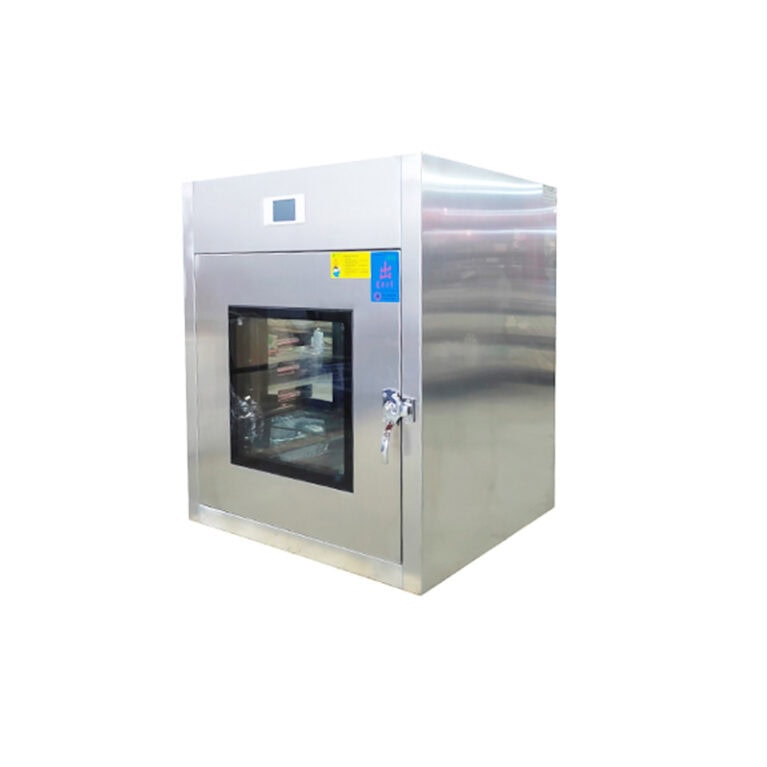
Its air‑distribution and purification principles directly determine the air quality stability of clean spaces, and serve as the fundamental equipment for qualified operation of clean‑room projects. Compared with traditional diffused air‑supply equipment, the laminar air‑supply ceiling adopts modular integrated structure and laminar air‑supply technology, thoroughly solving industry pain points such as uneven air supply, airflow turbulence and clean‑zone dead corners. It is widely applied in high‑precision clean sectors including medical treatment, semiconductors, pharmaceutical manufacturing and food processing.
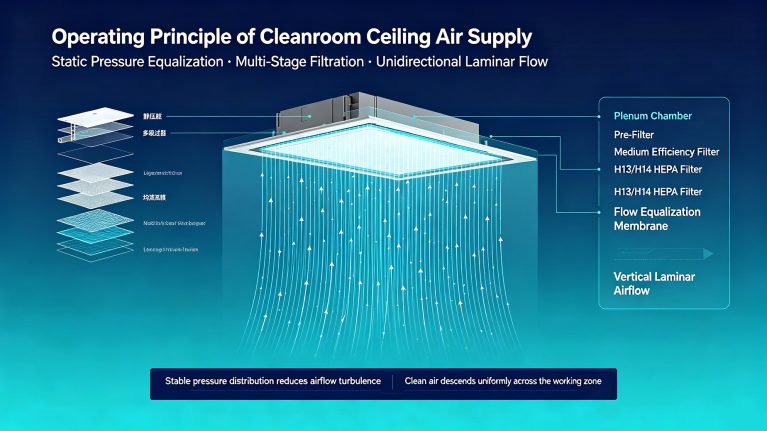
The core working logic of the laminar air‑supply ceiling is a three‑in‑one technical system: static‑pressure equalization, multi‑stage filtration and vertical laminar air supply. During equipment operation, external fresh air or workshop return air first enters the plenum chamber of the cabinet. Relying on the large‑volume buffering structure of the plenum chamber, air pressure is equalized to eliminate airflow pulses and wind‑pressure deviations, laying a foundation for uniform air delivery. Compared with ordinary air‑supply devices, the dedicated static‑pressure cabinet greatly improves wind‑pressure stability, keeping the full‑area air‑supply wind‑speed error within ±0.05 m/s and avoiding local airflow turbulence at the source.
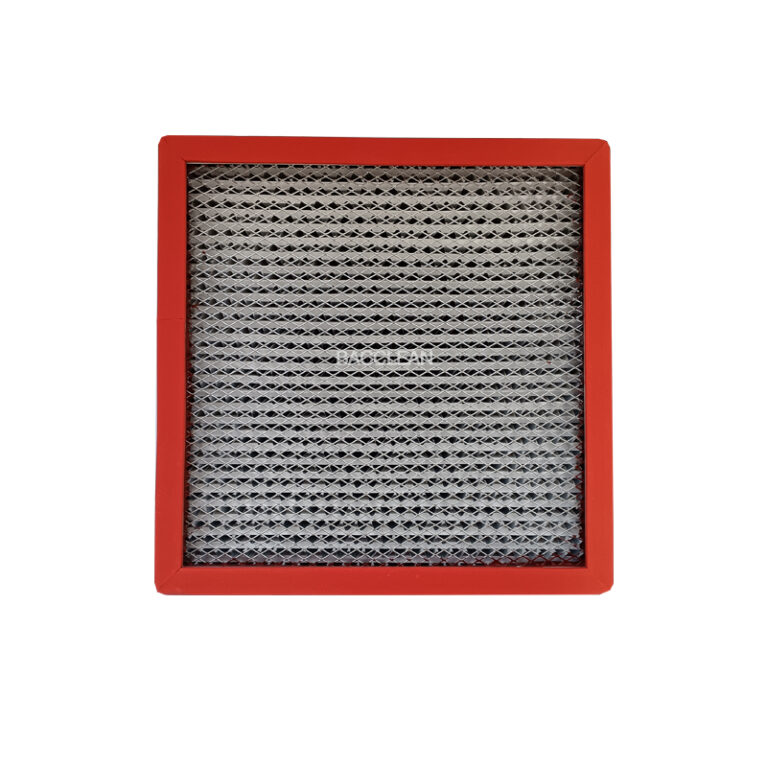
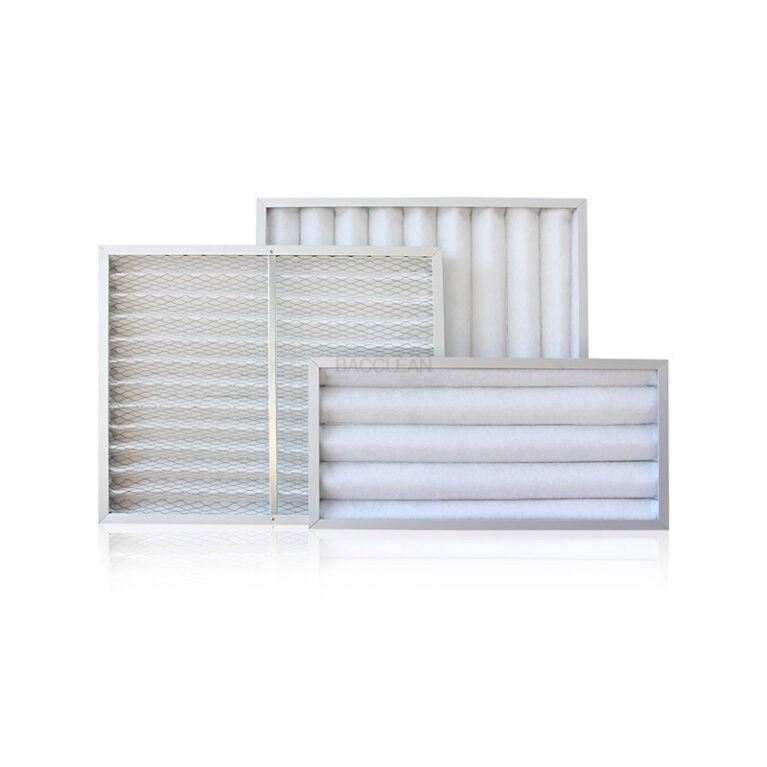
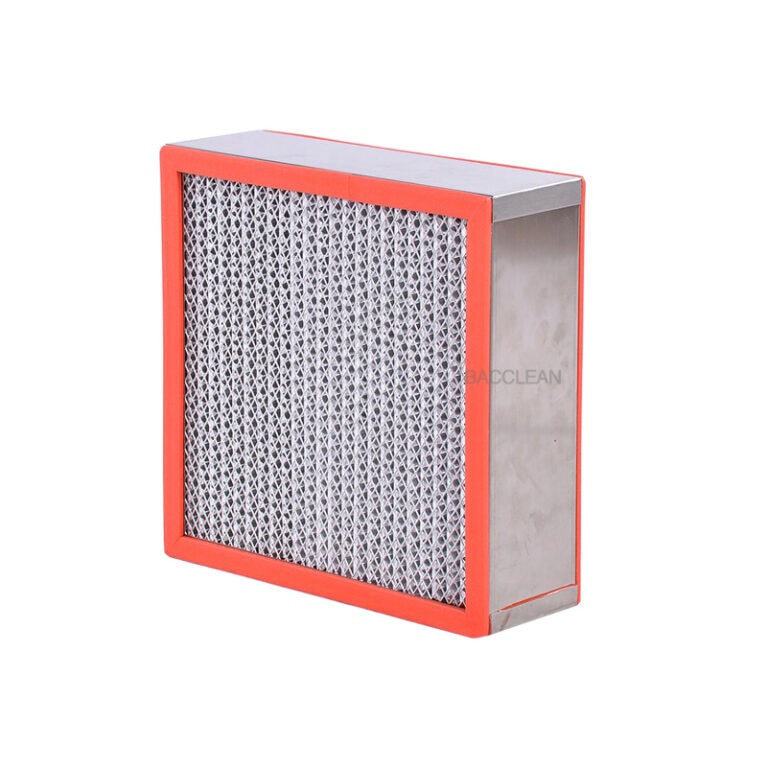
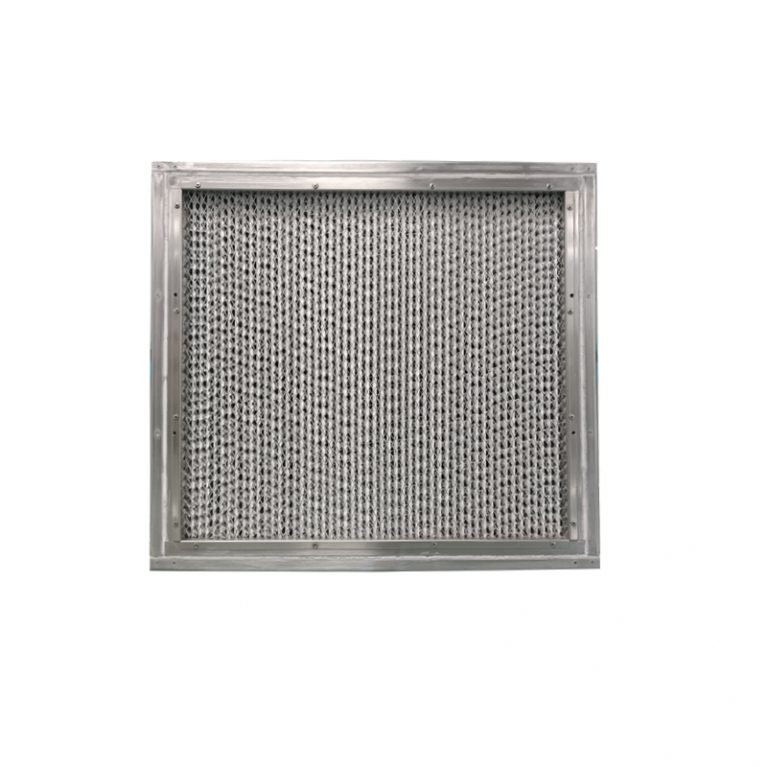
The filtration system acts as the core purification unit of the air‑supply ceiling. The mainstream industry solution adopts a three‑stage filtration architecture to meet requirements for different cleanliness grades. The primary filter intercepts impurities such as hair and large‑particle dust to protect the downstream high‑efficiency filter. The intermediate filter finely traps fine particulate matter and reduces the load on the HEPA filter. The terminal is equipped with H13/H14 separator‑free HEPA filters, achieving ≥99.97 % filtration efficiency for 0.3 μm fine particles and nearly 100 % interception efficiency for bacterial and viral aerosols. It fully satisfies purification standards for Class 100, Class 1 000 and Class 10 000 clean zones. Some high‑end leak‑proof air‑supply ceilings are fitted with additional sealing and leak‑proof structures, which can reduce pollution impact caused by filter leakage to 1/475 of conventional products and greatly enhance clean‑room safety.
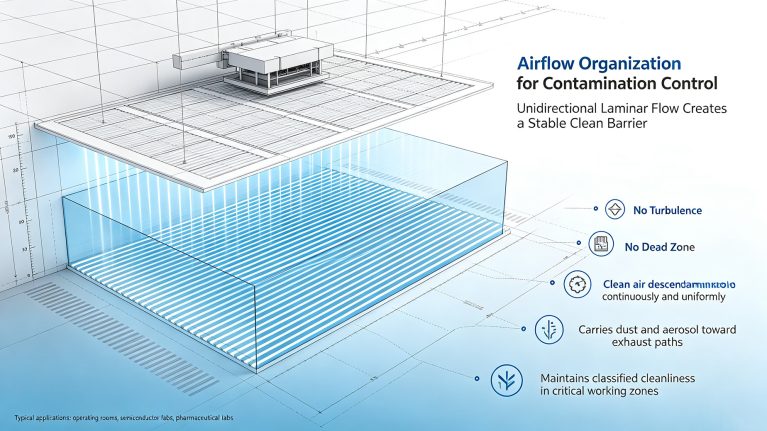
Air‑distribution technology represents the core advantage of the air‑supply ceiling. Purified clean air passes through rectifying components such as flow‑equalizing screens and perforated equalization plates for secondary homogenization, and is delivered downwards at constant velocity in the form of vertical unidirectional laminar flow. Airflows run in parallel without eddies or turbulence, continuously suppressing dust‑laden indoor air and forming a stable clean airflow barrier. Scientific airflow proportioning eliminates clean dead corners within the working zone. Meanwhile, the air‑supply wind speed is reasonably controlled within 0.3‑0.6 m/s. This prevents personnel discomfort and material dusting caused by excessive wind speed, while avoiding insufficient air‑change volume and substandard cleanliness resulting from overly low wind speed. Matched with reasonable air‑outlet layout and exhaust systems of the workshop, a complete air‑circulation system is formed to sustain stable compliance of the clean space.
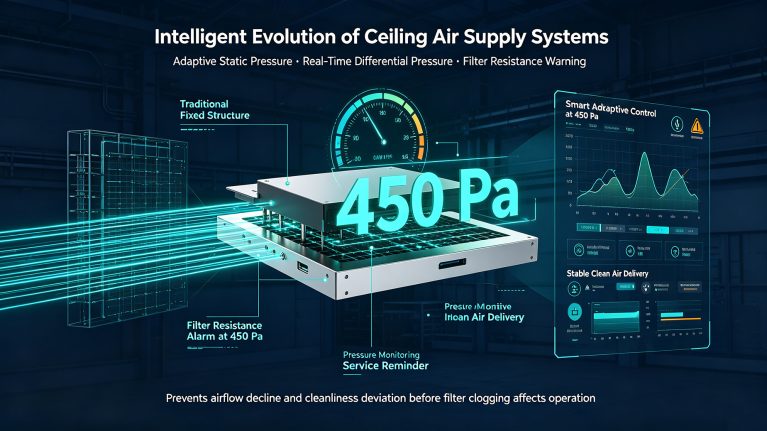
From the perspective of technical iteration, modern air‑supply ceilings have broken through limitations of traditional fixed structures, integrating intelligent technologies such as adaptive static‑pressure adjustment, real‑time differential‑pressure monitoring and filter‑resistance early‑warning. When the dust‑loaded filter resistance reaches the threshold of 450 Pa, the equipment automatically triggers an alarm to remind operation‑and‑maintenance personnel to replace filter elements, preventing deteriorated air‑supply efficiency and out‑of‑spec cleanliness due to filter clogging. Such principle system makes the laminar air‑supply ceiling an indispensable terminal purification device for high‑end clean scenarios, delivering stable clean‑air guarantee for various high‑precision production and medical operations.
