
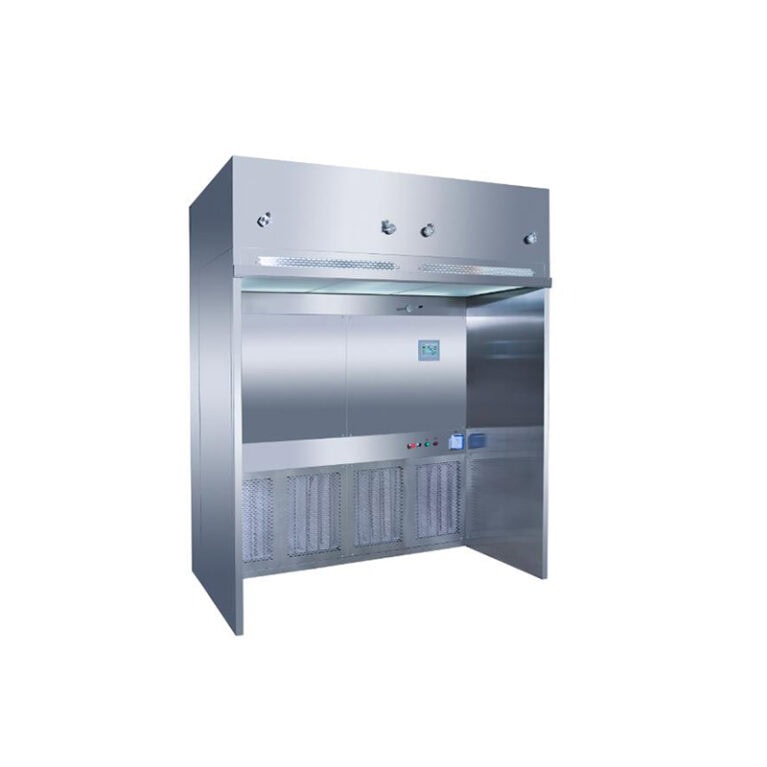
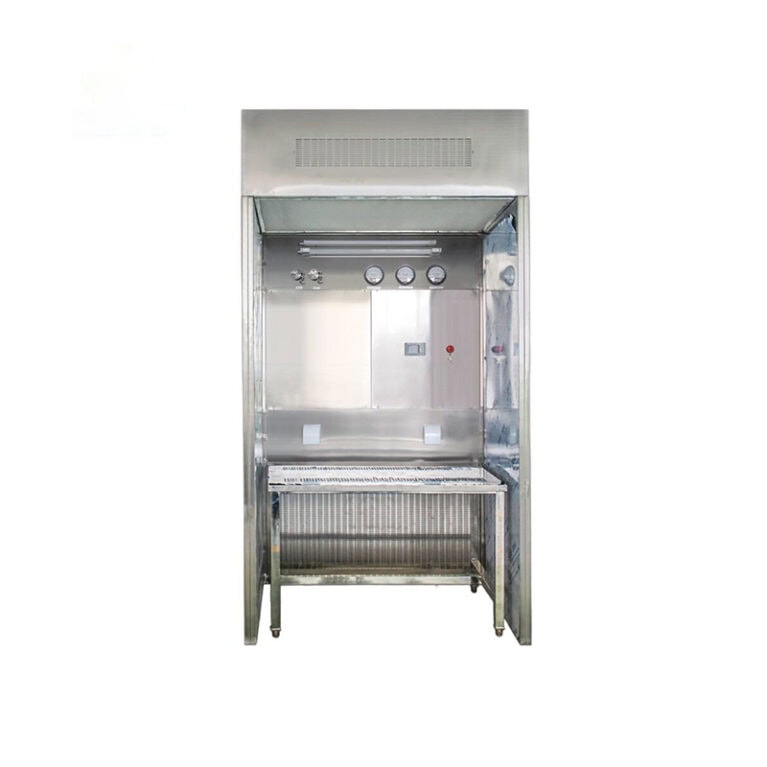
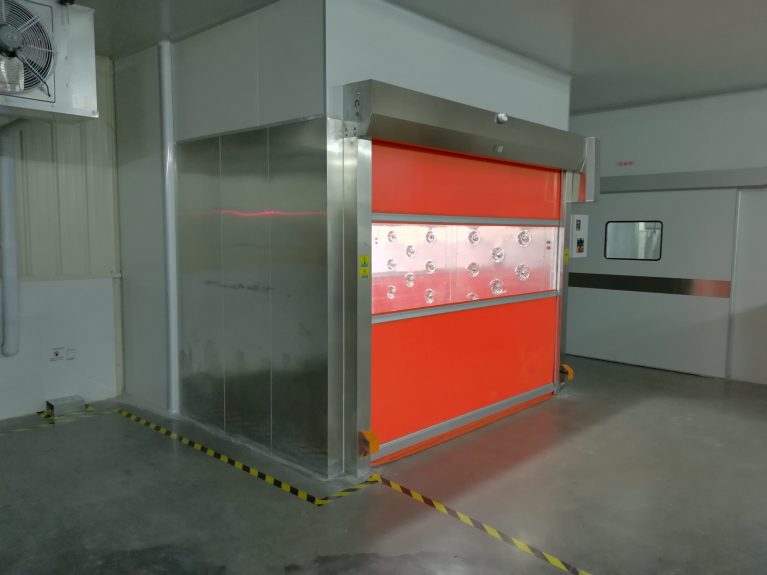
I. Core Clean Industry Scenarios Electronic semiconductor industry: Production workshops and warehousing logistics areas for precision components such as wafers, PCB boards, and chips (fast passage + dust removal and anti-static to avoid particle contamination); Pharmaceutical and biological industry: Pharmaceutical production workshops (API raw materials, finished preparations), medical device workshops, biological laboratories (high aseptic requirements, well-sealed winding doors to reduce cross-contamination); Food and beverage industry: Aseptic food processing area, health product workshop, beverage filling line (dust removal before raw material entry and finished product exit, in compliance with GMP hygiene standards); Precision manufacturing industry: Optical instrument, precision machinery, automotive electronic parts workshops (frequent turnover of goods, quick opening and closing of winding doors, no impact on production efficiency); Cosmetics/daily chemical industry: Aseptic cosmetics production lines, skin care product filling workshops (to avoid dust and microbial contamination and ensure product cleanliness). Ii. Logistics and Warehousing Scenarios Clean area logistics transition: Goods channels between clean warehouses and non-clean areas, automated logistics lines (with AGV carts), cold chain clean areas (with good insulation of winding doors for rapid isolation); E-commerce/cold chain logistics: High-cleanliness e-commerce warehouses (such as medical consumables, precision parts), cold chain food turnover areas (reducing temperature loss + dust removal). Iii.
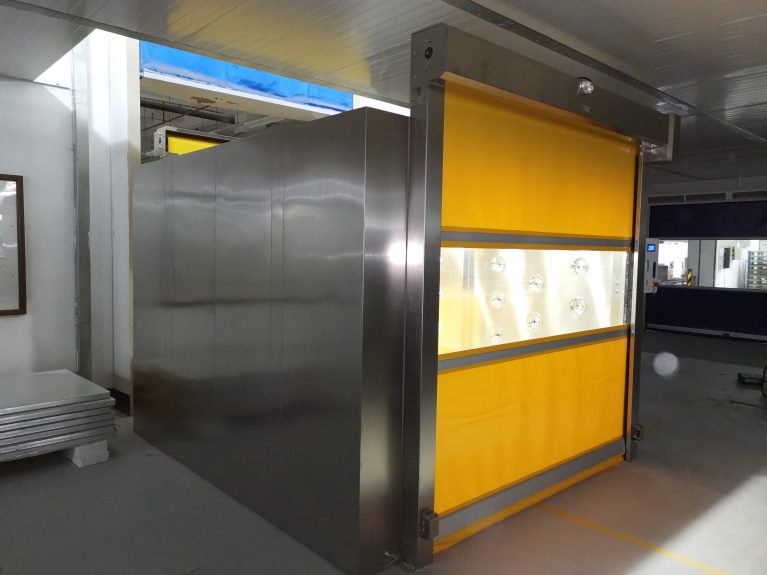
The cleanliness grade classification of the rapid winding type cargo air shower is mainly based on the particulate matter control standards that the goods meet after air shower, and at the same time matches the grade requirements of the clean area they are connected to. The common classification system refers to the ISO 14644-1 international standard and the domestic GB 50073 specification. The specific classification is as follows: I. Core Classification Basis Particle size: Focus on two key particle sizes of 0.5μm and 5μm (core control indicators for clean environment); Particulate matter concentration limit: The maximum number of particles allowed in a unit volume of air. Air shower effect: Nozzle air velocity ≥25m/s, air shower time adjustable from 10 to 30 seconds, ensuring that the removal rate of adhering particles on the surface of goods is ≥95%. Ii. Common Cleanliness Grades and Applicable Matching Cleanliness grade (ISO 14644-1) Core control indicator (particle count /m³) The scenarios suitable for the air shower room ISO Level 5 (formerly Level 100) 0.5μm particles ≤3520; 5μm particles ≤29 Electronic semiconductor wafer workshop, biosafety level 1 laboratory, sterile production area for high-end medical devices ISO Level 6 (formerly Level 1000) 0.5μm particles ≤ 35,200; 5μm
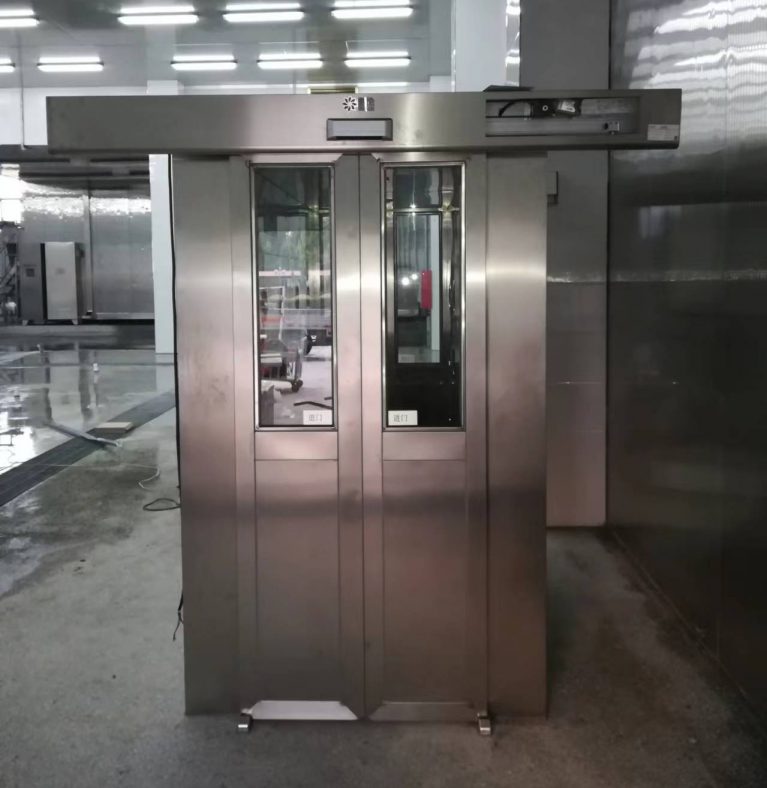
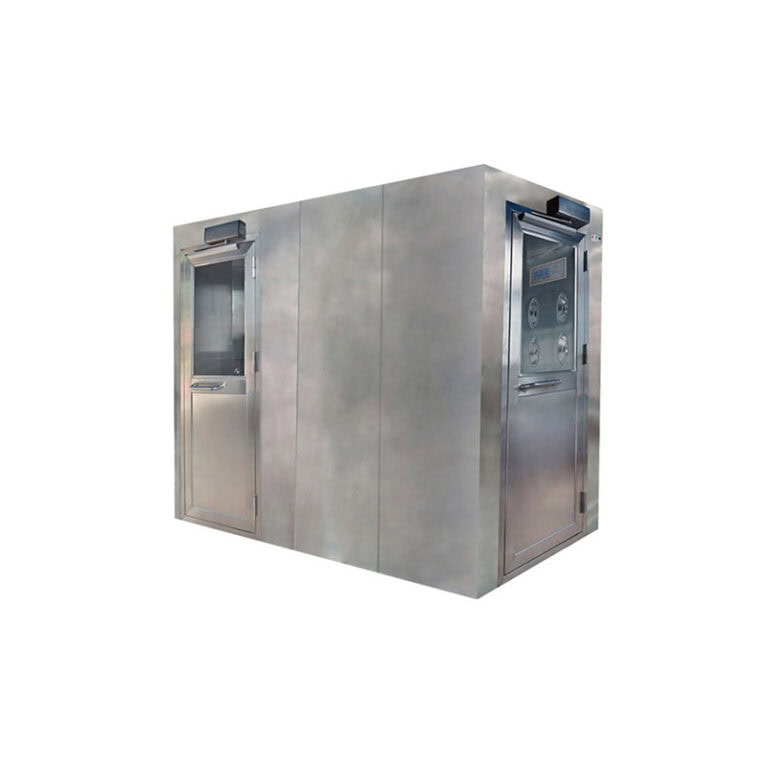
Daily Operation and Maintenance Manual for Automatic Double-Opening Air Shower I. Daily Operation Specifications (Implemented Daily) Check before startup Confirm that the power supply and compressed air are normal (air pressure 0.4-0.6MPa); Check the door body’s sensing sensitivity and interlocking function (both doors cannot be opened simultaneously). Observe that there is no abnormal noise during the operation of the fan and the air output from the nozzles is uniform. Use the operation process The goods are pushed into the material shower room. After the sensor door closes automatically, the shower starts (the duration can be adjusted from 10 to 30 seconds). The goods should be placed evenly to avoid blocking the nozzles and sensing probes. After the sprinkler is over, unlock the other side door before pushing out the goods. It is strictly prohibited to force the door open. In-operation monitoring Observe the operation status of the equipment in real time. If there is a door jamming or spray fault, stop the machine immediately for inspection. Record the operation duration and the number of faults to form a daily operation ledger. Ii. Key Points of Daily Maintenance (Executed Weekly) Cleaning and maintenance Wipe the interior of the box, the glass
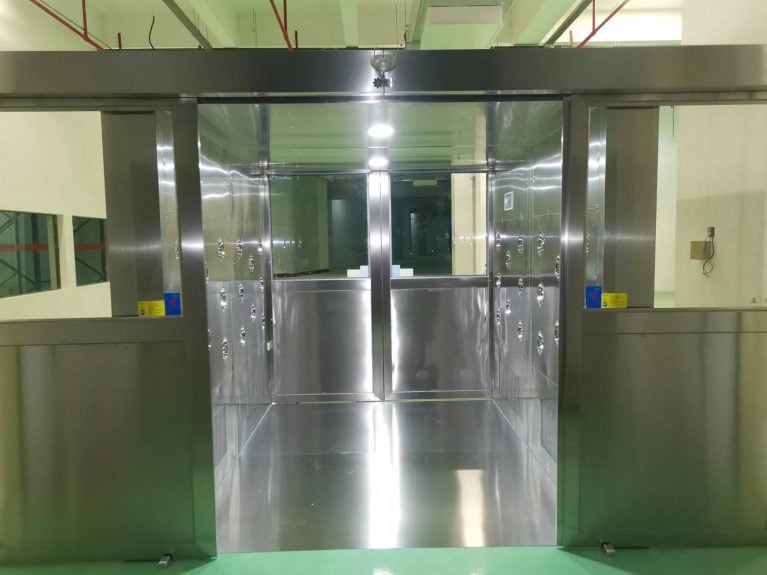
I. Door body malfunction The sensor door cannot open automatically Troubleshooting steps Check whether the induction probe is blocked by goods, dust, or the probe wiring is loose. Verify whether the double-door interlock function is triggered (when one side door is not fully closed, the other side door cannot be unlocked); Confirm whether the compressed air pressure is within the range of 0.4-0.6MPa (the pneumatic door needs sufficient air pressure to drive). Check whether the fuse in the control circuit has blown or whether the contactor is faulty. Solution Clean the dust on the surface of the probe and re-fix the loose wiring. Make sure that both door bodies are completely closed and the interlocking state is released. Adjust the pressure of the air compressor to the standard range, inspect and repair the leakage points in the air pipe. Replace the blown fuse, repair or replace the faulty contactor. 2. The door does not close tightly or gets stuck Troubleshooting steps Check whether there are any foreign objects blocking the door body guide rails or if the guide rails are deformed. Check whether the sealing strip is damaged, fallen off, or the door hinge is loose. Test whether the thrust
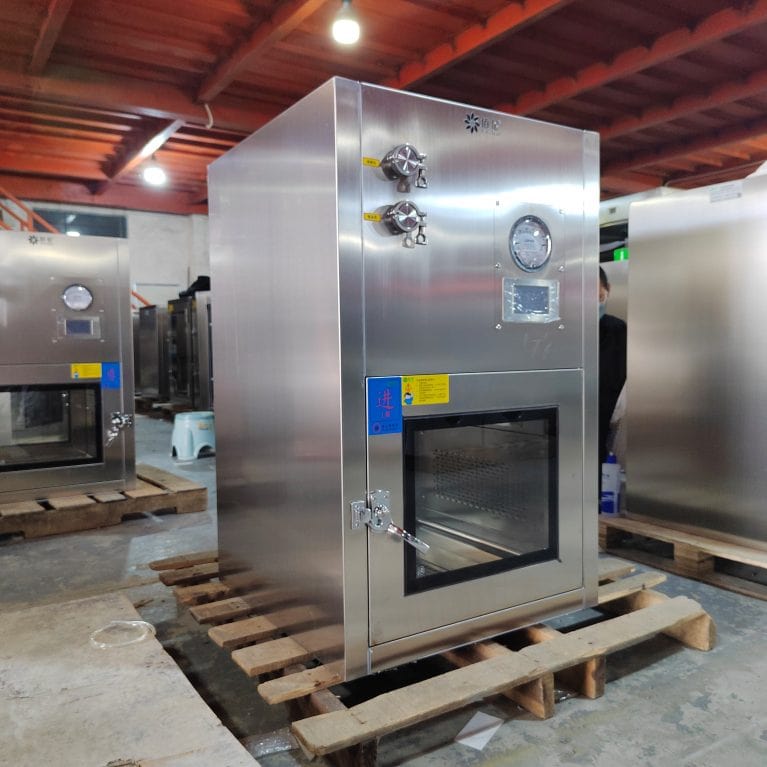
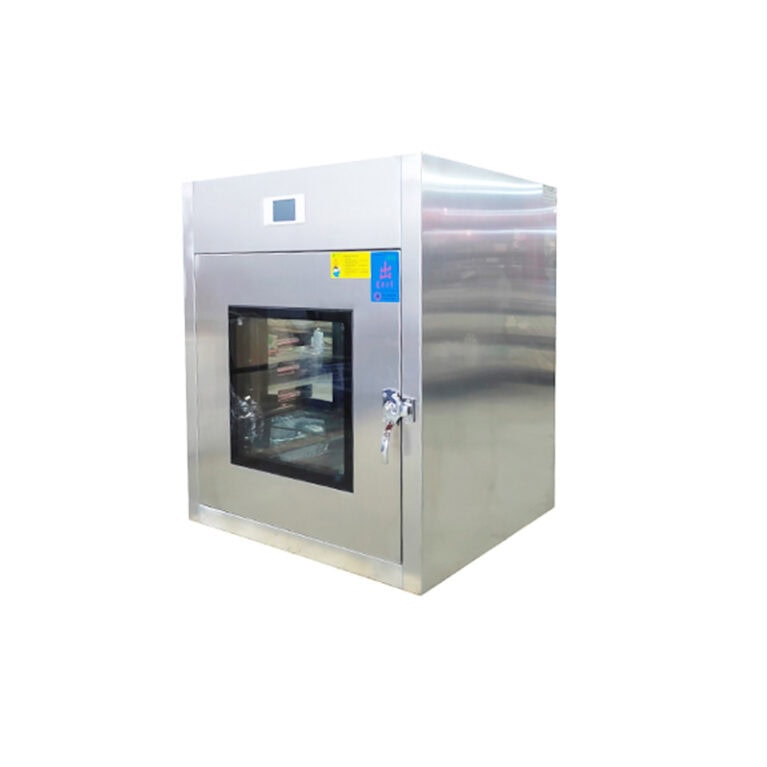
The overall general service life of the DOP laminar flow transfer window (laminar flow transfer window with DOP detection port) is 5 to 10 years. With high-quality materials and standardized maintenance, it can be extended to more than 10 years. The following are explanations by dimensions: I. Overall Lifespan and Key Influencing Factors Influencing factors Explanation The impact on lifespan Material and manufacturing process High-quality 304/316 stainless steel main body, precisely manufactured The main framework can last for more than 10 years Usage frequency and environment High cleanliness, low dust environment, and reasonable usage intensity Extend service life and reduce component wear and tear Maintenance and upkeep level Regular cleaning, replacement of consumables, and standardized maintenance for leak detection and testing can extend the service life A service life of 3 to 5 years Ii. Core Component Replacement Cycle (Parallel to Overall Lifespan) Component Replacement cycle Explanation High-efficiency Filter (HEPA 6 to 12 months The differential pressure gauge should be replaced in a timely manner when its reading drops significantly Sealing strip 1 to 2 years Replace immediately when aging or damage is found Ultraviolet lamp tube About 5,000 hours Places with high biosafety requirements need to be replaced regularly
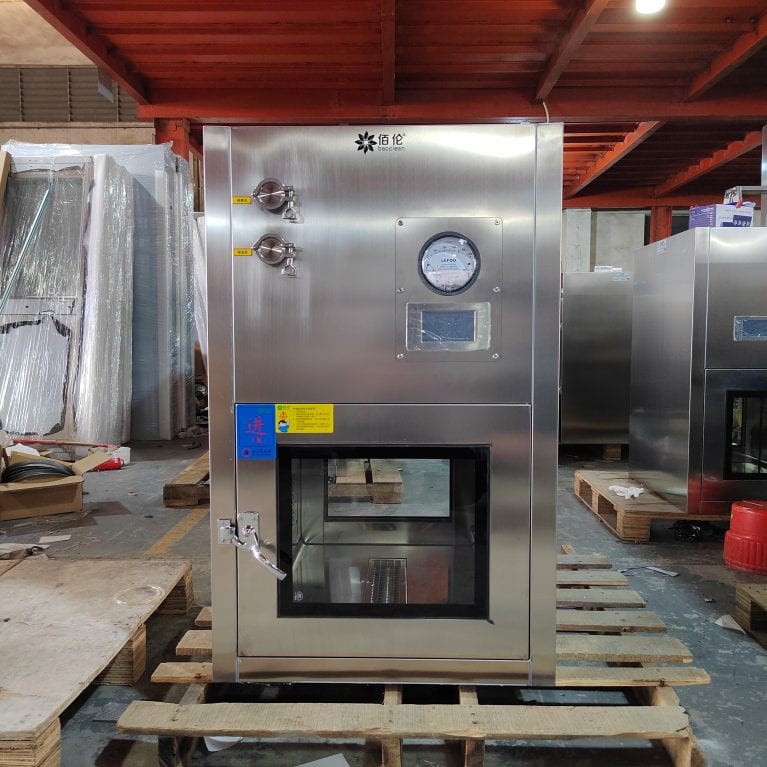
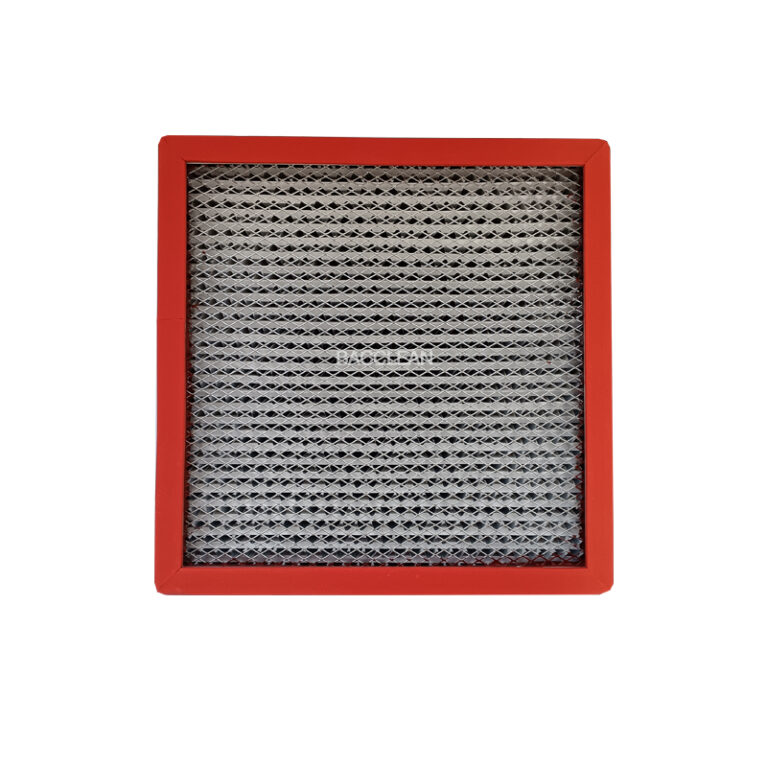
The core basis for determining whether the high-efficiency filter (HEPA) of the DOP laminar flow transfer window needs to be replaced is the pressure difference change, performance test results, and actual usage status. Specifically, it can be comprehensively judged through the following dimensions: I. Core Judgment Basis: Differential Pressure Monitoring (the most direct indicator) The resistance of high-efficiency filters will increase as the amount of dust accumulated. The differential pressure gauge (or pressure gauge) that comes with the transfer window is a key monitoring tool. Initial pressure difference record: After the new filter is installed, the initial pressure difference at the rated air volume (usually the “initial resistance” of the high-efficiency filter, approximately 200-250Pa) should be recorded as the reference value. Final resistance triggers replacement: When the operating pressure difference displayed by the differential pressure gauge reaches twice the initial resistance (400-500Pa), it indicates that the filter is saturated with dust and must be replaced. In some high-demand scenarios (such as GMP workshops in the pharmaceutical industry), the final resistance threshold is set at 1.5 times the initial resistance, and industry standards must be followed. Abnormal pressure difference investigation: If the pressure difference suddenly drops significantly (far below the initial
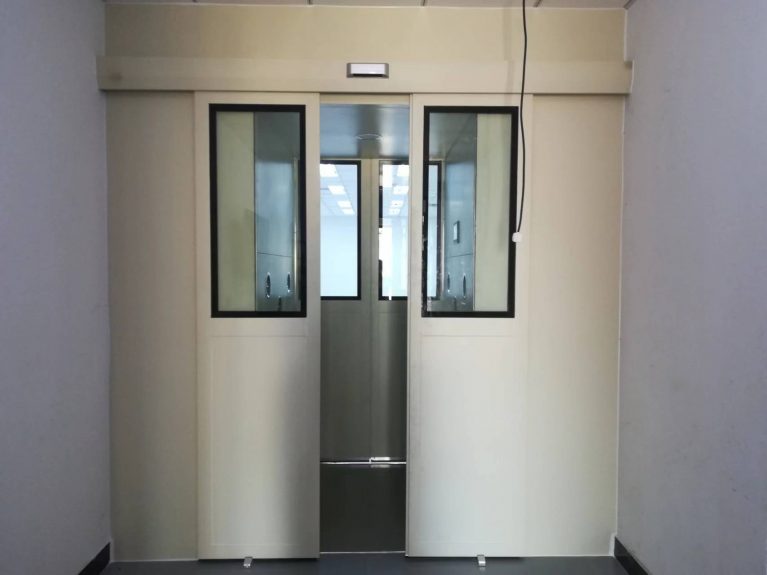
يزيل دش الهواء الأوتوماتيكي مزدوج الفتح للبضائع، كجهاز تنقية رئيسي بين المنطقة النظيفة والمنطقة غير النظيفة، جزيئات الغبار الملتصقة بسطح البضائع من خلال كنس تدفق الهواء عالي السرعة، مما يمنع الملوثات من دخول البيئة النظيفة. ويستخدم على نطاق واسع في صناعات مثل الطب والإلكترونيات والأغذية والتصنيع الدقيق. لا يمكن للتطبيق اليومي للعلم وصيانته اليومية أن يضمن تأثير تنقيته فحسب، بل أيضًا إطالة عمر خدمة المعدات وتقليل معدل الفشل. I. معايير التطبيق اليومي 1. متطلبات إجراءات التشغيل قبل دخول البضائع: تأكد من أن الأبواب على جانبي غرفة الاستحمام للبضائع مغلقة، وتحقق مما إذا كانت المروحة والفوهة والإضاءة وجهاز التعشيق طبيعية (لا يوجد مؤشر خطأ على ضوء المؤشر). يجب وضع البضاعة بثبات لتجنب سد الفوهات أو إعاقة القنوات. يجب ألا يتجاوز الارتفاع والعرض الحجم المقدر لغرفة الاستحمام الخاصة بالبضاعة (عادةً يجب حجز بدل 10 سم). أثناء التشغيل: بعد دفع البضائع إلى الداخل، يتم إغلاق باب المدخل، ويقوم النظام تلقائيًا بتشغيل برنامج التطهير (وقت التطهير التقليدي هو 15-30 ثانية، والذي يمكن ضبطه حسب الحاجة).
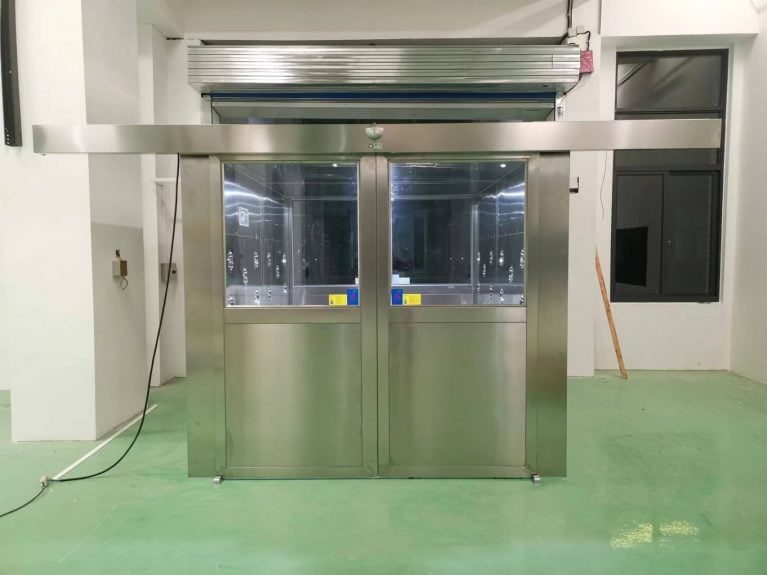
يجب تصنيف دورة تنظيف الدش الهوائي الأوتوماتيكي مزدوج الفتح على أساس نوع المكونات وتركيز الغبار في بيئة الاستخدام وتكرار تشغيل الجهاز. دورة التنظيف/الصيانة الأساسية هي كما يلي: 1. دورة التنظيف الداخلي (ألواح الجدران والأرضية والفوهات الأساسية: التنظيف بعد الاستخدام اليومي (المسح بقطعة قماش خالية من الوبر لإزالة الغبار والأتربة السطحية)؛ تنظيف محسّن: المسح العميق كل أسبوع (استهداف الزوايا الميتة مثل فجوات الفوهات وأخاديد شرائط إحكام إغلاق جسم الباب)؛ سيناريوهات خاصة: إذا تم تطبيقه في الصناعات التي تحتوي على كمية كبيرة من الغبار (مثل مواد البناء ومعالجة المعادن) أو تستخدم أكثر من 10 مرات في اليوم، فيجب تغيير التنظيف في كل وردية (مرة في الصباح ومرة في المساء). 2. دورة تنظيف الفلتر الأولي (الفلتر الأساسي): مرة واحدة في الأسبوع (النفخ بالهواء المضغوط أو الشطف بالماء النظيف والتجفيف وإعادة التركيب)؛ عتبة الاستبدال: عندما يصل عدد مرات الغسل بالماء إلى 3 مرات أو عندما يكون فرق الضغط ≥200Pa، استبدلها مباشرةً (لا حاجة إلى مزيد من التنظيف). سيناريوهات خاصة: في البيئات عالية الغبار، قلل التنظيف إلى مرة واحدة كل ثلاثة أيام. استبدلها في الوقت المناسب عندما يرتفع فرق الضغط بسرعة. 3. مرشح عالي الكفاءة
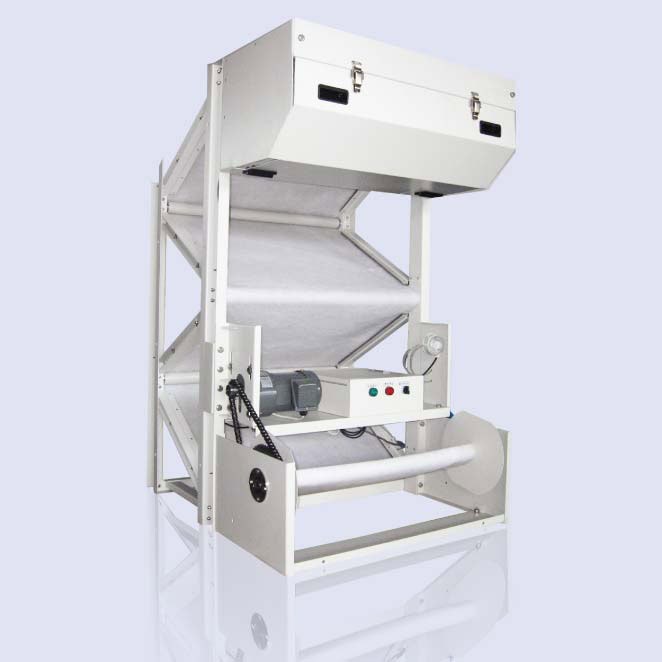
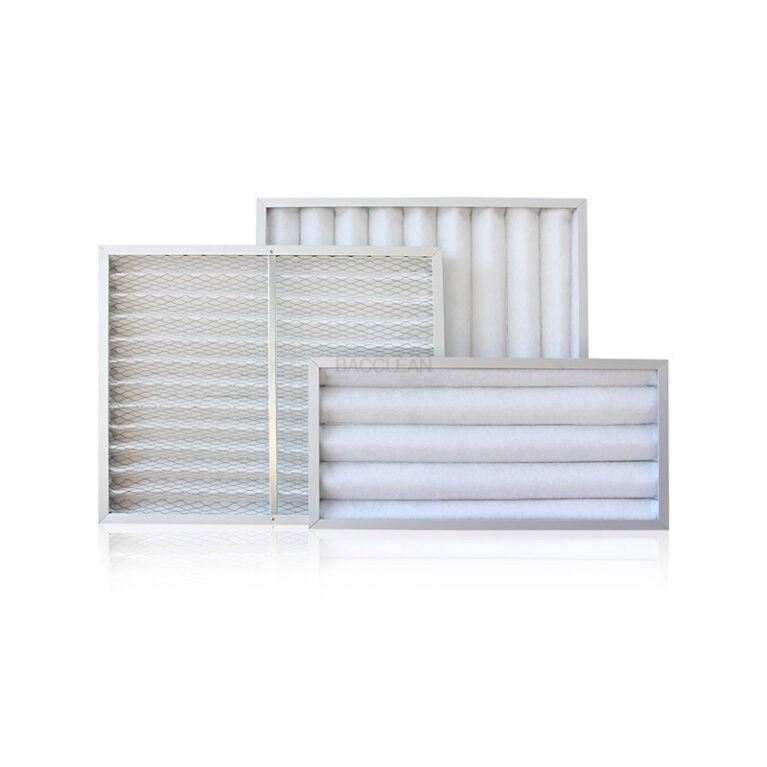
مبدأ العمل الأساسي لجهاز مرشح اللف الأوتوماتيكي هو تحقيق ترشيح هواء مستمر وغير متقطع من خلال اللف الأوتوماتيكي واستبدال مواد المرشح، وإكمال التشغيل والصيانة الآلية بالاشتراك مع التحكم في التغذية المرتدة للضغط التفاضلي. التفكيك المحدد هو كما يلي: 1. آلية الترشيح الأساسية (متوافقة مع مرشحات الهواء التقليدية) عندما يمر الهواء المترب عبر جانب مدخل الهواء في الجهاز، يمر تدفق الهواء عبر مادة المرشح (عادةً ما تكون من القماش غير المنسوج، وحصيرة الألياف الزجاجية وغيرها من مواد المرشح ذات الكفاءة الأولية/المتوسطة). يتم اعتراض جزيئات الغبار بواسطة ألياف مادة المرشح (تشمل آليات الاعتراض: التصادم بالقصور الذاتي، وتأثير الانتشار، والاعتراض المباشر، والامتصاص الكهروستاتيكي، إلخ). يتم تفريغ الهواء النظيف المفلتر من جانب مخرج الهواء، مما يكمل الفصل الأساسي بين الغاز والمادة الصلبة. 2. نظام محرك اللف الأوتوماتيكي الأساسي الجهاز مجهز بمجموعة مواد ترشيح مدمجة من نوع الأسطوانة: يتم لف مادة الفلتر مسبقًا على "الأسطوانة الأصلية" في الجزء العلوي من الجهاز، ويتم ضبط "أسطوانة النفايات" في الجزء السفلي. يتم تثبيت أحد طرفي مادة المرشح على أسطوانة النفايات. عندما يتراكم الغبار على سطح مادة المرشح، تزداد مقاومة الترشيح تدريجيًا، ويزداد مستشعر الضغط التفاضلي ل
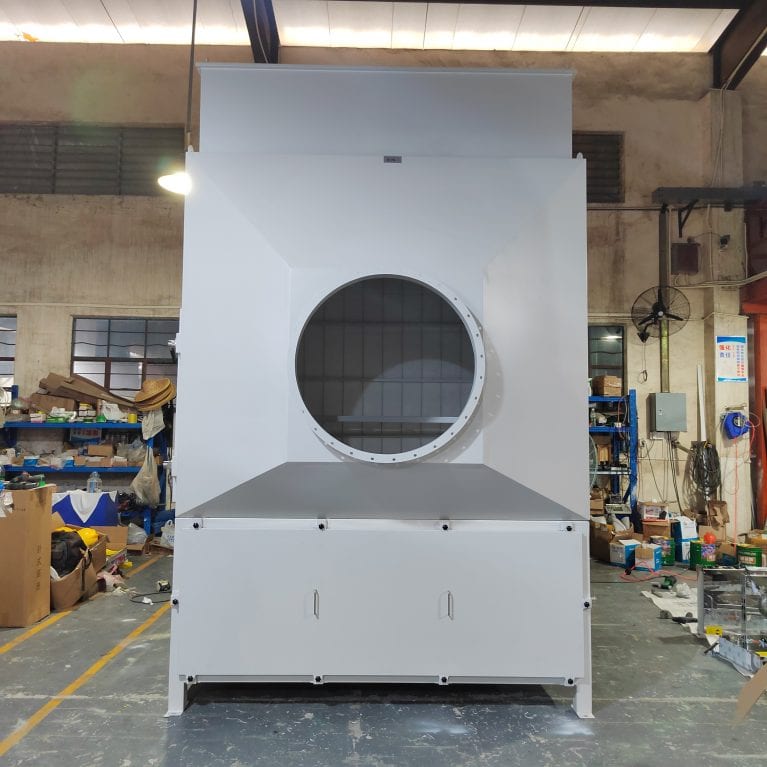
يجب تحليل مزايا وعيوب جهاز الترشيح من نوع اللف الديناميكي مع تصميمه الأساسي (اللف الأوتوماتيكي والترشيح المستمر) وسيناريوهات التطبيق الفعلي. وفيما يلي ملخص واضح: أولاً: المزايا الأساسية إنه يتيح الترشيح المستمر وغير المنقطع دون الحاجة إلى إيقاف الماكينة لاستبدال مواد الترشيح. تكمل آلية اللف الأوتوماتيكية تحديث مواد المرشح أثناء عملية الترشيح. وهي مناسبة بشكل خاص لسيناريوهات مثل الهندسة الكيميائية والطلاء ومراكز البيانات التي تتطلب تشغيلًا مستمرًا على مدار 24 ساعة، وتجنب انقطاع الإنتاج أو تعطل المعدات الناجم عن إيقاف الماكينة لاستبدال مواد المرشح. يقلل بشكل كبير من تكاليف التشغيل والصيانة اليدوية عن طريق استبدال عمليات الفحص اليدوي التقليدية للمرشحات واستبدالها وتفكيكها. يجب استبدال لفات مواد الترشيح فقط لفات مواد الترشيح ككل على فترات منتظمة (التردد أقل بكثير من استبدال مادة الترشيح الواحدة)، مما يقلل من المدخلات البشرية. وهي مناسبة بشكل خاص لظروف العمل ذات التركيز العالي للغبار والاستهلاك السريع لمواد الترشيح (مثل الورش المعدنية وورش الأسمنت). كفاءة الترشيح مستقرة ويمكن التحكم فيها. يتم أخذ فرق الضغط كشرط أساسي لاستبدال مادة المرشح، مما يؤدي إلى تجنب الذاتية اليدوية
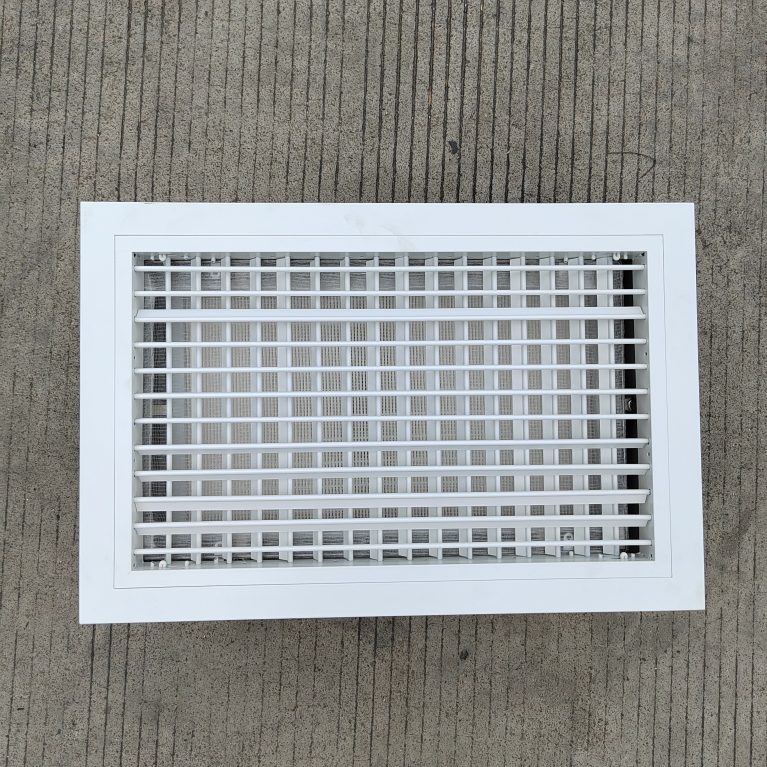
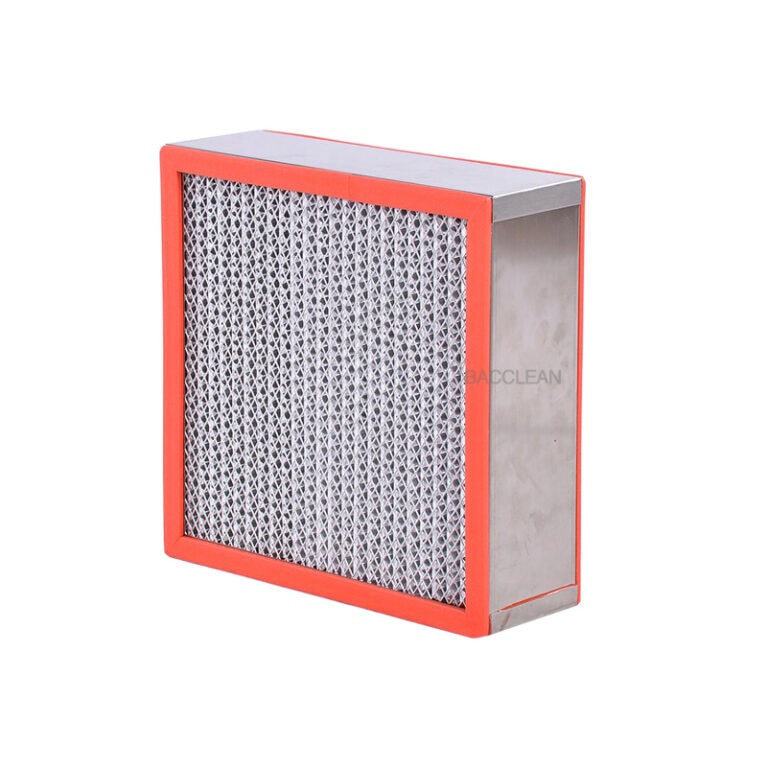
وتتمثل الميزة الأساسية لوحدة الترشيح ذات المقاومة المنخفضة جدًا المتوسطة والعالية الكفاءة في مقاومة الهواء المنخفضة وكفاءة الترشيح المتوسطة والعالية الكفاءة (التي تتوافق عادةً مع مستويات F7-F9). لا يمكنها فقط اعتراض الغبار والجسيمات بفعالية ولكن أيضًا تقليل استهلاك الطاقة لنظام التهوية. ولذلك، تركز مجالات تطبيقه على السيناريوهات التي تتطلب كفاءة الترشيح وتحتاج إلى التحكم في استهلاك الطاقة/فقدان ضغط الهواء، وتحديدًا بما في ذلك نظام التدفئة والتهوية وتكييف الهواء (HVAC) نظام التكييف المركزي للهواء النقي/ترشيح الهواء المرتجع للمباني التجارية (مباني المكاتب ومراكز التسوق والفنادق) والمباني السكنية: استبدال الفلاتر التقليدية متوسطة الكفاءة، يضمن نظافة الهواء الداخلي مع تقليل استهلاك الطاقة لمروحة وحدة التكييف وخفض تكاليف التشغيل. أنظمة التهوية في المنشآت الصناعية: مثل التهوية والترشيح في ورش المعالجة الإلكترونية والميكانيكية، لمنع دخول الغبار إلى منطقة الإنتاج والتأثير على جودة المنتج، مع تقليل حمل استهلاك الطاقة لنظام التهوية. 2. مرحلة المعالجة المسبقة لغرف التنظيف (10000 درجة، 100000 درجة) في الصناعات الدوائية والإلكترونية والغذائية وغيرها من الصناعات: كوحدة ما قبل الترشيح للمرشحات عالية الكفاءة (HEPA/ULPA)، فإنها تعترض غبار الجسيمات الكبيرة، وتطيل عمر خدمة المرشحات عالية الكفاءة، وتقلل من
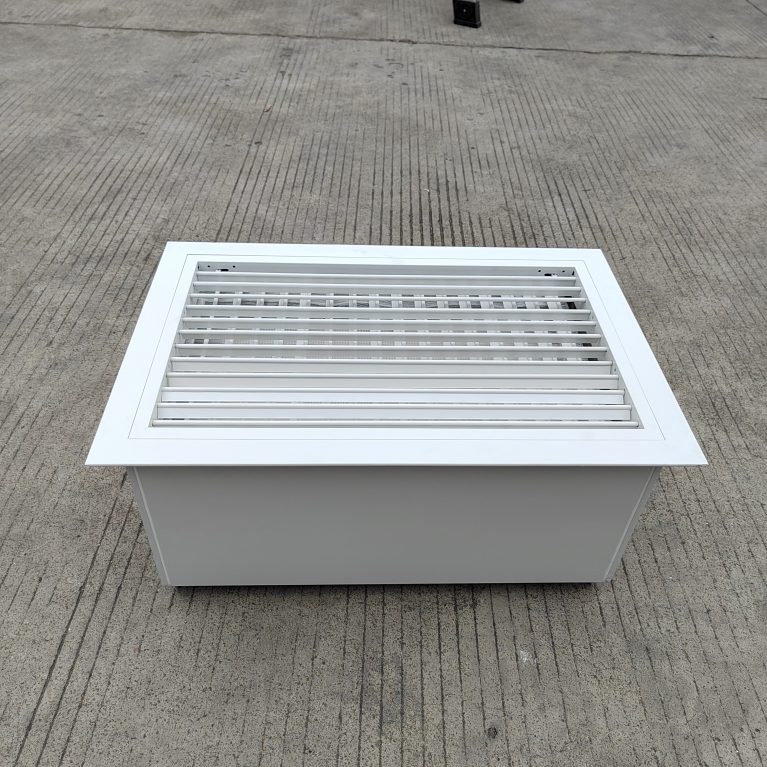
تتوافق كفاءة الترشيح الأساسية لوحدة الترشيح المتوسطة والعالية الكفاءة ذات المقاومة المنخفضة للغاية مع درجة الكفاءة المتوسطة والعالية لمرشح الهواء (عادةً ما تشير إلى درجات F7 إلى F9 في الصناعة، ويمكن أن تغطي بعض المنتجات درجة الكفاءة العالية للمبتدئين H10). يتم تصنيف قيم الكفاءة المحددة وفقًا للمعايير الدولية (مثل EN 779، ASHRAE 52.2). وفيما يلي المؤشرات الواضحة: 1. الدرجات الأساسية ونطاق الكفاءة (وفقًا لمعيار EN 779) درجة F7: بالنسبة للجسيمات التي يبلغ قطرها ≥1.0 ميكرومتر، تتراوح كفاءة الترشيح من 80% إلى 90% (كفاءة طريقة الجاذبية هي ≥65%). مستوى F8: بالنسبة للجسيمات التي يبلغ قطرها ≥1.0 ميكرومتر، تتراوح كفاءة الترشيح من 90% إلى 95% (كفاءة طريقة الجاذبية هي ≥80%). درجة F9: بالنسبة إلى الجسيمات التي يبلغ قطرها ≥1.0 ميكرومتر، تتراوح كفاءة الترشيح من 95% إلى 99% (كفاءة طريقة الجاذبية هي ≥90%). يمكن أن تصل بعض المنتجات فائقة المقاومة المنخفضة للغاية إلى مستوى H10 (معيار EN 1822): بالنسبة للجسيمات التي يبلغ قطرها ≥0.3 ميكرومتر، فإن كفاءة الترشيح هي ≥95% (طريقة لهب الصوديوم)، مع الحفاظ على خصائص المقاومة المنخفضة (المقاومة الأولية ≤120Pa). 2. وصف معيار الاختبار اختبارات الكفاءة عادةً ما تستخدم اختبارات الكفاءة طريقة وزن الغبار اليدوية (لتقييم الغبار الخشن
