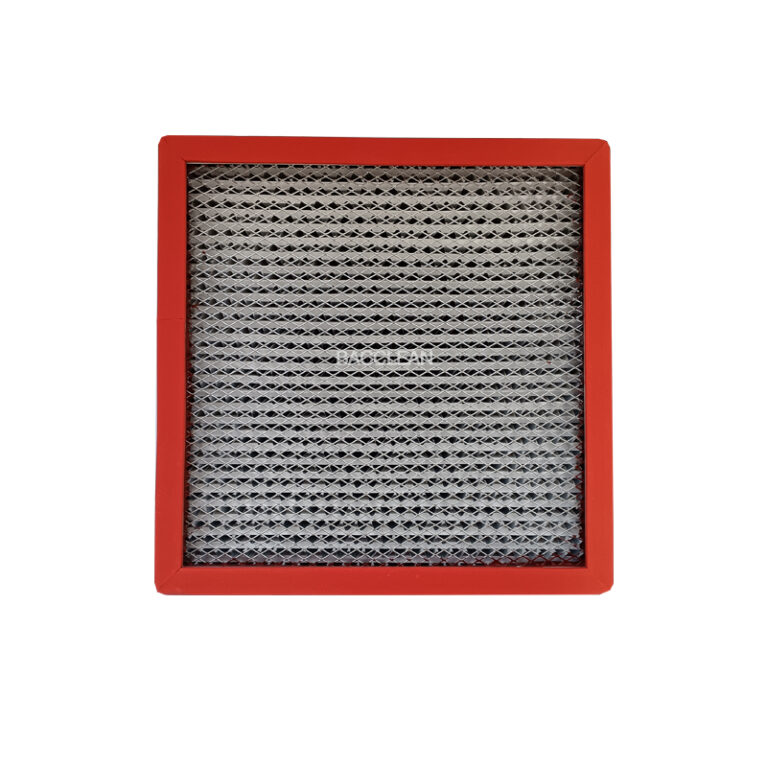

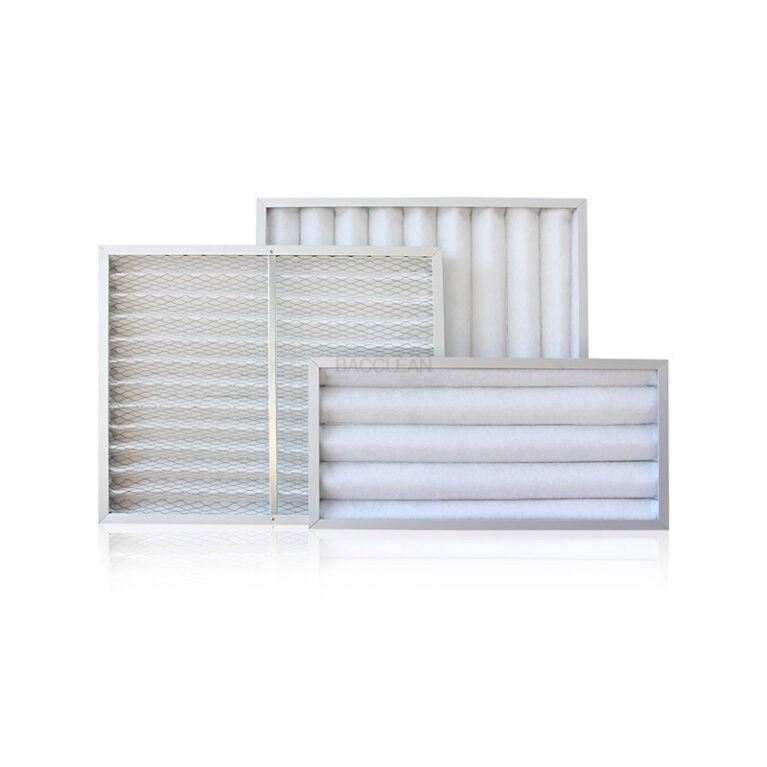
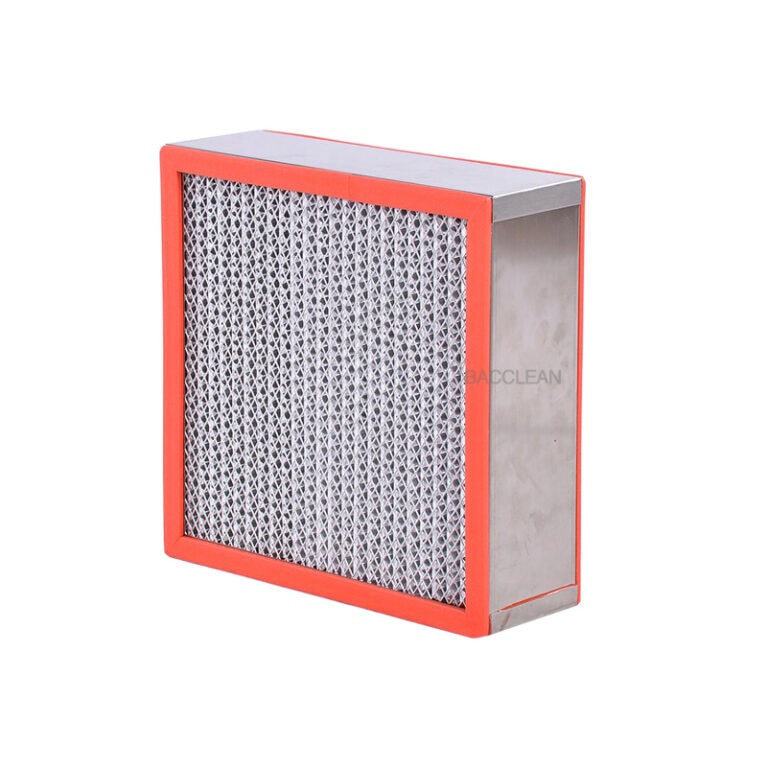
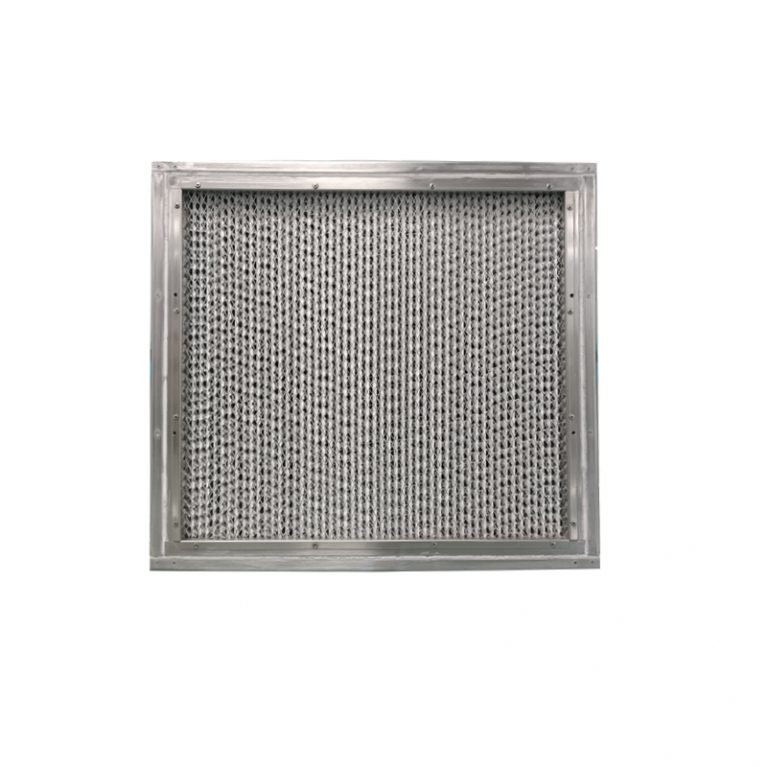
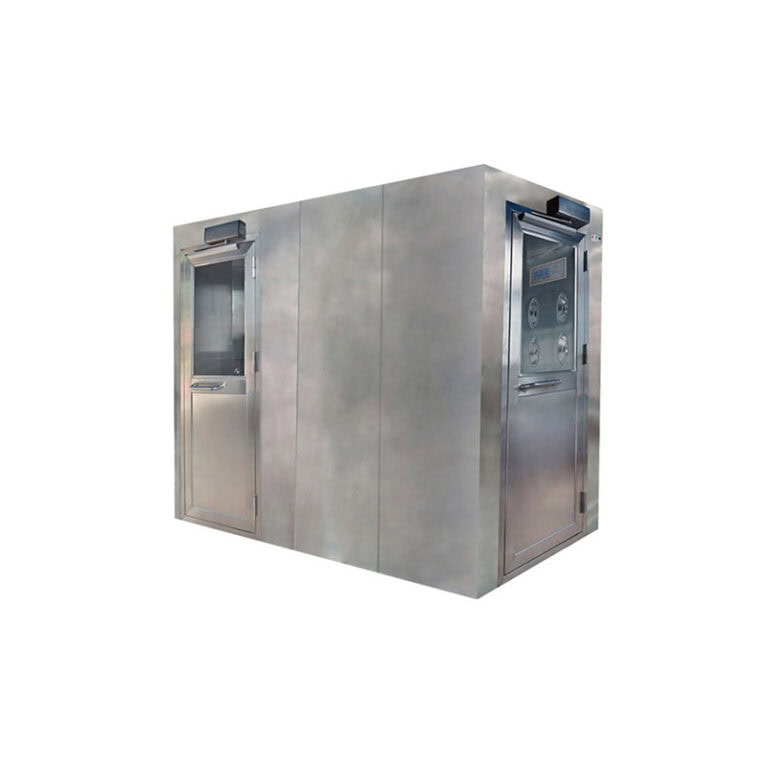
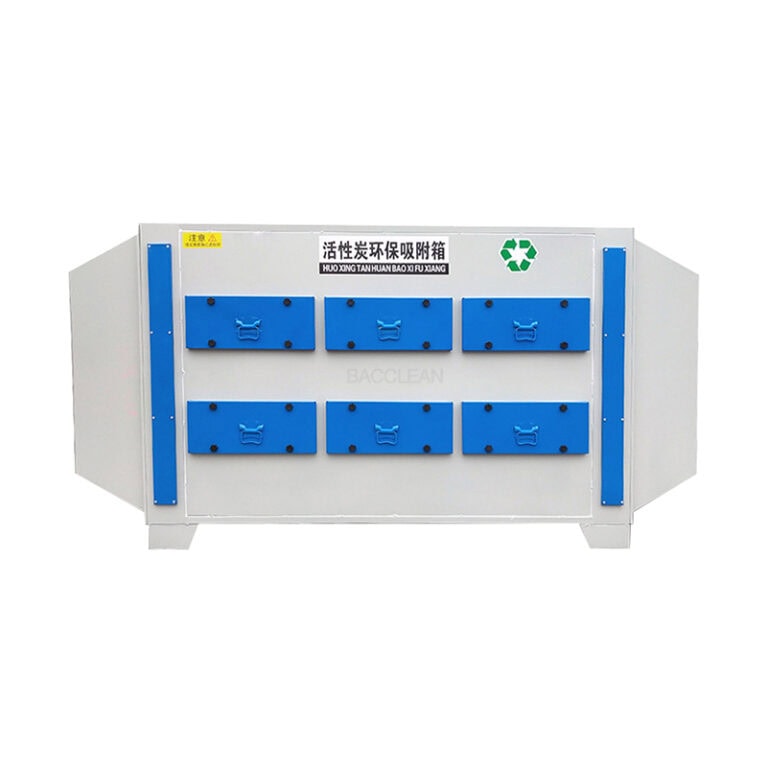
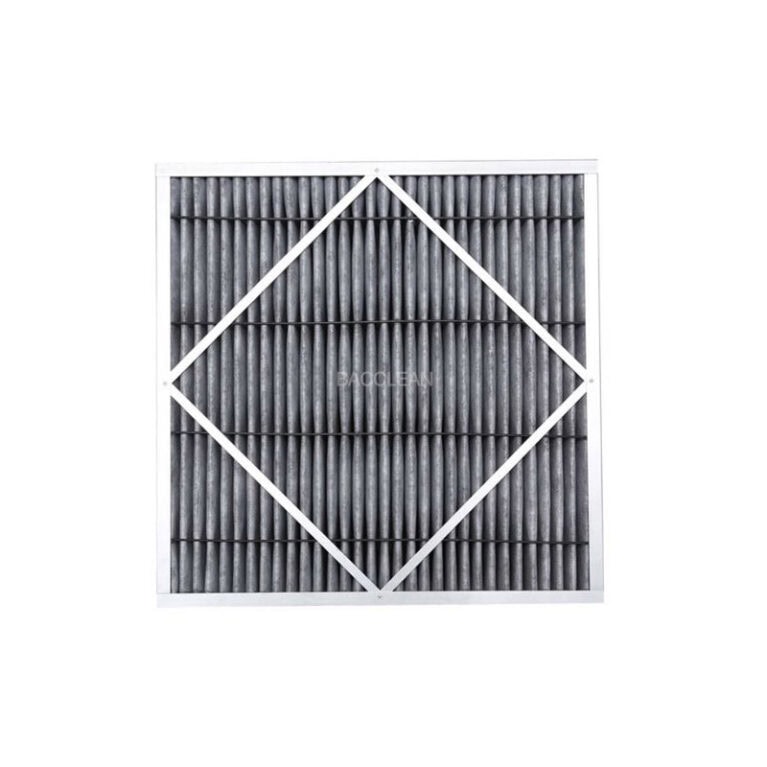
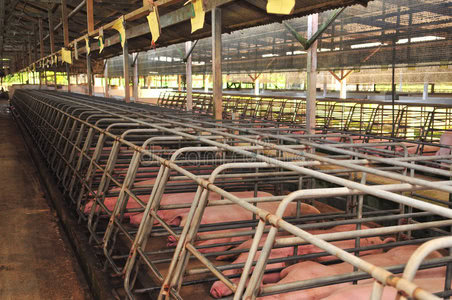
In livestock farms, air filters are key equipment for controlling air quality, reducing the spread of diseases, and improving the breeding environment. Its core function is to filter out dust, microorganisms (including bacteria, viruses, and fungal spores), ammonia/hydrogen sulfide, and other harmful gases and odors in the air, thereby ensuring the health of livestock and poultry, improving production efficiency, and reducing pollution to the surrounding environment. According to the filtration objectives and technical principles, the commonly used air filters in livestock farms are mainly classified into the following categories: I. Classification by filtering object: Four core types Particulate matter filter (mainly for dust removal) It is mainly used to remove solid particles in the air, including feed dust, livestock and poultry dander, feathers, and dust raised after the drying of manure, among other substances. This type of dust not only irritates the respiratory tracts of livestock and poultry but also adsorbs microorganisms, becoming carriers of disease transmission. Common types Primary air filter Material: Non-woven fabric, nylon mesh, metal mesh, coarse fiber filter paper. Filtration efficiency: For large particles ≥5μm, the efficiency is approximately 30%-60% (by weight method). Application scenario: As a pre-filter, it protects the subsequent medium and high-efficiency filters
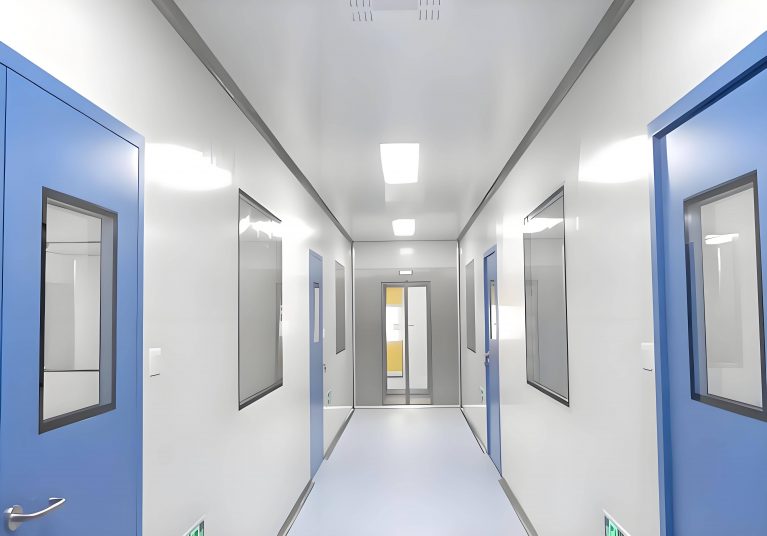
The air flow control in a cleanroom is achieved through a full-chain solution of “system design + core equipment + air flow organization mode + monitoring and regulation”.
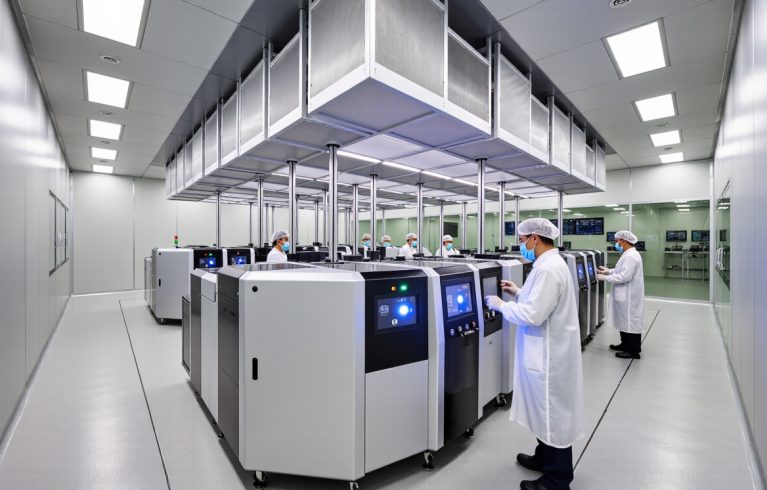
The semiconductor industry has extremely strict requirements for cleanrooms. The core objective is to control key parameters, including particles, temperature, humidity, airflow, pressure, and chemical contaminants, in order to prevent chip manufacturing defects (such as short circuits and decreased photolithography accuracy) caused by tiny impurities or environmental fluctuations.
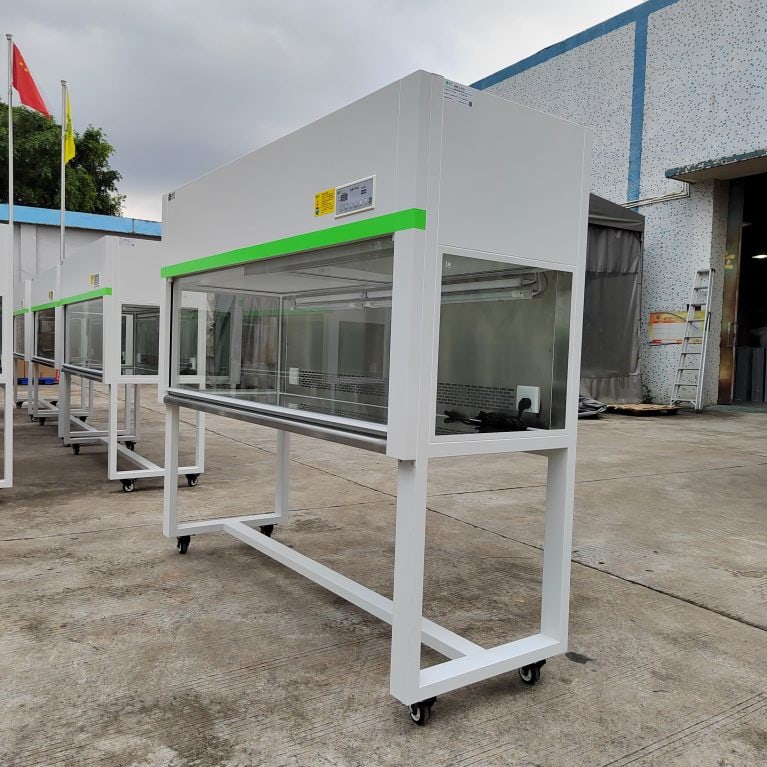
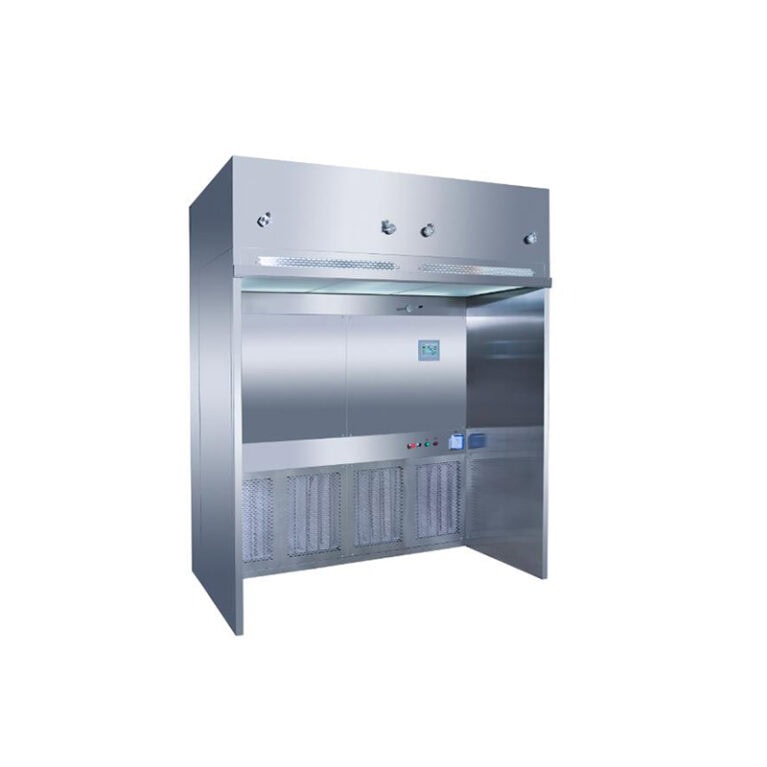
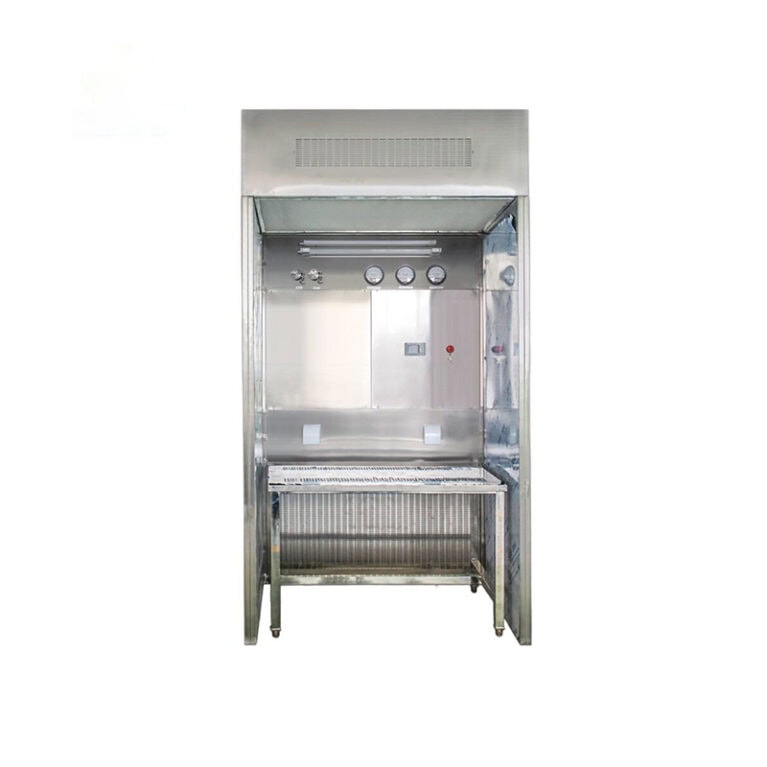
A clean bench is a local air purification device that provides a sterile and dust-free clean environment for the operation area by filtering particles, microorganisms, and other pollutants in the air. Its application fields are extensive, covering industries with strict requirements for environmental cleanliness. Specifically, it can be divided into the following major categories: I. Biomedical and Life Sciences Field This field is the core application scenario of clean benches. The core requirement is to prevent microbial contamination of experimental samples/reagents while protecting operators from biological hazards (such as pathogenic bacteria and viruses). The main application scenarios include: Microbiology experiments: isolation, culture, and identification of bacteria, fungi, and viruses, as well as microbial counting and drug sensitivity tests, etc., to avoid contamination of the culture system by external miscellaneous bacteria and ensure the accuracy of experimental results. Cell biology research: Passage, cryopreservation, transfection of mammalian cells (such as HeLa cells, stem cells), as well as operations like apoptosis and cell cycle detection, to prevent cell contamination by mycoplasma, fungi, etc., and ensure the purity of the cell line. Molecular biology experiments: PCR amplification, gene cloning, plasmid extraction, nucleic acid electrophoresis, etc., to avoid cross-contamination of nucleic acids (such as exogenous
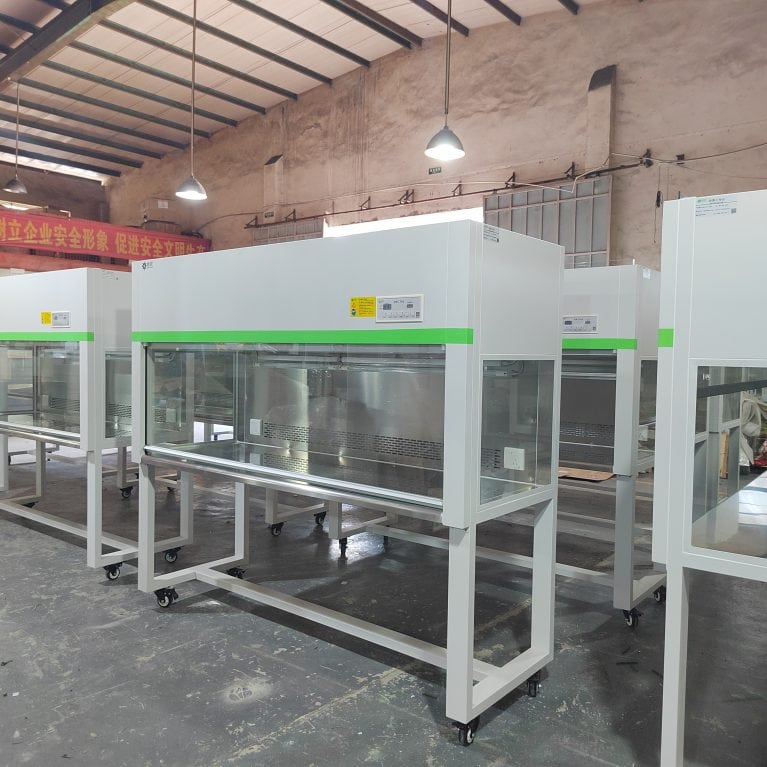
In fields with strict requirements for environmental cleanliness, such as microbiological experiments, biopharmaceutical production, electronic component manufacturing, and food processing, clean benches serve as a solid “protective shield”. With advanced technical principles and precise control capabilities, they provide safe, efficient, and stable clean Spaces for various critical operations. It becomes the core equipment for ensuring the accuracy of experimental results and the reliability of product quality. I. Core Function: Build a sterile and dust-free operation, “Pure Land” The core mission of the clean bench is to thoroughly remove particles, microorganisms, and other contaminants from the operating area through scientific airflow organization and an air filtration system, achieving high cleanliness control of the local environment. Its working principle is centered around two key links: “air purification” and “air flow stabilization”. High-efficiency air filtration system: The equipment is equipped with an internal primary filter and a high-efficiency air filter (HEPA). The primary filter first intercepts large particles of dust, hair, and other impurities in the air, thereby extending the service life of the high-efficiency filter. HEPA filters can efficiently filter particles with a diameter of 0.3μm or more, achieving a filtration efficiency of over 99.97%. Even ultra-high-efficiency air filters (ULPA) can
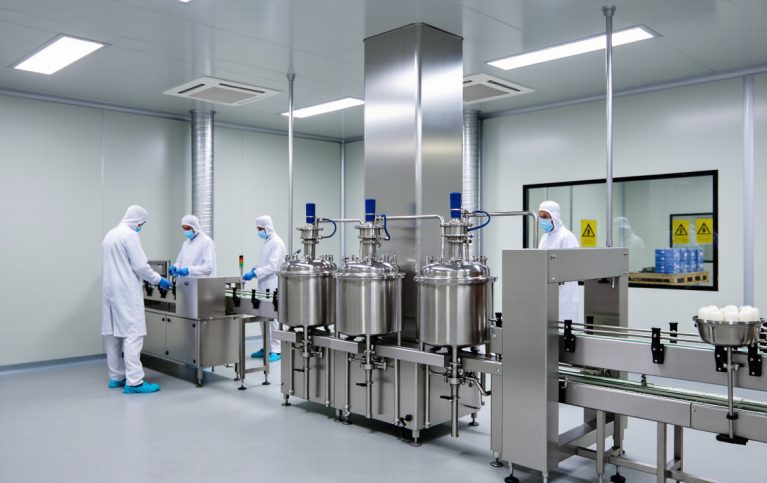
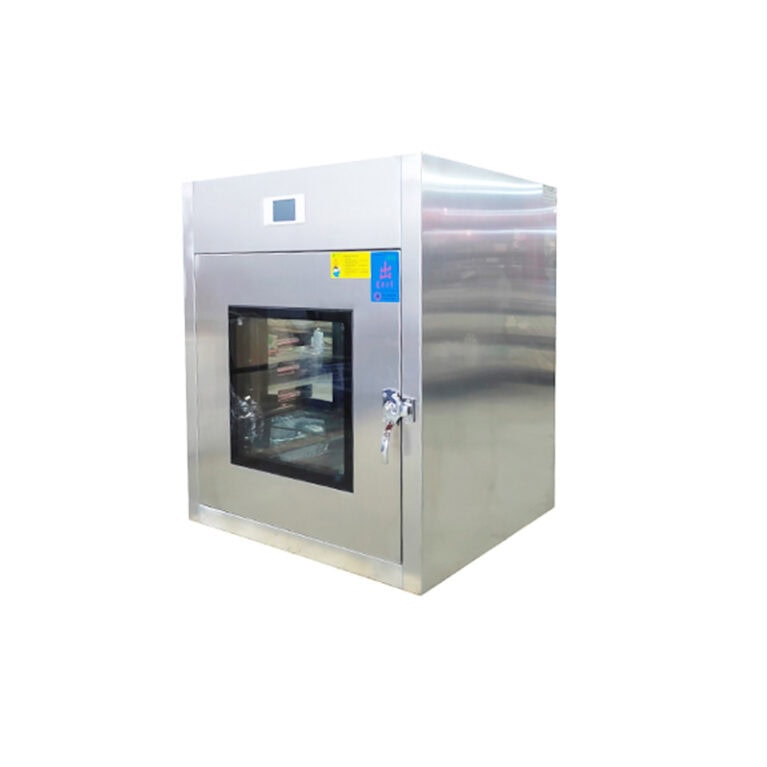
In a pharmaceutical factory’s clean production system, transferring materials, equipment, or samples between areas of different clean grades is a key weak point in pollution prevention and control. Direct transmission through the door is likely to cause air convection between clean and non-clean areas, or between high- and low-level clean areas. This may lead to cross-contamination of particulate matter and microorganisms, violating the core GMP requirement of “preventing contamination and cross-contamination.” As a device designed to address cross-regional pollution transmission, the transfer window—with its precise structural design and functions—serves as an “invisible barrier” to ensure production quality. This article will analyze its application advantages in pollution prevention, production efficiency, and compliance management. Core Advantage One: Blocking air convection to prevent cross-contamination from the source Cross-contamination is a major quality risk in pharmaceutical production. Air exchange during cross-regional transmission is the main route for such contamination. The transfer window uses a double-door interlocking system and internal purification to block the pollution chain. This achieves both physical isolation and active purification—its core application value. (1) The double-door interlock delivers physical isolation. The core structure of the transfer window is designed in such a way that “the two side doors cannot be
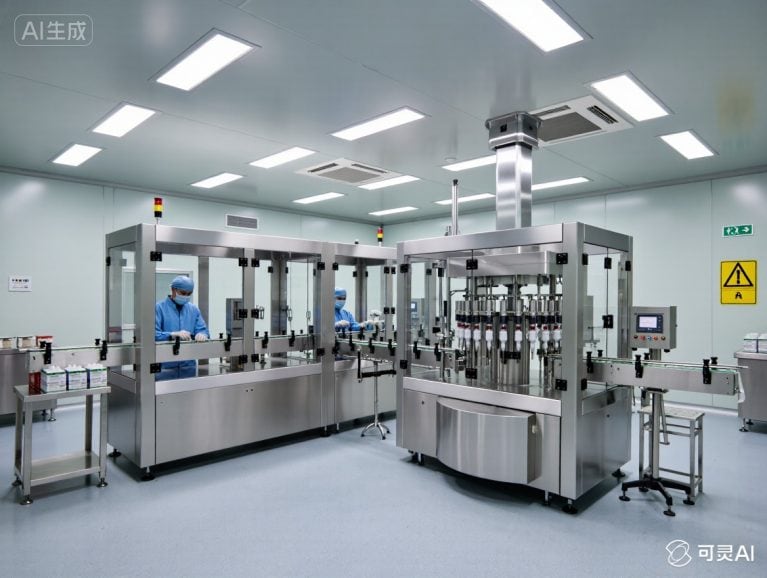
As a special commodity directly related to human health and life safety, the production process of medicines has extremely strict requirements for environmental cleanliness. Suspended particulate matter, microorganisms, and other pollutants in the air, if they enter the production process, may lead to the contamination of drugs, a decrease in purity, a reduction in efficacy, and even cause serious drug safety accidents. As a key core device in the air purification system of pharmaceutical factories, medium-efficiency air filters, with their precise filtration performance and stable operation, have become an important defense line for ensuring the quality of drug production. This article will begin by examining the production environment requirements of pharmaceutical factories and then analyze the application value, core scenarios, key selection points, and maintenance strategies of medium-efficiency air filters in depth. I. Air Cleanliness Requirements for the Production Environment of Pharmaceutical Factories The particular nature of the pharmaceutical industry dictates that its production environment must meet stringent cleanliness standards. China’s “Good Manufacturing Practice (GMP) for Pharmaceutical Products” clearly stipulates that different dosage forms and production processes of drugs should correspond to different grades of clean workshops (such as grades A, B, C, and D). Among them, there are
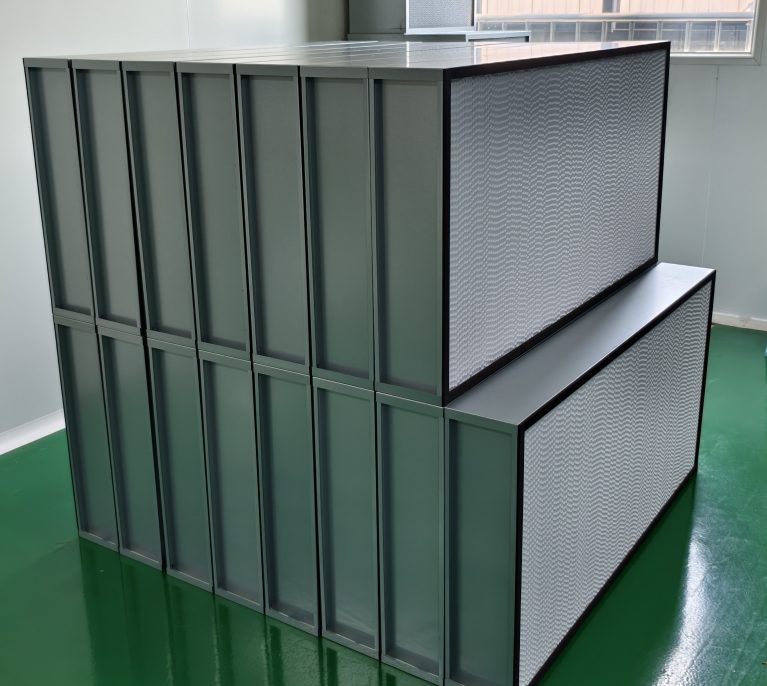
In industrial applications, High Efficiency Particulate Air filters (HEPA filters for short, usually referring to filters with a filtration efficiency of ≥99.97% for 0.3μm particles) are not optional auxiliary equipment. Instead, it is the core infrastructure that ensures production continuity, product quality, equipment safety, and personnel health. Its significance runs through the entire process from raw material processing to finished product delivery. Specifically, it can be analyzed from the following five core dimensions: I. Ensuring Product Quality: The “Quality Bottom Line” of Industrial Production In industries with strict purity requirements, such as precision manufacturing, electronics, medicine, and food, tiny particles (such as dust, fibers, and microorganisms) are the key causes of product defects. The core value of high-efficiency filters lies in creating a “production environment free of impurities”. In the electronic semiconductor industry, in chip manufacturing, line width has entered the nanometer level (such as 3nm process). A dust particle with a diameter of 0.1μm may cause a short circuit in the circuit or distortion of the photolithography pattern, directly leading to the scrapping of the wafer. High-efficiency filters (in conjunction with FFU fan filter units) are core components of “Class 100” and “Class 10” cleanrooms, ensuring that key processes
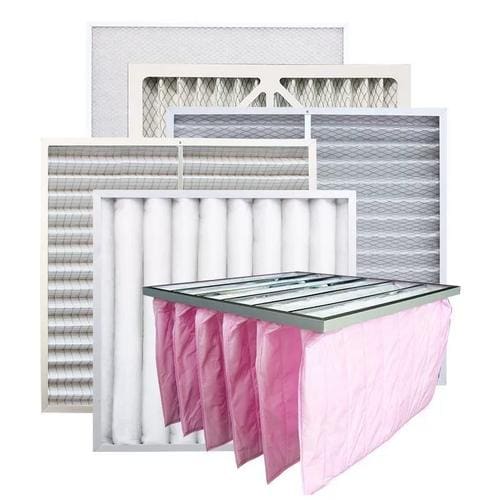
In the process of drug production, air cleanliness is directly related to the purity, stability, and safety of drugs, and is one of the core elements to ensure the quality of drug production. Medium-efficiency air filters, as a crucial component of the air purification system in pharmaceutical factories, play an irreplaceable role in multiple scenarios, such as pretreatment, terminal protection, and local purification, due to their highly efficient interception capacity for particles of specific sizes. This builds a solid air quality defense line for pharmaceutical production. I. The Core Role of Medium-Efficiency Air Filters in Pharmaceutical Factories The filtration efficiency of medium-efficiency air filters lies between that of primary and high-efficiency filters. They mainly intercept suspended particles ranging from 1 to 10 μm, such as dust, pollen, microbial spores, and certain aerosols. Their core functions are reflected in three dimensions: Protect key downstream equipment. As the “pre-guard” of high-efficiency air filters (HEPA), medium-efficiency filters can pre-filter out most of the larger particles in the air, significantly reducing the load on high-efficiency filters, preventing them from clogging prematurely, and extending the service life of high-efficiency filters (usually by 3 to 5 times), while also lowering replacement costs and the frequency
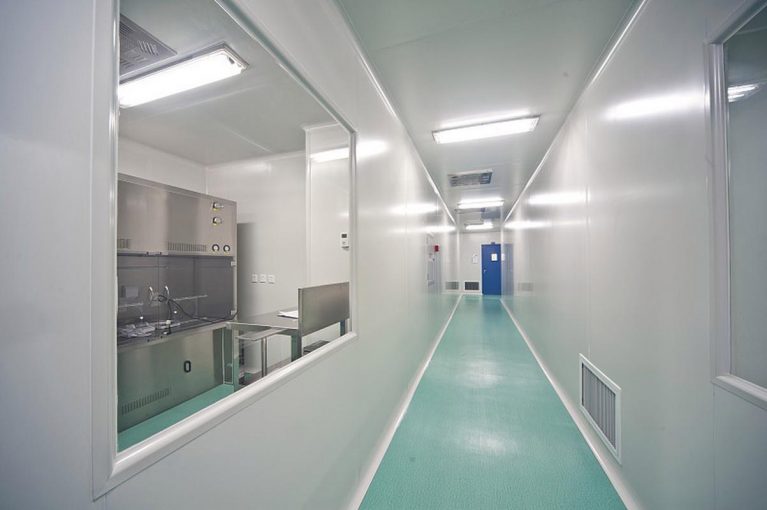
The installation quality of cleanroom filters directly determines the air cleanliness level, operational stability, and energy consumption of the cleanroom. The core requirements are to ensure no leakage, uniform air distribution, firm installation, and compliance with cleanroom regulations. The following elaborates on the key points to note from four dimensions: pre-installation preparations, key points for installing filters of different levels, common precautions, and acceptance and record-keeping. I. Before Installation: Foundation preparation is the prerequisite The preparatory work before installation directly affects the quality of subsequent installation. It is necessary to strictly control the three major elements of “environment, equipment, and personnel”. 1. Pre-treatment of the installation environment Cleanliness compliance: The installation of filters must be carried out after the basic completion of the civil construction, decoration and equipment installation of the clean room. Moreover, the installation area should be pre-cleaned (such as sweeping, vacuuming and wiping) in advance to prevent dust and debris from adhering to the surface of the filters or entering the air flow channels. Primary filter: It can be installed in a generally clean environment, but construction dust should be avoided. Medium-efficiency filters: Simple dust removal is required in the installation area (such as cleaning the inner
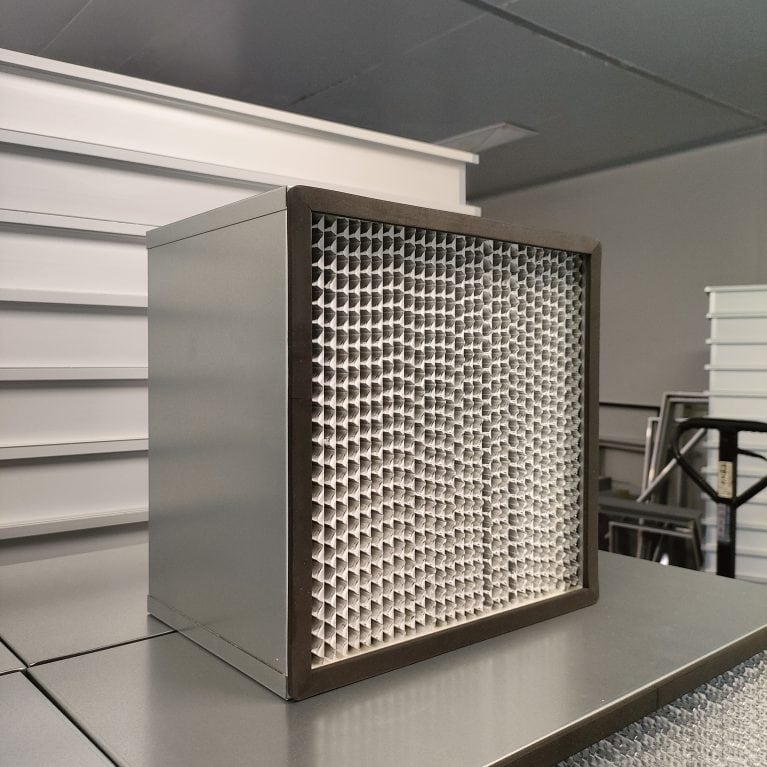
Frequently Asked Questions about Primary, Medium, and High-Efficiency Air Filters in Cleanrooms In the “primary efficiency + medium efficiency + high efficiency” three-stage filtration system of a cleanroom, filters of different levels often encounter various problems during operation due to differences in functional positioning and material properties. The following answers the core questions in combination with actual application scenarios. I. Issues related to selection and compatibility 1. How to determine whether the selection of primary, medium, and high-efficiency filters matches the requirements of the cleanroom? The core of selection and matching lies in “gradient interception efficiency and system load adaptation”, which can be judged through three dimensions: Clean level matching: High-efficiency filters directly determine the cleanliness level (for example, for ISO 5 grade, H13 or higher HEPA level is required). Medium-efficiency filters, as “transitional interception”, should correspond to F5-F9 grade (F7 can be selected for ISO 7-8 grade cleanrooms, and F9 is required for ISO 5-6 grade). Primary filters of G3-G4 grade can meet the pre-protection requirements. Air volume matching: The rated air volume of each level of filter should be consistent with the system’s supply air volume, and a margin of 10% to 15% should be reserved. For instance,
In a cleanroom environment, the operational stability of high-efficiency filters (HEPA) is the core for maintaining cleanliness levels and ensuring production/experimental safety. The guarantee of its stability needs to run through the entire life cycle of selection, installation, operation, monitoring, and maintenance management, and be achieved through multi-dimensional technical measures and management norms. The following are the specific guarantee strategies: I. Pre-installation Assurance: Scientific selection and compliant installation Selection and installation are the “fundamental engineering” for the stable operation of filters, directly determining their compatibility and initial performance. 1. Precise selection: Match the core requirements of the cleanroom The selection of filters should be based on core parameters such as the cleanliness level of the cleanroom (such as ISO 5-8), the air volume to be treated, the characteristics of contaminants (particle size, concentration), temperature and humidity/corrosive environment, etc., to avoid the decline in stability caused by “overload operation” or “performance redundancy”. Air volume matching: The rated air volume of the filter needs to be precisely matched with the supply air volume of the clean room (generally leaving a margin of 10% to 15%). If the actual air volume far exceeds the rated value, it will cause the air velocity of
