
By considering dimensions such as usage scenarios, sterilization methods, parameters, and configurations, we will guide you step by step in selecting the appropriate equipment, taking into account compliance, cost, and usage requirements.
1. First, clearly define the core usage requirements (the first step in selection)
1. Differentiate between cleanliness levels and pressure differences between zones
General clean area (D class / general clean room): Only prevent air convection and simple dust removal, prioritize ordinary air shower transfer windows / mechanical interlocked transfer windows.
Sterile area, biological laboratory, B/A class high cleanliness area, GMP sterile workshop: There is a risk of microbial and spore contamination, therefore, VHP sterilization transfer windows must be selected.
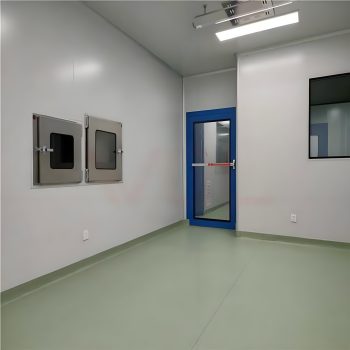
Biological safety laboratory: Additional requirement for negative pressure, to prevent harmful gases / aerosols from leaking out.
2. Clearly define the characteristics of the transferred materials
Material size / weight: Reserve 100-150mm margin based on the maximum external size of the material to determine the net size of the chamber; heavy materials can choose models with wheels / load-bearing tabletops.
Material material
Plastic, electronic components, paper, rubber, etc. heat-sensitive materials: Prohibit high temperatures and ethylene oxide, prioritize VHP type.
Metal, glass, etc. radiation-resistant materials: Consider ultraviolet type.
Copper, ordinary rubber parts: Be cautious about high-concentration VHP, or take protective measures in advance.
Transfer frequency
High-frequency and rapid turnover: Select ordinary / ultraviolet transfer windows (with a cycle of several tens of seconds).
Low-frequency and extremely high sterilization requirements: Select VHP transfer windows (complete process 20–60 minutes).
3. Sterilization requirement levels
Only for daily antibacterial and surface decontamination: Ultraviolet transfer windows are sufficient, with the lowest cost.
Requires killing spores, achieving 6-log sterilization, ensuring sterility: VHP vaporized hydrogen peroxide transfer windows (industry mainstream high-standard solution).
Strictly prohibit chemical agents and irradiation: Select air shower transfer windows, with only dust removal function, without sterilization capability.
2. Compare and select based on sterilization type (main three types)
| النوع | Applicable Scenarios | Advantages | Bottlenecks | Recommendation Index |
| Standard interlocking pass box | General cleanroom, ordinary workshop, only for preventing air leakage | Low price, small size, fast turnover, no consumables | No sterilization function, only physical isolation | The preferred option for basic scenarios |
| Ultraviolet sterilization pass box | Class C/D clean area, transfer of non-sterile materials | Reasonable price, simple operation, short cycle | There are blind spots in the irradiation, it cannot kill spores, and the lamp tubes need to be replaced regularly. | Medium sterilization requirements |
| VHP sterilization pass box | Aseptic workshop, biological laboratory, high-grade clean area | Sterilization is thorough, with no residues, at a low temperature, and without any dead corners. | High cost, long cycle, and requires hydrogen peroxide consumption | High sterility requirements must be selected. |
III. Key Hardware Parameter Selection
1. Door Body and Interlock (Required)
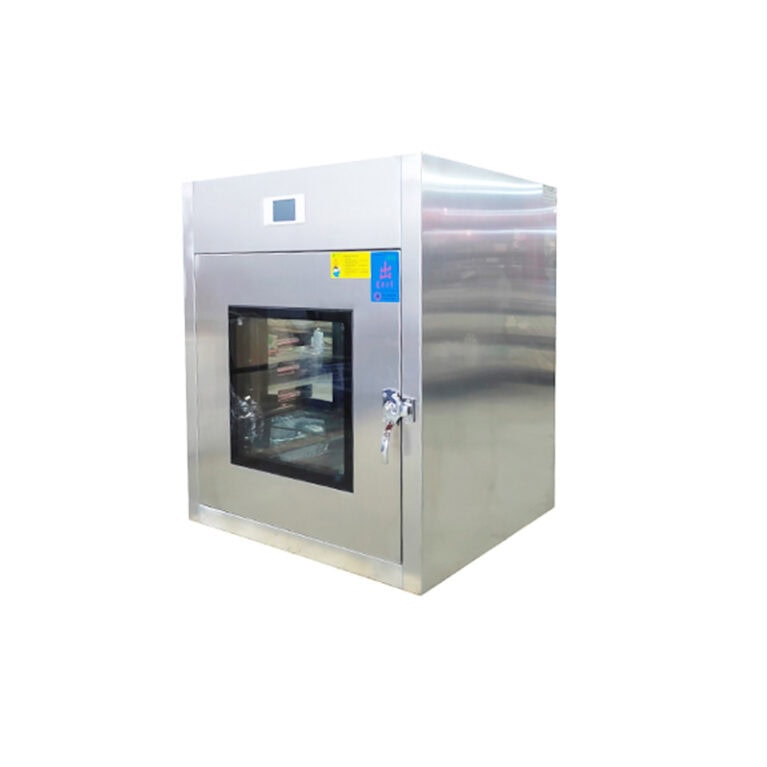
Standard Model: Mechanical + Electronic Dual Locking, Both doors cannot be opened simultaneously. Basic anti-contamination.
High-grade Area: Additional Air-tight Door, Silicone Sealing Thickened Model, Enhance Air-tightness.
Channel Form: Single-directional Transfer Select Single-channel; Frequent Bidirectional Transportation Select Straight-through Type, Special Working Conditions Select Corner Type.
2. Material Selection (General Standard for Clean Area)
Mainstream: 304 Stainless Steel, Corrosion-resistant, Easy to Clean, Complies with GMP, Suitable for UV / Ordinary Model.
VHP Special / Corrosive Environment: 316L Stainless Steel, Resistant to Hydrogen Peroxide Oxidation, Extends Equipment Lifespan.
Panel: Whole Board Inner and Outer without Splicing, Rounded Design, Avoid Dust Accumulation and Bacterial Growth.
3. Ventilation and Filtration System
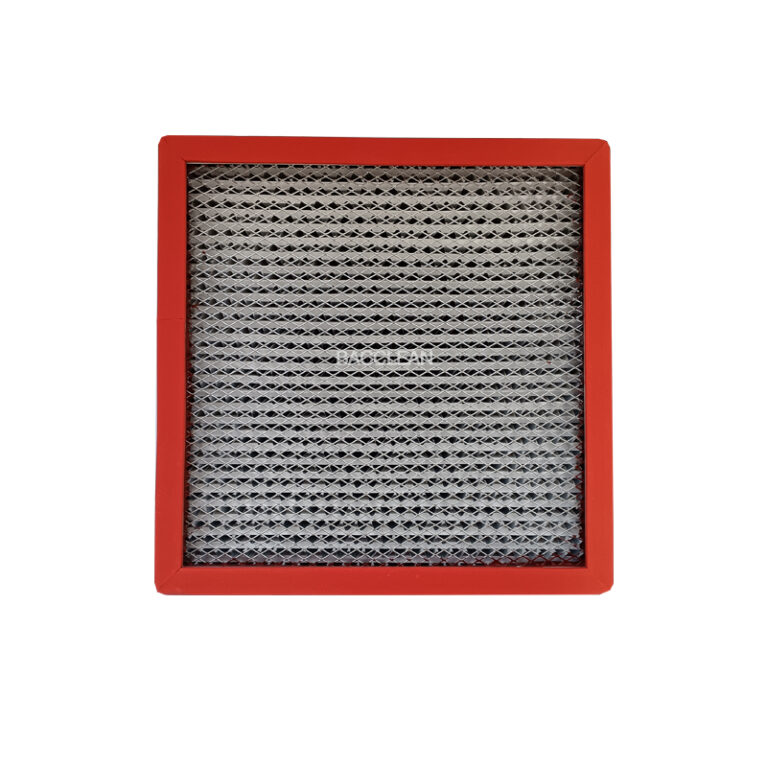
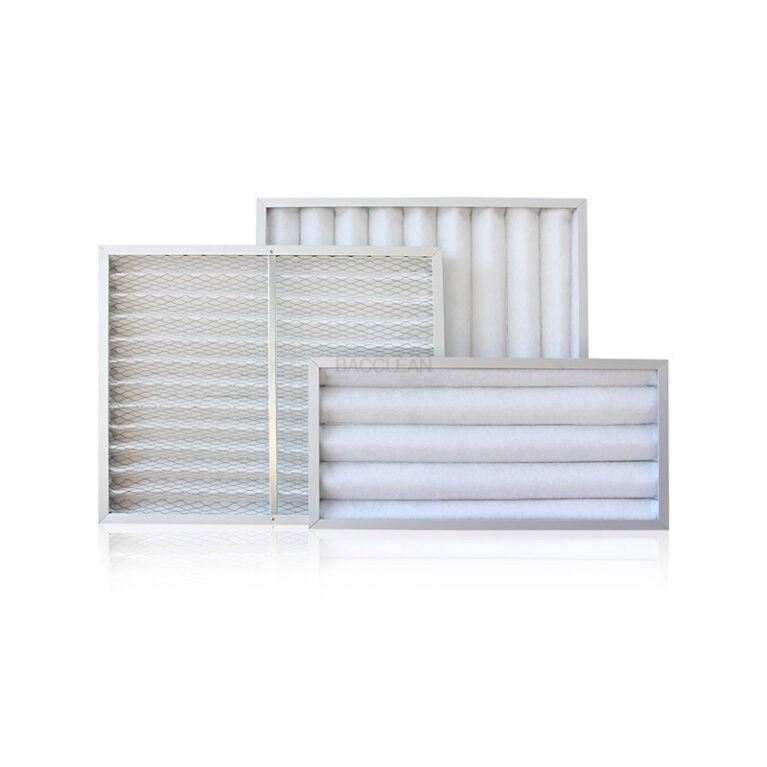
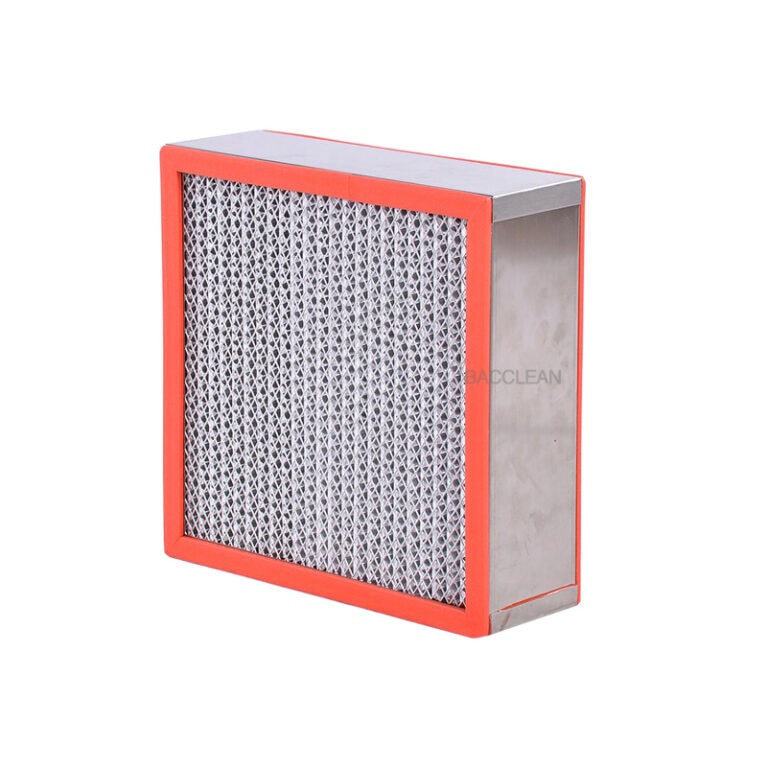
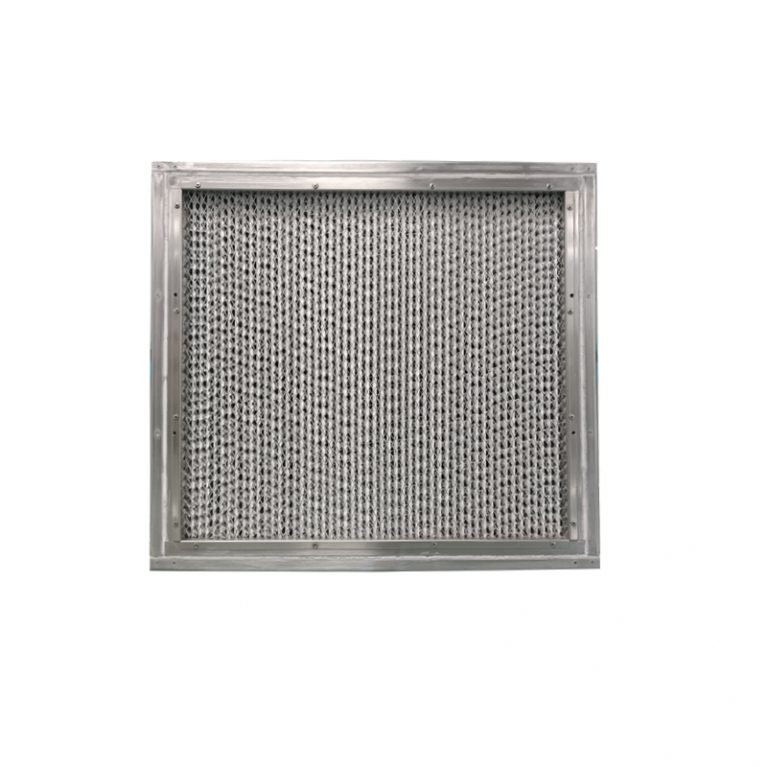
Normal / UV Model: Standardly equipped with primary efficiency + H13/H14 High-efficiency Filters, In and Out Air Filtration.
VHP Model: Must be equipped with Independent Circulating Airway, Catalytic Decomposition Module, Dehumidification Module; In biological safety scenarios, mandatory negative pressure control.
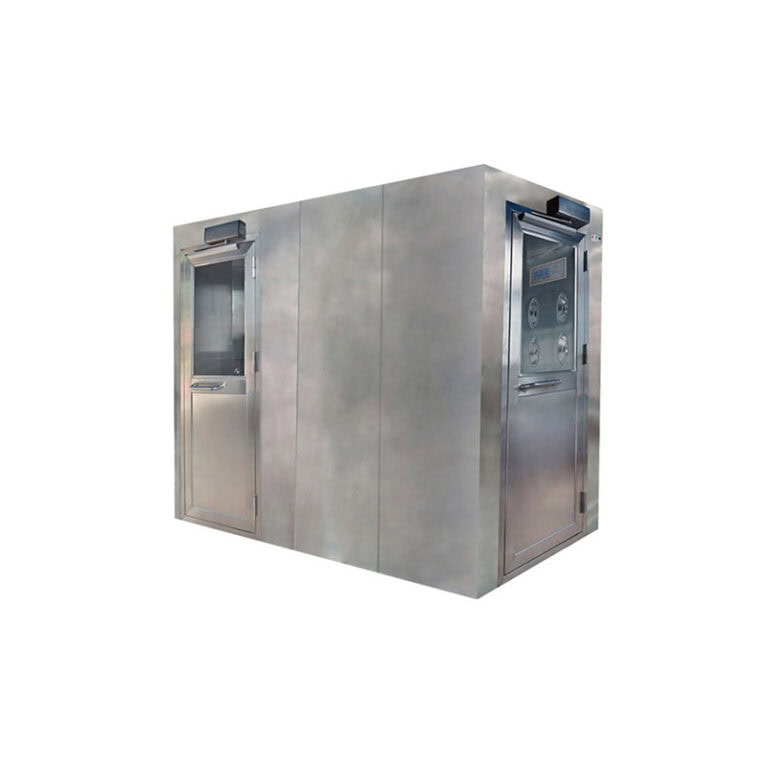
Air Shower Model: Confirm the number of air nozzles, air speed (standard ≥ 25m/s), meet dust removal requirements.
4. Control Mode
Basic Model: Manual Control, Suitable for small workshops, limited budget scenarios.
High-standard Model: Fully Automatic PLC Control, Can Set Sterilization Duration, Concentration, Temperature and Humidity, Automatic Debris Removal, Support Data Storage (Satisfy GMP Audit Tracking), Preferred for Pharmaceuticals / Laboratories.
IV. Selecting Based on Budget and Maintenance
Low Budget, Basic Isolation: Ordinary Stainless Steel Interlock Transfer Window, No Additional Functions.
Medium Budget, Simple Sterilization: UV Transfer Window, Replace UV Lamp Tubes Regularly, Simple Maintenance.
High Budget, Sterile Necessity: VHP Transfer Window, High Initial Investment, Long-term Need to Purchase Hydrogen Peroxide, Replace Catalytic Filters / Sensors, Pre-calculate Maintenance Costs.
V. Supplementary Requirements for Special Working Conditions
Explosion-proof Area: Select Explosion-proof Transfer Windows, Electrical Components, Motors, Controllers All Made with Explosion-proof Treatment.
Low Temperature / Cold Storage Environment: Select Low Temperature Sealed, Anti-condensation Customized Model.
With Exhaust Gas Emission Requirements: VHP Model Must Be Equipped with Exhaust Gas Treatment Device to Ensure Emission Compliance.
Verification Requirements (GMP): Prioritize Models with Parameter Recording, Alarm, Function Verification Interface to Facilitate Daily Verification and Audit.
VI. Summary of Quick Selection
Only Prevent Cross-contamination, Dust Removal → Ordinary Interlock / Air Shower Transfer Window
Simple Sterilization, Fast Turnover → UV Transfer Window
Sterile Environment, Kill Spores, High Cleanliness → VHP Transfer Window
Biological Safety Room → Negative Pressure + VHP + High Air-tight Model
Corrosion / Sterilization Conditions → 316L Stainless Steel Material
