
I. Core Compliance Performance Parameters
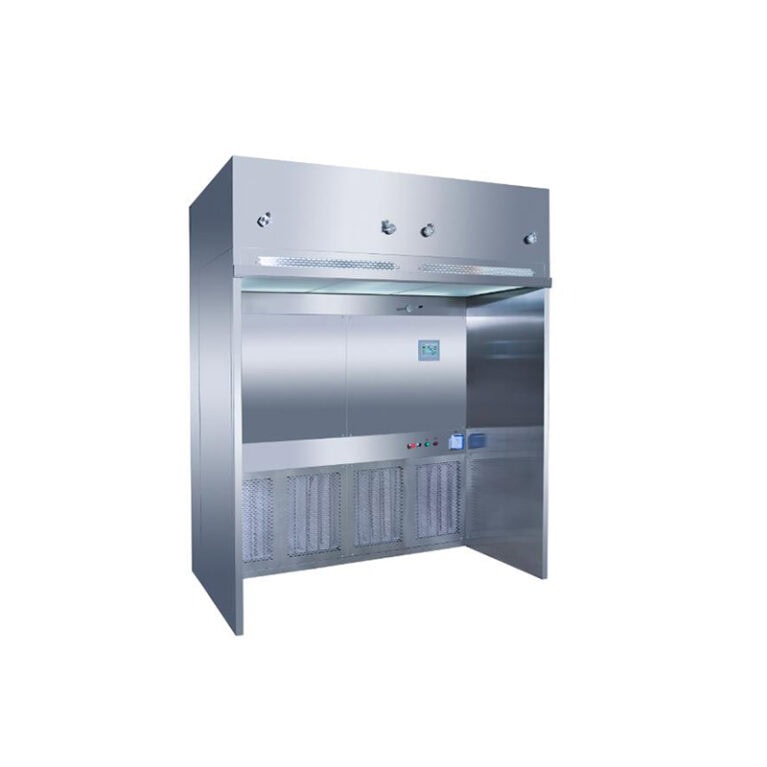
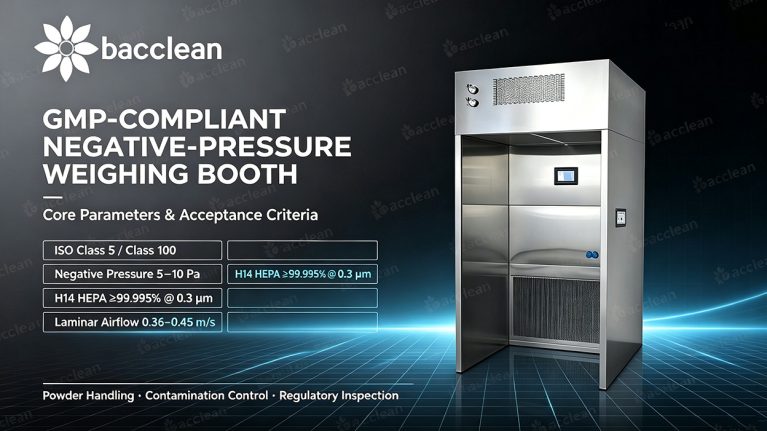
- Cleanliness Class: Both static and dynamic conditions of the operating area shall reach ISO Class 5 (Class 100) to prevent contamination of sterile powders and active pharmaceutical ingredients.
- Negative‑Pressure Differential: Stable negative pressure of 5‑10 Pa inside the equipment relative to the surrounding workshop environment, free of positive‑negative pressure fluctuations, to eliminate powder leakage.
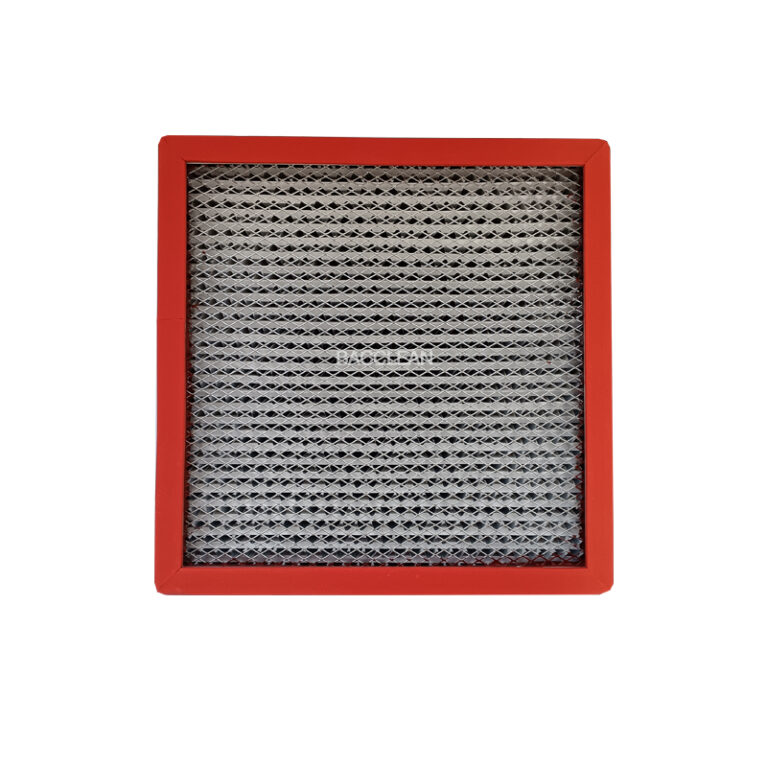
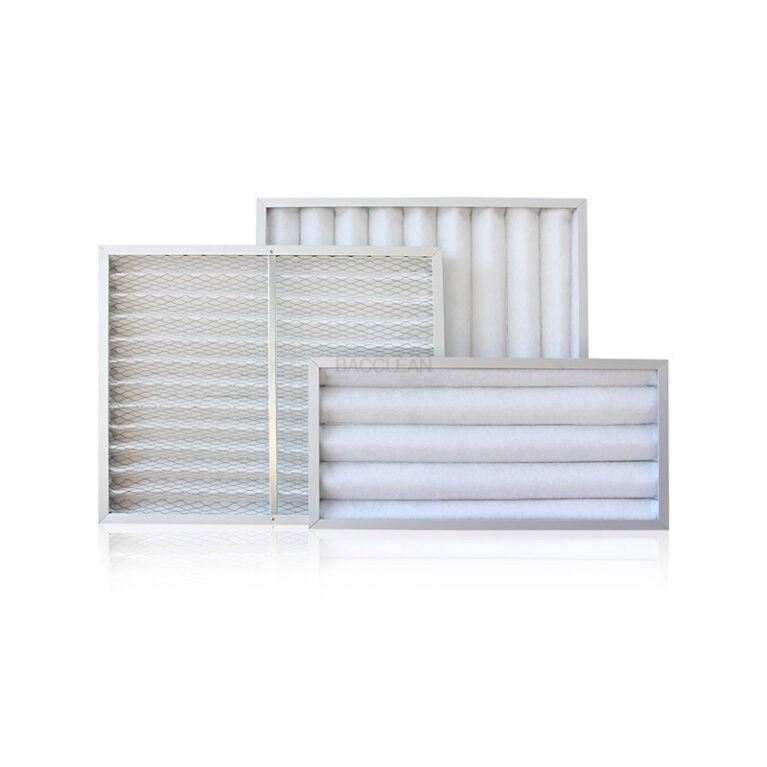
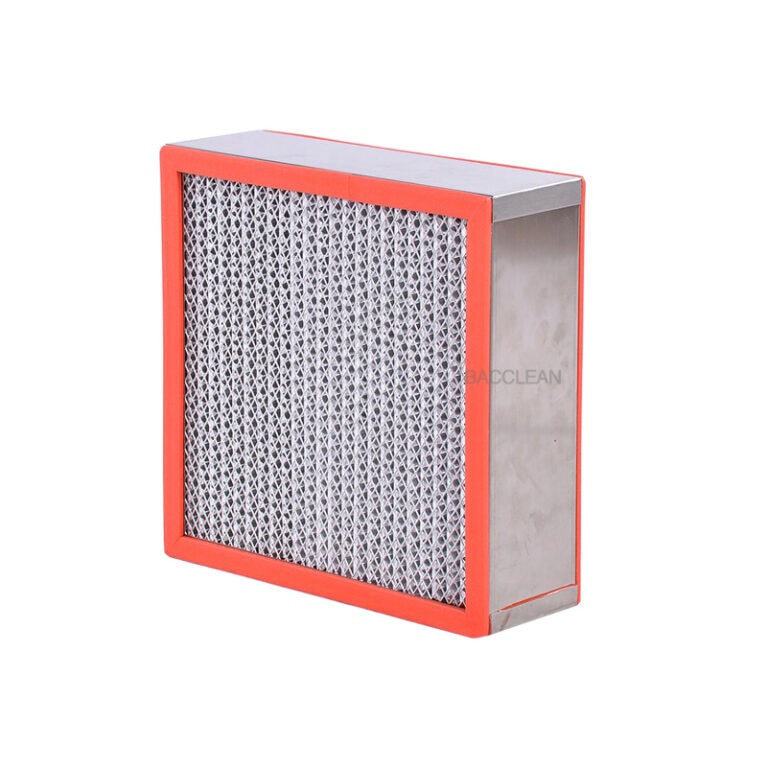
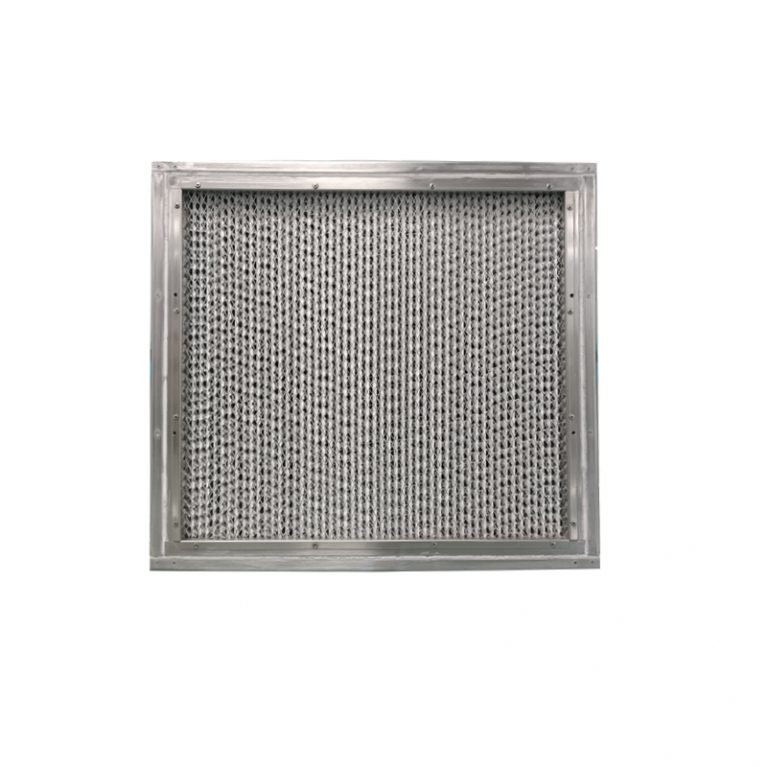
- Filtration Efficiency: Supply‑air H14 high‑efficiency particulate air (HEPA) filters shall achieve ≥99.995 % filtration efficiency for 0.3 μm particles; exhaust filters shall precisely intercept ultrafine powders.
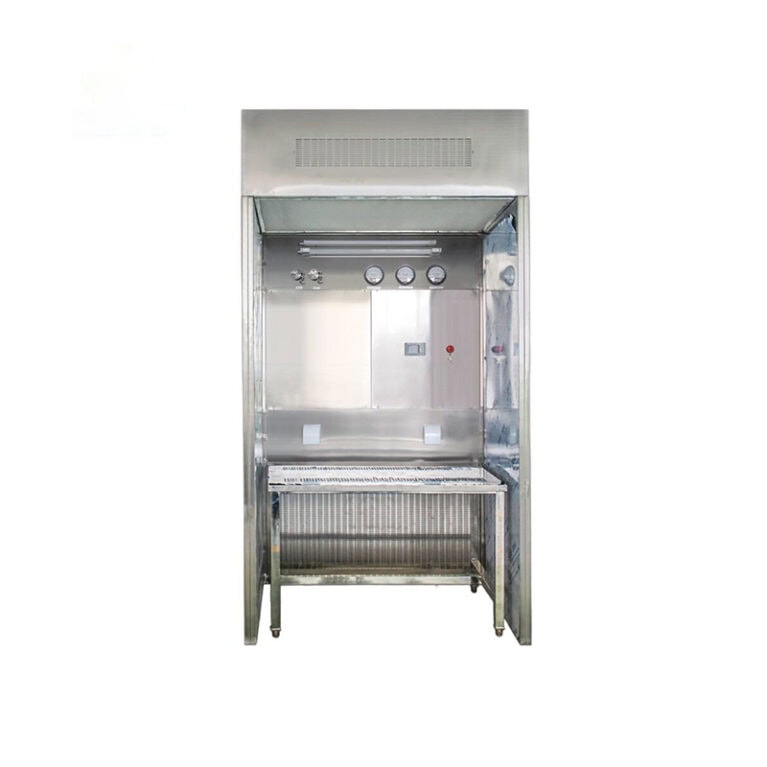
- Air Velocity Parameters: Laminar supply‑air velocity ranges from 0.36 m/s to 0.45 m/s with uniform airflow and no dead zones.
- Operating Noise: Overall unit noise ≤75 dB(A), suitable for long‑duration operations.
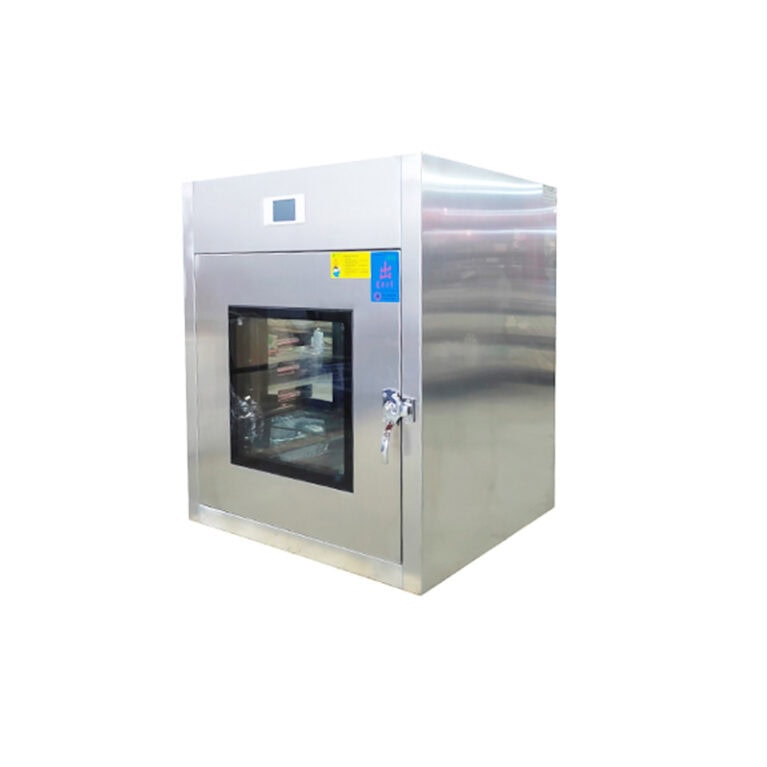
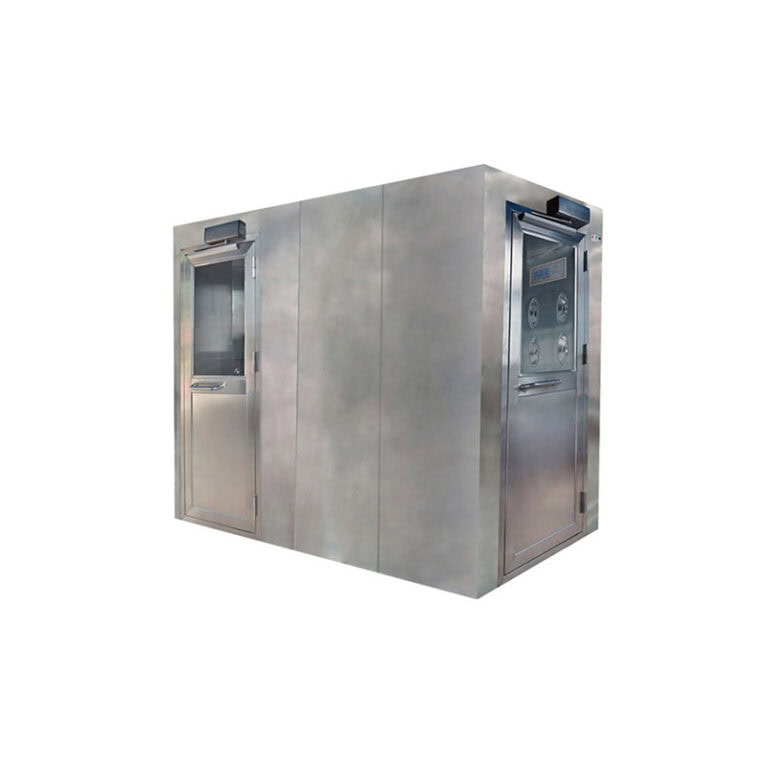
- Material Standard: The complete unit adopts 304 stainless steel with seamless welding; no dust‑accumulating dead corners, corrosion‑resistant and easy‑to‑clean &‑disinfect.
II. Core On‑Site GMP Acceptance Criteria
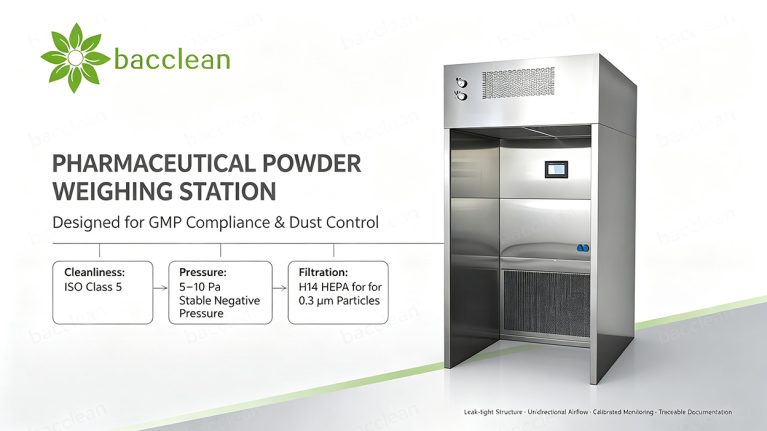
- Dust Tightness Acceptance: No powder spills at chamber openings during equipment operation; no powder residues in surrounding workshop areas; stable negative‑pressure gradient.
- Cleanliness Acceptance: Under dynamic production conditions, airborne particles, airborne viable particles and settleable particles in the operating area shall meet ISO Class 5 requirements.
- Airflow Acceptance: Stable unidirectional airflow without eddy currents or backflow; no dead corners for powder retention.
- Function Acceptance: Differential‑pressure indication, air‑velocity monitoring, fault alarm and variable‑frequency control functions work properly with accurate data display.
- Structural Acceptance: No weld dead corners; intact seals, smooth opening‑closing actions and no blind spots for cleaning.
III. Documentation for Inspection Reference
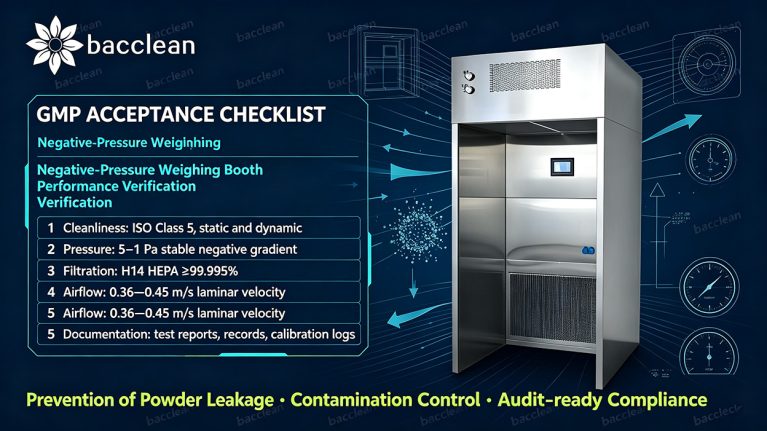
Equipment factory test reports, on‑site acceptance records, filter leak‑test reports, air‑velocity & negative‑pressure calibration records, daily cleaning & maintenance logs, and filter‑element replacement records. All data shall be complete and traceable to satisfy routine regulatory inspections.
