
Working Principle & Application of Clean Bench
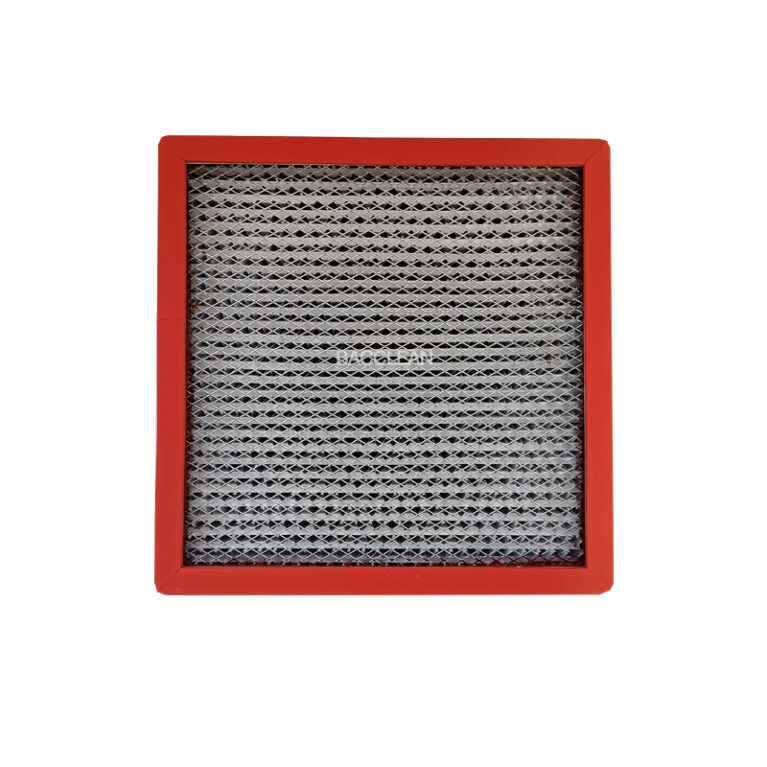
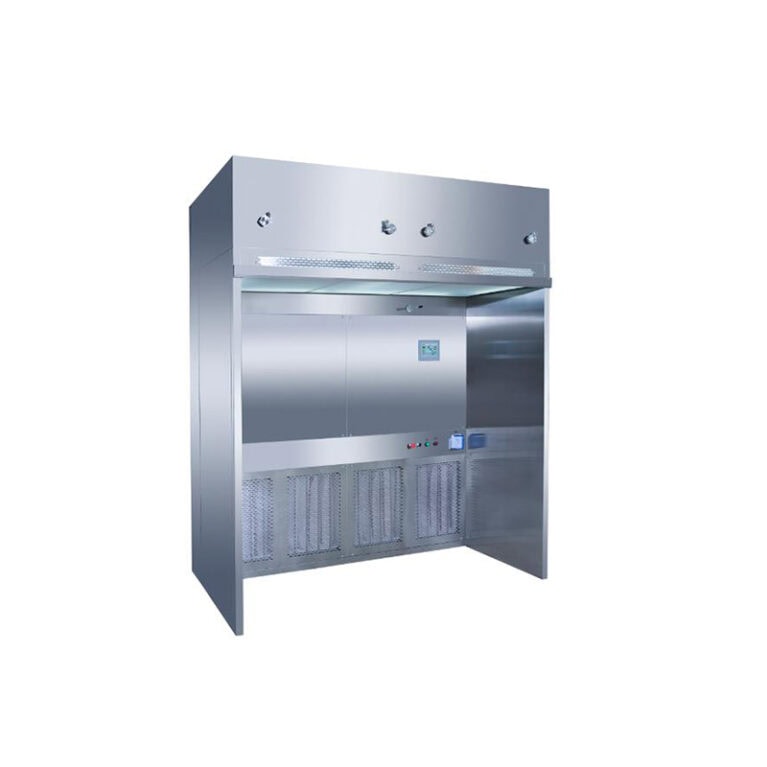
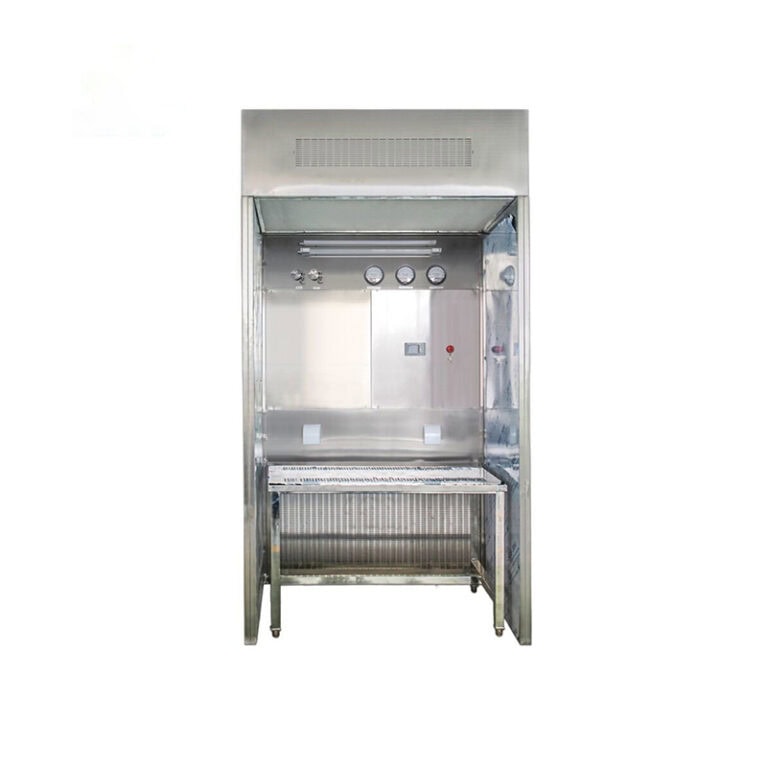
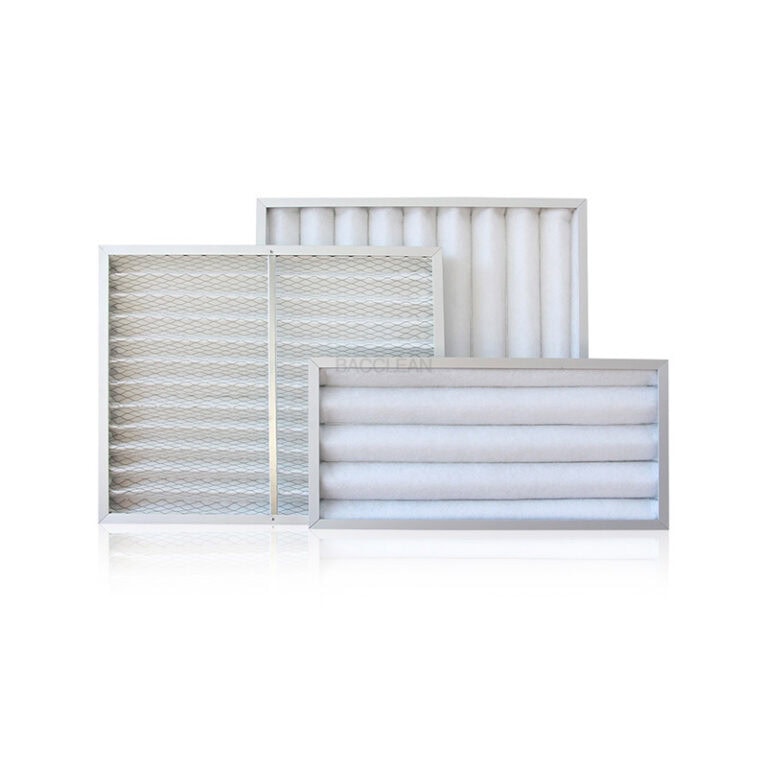
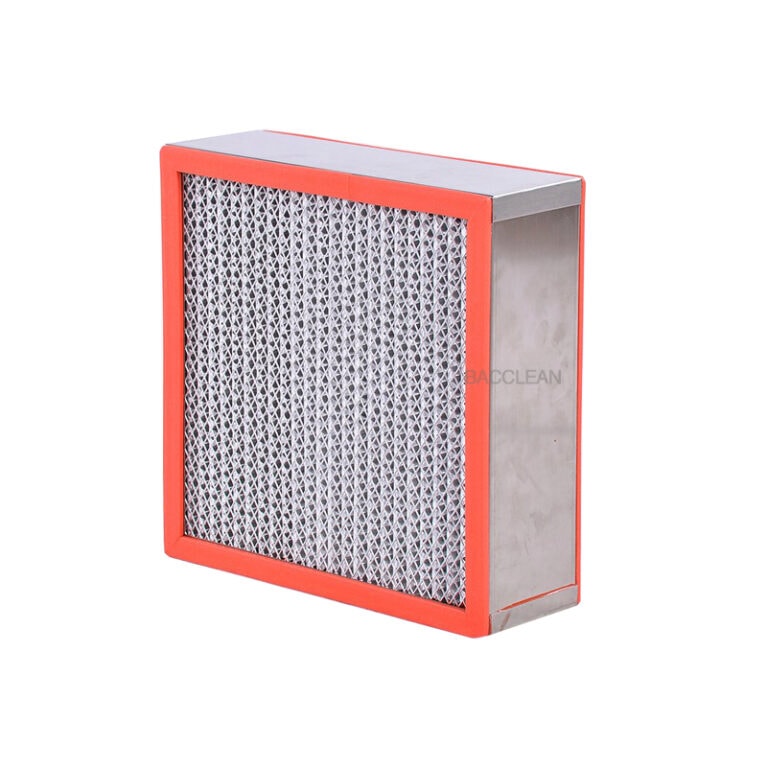
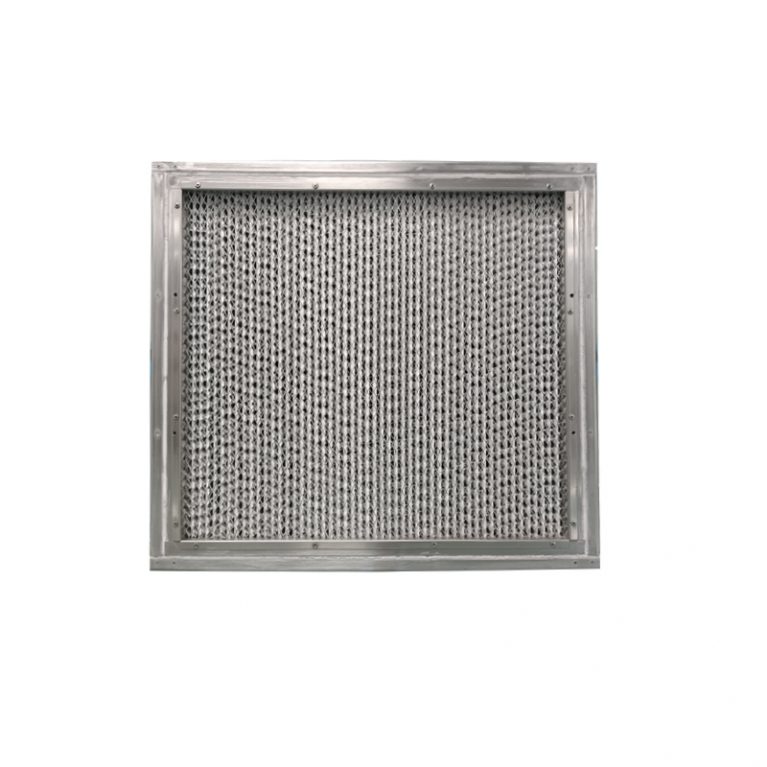
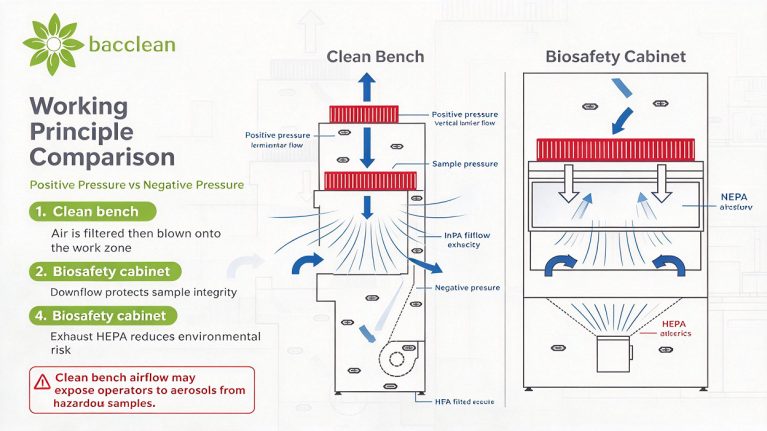
A clean bench is a positive-pressure local purification device. Its working principle: the fan draws in ambient air, large particles are intercepted by the pre-filter, then air passes through HEPA filter for final fine filtration. Clean air forms vertical or horizontal unidirectional laminar flow and flows into the working zone. It creates Class 100 (ISO Class 5) clean environment inside the operating area, protecting samples from airborne particles and microbes.
For vertical flow clean bench, airflow flows downwards evenly from the top HEPA filter, covers the work surface and exhausts towards front, back or both sides. For horizontal flow clean bench, clean air blows horizontally from the rear HEPA filter towards the operator opening. Both types work under positive pressure, and clean air spills outward from the working zone.
Therefore, clean benches apply to scenarios with non-hazardous materials where only sample contamination prevention is required, such as electronic component assembly, optical component protection, precision parts cleaning, plant tissue culture, sterile medium preparation, partial pre-treatment for food microbiological testing. It cannot be used for pathogenic microorganisms, clinical samples, infectious materials or volatile toxic chemicals, because it offers no operator protection.
Working Principle & Protection Classes of Biosafety Cabinet
Biosafety cabinet is a containment device combining negative pressure and laminar flow. The inward airflow at the front window opening forms an air curtain to prevent contaminated air inside the cabinet from escaping. The downward clean airflow protects samples from contamination. Exhaust air is filtered by HEPA before discharge, achieving triple protection for personnel, samples and the environment.
Common Class II biosafety cabinets include Type A2 and Type B2. Most air inside Class II A2 cabinet recirculates, and a small portion is exhausted after HEPA filtration, suitable for general biosafety operations. Class II B2 is total exhaust type; all cabinet air is filtered by HEPA and exhausted outdoors, fit for biosafety operations involving volatile toxic chemicals or radioactive substances.
Biosafety cabinets are used for pathogenic microorganism handling, clinical sample testing, cell culture, gene manipulation, vaccine preparation, virus research and other operations with aerosol risks. If handled materials may generate infectious aerosols or expose operators to potential biological hazards, biosafety cabinets shall be prioritized.
Core Differences: Protection Object Determines Equipment Selection
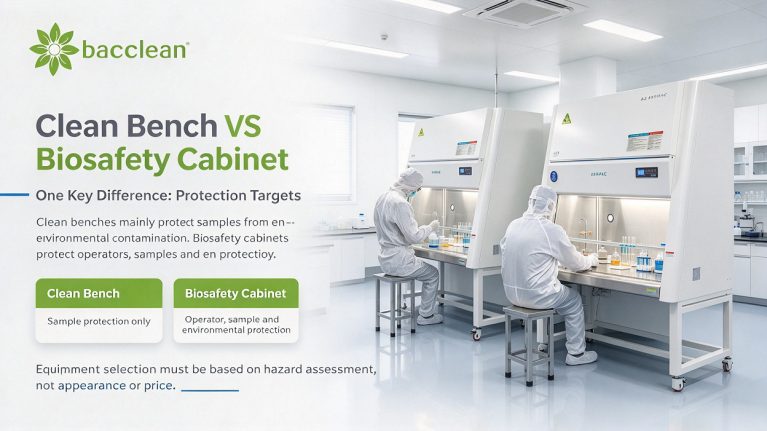
The biggest difference between clean bench and biosafety cabinet lies in protection targets. The clean bench only protects samples. Airflow blows from working zone toward the operator. If samples contain pathogenic microbes, aerosols will spread to operators and bring safety risks. The biosafety cabinet uses inward front window airflow, internal laminar flow and HEPA filtered exhaust to protect personnel, samples and environment simultaneously.
-
Airflow direction: Clean bench is positive pressure outward blowing; Biosafety cabinet is negative pressure inward suction.
-
Application scenarios: Clean bench for clean operation of harmless samples; Biosafety cabinet for protective operation of biohazard materials.
-
Risk level: Clean bench cannot replace biosafety cabinet; biosafety cabinet cannot replace fume hood arbitrarily. Wrong selection may lead to operator exposure, sample contamination or environmental pollution.
Selection Guide: Assess Risk First, Then Select Equipment
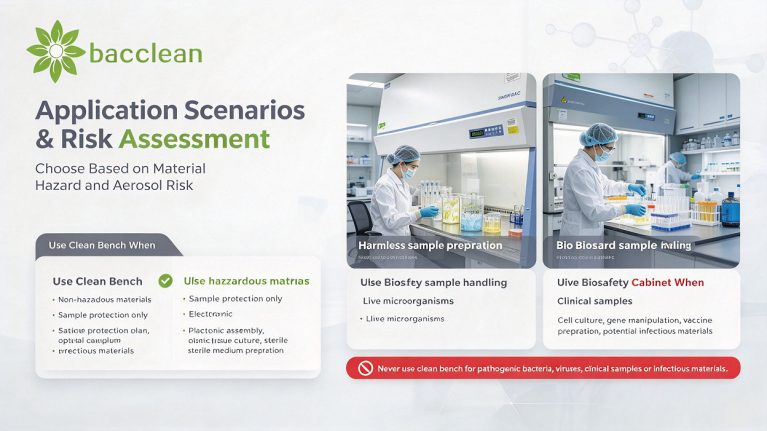
Follow this logic for selection: If handled materials are harmless to humans and only sample protection against dust/microbes is required (e.g. electronic assembly, optical component protection, plant tissue culture, sterile medium preparation), choose clean bench. Then select vertical flow or horizontal flow based on operation habits and material placement needs.
If operations involve live microbes, clinical samples, cell culture, gene manipulation or potentially infectious materials, select biosafety cabinet. Even for seemingly low-risk samples, never use clean bench once aerosol generation is possible.
If volatile toxic chemicals or radioactive substances are involved during operation, ordinary Class II A2 biosafety cabinet is not suitable. Class II B2 total exhaust cabinet with external exhaust pipeline shall be adopted. If the risk level is uncertain, complete laboratory biosafety risk assessment before equipment selection.
Common Misunderstandings in Application
Many users mistakenly believe a clean bench can replace a biosafety cabinet, which is extremely dangerous. The positive pressure airflow of clean bench blows aerosols in the working zone directly toward operators. It is strictly prohibited for handling pathogenic bacteria, viruses, clinical samples or potentially infectious materials.
Others assume biosafety cabinet can replace fume hood, which is also incorrect. Biosafety cabinets focus on biohazard protection. Risks still exist when handling large amounts of volatile chemical reagents. Class II B2 cabinet or dedicated fume hood shall be used for highly volatile substances.
Besides, higher wind speed does not mean better performance. Excessive wind speed of clean bench will disturb laminar flow. Abnormal inflow speed of biosafety cabinet may break the front air curtain and increase leakage risk. Equipment shall be set, tested and maintained in accordance with manuals and relevant standards.
Acceptance & Maintenance Points
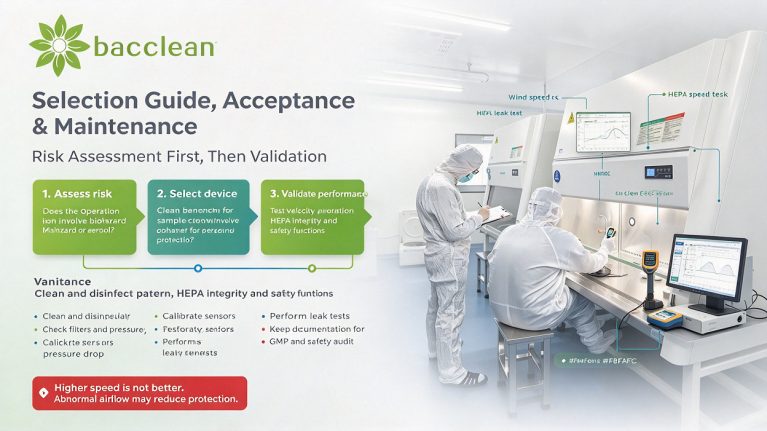
Before commissioning, clean bench shall be tested for wind speed, cleanliness, airflow pattern, noise, illuminance and HEPA leak test. During daily operation, clean or replace pre-filter regularly, keep working zone clean and avoid blocking air outlets. Replace HEPA filter according to pressure differential, wind speed and inspection results.
For biosafety cabinets, besides regular cleaning and disinfection, operators shall periodically test front window inflow velocity, downflow velocity, airflow pattern, HEPA integrity and cabinet tightness. For high-risk operations, qualified institutions are recommended to perform inspection and certification according to standards.
Although clean benches and biosafety cabinets look similar, their functions are totally different. Master the core question — whether personnel protection is required — to avoid most wrong selections. Pick clean bench when you only need sample cleanliness. Pick biosafety cabinet when personnel, sample and environmental safety are required at the same time.
