
Reference HEPA Replacement Cycle
-
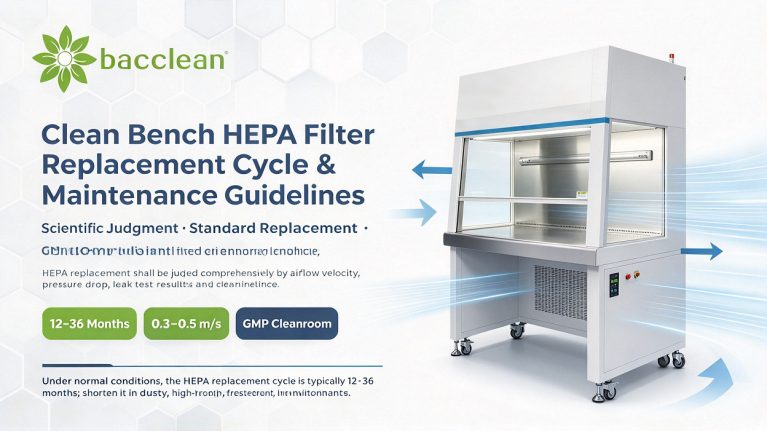
Low-dust laboratories with low usage frequency, well-maintained pre-filters and stable environment: approximately 18–30 months.
-
Shared by multiple users, continuous operation or high-load production stations: the pressure rises faster, and the replacement cycle is generally shortened to about 12 months.
-
High-humidity, high-dust or high-temperature environments will accelerate filter media aging and increase the risk of microbial growth, with a replacement cycle of only 6–12 months.
-
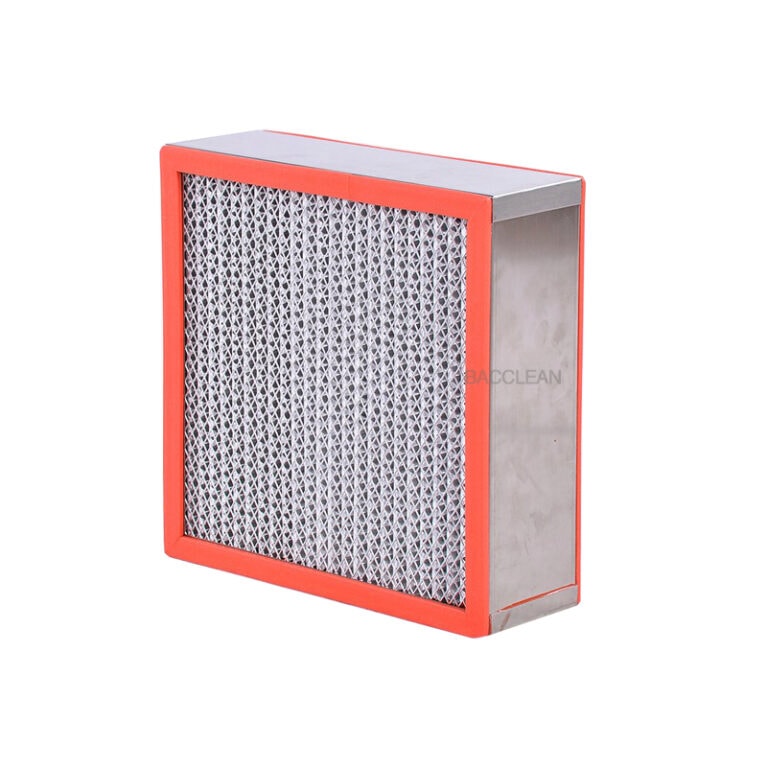
GMP-compliant scenarios such as pharmaceutical, medical device and food cleanrooms: replacement timing shall not be determined by time alone. It shall be confirmed according to differential pressure monitoring, leak tests, environmental monitoring and validation records.
Four Mandatory Replacement Indicators
-
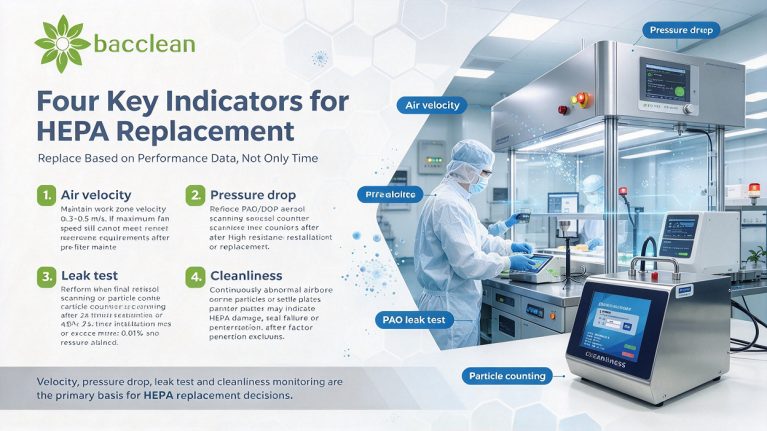
Unqualified airflow velocity even at maximum fan speed The airflow velocity in the working zone of a clean bench shall be maintained at 0.3–0.5 m/s. If the velocity cannot recover after the pre-filter is cleaned or replaced even at the highest fan speed, the HEPA filter has excessive resistance and replacement shall be evaluated.
-
Significant rise in pressure drop When the final resistance reaches 1.5–2 times the initial resistance, or exceeds 450 Pa, the filter shall be replaced in a timely manner. Excessive resistance reduces air supply and increases fan load, which may shorten the fan service life and disturb the pressure balance of the clean zone during long-term operation.
-
Failed leak test Integrity leak test shall be carried out after HEPA filter replacement. PAO/DOP aerosol scanning or particle counter scanning are commonly adopted methods. If the leakage rate exceeds 0.01% and cannot be fixed by tightening or sealing caulking, the filter must be replaced.
-
Persistent abnormal cleanliness If airborne particle and settle plate test results in the working zone continuously exceed the standard, and human operation disturbance, ambient interference and pre-filter blockage have been excluded, inspect the HEPA filter for media damage, seal failure or filter penetration.
In addition, early evaluation and replacement are required if the filter gets damp, mildewed, deformed, or the frame seal ages, or if incidents such as chemical vapor emission, water accumulation and mildew, or dust leakage occur on site.
Pre-Replacement Preparation
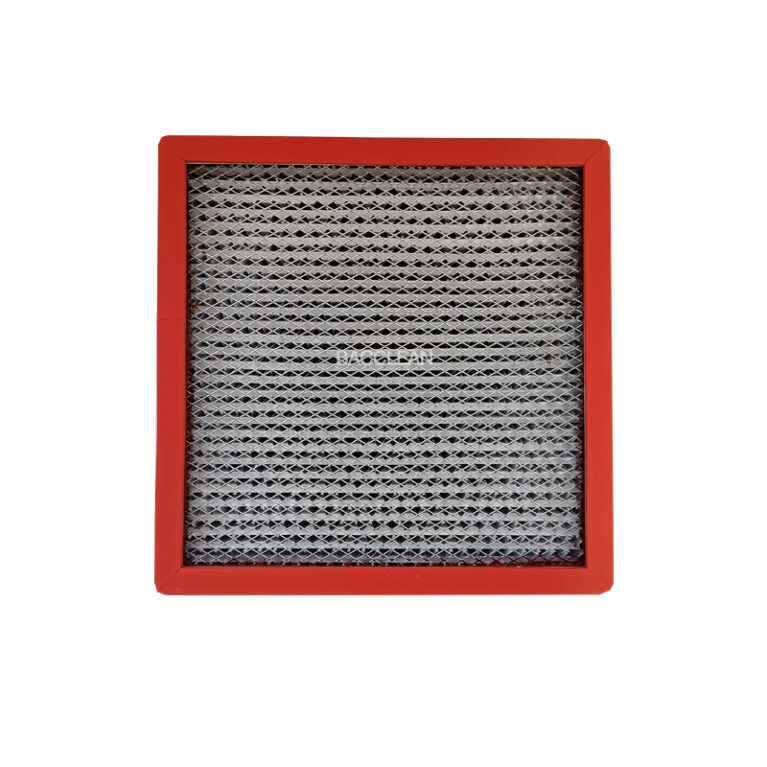
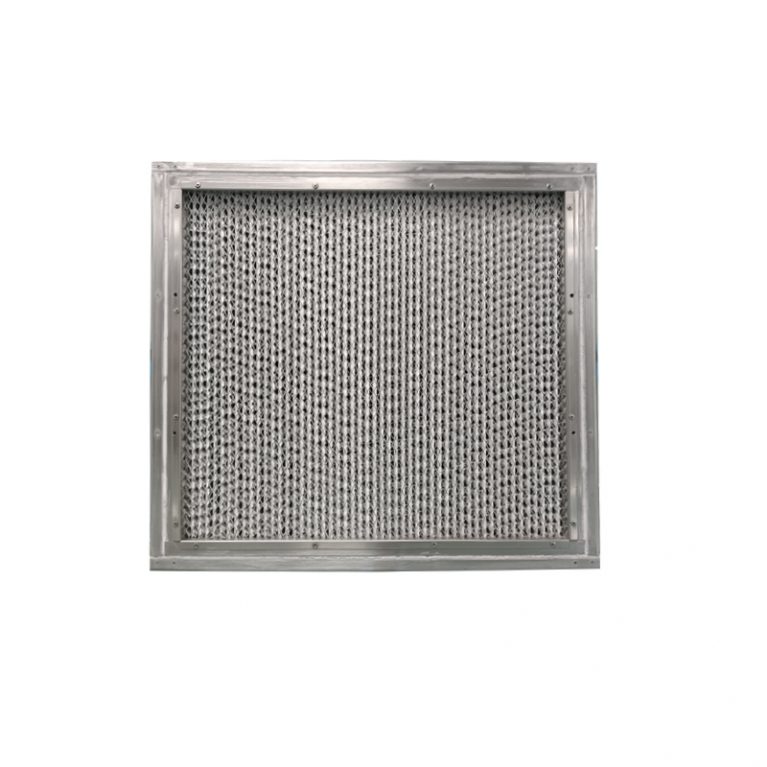
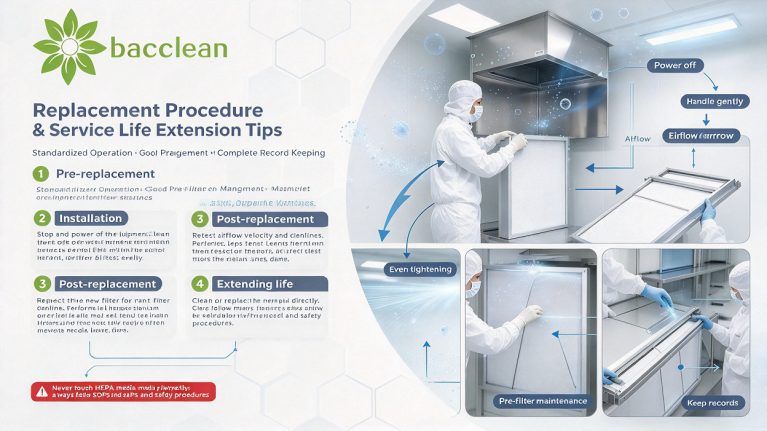
Power off and shut down the equipment before HEPA filter replacement. Clean the internal and external surfaces of the bench to prevent dust from falling into the plenum chamber during disassembly. Handle, unpack and install the new filter gently; never touch the filter paper directly with hands. Inspect the new filter against light before installation to check for transit damage, and verify that the model, dimension and sealing structure match the original unit. Align the airflow arrow mark of the filter with the airflow direction during installation. Keep the gasket flat without distortion, and tighten the compression blocks or bolts evenly to avoid frame leakage caused by uneven stress.
Post-Replacement Validation
The equipment cannot be put into use immediately after replacement. Re-test the airflow velocity and cleanliness of the working zone, and perform leak inspection on the filter media and frame. The inspection focuses on the filter media surface, frame sealing joints, mounting grooves and the connection part with the plenum chamber. For high-standard scenarios such as pharmaceutical and medical device industries, keep complete replacement records, leak test reports and cleanliness test data.
Key Measures to Extend HEPA Service Life
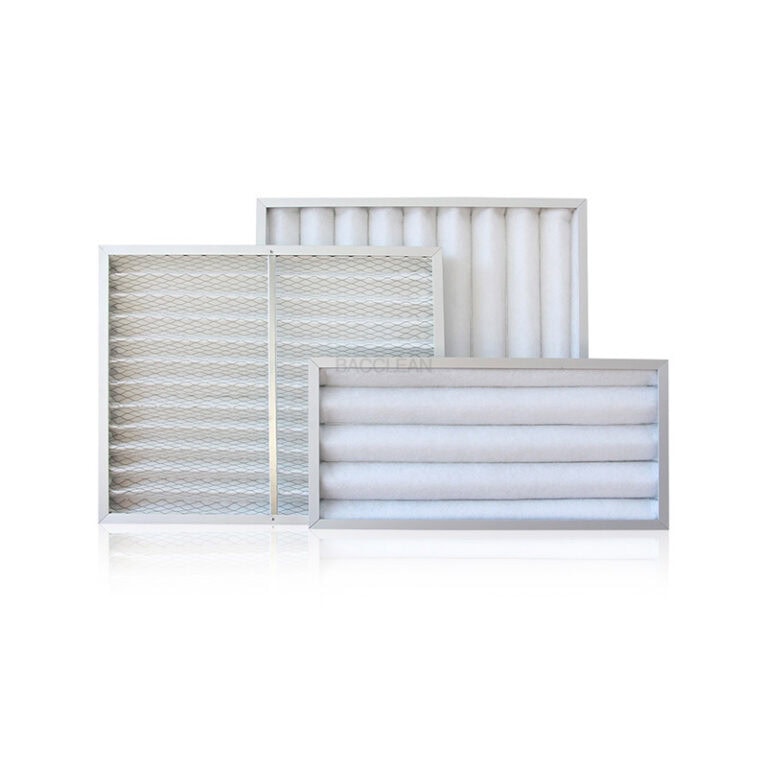
HEPA filters cannot be washed with water or chemical solvents. The most effective way to extend their service life is proper upstream pre-filtration and daily management. Pre-filters are recommended to be cleaned or replaced every 3–6 months, and handled in advance when heavily loaded with dust; replace the pre-filter after 2–3 cleaning cycles. Avoid direct blast from doors, windows or air conditioning vents, and frequent personnel movement around the bench to reduce external dust ingress. When the equipment is idle for a long time, clean the work surface, power off the unit and cover it with a dust cover. Run the equipment periodically to prevent internal moisture accumulation. Establish records for airflow velocity, differential pressure, leak tests and filter replacement. This helps judge equipment status and reduce misjudgment and unplanned shutdown risks.
