
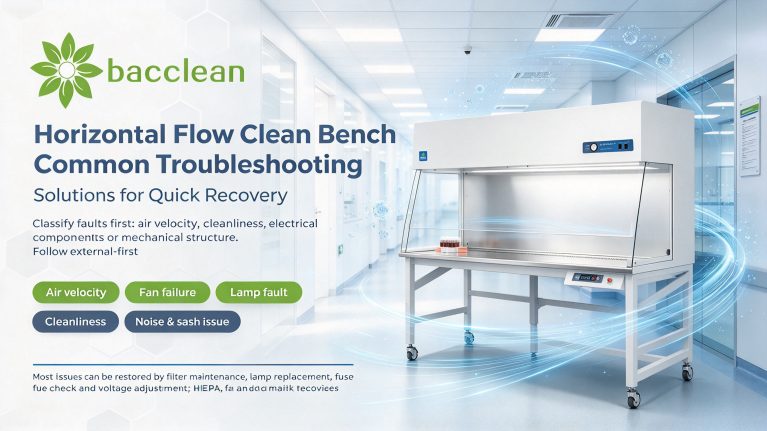
Air Velocity Drops Obviously
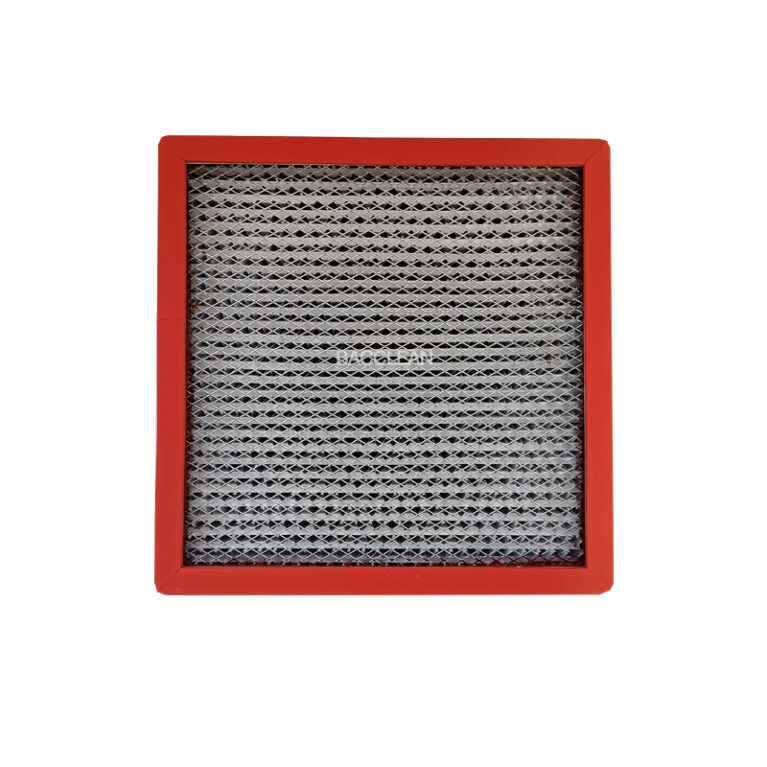
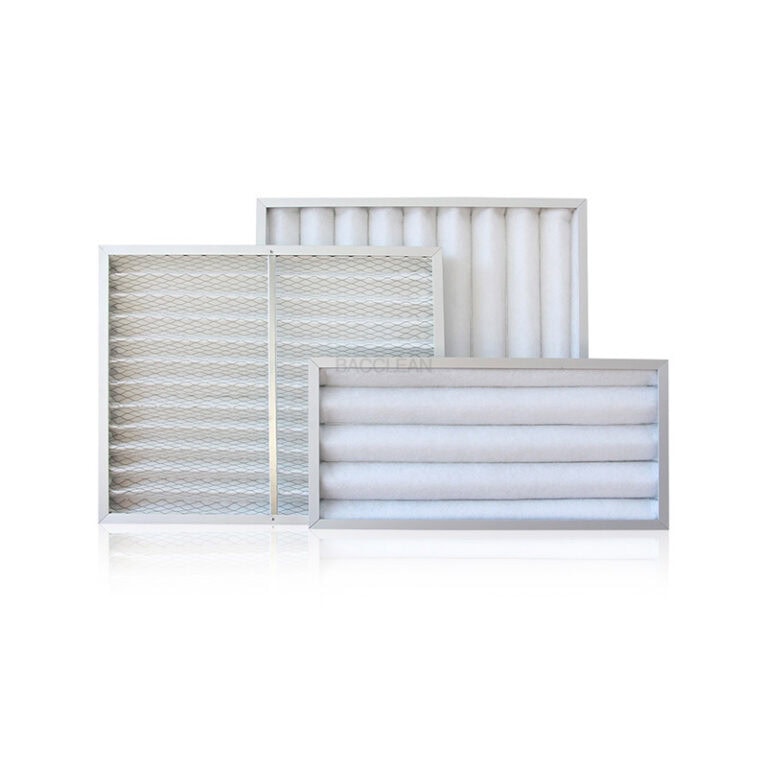
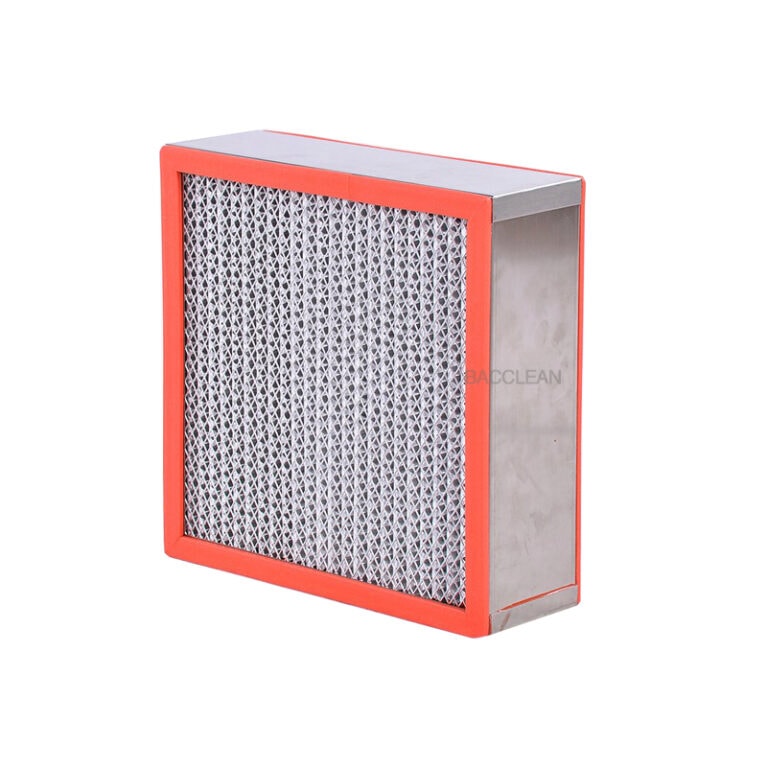
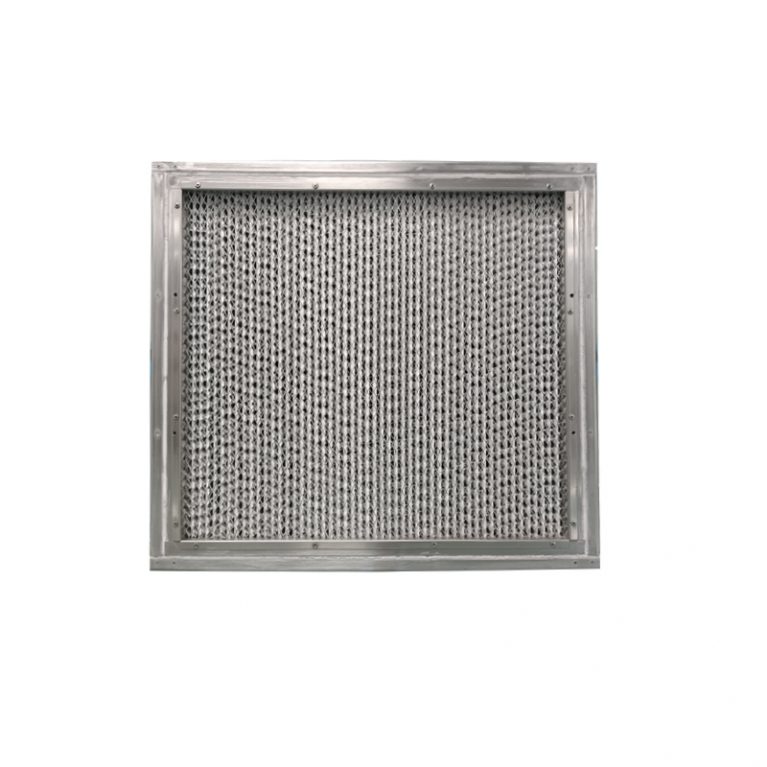
Insufficient air velocity will weaken cleanliness performance and operation stability. First inspect whether the pre-filter is heavily clogged with dust. If the surface turns dark and inlet resistance rises, remove it for cleaning or replacement. If the velocity still fails to recover after cleaning the pre-filter, test the working zone velocity. The standard average velocity shall stay within 0.3–0.5 m/s. If the velocity remains below specification even at maximum fan speed, the HEPA filter may be overloaded or failed and needs replacement. Power off before replacement, match the model, align the airflow arrow with the outlet direction, inspect frame sealing, and perform leak test if required. If the fan runs but delivers little or no air, check for fan jamming, damaged capacitor or blocked air duct.
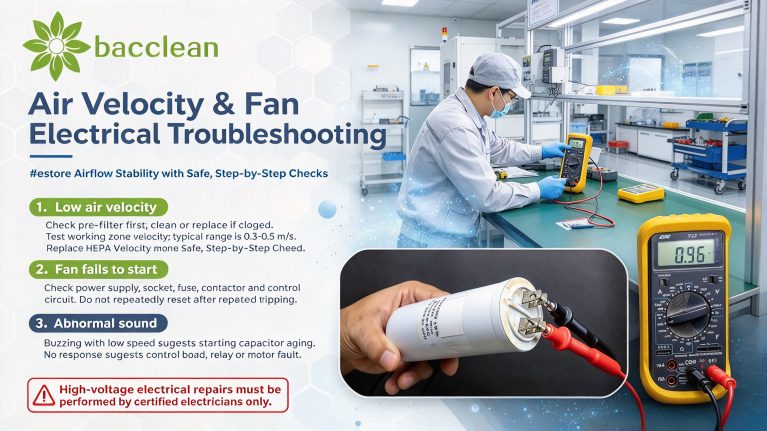
Fan Fails to Start or Trips Power Upon Startup
If the fan does not run after switching on, verify the main power supply, socket and power cord first, then check whether the fan fuse is blown, and test the contactor and control circuit. If the circuit trips repeatedly after fuse replacement, it may indicate short circuit, poor insulation or locked rotor. Stop operation immediately; do not repeatedly close the power switch. A buzzing sound with low rotation speed is usually caused by aging or damaged starting capacitor. No response at all points to faulty control board, relay or fan motor. Inspection of fans, capacitors and main circuits must be performed by certified electricians.
Light or UV Lamp Not Lighting Up
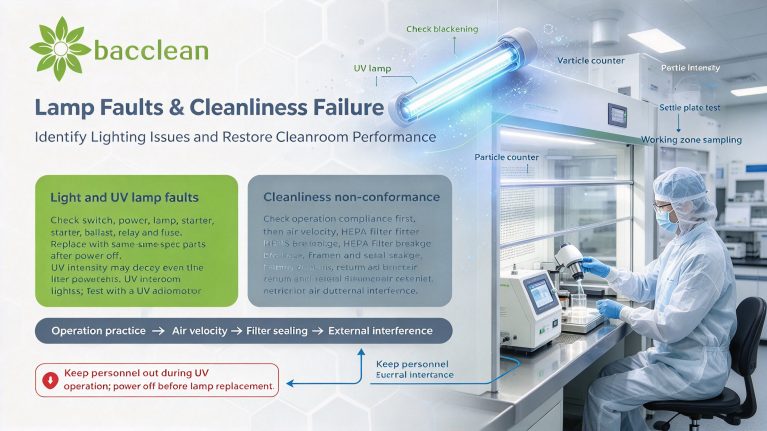
For normal lighting failure: confirm the switch and power supply, then check the lamp tube, starter, ballast and lamp base contact. Some models may fail due to damaged relay or fuse. Cut off power before lamp replacement and use parts of the same specification.
For UV lamp failure: check if the tube is blackened and aging, pins loose, or ballast defective. UV intensity decays with accumulated runtime. Even if the lamp lights up, it may not meet disinfection requirements; verify intensity with a UV radiometer. Flickering or red ends usually mean aging ballast or tube. Keep away from the operating area while UV lamp is working, and always power off during replacement.
Cleanliness in Working Zone Fails to Meet Standard
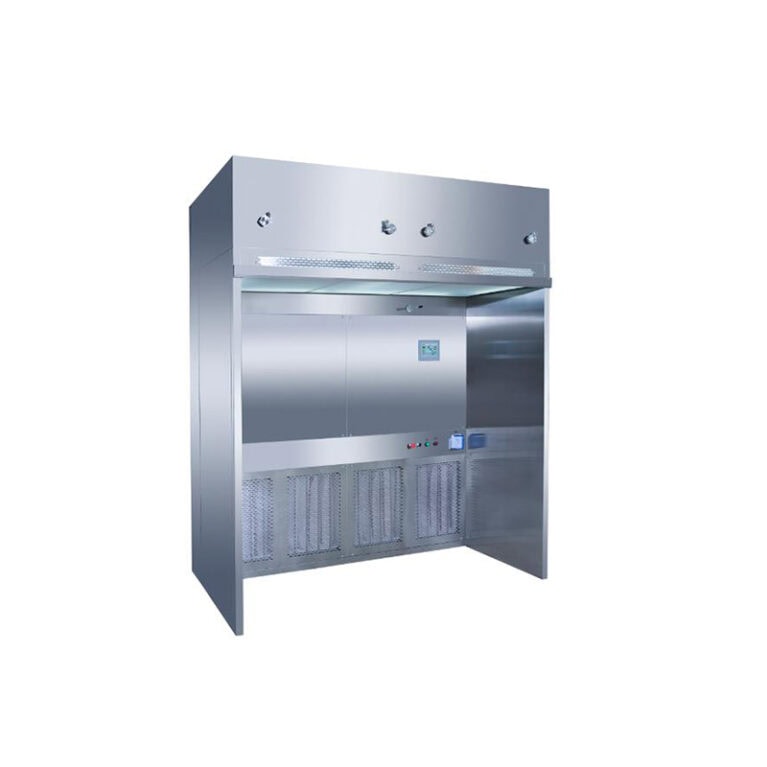
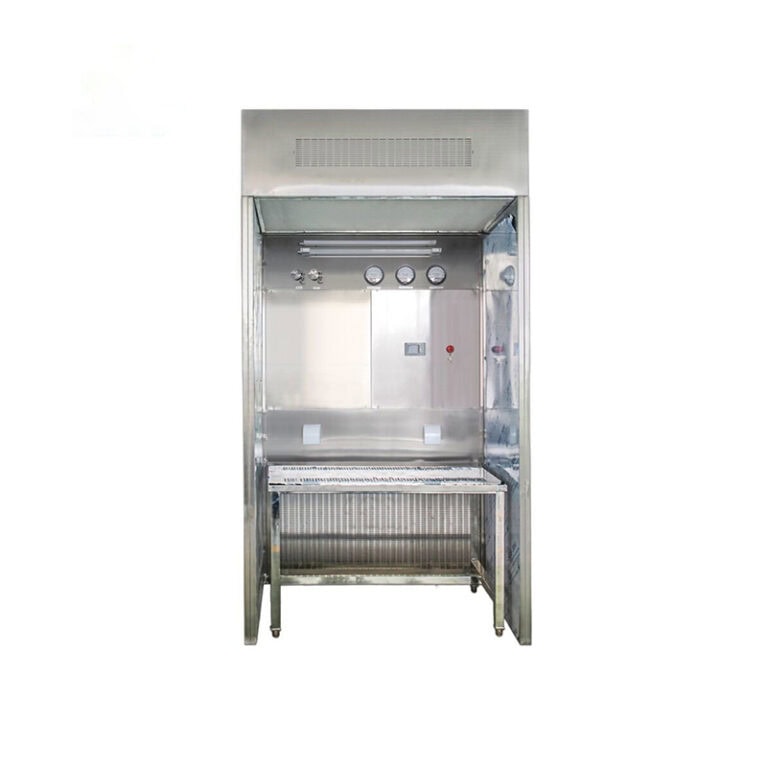
If particle count or settle plate test fails, first confirm operation compliance: overcrowded items, excessive front window opening height or turbulent operation movements. Then check whether air velocity is stable; low velocity undermines laminar protection.
Next, check HEPA filter breakage, frame seal leakage, dust buildup inside plenum and return air duct. Leak test is mandatory after HEPA replacement, covering filter media, sealing joints and mounting grooves. External airflow disturbance such as draft from doors & windows, direct air supply from air conditioners or frequent personnel movement also ruins cleanliness. Relocate the bench if needed.
Abnormal Noise, Vibration or Glass Sash Malfunction
Rising noise often comes from dust on fan impeller, worn bearings, loose fan fasteners or uneven placement. Level the equipment feet and clean dust around the air inlet and fan. Persistent metal friction noise, severe vibration or unstable rotation requires shutdown inspection of fan and electrical control system.
Sticky glass sash is usually related to steel wire rope, spring plate, pulley and guide rail. Broken wire rope or failed spring will cause the sash unable to stay in position. Do not disassemble it yourself; contact professional service to avoid falling hazard.
Quick Troubleshooting Checklist
-
Low air velocity: Pre-filter inspection → Velocity test → HEPA replacement if needed
-
Fan no rotation: Power & fuse check → Control circuit → Fan body
-
Lamp out: Tube, starter, ballast, relay and fuse
-
Poor cleanliness: Air velocity, filter sealing, operation standard, ambient airflow interference
-
Noise & vibration: Leveling, fan dust, bearing and fasteners
-
Sash fault: Wire rope, spring plate, guide rail, contact after-sales
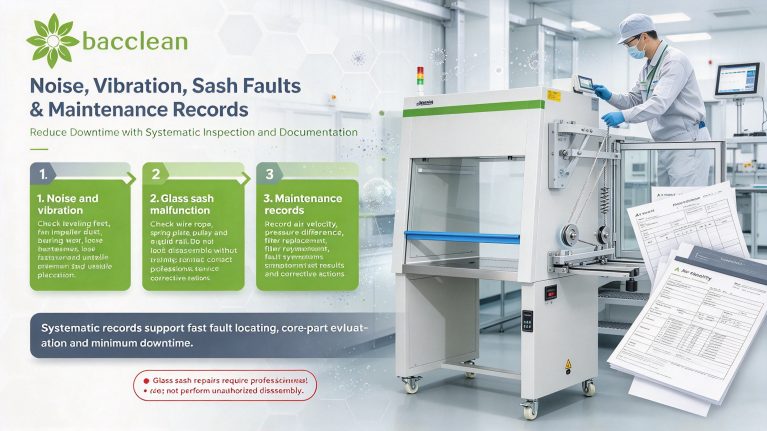
It is recommended to keep maintenance records including air velocity, pressure differential, filter replacement and fault handling. This supports fast fault locating and core part evaluation, minimizing downtime.
