
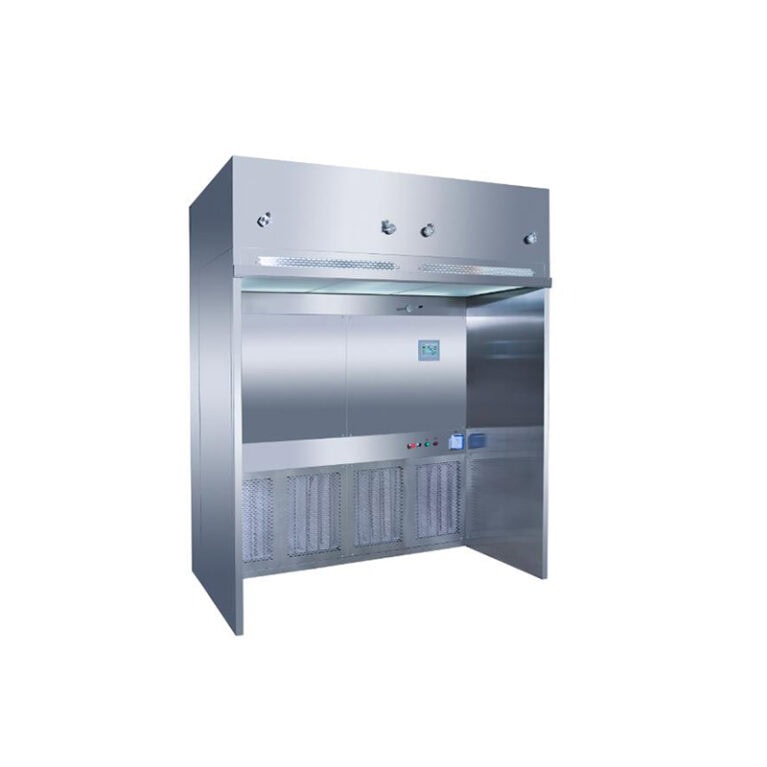
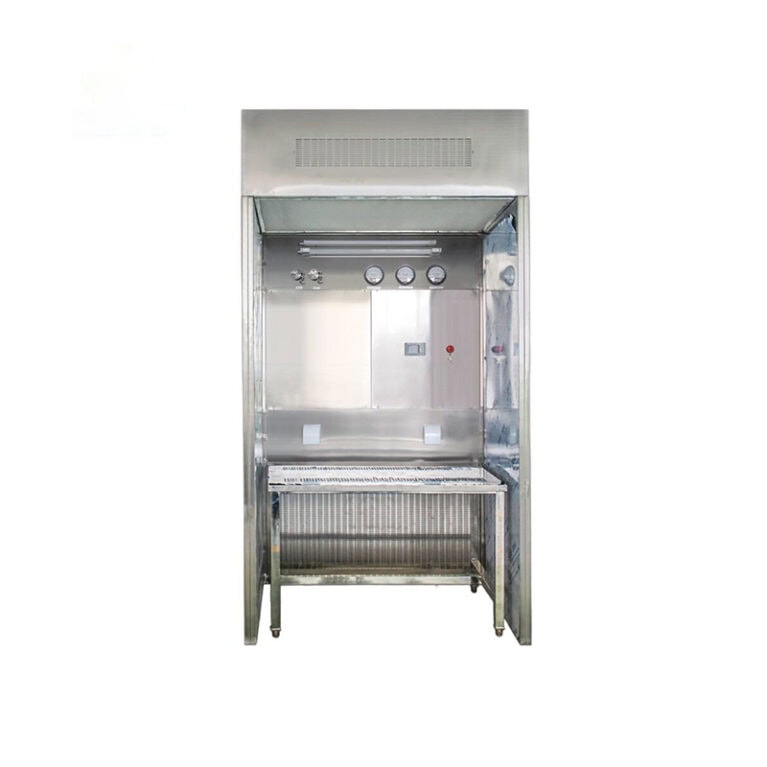
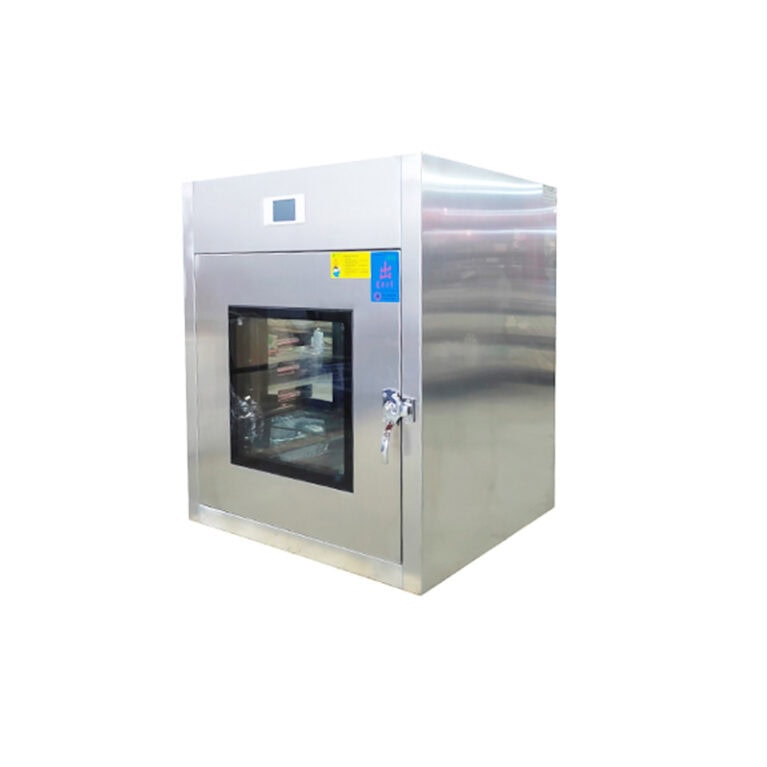
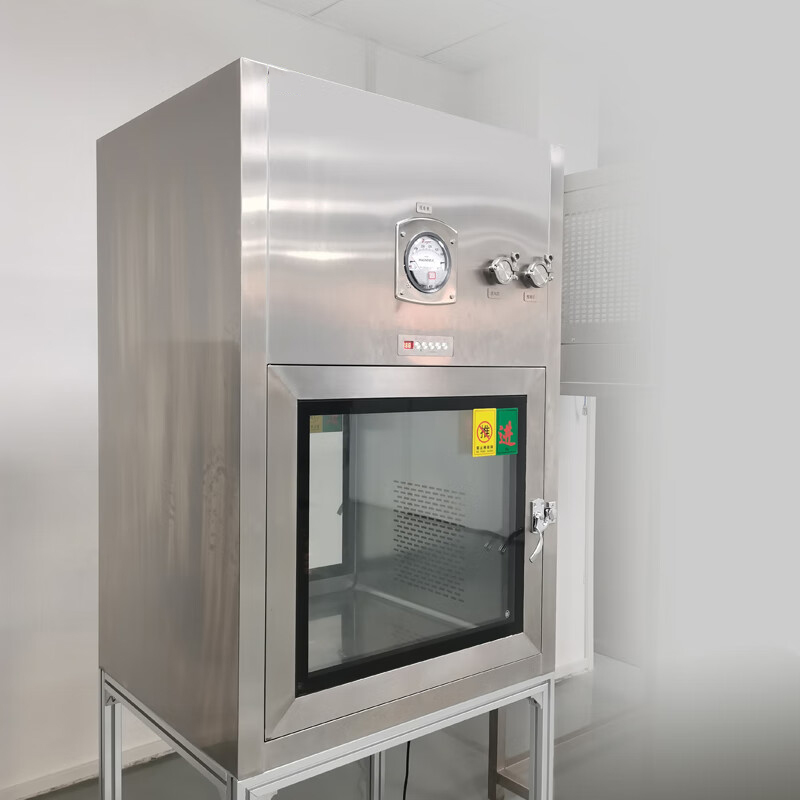
With the acceleration of the industrialization of cell and gene therapy (CGT), the expansion of domestic semiconductor production lines, and the wave of new construction and renovation of high-level biosafety laboratories, the standardized general transfer windows have been unable to meet the strict compliance, process, and safety requirements of the specialized fields. The demand for laminar transfer windows with scene-specific customization capabilities has rapidly grown, becoming a core essential equipment in the clean engineering field.
I. Decomposition of Diverse Customization Needs in Three Core R&D Tracks
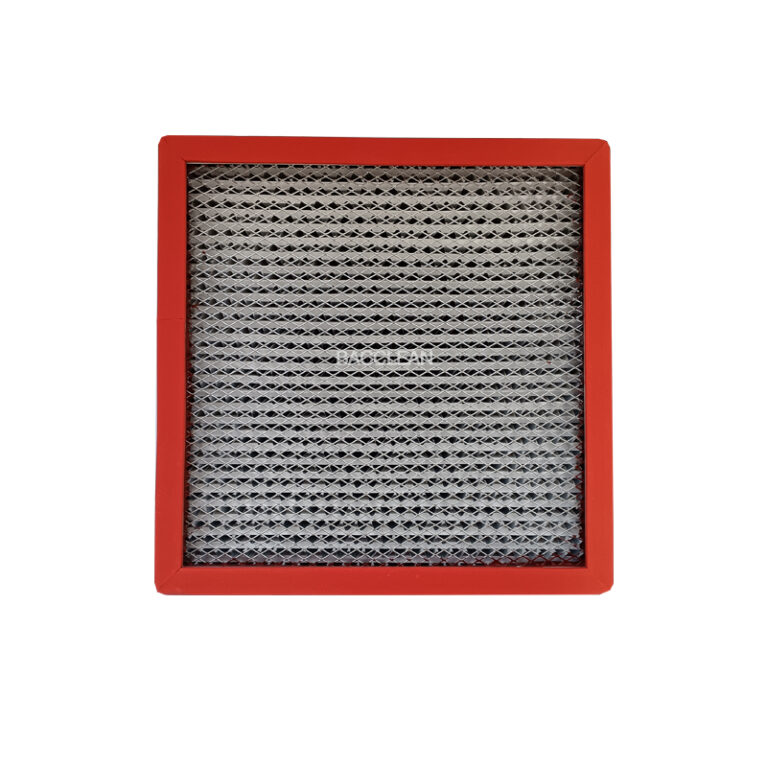
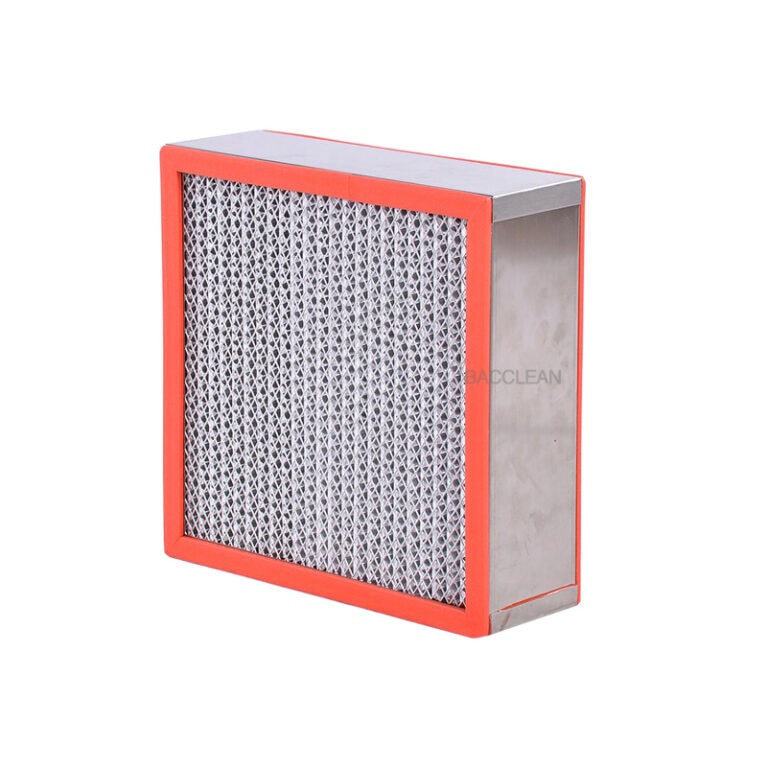
The core of laminar transfer windows relies on H14 high-efficiency filters + vertical unidirectional laminar flow, maintaining a stable 100-level clean environment inside the cabin, and combining double-door interlocking to prevent cross-contamination of air flow between zones. For the three scenarios of CGT, semiconductor, and biosafety laboratories, customized renovations are required from three dimensions: biological sterility, dust prevention and static electricity control, and biological aerosol gas tightness and safety.
(1) CGT Cell and Gene Therapy Laboratory: VHP sterilization + high-level customized
The CGT workshop mainly produces cell solutions and CAR-T cell preparations, with the production area being a C-level background A-level local clean environment. Active cell samples are highly susceptible to microbial contamination, making it the fastest-growing track for customized laminar transfer windows.
Material customization: The cavity body is all made of 316L seamless stainless steel, with an inner wall mirror-polished Ra ≤ 0.4μm, without welding dead corners, and resistant to long-term VHP hydrogen peroxide corrosion, meeting GMP Appendix 1 aseptic standards and FDA material compliance requirements;
Customization of sterilization system (core necessity): Standardized integrated VHP vaporized hydrogen peroxide sterilization module, 360° multi-nozzle full-cabin circulation, spore kill rate ≥ 6-log, equipped with multi-probe concentration closed-loop control system, after sterilization, it automatically exhausts and catalyzes decomposition, hydrogen peroxide residue ≤ 0.1ppm, ensuring the safety of active cell samples;
Air flow and cleanliness customization: Independent laminar flow circulation system, stable cross-sectional wind speed of 0.45~0.55m/s, self-purification within 10 minutes to reach A-level cleanliness; equipped with real-time pressure differential monitoring, PAO filter leak detection port, meeting GMP verification complete detection requirements;
Intelligent traceability customization: PLC automatic control, sterilization duration, VHP concentration, fan operation, door body opening data are automatically stored for ≥ 3 years, capable of connecting to factory LIMS, MES systems, and realizing the traceability of material transfer throughout the process.
(2) Semiconductor Wafer Manufacturing Workshop: Anti-static + High Air Tightness Dust Control Customization
Chips, wafers, photoresists, and precision components are extremely sensitive to 0.1μm-level dust. Tiny dust can directly cause chip short circuits and yield drops; at the same time, static electricity in the production line will adsorb particles and break through precision wafers. The customized laminar transfer windows for semiconductor production lines focus on three customization directions: anti-static, ultra-high air tightness, and large-sized non-standard cavity.
Anti-static system exclusive customization: The cavity, door panels, and internal shelves are all made with anti-static treatment, with surface resistance stable controlled at 10⁶~10⁹Ω, and the door body is equipped with a dedicated grounding terminal; built-in ion wind rods neutralize the static electricity on the material surface, eliminating the risk of static dust accumulation;
Air sealing structure upgrade: Double-layer medical silicone gas sealing, door panel and box gap leakage rate ≤ 0.01%, mechanical + electronic dual interlock, door opening response time ≤ 0.5s, completely eliminating the air flow crossover between high and low cleanliness zones; compatible with pressure gradient control requirements for 100-level and 1000-level wafer clean workshops;
Cavity size non-standard customization: The conventional standard size cannot accommodate wafer carriers, photoresist insulation buckets, and precision detection fixtures. Support for ultra-large cavity customization (maximum internal size 1500×1200×1000mm), capable of integrating layered stainless steel shelves, suitable for batch wafer transfer; Low dust purification optimization: All sheet metal is sprayed without dust. The H14 high-efficiency filter can be quickly disassembled and replaced at the top. It is equipped with an online dust particle monitoring interface and is compatible with the strict cleanliness dynamic detection standards of semiconductor.
(III) High-grade Biosafety Laboratory (BSL-3/4): Negative pressure airtightness + customized biosafety protection
There is a risk of aerosol leakage of viruses and pathogenic bacteria in disease control and animal biosafety laboratories (ABSL-3/4). The laminar transfer window serves as a logistics passage between negative pressure / positive-negative pressure areas. The airtight negative pressure linkage and biosafety protection are the core customized indicators. It complies with the GB19489 and GB50346 biosafety standards.
Negative pressure linkage airtight customization: The cavity is equipped with a negative pressure sensor, which is linked to the pressure difference system of the laboratory room to maintain the negative pressure inside the cavity and prevent the spread of pathogenic aerosols; the cavity can withstand a pressure of ≥ 2500 Pa, and the overall leakage rate is less than 0.5 VOL/H under -500 Pa negative pressure conditions, meeting the three-level and four-level biosafety airtight acceptance standards;
Multiple disinfection compatibility customization: At the same time, it is equipped with 254nm ultraviolet sterilization and VHP vaporized hydrogen peroxide dual disinfection modules, which can be freely switched according to the risk level of the sample; when transferring high-pathogenic samples, full-cabin VHP sterilization is enabled, and for routine samples, ultraviolet timed disinfection is used, balancing safety and usage efficiency;
Biosafety structure customization: Integrated submersible cavity, arc-shaped no-slip inner wall, convenient for high-pressure disinfection wiping; the door panel is equipped with biosafety warning signs and anti-misoperation safety locks; the electrical control box is fully sealed waterproof and dustproof, able to withstand frequent chemical disinfection wiping in the laboratory;
Safe exhaust customization: Independent exhaust filtration and exhaust branch circuits, the exhaust gas is filtered by a secondary high-efficiency filter before being discharged, preventing the spread of pathogenic microorganisms with the exhaust gas, meeting the mandatory requirements for exhaust treatment in high-grade biosafety laboratories.
II. Three underlying drivers of industry demand explosion
Industrial expansion drives the increase in new construction projects
The CGT cell therapy has entered the commercialization implementation stage, and new cell preparation centers have been built in many places across the country; domestic wafer and storage chip production lines have continued to expand; local disease control centers, universities, and pharmaceutical companies have batch upgraded BSL-3 biosafety laboratories, and the supporting equipment for clean logistics has been expanded simultaneously, and standardized equipment cannot adapt to the differentiated layout of each project, forcing the demand for customization to rise.
Regulatory compliance standards continue to tighten
The new GMP, ISO 14644 cleanroom standards, biosafety laboratory building specifications, and semiconductor clean workshop design specifications impose mandatory requirements for cleanliness, sterilization verification, airtightness, and data traceability in the material transfer process; ordinary laminar transfer windows lack verification modules, dedicated disinfection, and anti-static features, and enterprises must through customization transformation meet the third-party audits, drug regulatory / environmental protection acceptance requirements.
Process refinement gives rise to non-standard adaptation needs
CGT active cells, semiconductor large-sized wafers, high-pathogenic biological samples have completely different material sizes, tolerance environments, and pollution risks; at the same time, the thickness of the clean workshop walls, logistics channel layout, and equipment embedding and installation conditions have no unified standards, customers need manufacturers to provide full-dimensional customized solutions for size, material, functional modules, and control systems, to match the overall purification system of the workshop as a whole.
III. Development trends of customized laminar transfer window industry
Multi-functional integration and integration
The single transfer function is gradually phased out, the mainstream customized solutions integrate laminar self-cleaning, VHP sterilization, anti-static, negative pressure airtightness, intelligent PLC traceability, pressure difference / particle monitoring, etc., providing one-stop solutions for the complex process requirements of various industries, reducing the cost of multi-device integration and installation and commissioning.
Intelligent and digital upgrade
Customized equipment is equipped with IoT communication interfaces, and the operation, sterilization, and pressure difference data are uploaded in real time to the factory central control system; Support for remote parameter adjustment, fault warning, filter life reminder, and adaptation to the construction trend of intelligent unmanned factories in the biomedical and semiconductor sectors.
One-stop customized service throughout the entire process becomes the core of competition.
Customers no longer simply purchase single equipment; they prefer to choose purification equipment manufacturers that can provide full-chain services from on-site survey – scheme customization – production and manufacturing – installation and embedding – third-party verification support – after-sales operation and maintenance. Manufacturers with cleanroom engineering support and GMP verification technology capabilities have continuously increased their market share.
Specialized scenarios have dedicated standardized customized modules
The industry gradually forms a modularized customized library for specific scenarios: dedicated VHP sterilization modules for CGT, semiconductor anti-static chamber modules, and BSL-3 negative pressure airtight modules achieve standardized prefabrication. On the basis of basic modules, dimensions and control systems are adjusted according to customer needs, balancing customization flexibility and large-scale delivery efficiency, shortening project delivery cycles and controlling customization costs.
