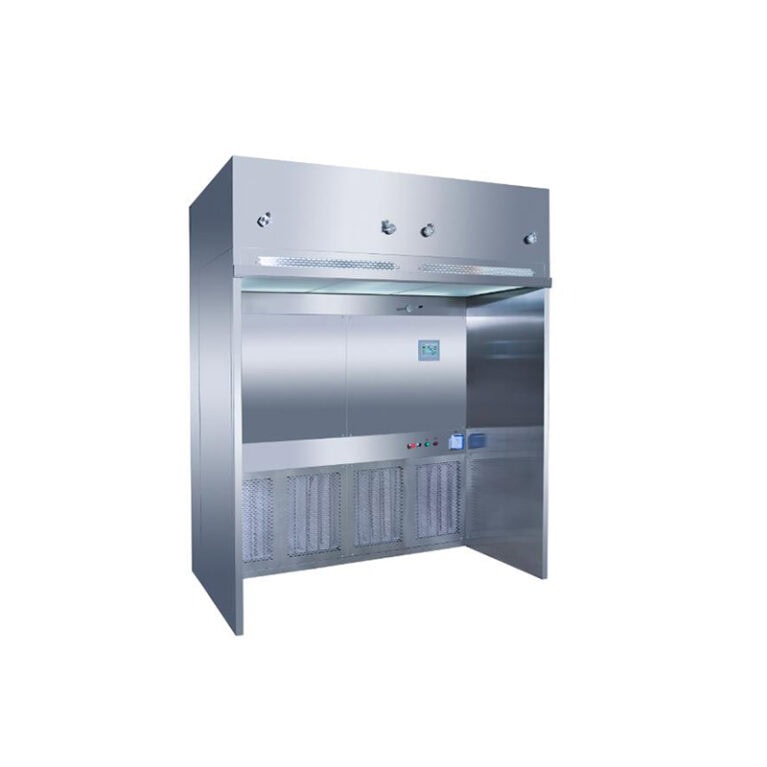
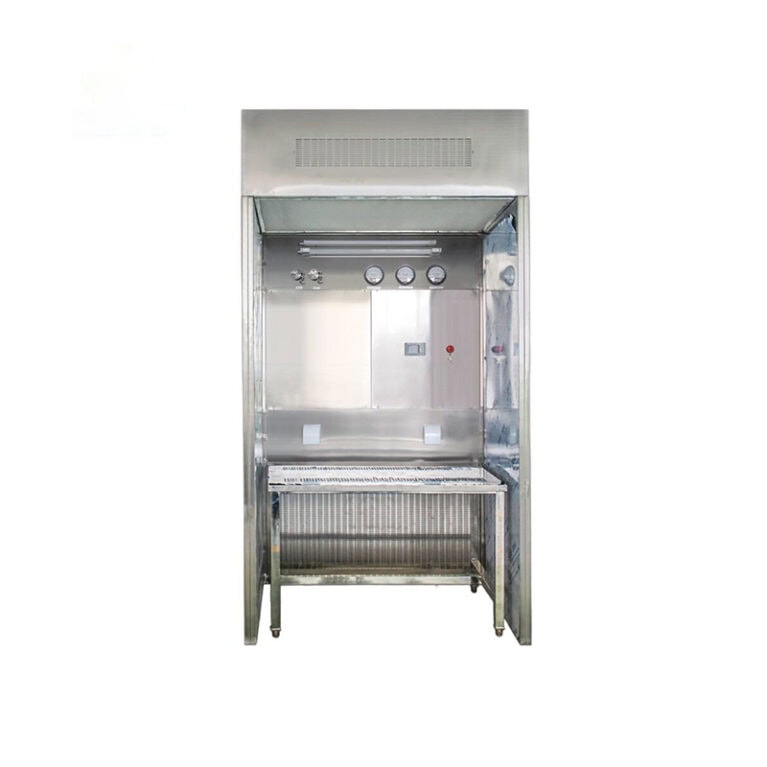
Ensure that the maintenance records of the air supply ceiling ( laminar flow ceiling / efficient air supply outlets ) are complete, compliant, and traceable. The key is to achieve full coverage of content, standardized filling, closed-loop process, and secure storage, while also meeting the compliance requirements of clean rooms (GMP/ISO14644). Here are the practical methods that can be directly implemented:
1. First, clarify: All dimensions that must be recorded (no omissions)
The maintenance records of the air supply ceiling cannot simply state “normal”; they must cover all aspects including structure, filtration, airflow, components, environment, and personnel: Basic Information
Room number / Cleanliness level, supply air ceiling number, installation location, record date / time, operator / reviewer.
Daily inspection items (must be noted)
Appearance: No damage, dust accumulation, deformation, loosening of the diffuser plate / uniform flow membrane; Sealing of the frame is intact
Pressure difference: Inlet/outlet pressure difference of the high-efficiency filter, pressure difference reading, comparison with the reference value
Wind speed / airflow: Uniformity of the outlet wind speed, presence of vortex, dead corners
Sealing: No air leakage, condensation, abnormal noise in the static pressure box, flange, soft connection
Cleaning and disinfection record
Cleaning method (wiping / vacuuming), disinfectant, frequency, cleaning range (diffuser plate, frame, external of the static pressure box), post-cleaning status.
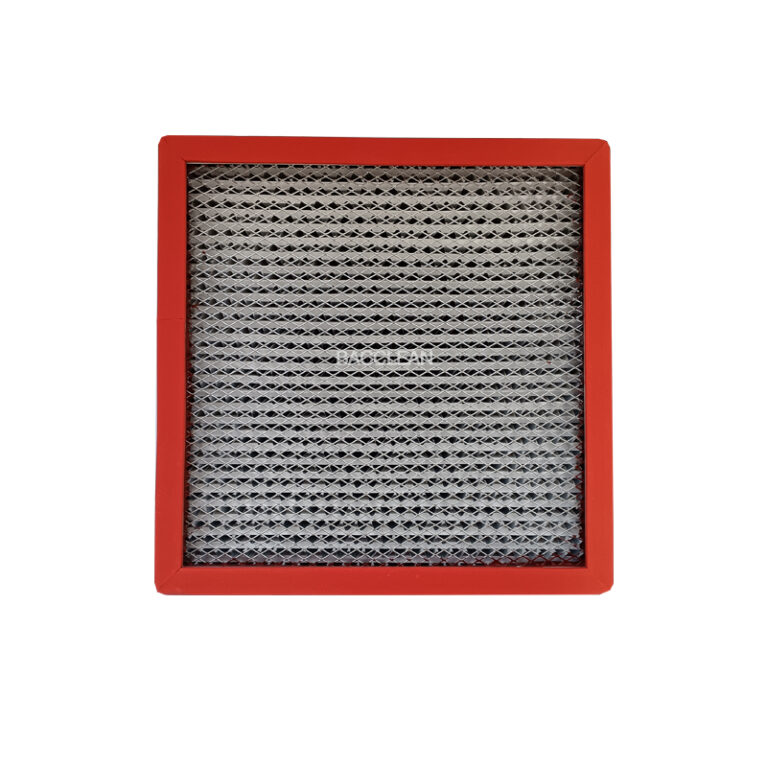
Core consumables: High-efficiency filter (HEPA/ULPA)
Initial resistance, current resistance, replacement threshold
Replacement reason (pressure difference exceeds standard / damage / expiration / leak detection不合格)
New filter model, specification, manufacturer, certificate of conformity, installer, leak detection result (PAO leak detection)
Maintenance and component replacement
Maintenance / replacement content of the fan, regulating valve, pressure difference meter, sealing rubber strip, diffuser plate, etc., spare parts number, verification data after repair.
Abnormal and closed-loop records (most likely to be missing)
Abnormal description, occurrence time, cause analysis, handling measures, post-handling re-measurement data, closing time, reviewer.
Compliance association records
Cleanliness monitoring (悬浮粒子、沉降菌), verification / re-verification results, calibration records (pressure difference meter, wind speed meter).
II. Use standardized templates to prevent random filling (uniform format)
Create fixed paper / electronic forms, fixed fields, no blank spaces, abbreviations, or vague descriptions (disable “OK” / “Normal”);
Key data must be filled with values: pressure difference (Pa), wind speed (m/s), resistance (Pa), temperature / humidity;
Set mandatory item verification (electronic form): No signature of the operator, no data, no abnormal handling will not allow submission.
III. Execution rules: Ensure authenticity, completeness, and traceability from the source
Real-time filling, no事后补录
Record on the spot after inspection / maintenance, no centralized filling, no recall filling.
No alteration, standardized modification
Paper: Single-line correction, note the modifier + date + reason, no blackening / scraping
Electronic: Retain modification logs, version history, who modified, when modified, what was modified can be checked
Prohibit proxy signatures, omission signatures
Operator and reviewer’s double signatures, key operations (filter replacement, leak detection) require authorized personnel signatures.
IV. Establish multi-level review closed-loop (there must be records for any problems, any handling, any review)
Daily record → On-site review by team leader / technician on the same day;
Abnormal records must form a closed-loop:
Problem discovery → Record → Report → Handle → Re-measurement → Verify qualified → Close abnormal
“Abnormal items without handling” and “without re-measurement” are regarded as incomplete records and included in the assessment.
V. Safe storage: Prevent loss, prevent tampering, meet compliance retention period
Paper records
Classify and bind, number for archiving, moisture-proof, fireproof,专人 management, retention period meets industry requirements (Pharmaceutical GMP usually ≥ 3 years, some traceability requirements are longer).
Electronic records (recommended)
Cloud + local dual backup, permission levels (read / fill in / review / administrator)
Log traceability: Login, filling, modification, deletion, export fully traceable
Support one-click search by ceiling number, date, abnormal type
VI. Regular audit: Ensure records are consistent with the site (avoid “paper completeness”)
Weekly self-check: Verify whether the record data matches the pressure difference meter, wind speed, cleanliness on the site;
Monthly review: QA / Equipment supervisor抽查 completeness, closed-loop rate, signature compliance. Quarterly Audit: Verify the consistency between the filter replacement records and the actual inventory, certificates of conformity, and leak detection reports.
VII. Personnel Assurance: Training + Authorization, to prevent human errors in omission
Operators must be trained: record requirements, compliance terms, reporting procedures for abnormalities;
Clarify job responsibilities: who conducts inspections, who records, who reviews, who archives;
Include record completeness rate, closed-loop rate, and compliance rate in daily assessments.
VIII. Minimal Implementation: One table ensures completeness (core fields)
Required fields for the directly applicable ventilation ceiling maintenance record form:
Equipment Number | Date and Time | Environmental Conditions | Pressure Difference / Air Speed | Appearance / Sealing | Cleaning Condition
Filter Resistance / Status | Abnormalities | Handling Measures | Re-test Results | Operator | Reviewer
In summary
Completeness = Complete records + Real-time filling + Double signatures + Exception closed-loop + Traceable storage + Regular auditing, which not only meets daily operation requirements but also passes GMP, ISO, FDA, etc. cleanroom audit inspections.