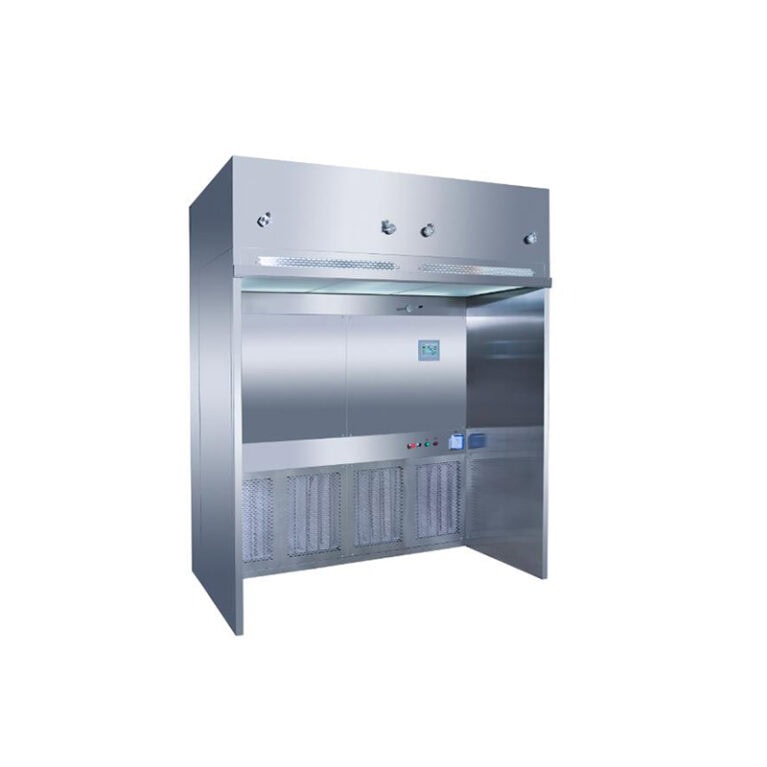
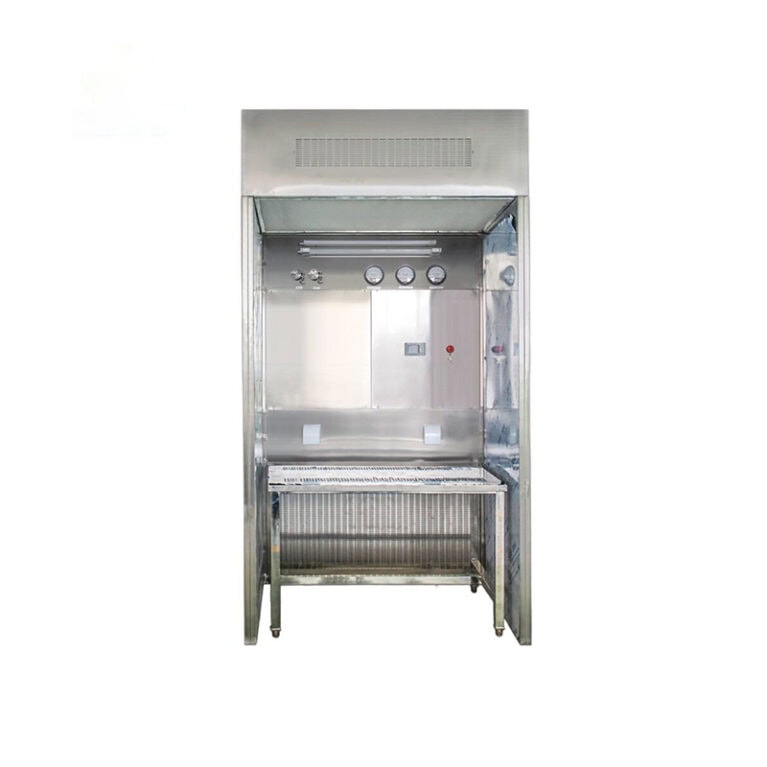
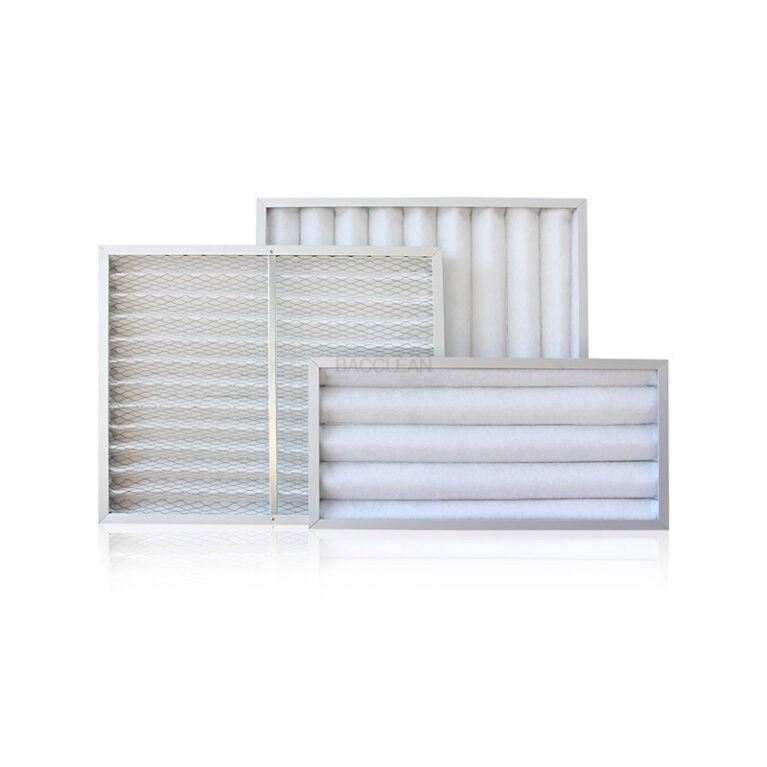
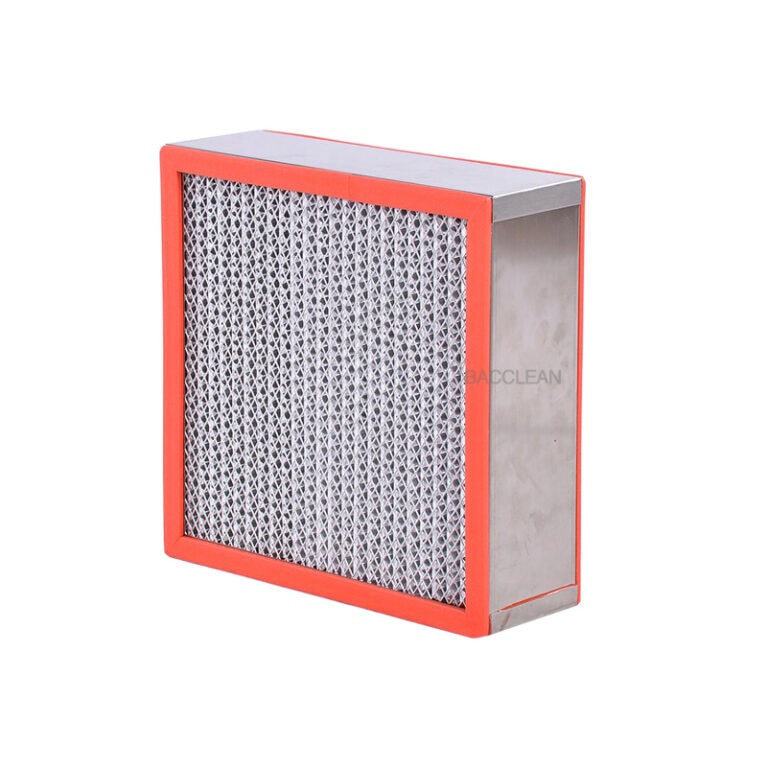
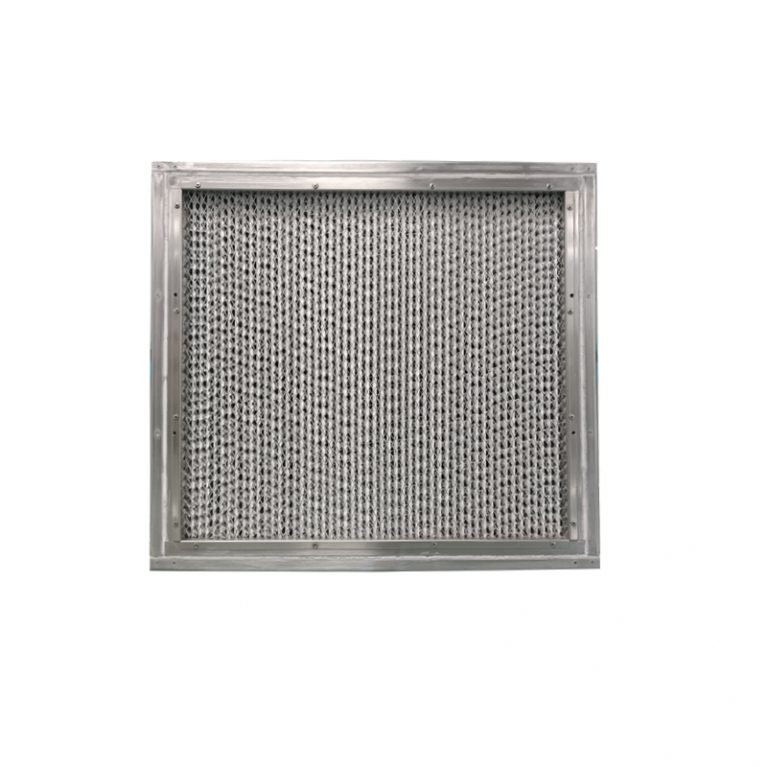
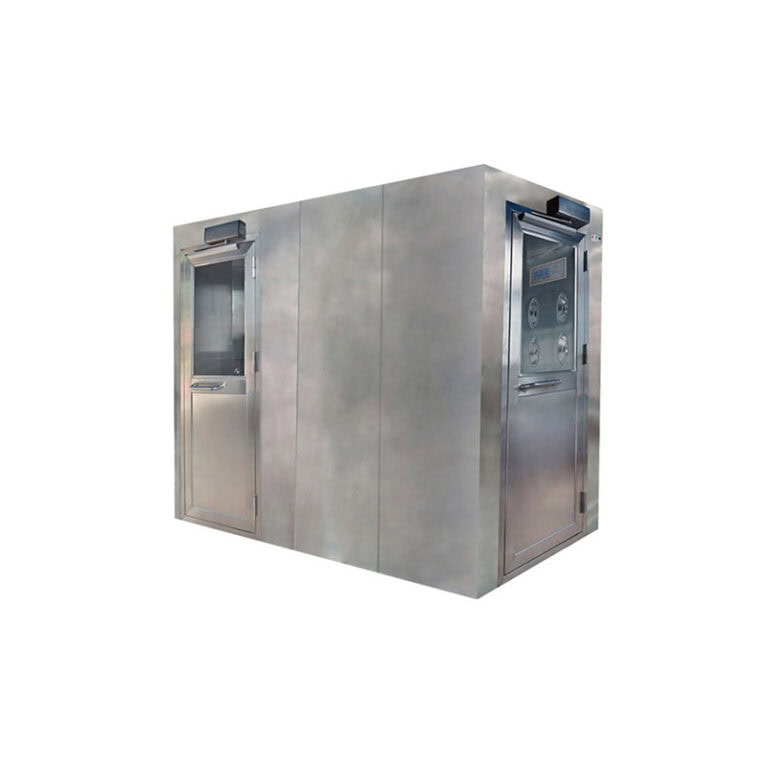
The core feature of the horizontal flow ultra-clean workstation is that the airflow is sent forward horizontally from the rear of the operation area, forming a uniform horizontal laminar flow, providing a 100-level (ISO 5 grade) dust-free and clean environment for samples. It is mainly designed to offer a sterile environment of 100-level protection for samples, without providing personnel biological protection capabilities. It is only suitable for operations without biological hazards, toxicity, or harmful aerosols. All applicable scenarios are centered around the core principle of “only needing to isolate external dust and particles to ensure sample cleanliness, and the operation process poses no direct safety risk to personnel”. The specific sub-scenarios are as follows:
1. Core applicable prerequisites
Before use, the following basic conditions must be met; otherwise, this equipment is strictly prohibited from being selected:
The operation objects, reagents, and samples have no pathogenicity, no infectivity, no microbial proliferation risk, and do not contain pathogenic bacteria, viruses, fungi, etc. of biological hazards.
The operation process does not produce toxic, harmful, corrosive, or volatile gases, and does not form harmful aerosols to the human body.
The core requirement is only to prevent the contamination of samples by dust, hair, fibers, and suspended particles from the outside air, rather than protecting the operators from being harmed by the samples.
2. Detailed applicable scenarios for different industries
(1) Electronic and semiconductor industry (the most core and mainstream application field)
This industry has zero tolerance for particle pollution. Even tiny dust can cause component failure. The horizontal flow’s horizontal laminar flow can evenly cover the operation surface and does not have vertical airflow that impacts small components, making it the industry’s first choice.
Precise component assembly and welding
Manual assembly, soldering, and patching of micro electronic components such as chips, integrated circuits, diodes, transistors, capacitors, resistors, etc., isolating external dust to avoid particle adhesion causing component short circuits, poor contact, and performance degradation.
Semiconductor wafers and optical component processing
Surface inspection, soldering, non-destructive packaging of wafers, assembly, debugging, and packaging of LED light bulbs, lasers, optical couplers, etc., preventing dust from scratching the wafer surface and affecting the transparency and conductivity of optical components.
Circuit board-related operations
Detection, repair, and insertion of precise PCB circuits, as well as processing and assembly of flexible circuit boards, avoiding dust contamination of the circuit board lines to ensure the stability of circuit conduction.
Electronic consumables and component packaging
Clean packaging, aging test pre-treatment of sensors, micro motors, quartz crystals, etc., of precise electronic components, isolating external pollution to ensure the qualified rate of product factory delivery.
(2) Precision optical industry
Optical components have extremely high surface cleanliness requirements. Even tiny dust can affect optical accuracy. The horizontal flow workstation can provide a dust-free operation environment, and the horizontal airflow does not disturb thin optical lenses.
Optical lens processing and assembly
Cleaning, inspection, coating after treatment, lens assembly of optical glass, lenses, prisms, filters, preventing dust and fingerprints from affecting the light transmittance, imaging accuracy, and reflection effect.
Optical instrument debugging and maintenance
Internal component cleaning, optical path debugging, precise maintenance of microscopes, telescopes, lithography machines, projectors, etc., avoiding the entry of particles into the instrument to affect observation and usage effects.
Optical communication device operations
Cleaning, connection, and detection of optical communication devices such as fiber connectors, optical modules, wavelength division multiplexers, etc., preventing dust from blocking fiber interfaces to ensure the efficiency of optical signal transmission.
(3) Precision machinery and instrument manufacturing industry
For high-precision and small-volume mechanical components, the horizontal flow workstation can avoid impurities from being mixed during assembly, ensuring equipment accuracy.
Precise component assembly
Assembly and calibration of clock mechanisms, precision bearings, micro gears, core components of instruments and meters, preventing metal debris and dust from entering the mechanical structure, reducing wear, and improving equipment accuracy and service life.
Precise instrument detection and calibration Calibration and debugging of high-precision measuring instruments such as analytical balances, calipers, micrometers, and micrometers, as well as cleaning and maintenance of precision measuring tools to avoid particle interference with measurement accuracy.
Micro-mechanical processing
Fine processing, polishing, and cleaning of small precision hardware components and non-sterile precision parts (such as optical and structural non-implantable components) in medical devices.
(4) Routine clean operation in physical and chemical laboratories
Only applicable to physical and chemical experiments without biological hazards or toxic volatiles. The core function is to prevent samples from being contaminated by the outside and ensure the accuracy of experimental data.
Operation of high-purity reagents and standards
Weighing, preparing, and packaging of high-purity chemical reagents, standard solutions, and reference substances to prevent impurities from entering the reagents and causing a decrease in reagent purity and deviation in experimental results.
Precise sample pretreatment
Pretreatment of non-biological and non-toxic samples (such as heavy metals, inorganic ions, and physical indicators samples) in environmental monitoring and food testing, including weighing, dissolution, dilution, and filtration to prevent the introduction of external particles into the detection error.
Supporting operation of analytical instruments
Pre-treatment, sample filtration, and injection operation of precision analytical instruments such as high-performance liquid chromatography, gas chromatography, and atomic absorption spectrometry to prevent impurities from blocking the chromatographic column and contaminating the detector, and to extend the instrument lifespan.
Storage and packaging of non-hazardous samples
Storage, packaging, and labeling of non-biological and non-toxic samples (such as high-purity powders, crystals, and inorganic salts) to prevent samples from absorbing moisture and being contaminated by impurities.
(5) Clean operation in the food industry
Applicable to clean operations in the food industry without microbial testing or biological fermentation risks, focusing on preventing physical contamination.
Food physical and chemical indicator testing
Pre-treatment and testing of samples for physical and chemical indicators in food, such as moisture, ash content, acidity, heavy metals, and additives, to prevent dust and fibers from mixing into the samples and affecting the test results.
Precise ingredient measurement and sample preparation
Micro-component weighing, sample retention, and sample processing before sensory analysis in high-end and health food, to prevent physical impurities from contaminating the food and guarantee product quality.
Food packaging material testing
Cleanliness testing and component analysis of food packaging materials such as film, box, and cap, to isolate external contamination and ensure that packaging materials comply with food contact safety standards.
(6) Research, teaching, and other scenarios
Research and teaching experiments
Basic teaching experiments and small-scale research in disciplines such as physics, chemistry, and materials science in universities and research institutes, such as material synthesis, crystal cultivation, and the construction of micro experimental devices, to provide a clean operation environment for students and researchers.
Cultural relic restoration and specimen preparation
Micro-restoration of precious cultural relics, cleaning and maintenance of ancient coins, metal objects, and non-biological specimens (such as mineral specimens, rock specimens, and insect specimens) in the non-biological processing stage, to prevent impurities from being introduced during restoration and preparation, and to prevent damage to cultural relics and specimens.
Cultural creation and precision handicrafts
High-end jewelry setting, precision cultural product production, micro sculpture, and precision jewelry processing, to avoid dust and impurities affecting the delicacy and appearance of the products.
III. Scenarios Absolutely Not Applicable (Clear Avoidance)
To avoid equipment misuse and safety risks, the following scenarios are strictly prohibited from using horizontal flow ultra-clean workstations and must be replaced with vertical flow ultra-clean workstations, biological safety cabinets, etc.:
All biological-related operations: cell culture, microbial inoculation, pathogen detection, virus isolation, biological sample culture, transgenic experiments, etc.
Operations involving toxic, harmful, volatile, and corrosive reagents, which will produce harmful aerosols and exhaust gases that pose risks to human health.
Pharmaceutical industry’s sterile drug filling and preparation, sterile operation of medical device implant components.
All scenarios where there is a need for biological and chemical safety protection for operators.
IV. Supplementary Usage Tips The cleanliness effect of the horizontal flow ultra-clean workstation depends on the stability of laminar flow. When operating, the arm should be slowly inserted into the working area to avoid disturbing the airflow with rapid movements, which could disrupt the clean environment.
The equipment can only filter particles in the air and cannot kill microorganisms or handle harmful gases. Therefore, it is necessary to strictly follow the applicable prerequisites and only carry out clean operations without any hazards.
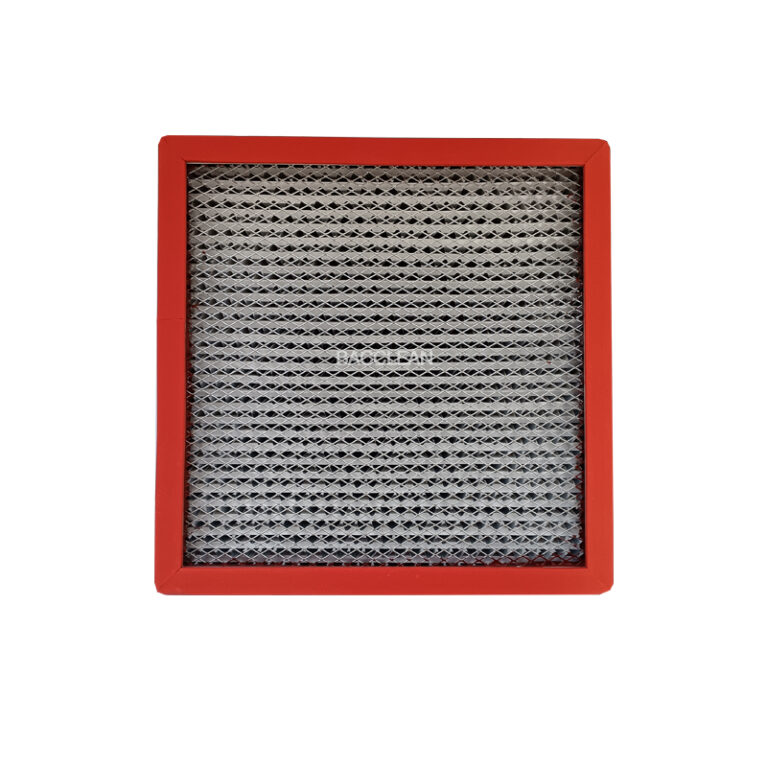
Regularly replace the primary and high-efficiency filters to ensure the equipment’s filtration efficiency and maintain a hundred-level cleanliness in the operation area.