I. Door body malfunction
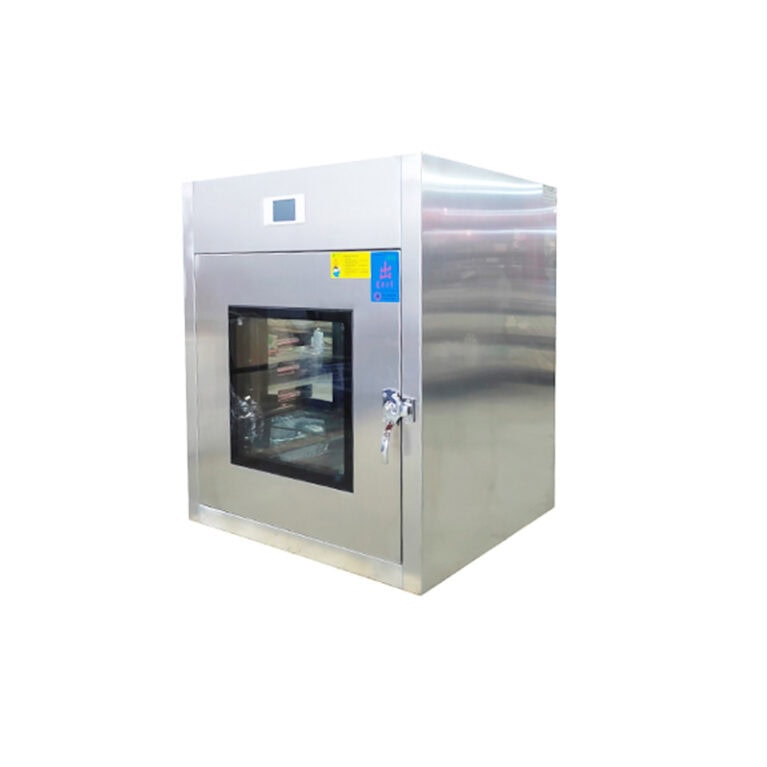
The sensor door cannot open automatically
Troubleshooting steps
Check whether the induction probe is blocked by goods, dust, or the probe wiring is loose.
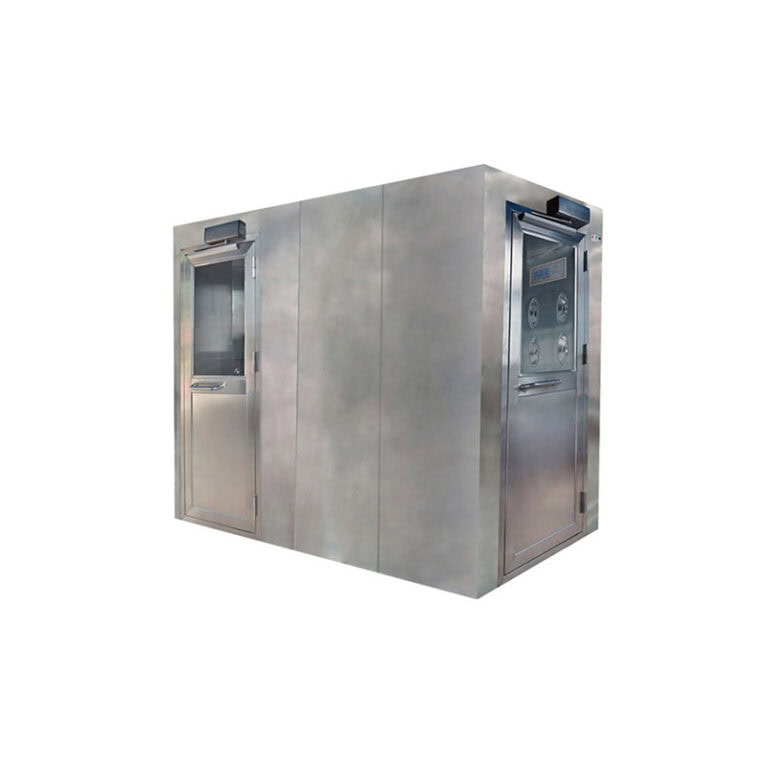
Verify whether the double-door interlock function is triggered (when one side door is not fully closed, the other side door cannot be unlocked);
Confirm whether the compressed air pressure is within the range of 0.4-0.6MPa (the pneumatic door needs sufficient air pressure to drive).
Check whether the fuse in the control circuit has blown or whether the contactor is faulty.
Solution
Clean the dust on the surface of the probe and re-fix the loose wiring.
Make sure that both door bodies are completely closed and the interlocking state is released.
Adjust the pressure of the air compressor to the standard range, inspect and repair the leakage points in the air pipe.
Replace the blown fuse, repair or replace the faulty contactor.
2. The door does not close tightly or gets stuck
Troubleshooting steps
Check whether there are any foreign objects blocking the door body guide rails or if the guide rails are deformed.
Check whether the sealing strip is damaged, fallen off, or the door hinge is loose.
Test whether the thrust of the pneumatic door cylinder is insufficient or the power of the electric door motor is abnormal.
Solution
Clear foreign objects from the guide rails and correct deformed guide rails.
Replace the damaged sealing strip and tighten the hinge screws.
Check the cylinder pressure and replace the aged cylinder. The electric door needs to have its motor or gear set inspected and repaired.
Ii. Sprinkler System failure
1. The spray doesn’t start
Troubleshooting steps
Confirm whether the fan is operating normally (fan failure will cause no airflow in the spray).
Check whether the nozzle is blocked by dust or debris.
Check whether the parameters of the spray time controller have been tampered with or if there is a relay failure.
Verify whether the door closing signal is transmitted to the control system (the sprinkler does not start when the door is not fully closed).
Solution
Inspect and repair the fan motor or circuit, and replace the faulty fan.
Blow the nozzle with compressed air to clear the blockage.
Recalibrate the spray time parameters (recommended to be 10-30 seconds) and replace the faulty relay.
Adjust the limit switch of the door body to ensure the normal transmission of the closing signal.
2. Uneven spray air output/Small air volume
Troubleshooting steps
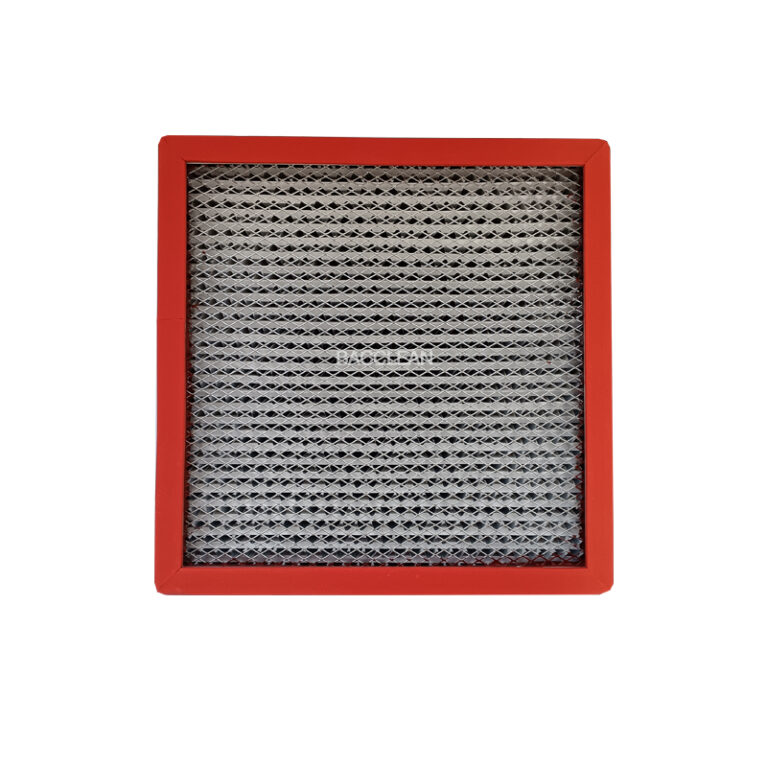
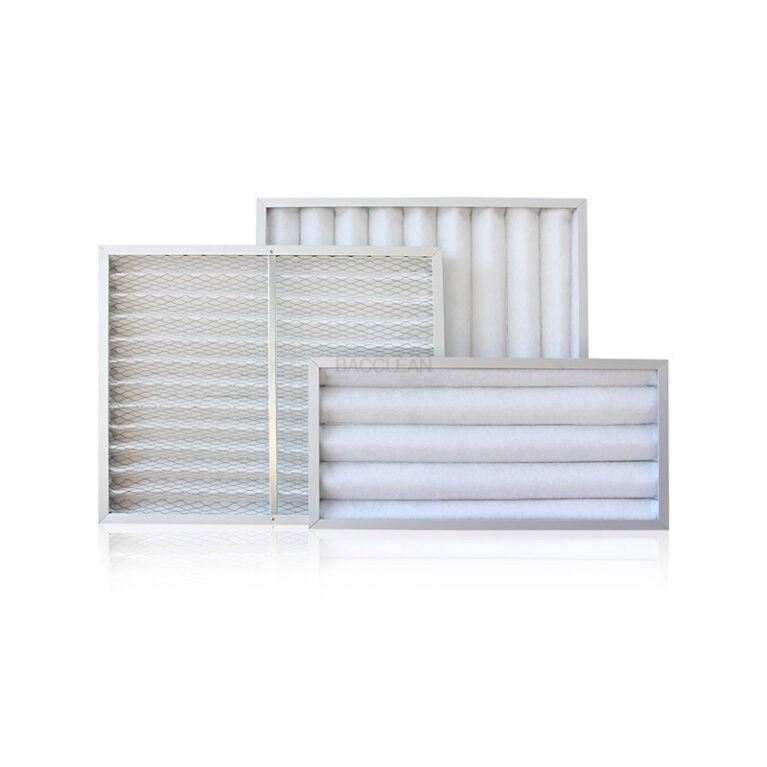
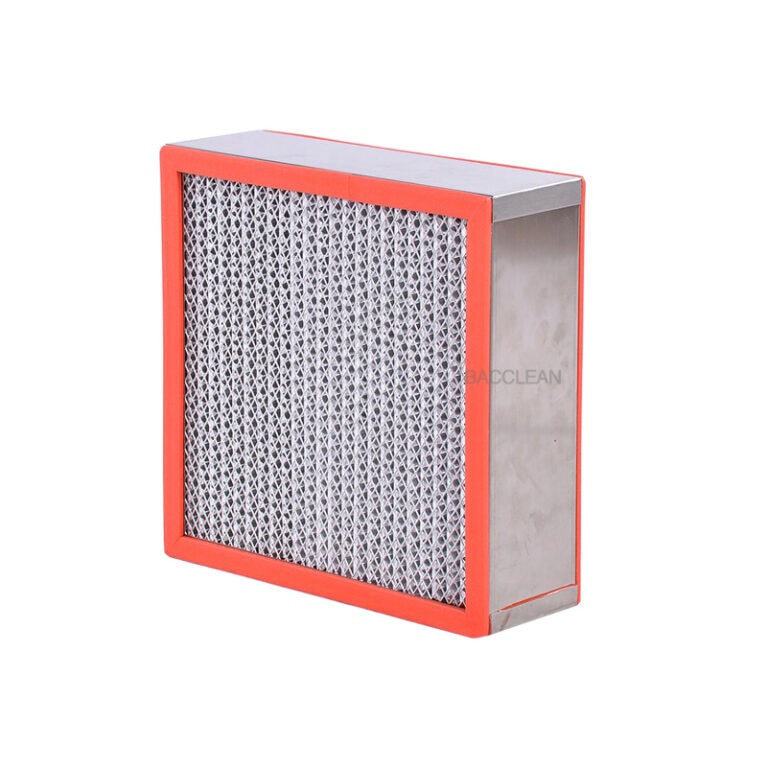
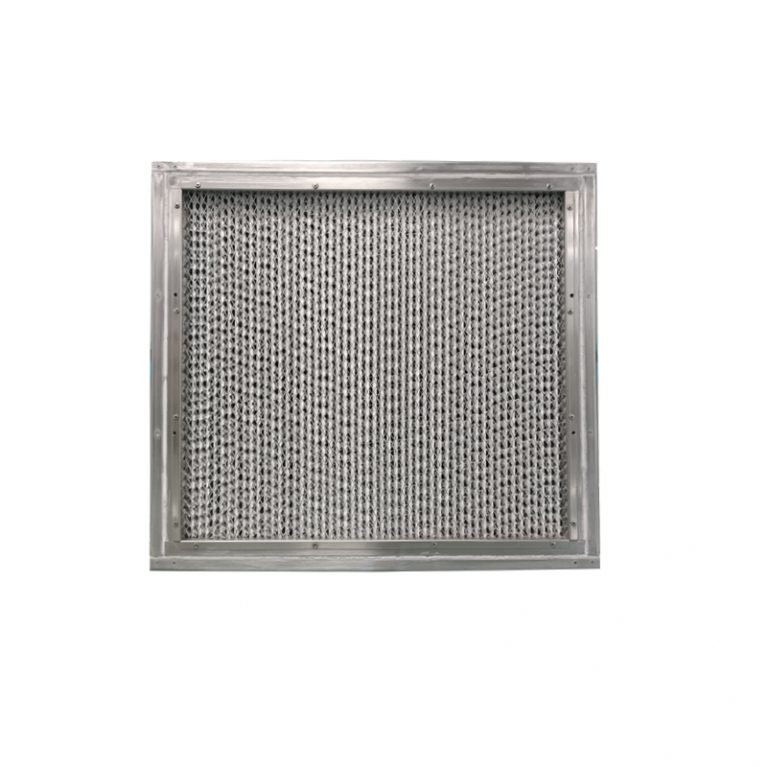
Check whether the primary and high-efficiency filters are clogged (replace them when the pressure difference is greater than 200Pa).
Check whether the nozzle Angle is offset or if some nozzles are clogged.
Test whether the fan speed is normal or if the belt is loose (belt-driven type).
Solution
Clean or replace the clogged filter;
Adjust the nozzle Angle to the standard position and blow away the clogged nozzle.
Tighten the fan belt and inspect the motor speed regulator.
Iii. Control and Electrical Faults
1. The equipment cannot be powered on and started
Troubleshooting steps
Check whether the main power switch has tripped and whether the power cord is loose or aged.
Check if the emergency stop button has been pressed and not reset.
Check whether the transformer and circuit breaker in the control box are faulty.
Solution
Reset the trip switch, tighten the power cord and replace the aged circuit.
Turn the emergency stop button clockwise to the reset position.
Repair or replace faulty transformers and circuit breakers.
2. Interlock function failure (both doors can be opened simultaneously)
Troubleshooting steps
Check whether the limit switch of the door body is damaged or the wiring is loose.
Check whether the interlock relay in the control box is faulty.
Verify whether the program controller (PLC) outputs error signals.
Solution
Replace the damaged limit switch and reconnect the disconnected wiring.
Replace the faulty interlock relay;
Reset the PLC program or contact the manufacturer for maintenance.
Iv. Other common Faults
1. The operating noise is too loud
Troubleshooting steps
Check whether the fixing bolts of the fan are loose or if there is too much dust accumulated on the impeller.
Check whether the bearings of the fan are worn or lack oil.
Verify whether the door body is rubbing against the guide rail or whether the cylinder piston is worn.
Solution
Tighten the bolts of the fan and clean the accumulated dust on the impeller.
Add lithium-based grease and replace worn bearings;
Adjust the position of the door body, reduce the friction of the guide rails, and replace the aged cylinders.
2. The pressure difference in the clean area is normal
Troubleshooting steps
Check whether the sealing strip of the door body is damaged, causing air leakage.
Check whether the high-efficiency filter is clogged or damaged;
Verify whether the air volume of the fan meets the standard or if there is a leakage in the air duct.
Solution
Replace the damaged sealing strip;
Replace clogged or damaged high-efficiency filters;
Inspect the fan and seal the leakage points in the air duct.
General Precautions for troubleshooting
Before all maintenance operations, power and gas must be cut off, and a “under Maintenance” sign must be hung. It is strictly prohibited to operate under power or voltage.
When replacing the filter, it should be operated on the clean area side to avoid contaminating the clean area.
If the fault involves the PLC program or the core components of the motor, it is recommended to contact the professional personnel of the equipment manufacturer for maintenance.