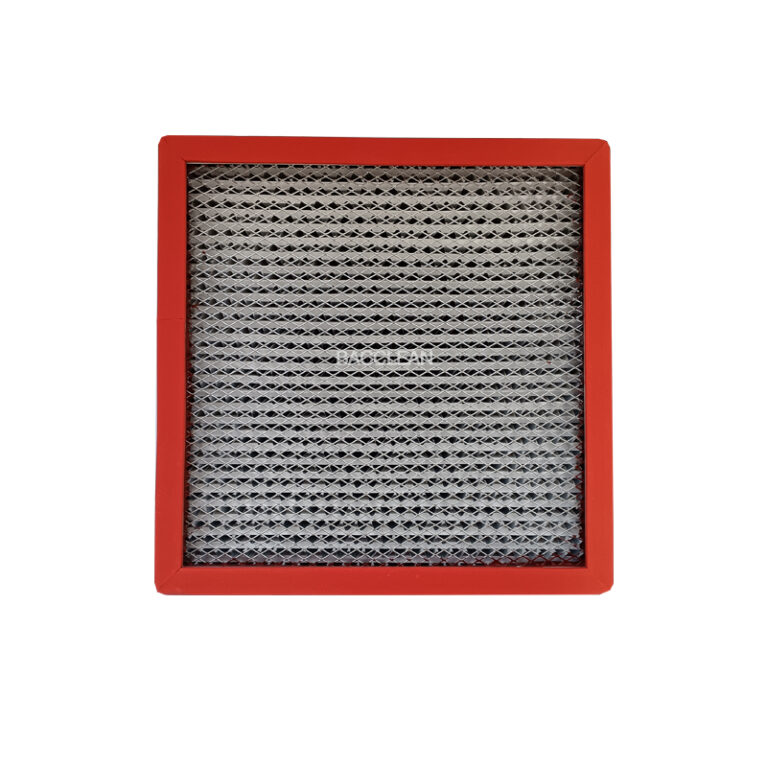
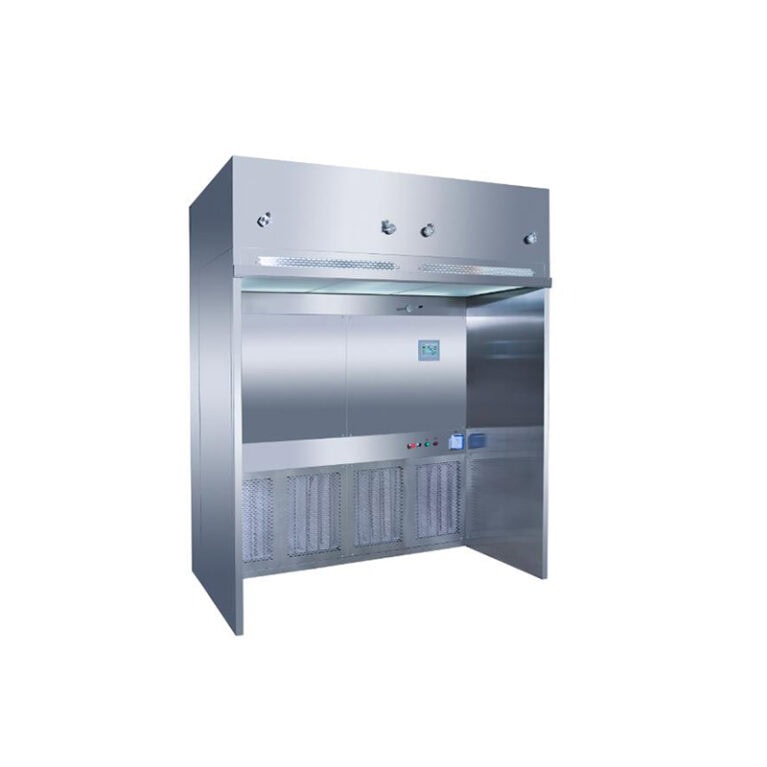
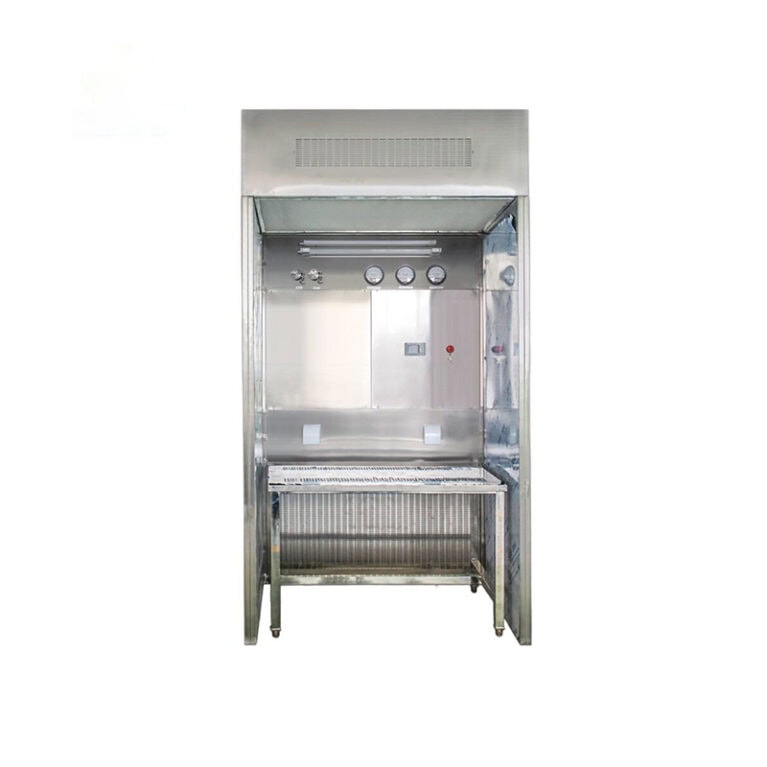
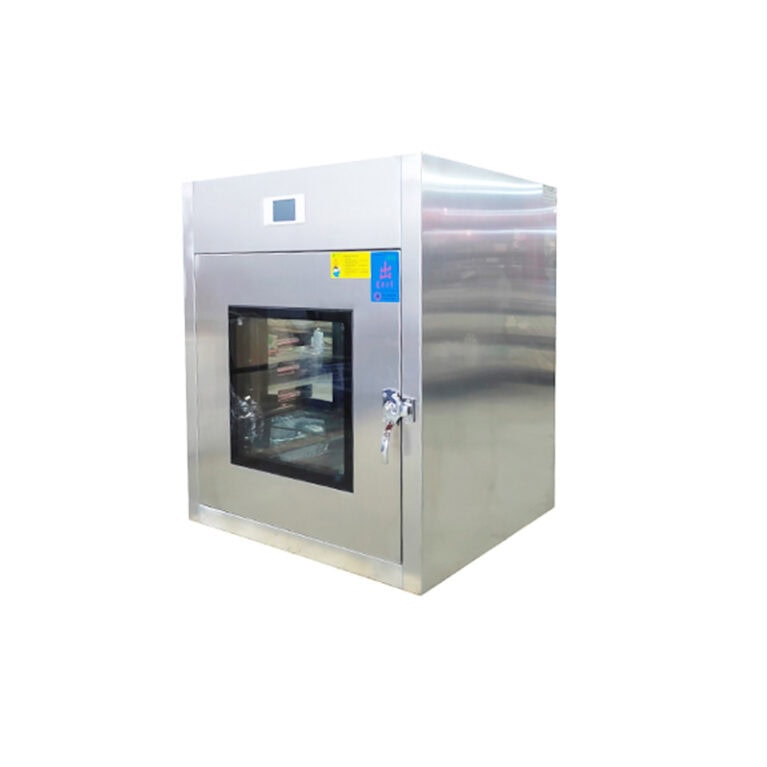
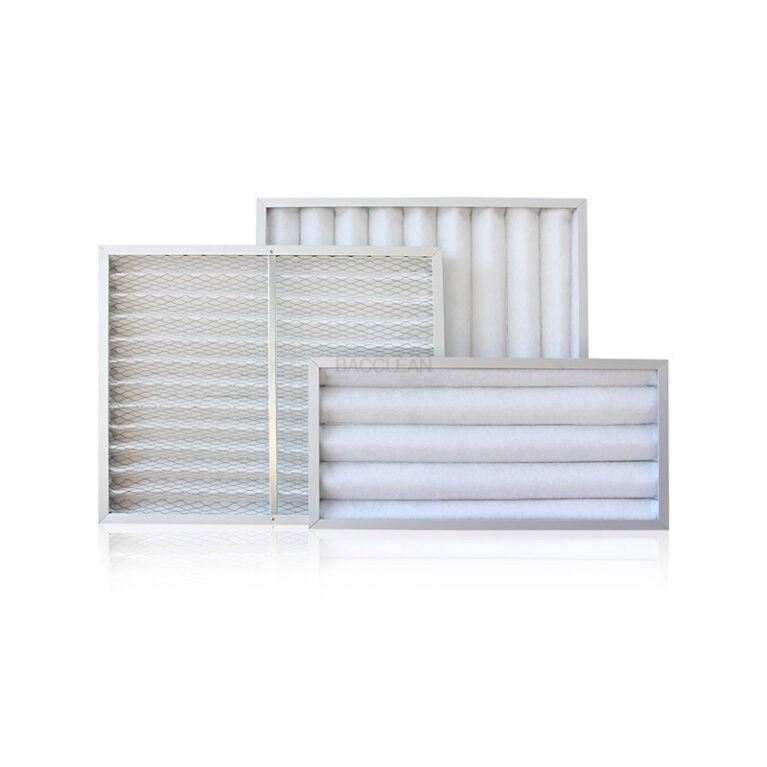
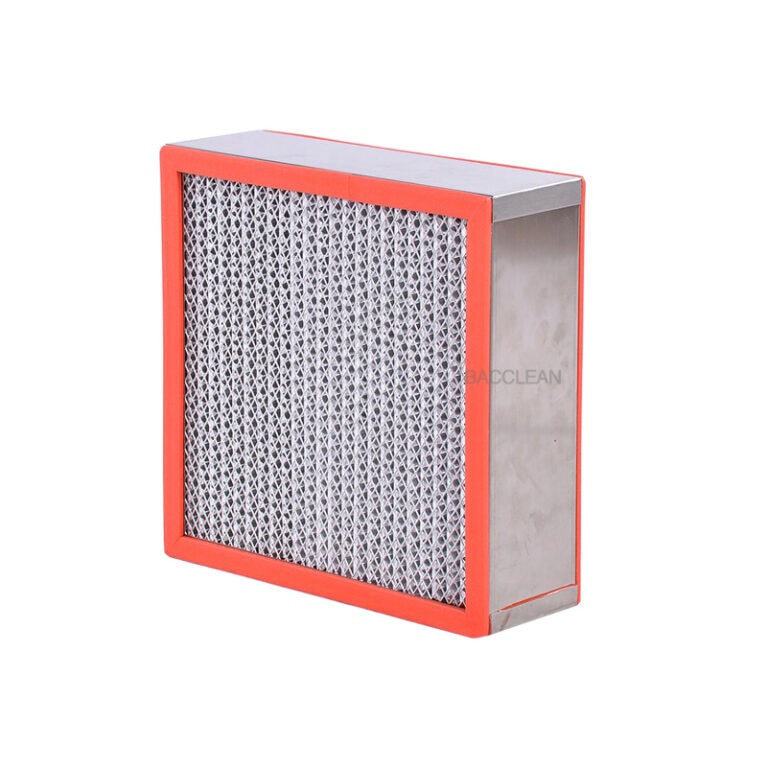
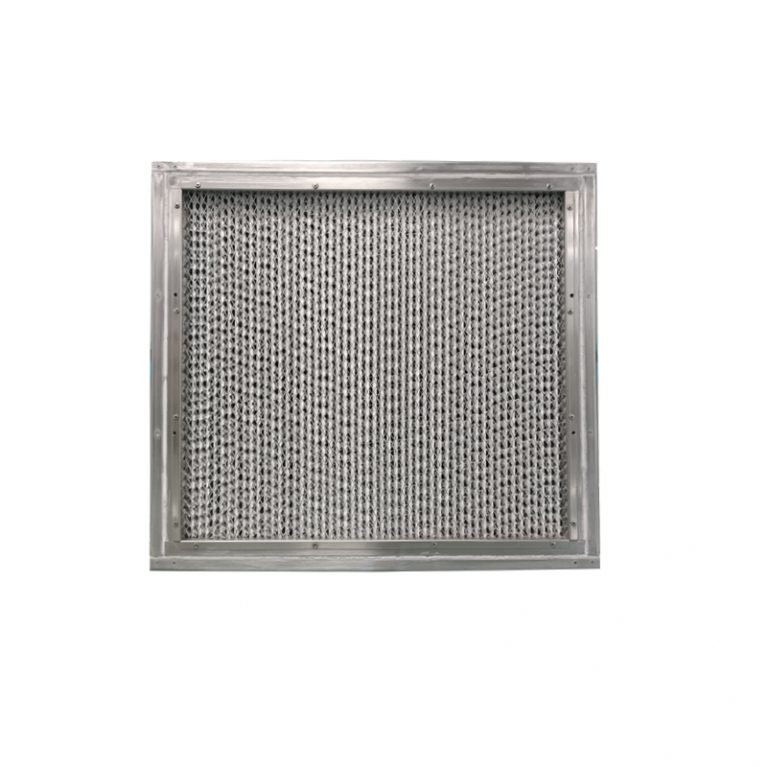
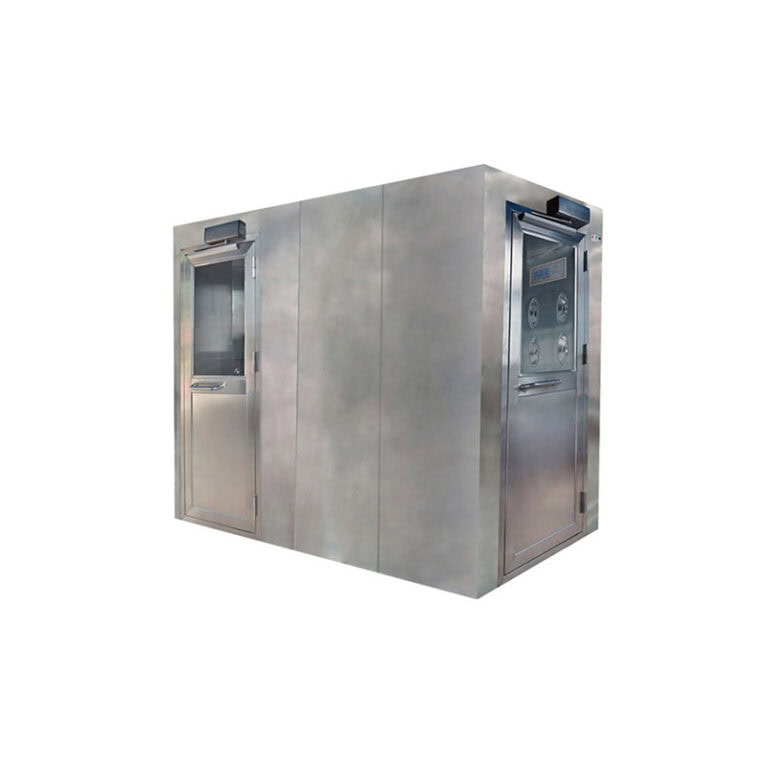
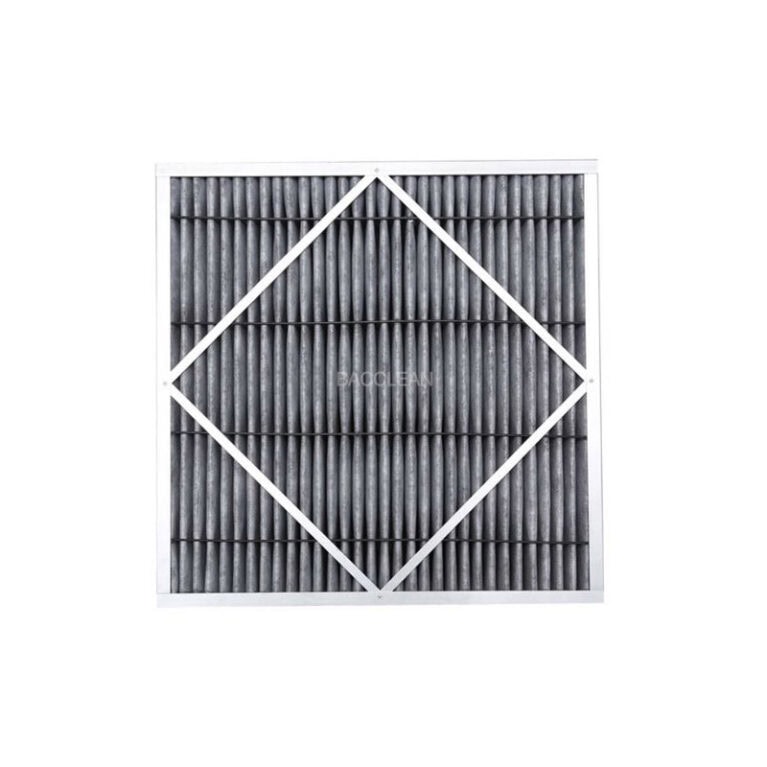
The core basis for determining whether the high-efficiency filter (HEPA) of the DOP laminar flow transfer window needs to be replaced is the pressure difference change, performance test results, and actual usage status. Specifically, it can be comprehensively judged through the following dimensions:
I. Core Judgment Basis: Differential Pressure Monitoring (the most direct indicator)
The resistance of high-efficiency filters will increase as the amount of dust accumulated. The differential pressure gauge (or pressure gauge) that comes with the transfer window is a key monitoring tool.
Initial pressure difference record: After the new filter is installed, the initial pressure difference at the rated air volume (usually the “initial resistance” of the high-efficiency filter, approximately 200-250Pa) should be recorded as the reference value.
Final resistance triggers replacement: When the operating pressure difference displayed by the differential pressure gauge reaches twice the initial resistance (400-500Pa), it indicates that the filter is saturated with dust and must be replaced. In some high-demand scenarios (such as GMP workshops in the pharmaceutical industry), the final resistance threshold is set at 1.5 times the initial resistance, and industry standards must be followed.
Abnormal pressure difference investigation: If the pressure difference suddenly drops significantly (far below the initial resistance), it may be due to filter damage, seal failure or abnormal wind speed. The machine should be stopped immediately for inspection. After confirming the damage, it should be replaced.
Ii. Performance Test Results: DOP/PAO Leak Detection Test (Mandatory Standard
According to GMP and cleanroom standards, DOP laminar flow transfer Windows need to undergo a high-efficiency filter integrity test (DOP/PAO leak test) once a year. The test results directly determine whether to replace them.
Leak detection failure determination: If during the test it is found that the filter material of the filter has pinholes, the sealant is cracked, or there is leakage at the sealing point with the frame, and the leakage rate exceeds the limit value specified in the specification (usually required to be ≤0.01%), and it cannot be repaired by adding sealant or reinstallation, the filter must be replaced.
Air volume attenuation correlation: If the average wind speed at the outlet of the transfer window remains persistently lower than the design value (typically, the wind speed requirement for laminar flow transfer Windows is 0.36-0.54m/s), and after eliminating fan faults and air duct blockings, the rated wind speed still cannot be restored, it indicates that the filter resistance is too high and needs to be replaced.
Iii. Actual Usage Status and Auxiliary Judgment
Usage time and environment
For conventional clean environments (such as electronic workshops) : After the filter has been in use for 6 to 12 months, it is recommended to replace it even if the pressure difference has not reached the final resistance (or at least conduct a leak test).
High-dust and high-pollution environments (such as raw material drug production areas) : The service life is shortened to 3-6 months, and it needs to be replaced in advance according to the actual dust accumulation situation.
Abnormal appearance and function:
The surface of the filter shows obvious damage, deformation, and the filter material turns black and moldy.
The internal cleanliness of the transfer window has declined (the particle counter detection shows that the number of particles ≥0.5μm exceeds the standard), and other pollution sources (such as leakage of the sealing strip, fan failure) have been ruled out.
Abnormal noises and odors occur during the operation of the transfer window, which are directly related to the dust accumulation and blockage of the filter.
Iv. Mandatory Replacement Requirements for Special Scenarios
In the event of a contamination incident (such as dust explosion, chemical leakage, or microbial contamination) in the area where the transfer window is located, the filter must be replaced immediately.
If the filter exceeds the “recommended service life” marked by the manufacturer (usually 2 years, even if the pressure difference does not meet the standard), to avoid the aging and damage of the filter material, it is recommended to replace it.
In the pharmaceutical industry, if the use of filters involves production suspension for maintenance or workshop renovation, they need to be inspected before restarting. If they do not meet the standards, they should be replaced.
Summary
The priority for determining whether a high-efficiency filter should be replaced is: pressure difference reaches the final resistance > leak detection test fails > expiration of the service life/abnormal appearance and function. It is necessary to keep a record of the pressure difference on a daily basis and conduct regular leak checks to avoid the risk of contamination in the clean area due to filter failure.