Daily Maintenance Regulations for High-Efficiency Exhaust Filter Units
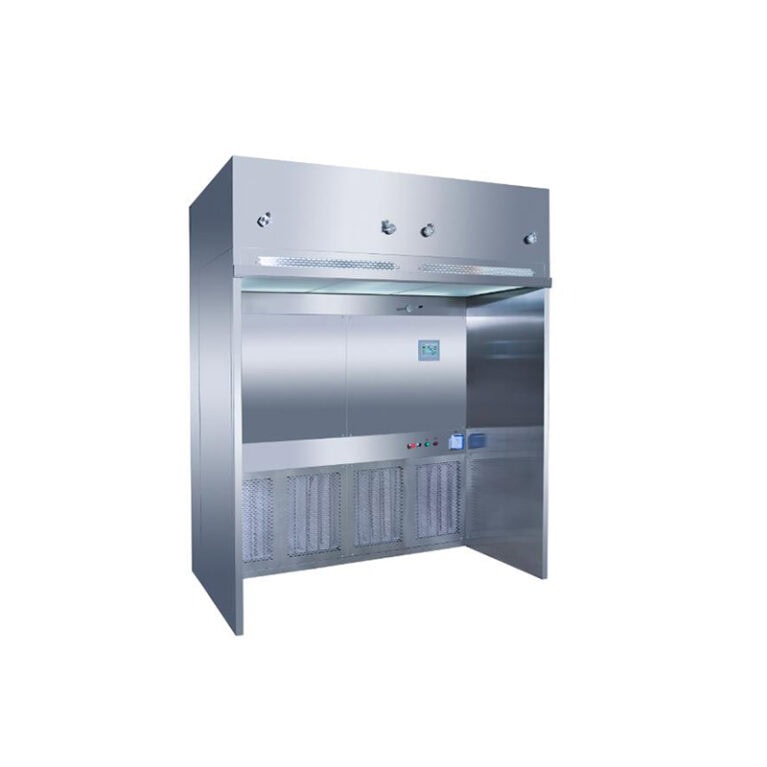
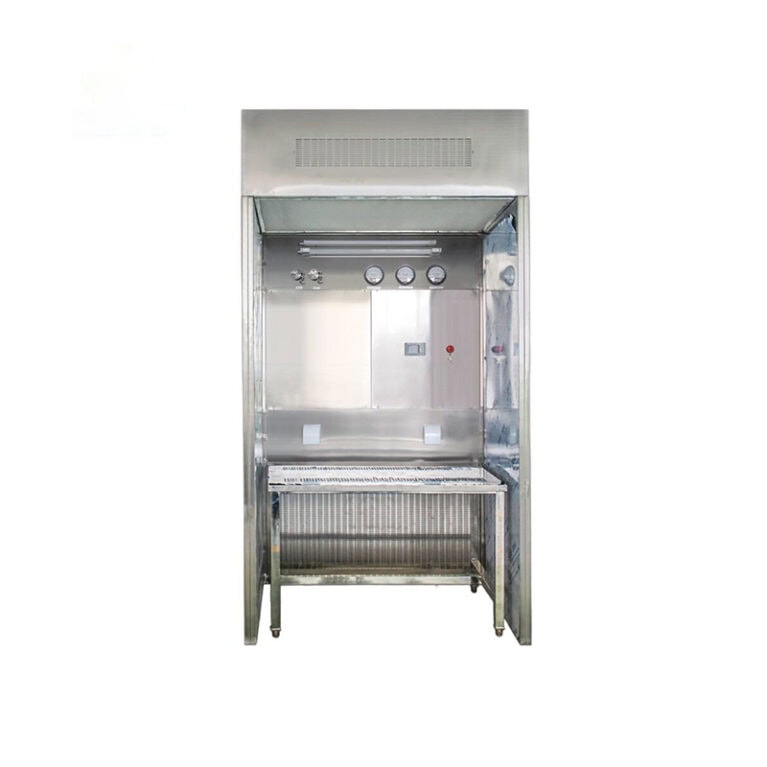
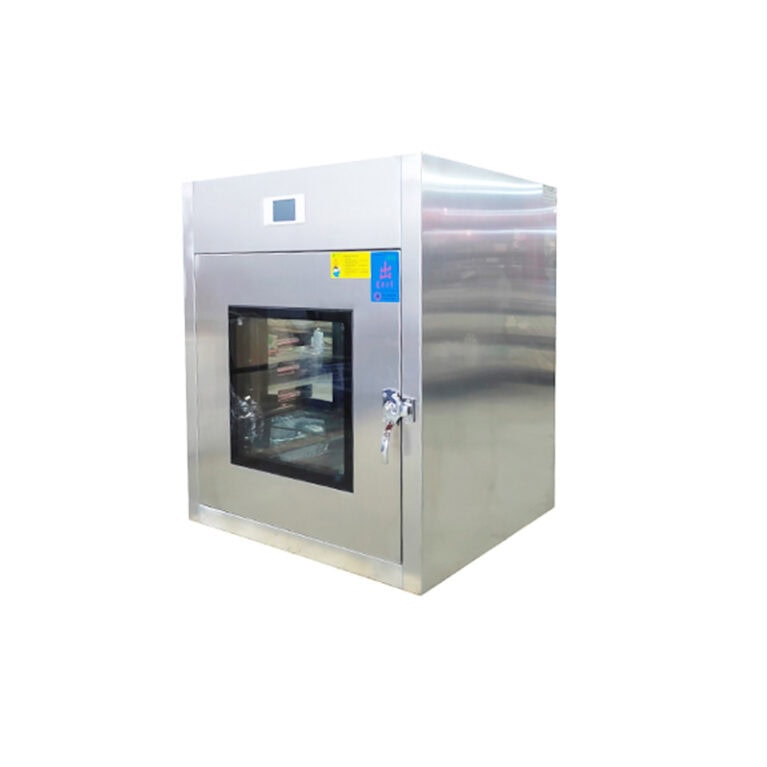
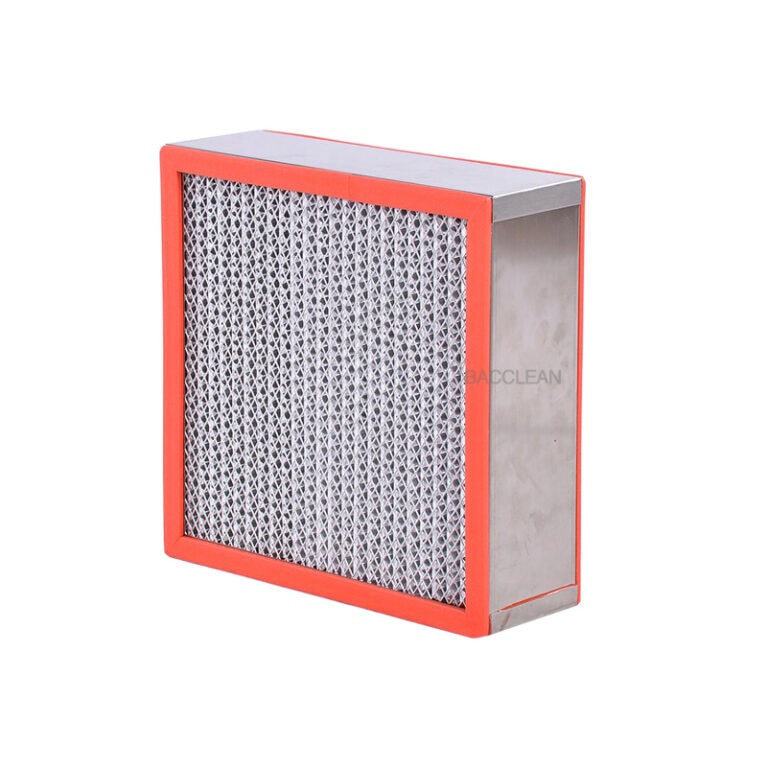
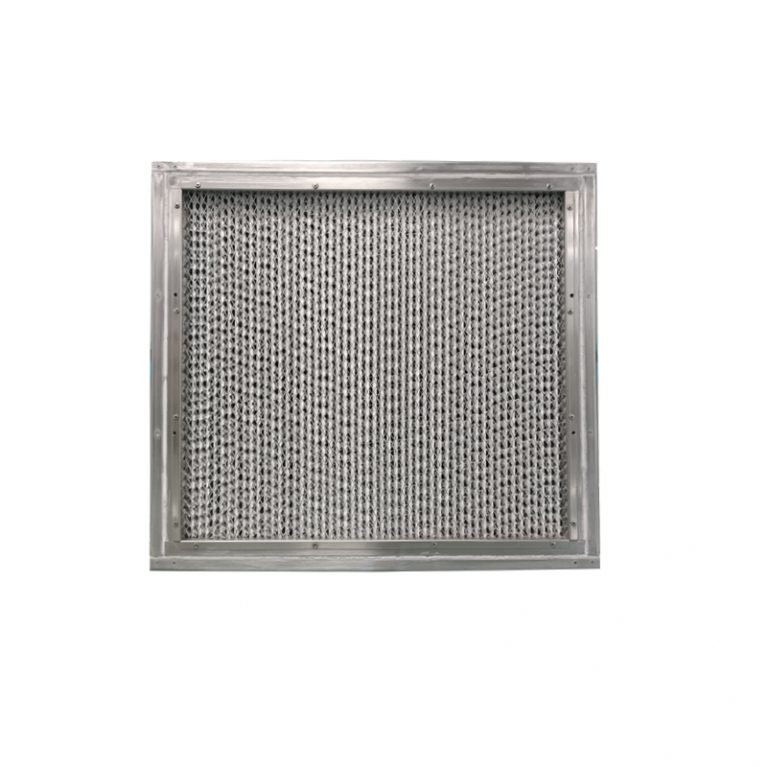
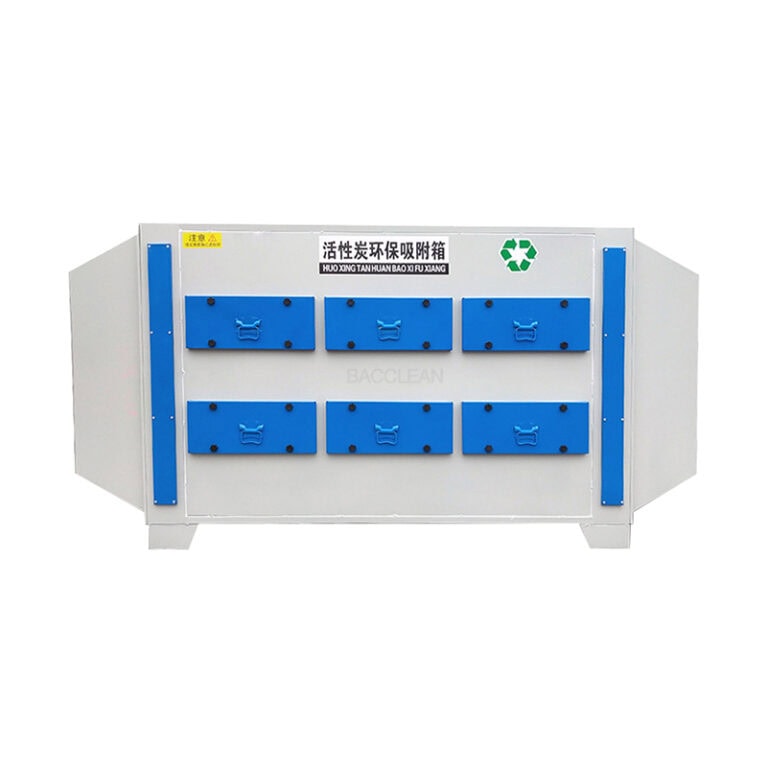
The high-efficiency exhaust filtration unit (HEPA/ULPA exhaust filtration device) is a core equipment for controlling the emission of polluted gases and dust, and is widely used in laboratories, clean workshops, medical negative pressure wards and other scenarios. Daily maintenance should follow the principle of “regular inspection – cleaning and maintenance – replacement and upgrade – record archiving” to ensure the operational efficiency of the equipment, extend its service life, and avoid secondary pollution at the same time.
I. Daily Inspection (Daily/Shift)
Operation status check
Observe the operating sound of the fan: There should be no abnormal sounds or severe vibrations. If the noise increases or the fan shakes, stop the machine immediately for inspection.
Check the operating parameters: Confirm that the fan current, voltage and air pressure are within the rated range of the equipment, and the exhaust air volume meets the design requirements (which can be monitored with the assistance of a differential pressure gauge and an air volume meter).
Check the sealing condition: The sealing strips at the connection points between the filter unit and the box body and the air duct should not fall off or crack to ensure there is no leakage.
Pressure difference monitoring
The initial resistance and final resistance of the high-efficiency filter are the core monitoring indicators, and the readings of the differential pressure gauge need to be recorded daily.
When the pressure difference reaches the final resistance (usually 2 to 3 times the initial resistance), the high-efficiency filter needs to be replaced in a timely manner. If the pressure difference rises sharply, it may be due to a clogged filter or foreign objects at the air inlet.
Visual inspection
Check that the shell and frame of the filter unit are free from rust and deformation, and that there is no debris blocking the exhaust outlet.
Check that the exhaust ducts and valves are properly opened and closed, with no damage or air leakage.
Ii. Regular cleaning and Maintenance (weekly/monthly)
Cleaning of the pretreatment components
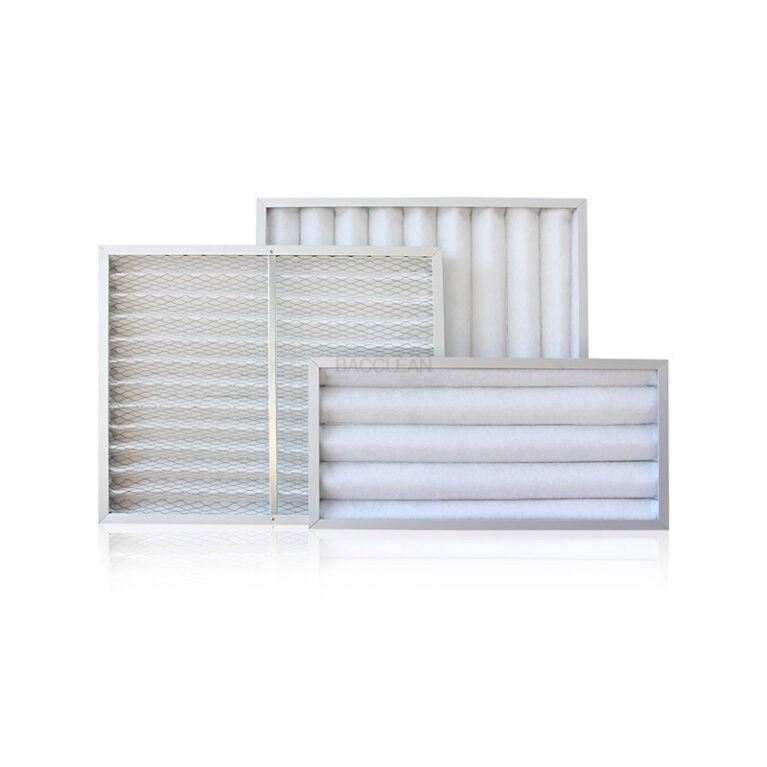
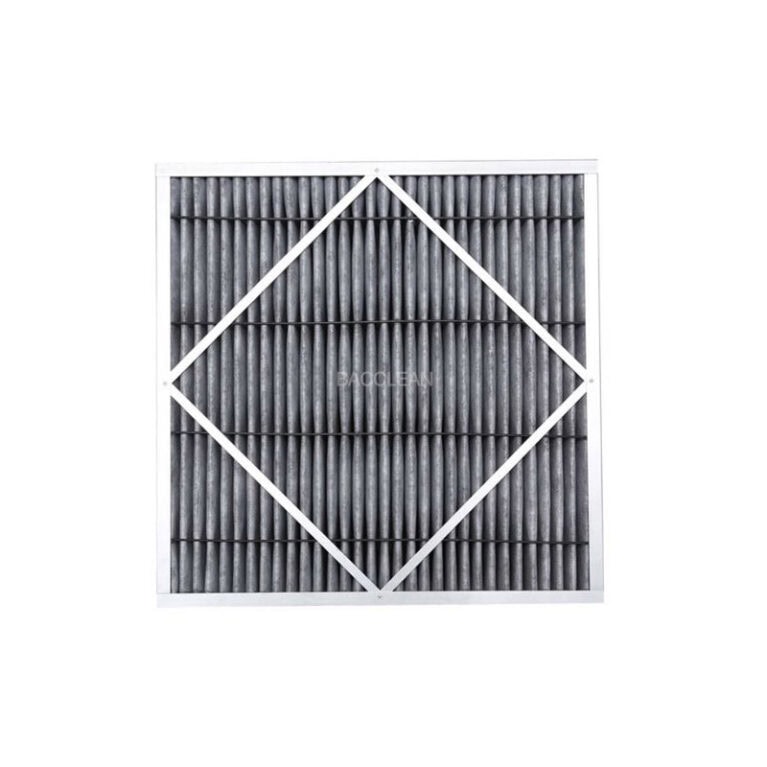
The front end of the high-efficiency exhaust filter unit is usually equipped with a primary filter (G4 grade), which needs to be disassembled and cleaned once a week. After cleaning, it should be dried (avoid direct sunlight) before reinstallation. It is recommended to replace it every 1 to 3 months.
If an activated carbon pretreatment layer is configured, check the adsorption effect of the activated carbon every month. Replace it in time when an unpleasant smell overflows.
Internal cleaning of the equipment
After the machine is shut down each month, cut off the power supply and wipe the accumulated dust inside the filter unit box and on the surface of the fan with a lint-free cloth to prevent the dust from entering the high-efficiency filter or affecting the heat dissipation of the fan.
When cleaning, it is strictly prohibited to directly rinse the fan motor and electrical components with water. Compressed air (pressure ≤0.3MPa) can be used to blow away the dust on the fan impeller from the inside out.
Maintenance of sealing components
Check the aging degree of the sealing strip every month. If hardening or cracking occurs, replace the sealing strip of the same specification in time. A small amount of silicone grease can be applied to the surface of the sealing strip to enhance its sealing performance.
Iii. Replacement of High-Efficiency Filters (as needed/Regularly)
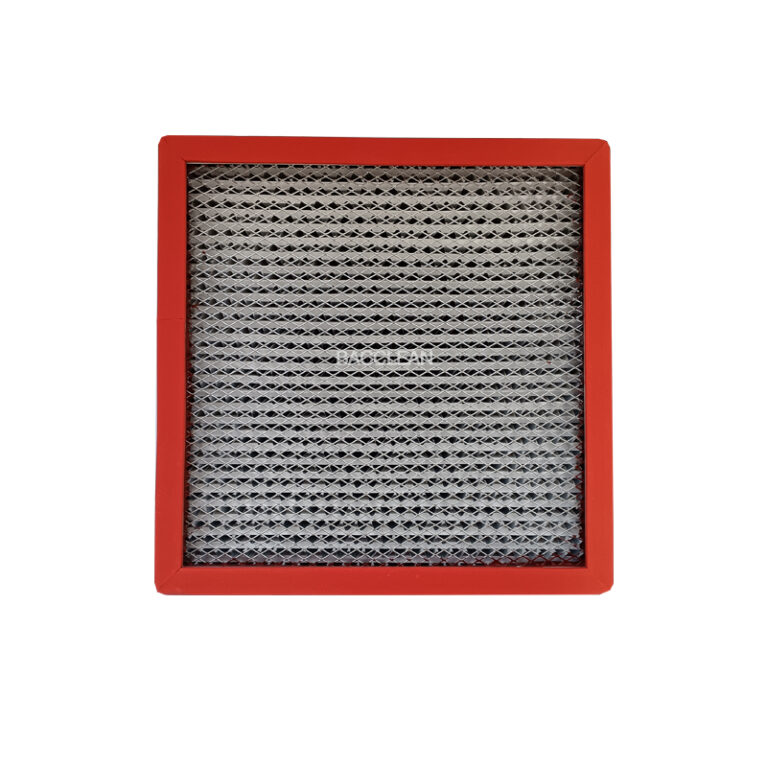
High-efficiency filters are consumables and cannot be cleaned or reused. Replacement should follow the following regulations:
Change the timing
The pressure difference reaches the final resistance value.
There is damage and air leakage on the surface of the filter.
The equipment has been in operation for 1 to 2 years (even if the pressure difference does not meet the standard, it is recommended to replace it. The specific cycle should be adjusted according to the usage environment).
Replacement process
Shut down the machine and cut off the power supply, and give safety warnings.
Wear protective gloves and masks to avoid direct contact with contaminants on the surface of the filter.
When disassembling the old filter, wrap it in a sealed bag and then remove it to prevent dust from spreading.
Clean the filter installation frame to ensure there is no residual dust.
Install the new filter, pay attention to the air flow direction marking (consistent with the exhaust direction), press the sealing strip firmly, and ensure that there is no gap around the seal.
After installation, start the machine and run it. Monitor whether the pressure difference has returned to the initial resistance range and check for any air leakage.
Replacement Precautions
The new filter should be a HEPA/ULPA grade product that meets the specifications of the original equipment and has a qualified third-party test report.
The replacement process should be carried out in a clean environment to prevent the new filter from being contaminated.
Iv. Maintenance of Electrical and Control Systems (Monthly/Quarterly)
Check the electrical circuits and terminal blocks every month to ensure they are not loose or oxidized, and that the grounding protection of the motor is normal.
Lubricating oil should be added to the fan bearings every season (as per the equipment manual for selection) to ensure smooth rotation.
Check the accuracy of monitoring instruments such as differential pressure gauges and air volume meters, and calibrate them regularly.
V. Maintenance Record Management
Establish a maintenance ledger for the high-efficiency exhaust air filtration unit, detailing the following contents:
Daily inspection of pressure difference and operating parameters;
The time and content of weekly/monthly cleaning and maintenance;
The time, model, pressure difference data and replacement personnel of the filter;
The time of occurrence, cause and handling measures of the fault.
The ledgers need to be archived and preserved as the basis for equipment performance evaluation and adjustment of maintenance plans.
Vi. Supplementary Maintenance for Special Environments
High-humidity environments (such as pharmaceutical workshops and damp laboratories) : It is necessary to increase the inspection frequency to prevent the filters from getting damp and moldy. Dehumidification devices can be added to the exhaust ducts.
Corrosive gas environment (such as chemical workshops) : Filter units with corrosion-resistant shells should be selected, and the replacement cycle of the activated carbon pretreatment layer should be shortened to 1 to 2 months.