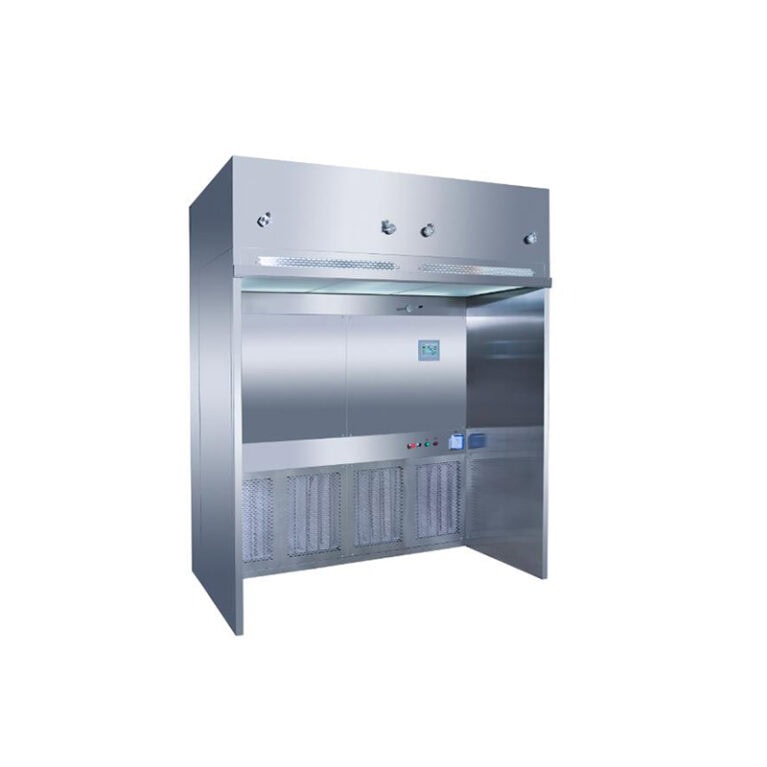
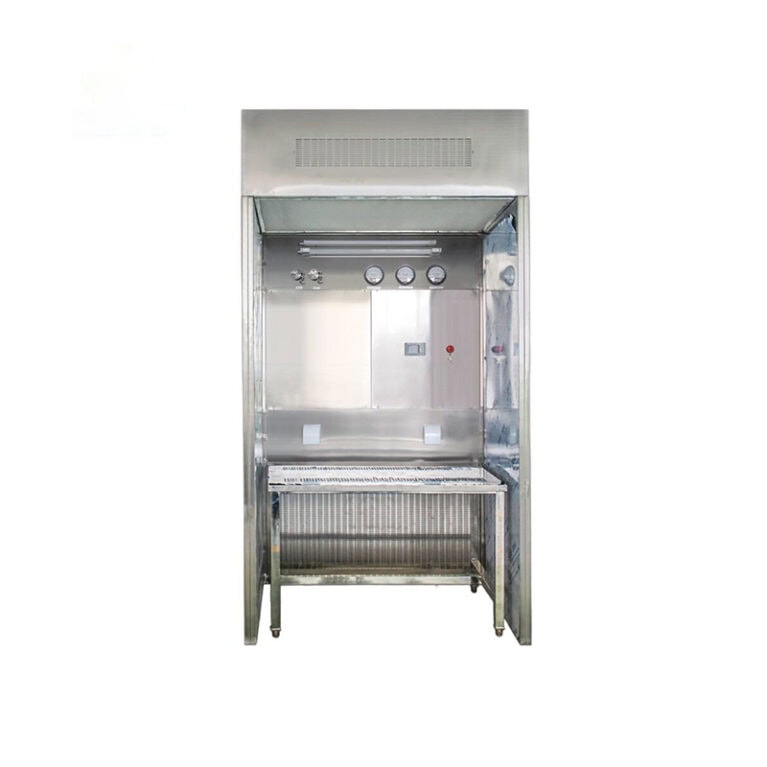
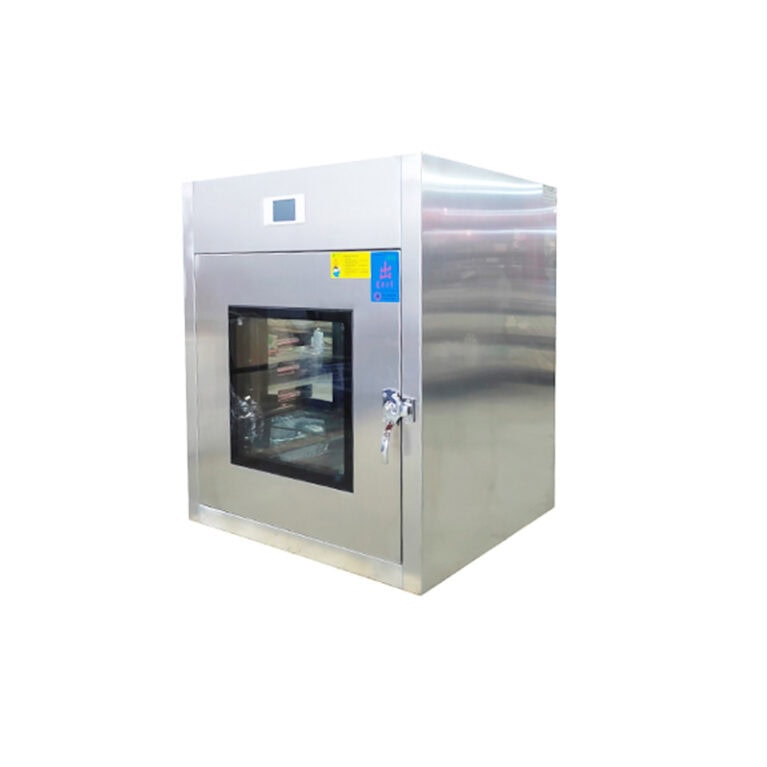
I. Core Service Life of Negative Pressure Weighing Chamber (Industry General Standard)
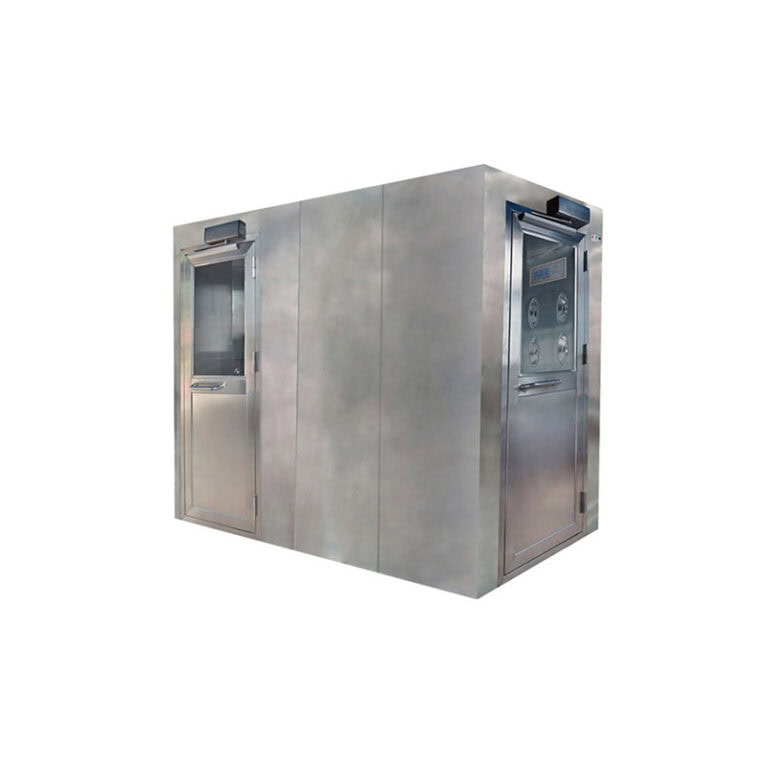
The conventional design service life is 8 to 12 years. The design life of core components (fans, filters, control systems) is 5 to 8 years. They need to be replaced regularly to maintain performance. If the maintenance is in place and the working conditions are good, the entire equipment can be extended for 10 to 15 years (only for compliant operation and maintenance scenarios).
Ii. Key Influencing Factors (Ranked by Influence Weight)
Core component wear and tear (weight 40%)
Fan system: The wear of the motor bearings and impellers of the centrifugal fan/fan filter unit (FFU) directly affects the stability of negative pressure (under normal operating conditions, they need to be replaced every 5 to 8 years; frequent starts and stops or high-load operation will shorten the period to 3 to 5 years).
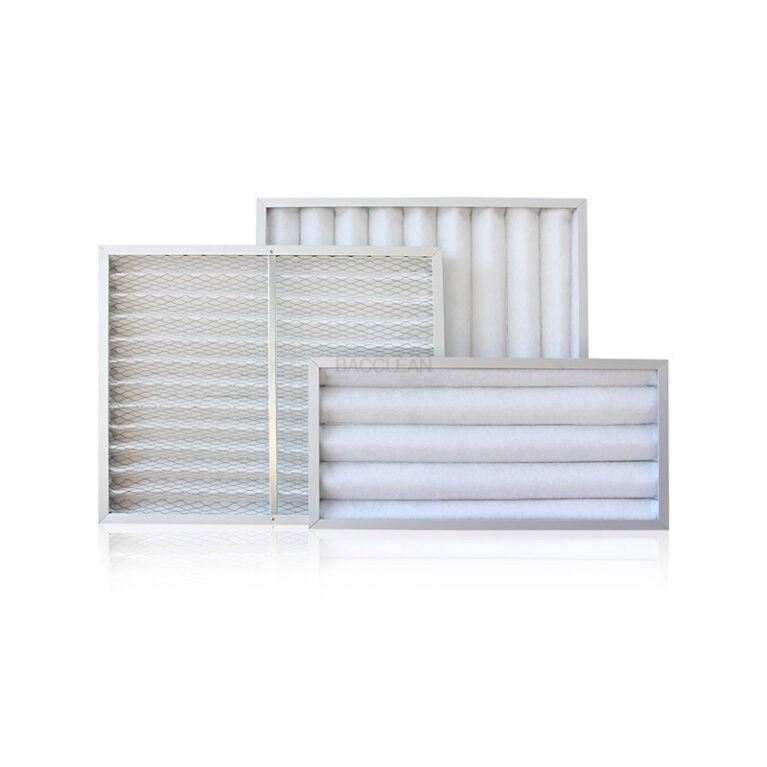
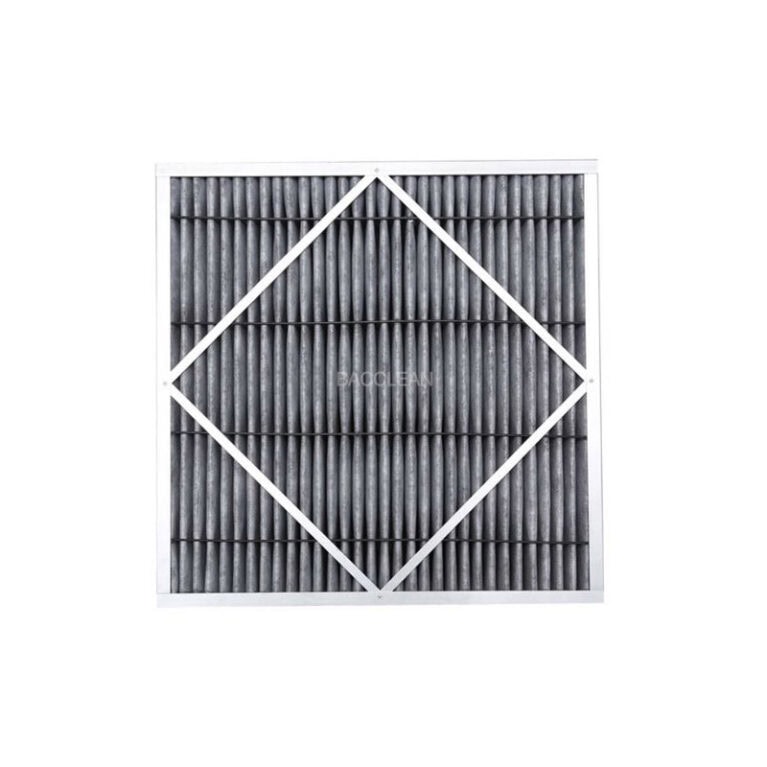
Filtration system
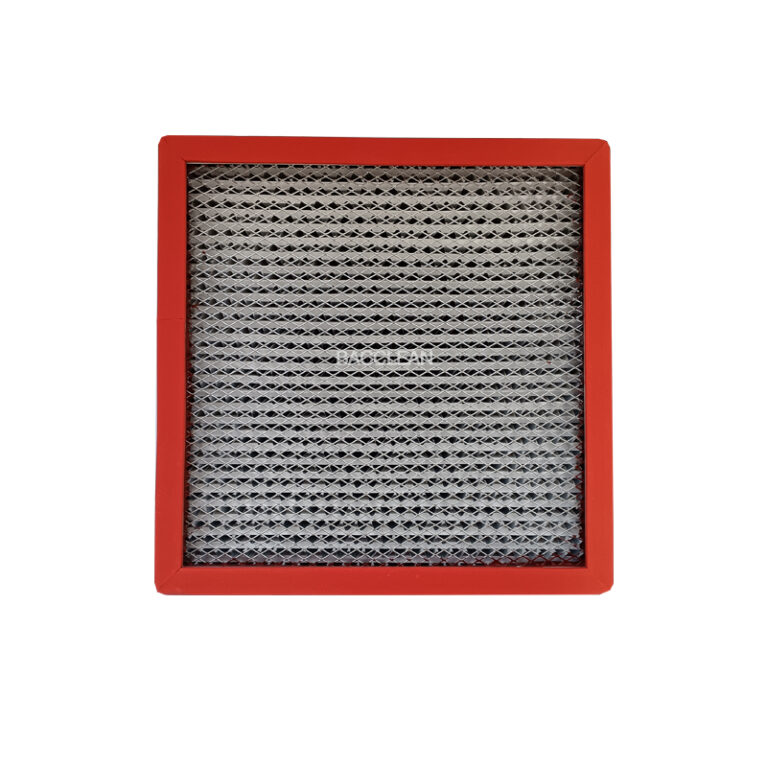
Primary filter (G4) : Replace every 6 to 12 months. If not replaced in time, it will cause overload of medium and high-efficiency filters, accelerating the clogging of high-efficiency filters (HEPA/ULPA) (the normal service life of high-efficiency filters is 1 to 3 years, and overload use will shorten it to 6 to 18 months).
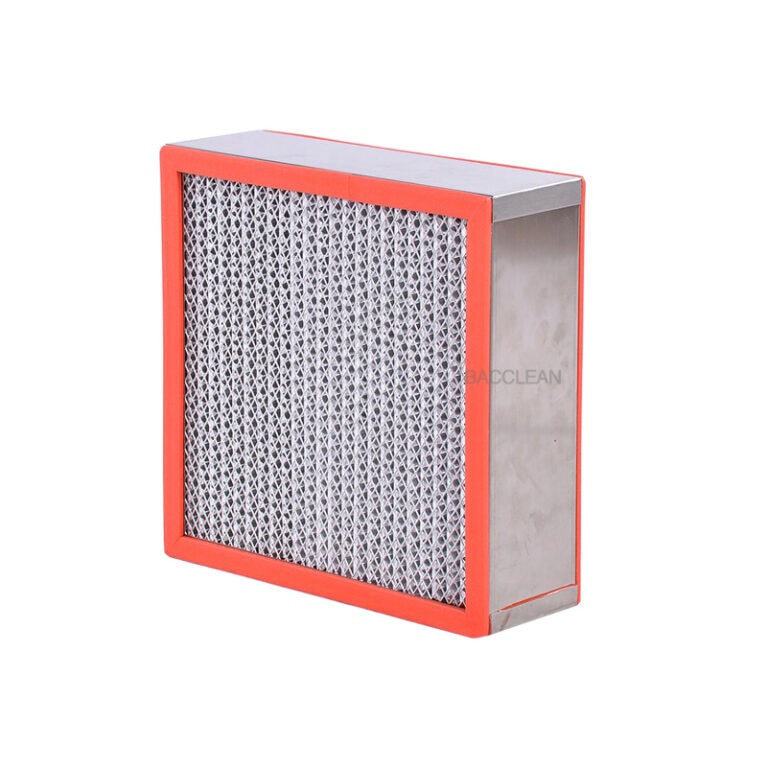
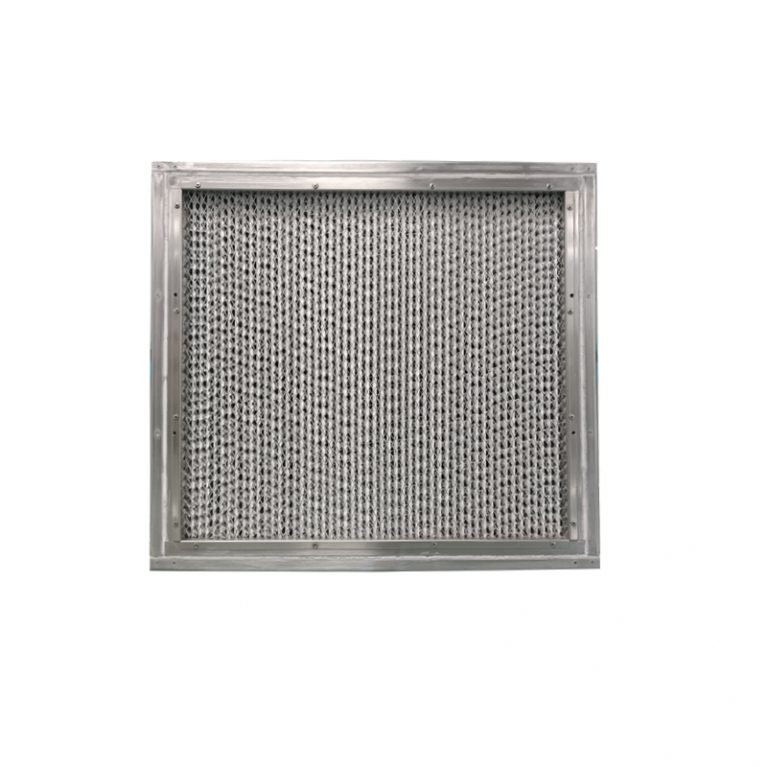
High-efficiency filters: Once leakage occurs or resistance exceeds the standard (more than 1.5 times the design value), they must be replaced immediately; otherwise, the cleanliness (ISO 5 / Class 100) and negative pressure requirements cannot be met, which will directly affect the compliance of the equipment.
Control system: The electronic components of the PLC controller, differential pressure sensor, and interlocking device (such as door interlocking) have aged. If the environmental humidity is high and there is a lot of dust, short circuits or accuracy drops are prone to occur (the normal lifespan is 6-8 years).
2. Operating Conditions and Operation Specifications (Weight: 30%)
Medium characteristics
Corrosive materials (such as acid and alkali powders) : They can corrode equipment cavities, air ducts and seals, shortening their service life by 20% to 30%.
High-dust/viscous materials: Accelerate filter clogging, increase fan load, and over time, it is prone to cause fan burnout.
Operating frequency: For equipment that operates continuously for 24 hours, the component wear rate is 30% to 50% faster than that of intermittent operation (8 hours per day).
Operational compliance
Improper operation (such as weighing without closing the door or overloading) will disrupt the negative pressure balance and increase the risk of system failure.
Failure to carry out daily cleaning in accordance with the procedures (such as dust accumulation in the cavity) will accelerate the wear of components and the breeding of bacteria.
3. Maintenance and upkeep quality (weight 20%)
Daily maintenance: Clean the cavity daily and check the differential pressure gauge. Check the sealing of the door body and the noise of the fan operation every week. Monthly cleaning of the air ducts directly affects the stability of equipment operation.
Regular maintenance: Conduct a comprehensive inspection (negative pressure value, cleanliness, and filter leakage test) annually, and calibrate the fan and control system every 3 to 5 years. If not carried out, the equipment’s lifespan may be shortened by more than 30%.
Component replacement: Using original factory-compatible components (such as high-efficiency filters and sealing strips) can extend the service life, while using non-standard components can easily lead to system compatibility issues and accelerate wear and tear.
4. Environment and Installation Conditions (Weight 10%)
Installation environment
Temperature/Humidity: When the ambient temperature exceeds 40℃ or the humidity is greater than 85%, it will accelerate the aging of motors and electronic components and reduce the elasticity of seals.
Dust/corrosive gas: When installed in areas with high dust and corrosive gases (such as chemical workshops), additional pretreatment devices need to be installed; otherwise, the service life of the equipment will be shortened.
Installation specifications: Deviation in levelness during installation and air leakage at the air duct connection can lead to unstable negative pressure, increase the load on the fan over a long period of time, and affect its service life.
Iii. Core Suggestions for Extending Service Life
Strictly follow the operation norms, avoid illegal operations, and control the characteristics of the weighed materials (corrosiveness, dust content).
Establish a hierarchical maintenance system: daily cleaning → regular inspection → replacement of core components (filters, seals) as needed.
Regularly calibrate key parameters (negative pressure value, cleanliness) to ensure that the equipment complies with industry standards such as GB/T 25915.3-2010.
Under harsh working conditions (high corrosion and high dust), install pretreatment devices to shorten the maintenance cycle. Prioritize the use of equipment made of corrosion-resistant materials (such as 316L stainless steel cavity).