
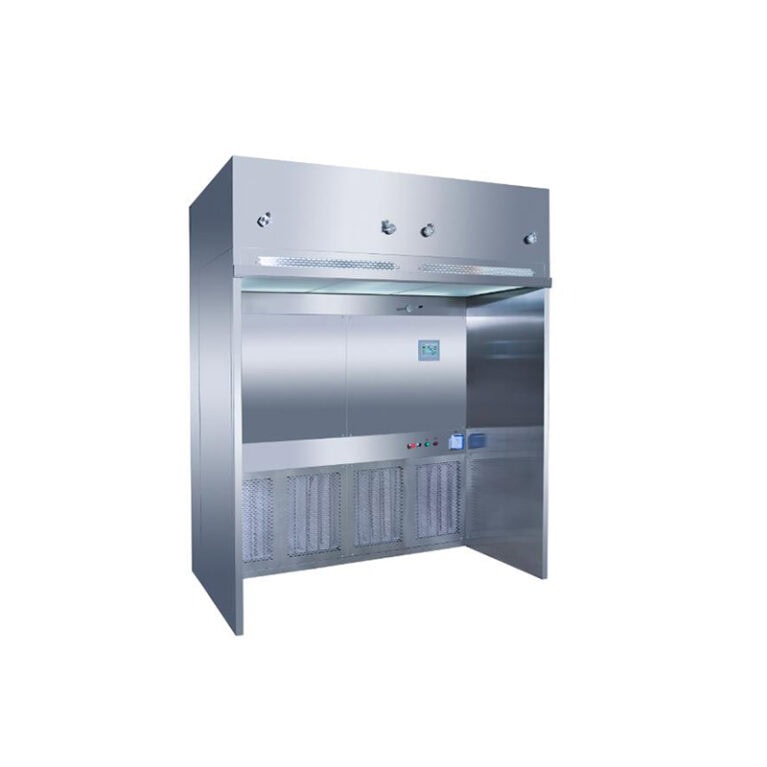
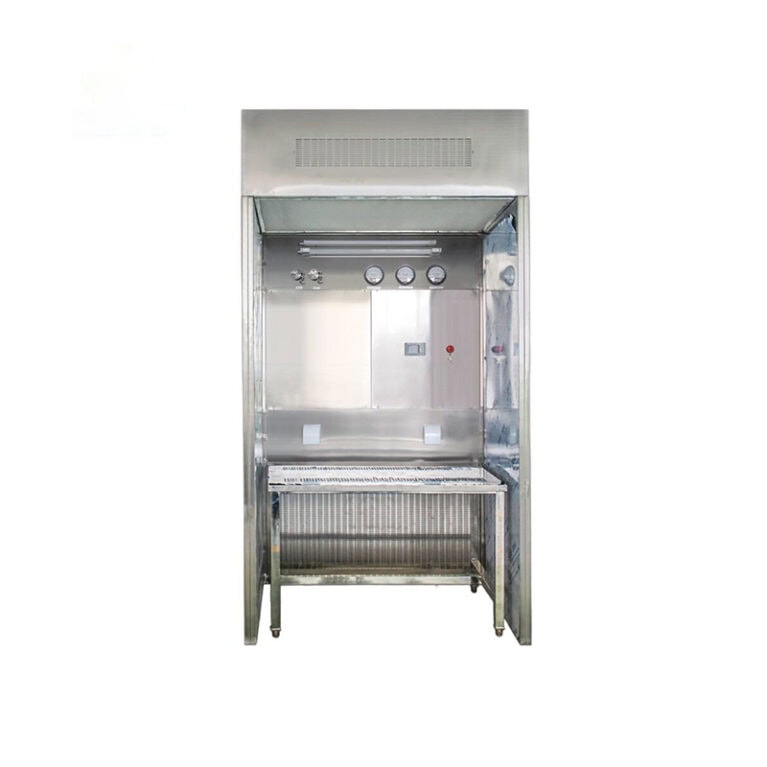
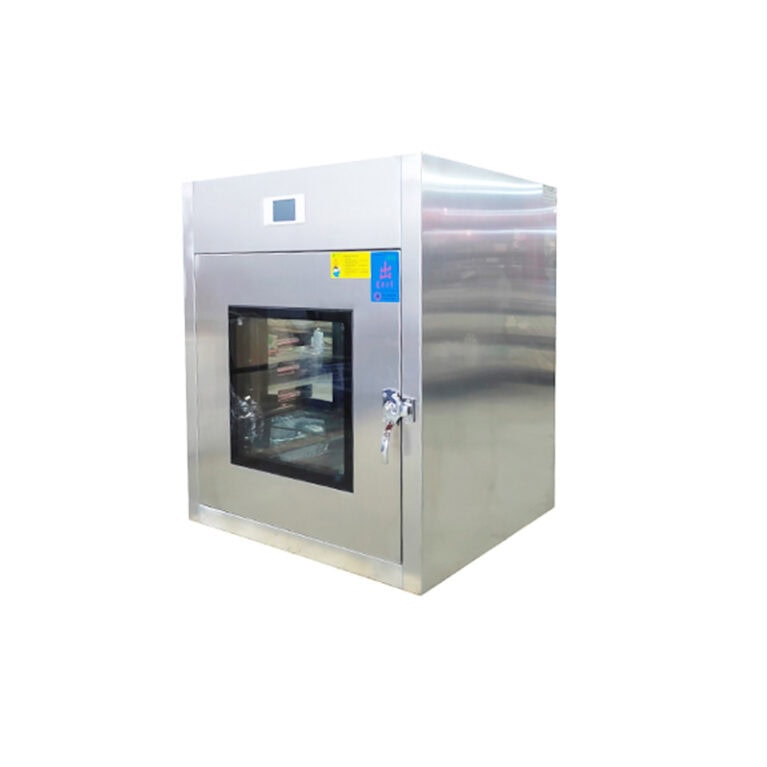
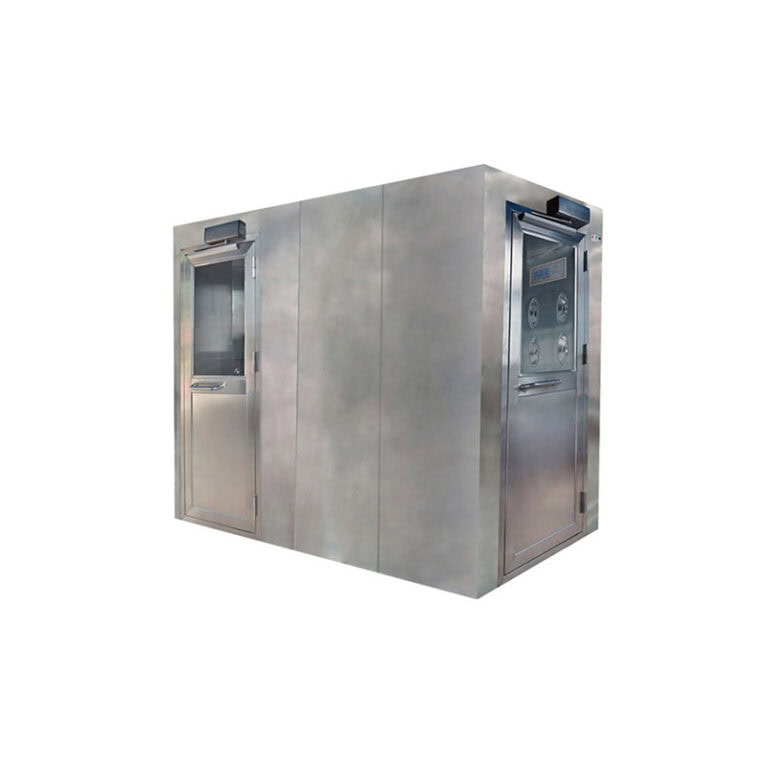
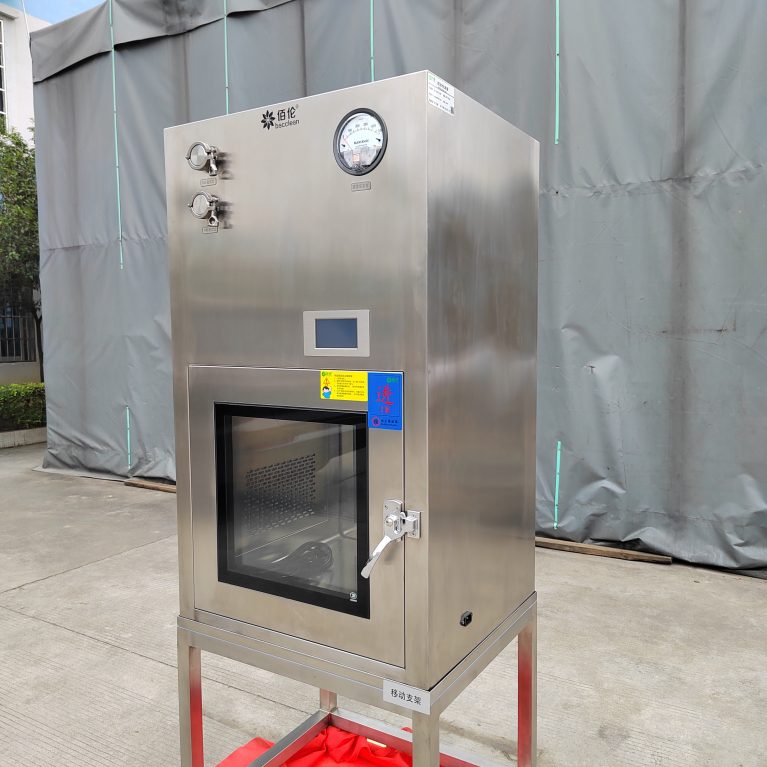
DOP transfer window workflow (including regular transfer + filter verification) The core of the DOP transfer window is used for material transfer in clean environments and integrity testing of HEPA high-efficiency filters. The workflow is divided into the “conventional material transfer process” and the “DOP leak detection verification process”. The specific operation norms are as follows: I. Conventional Material Transfer Process (Daily Core Usage Scenarios) Preparation stage: Confirm that the doors on both sides of the transfer window are closed, and the control panel display is normal (power supply, fan, and indicator lights have no faults). Check that the appearance of the HEPA filter is undamaged and that there are no foreign objects blocking the air outlet. Material placement: The operator opens the door on one side of the transfer window outside the clean area (or on the non-clean side), and steadily places the materials to be transferred into the interior of the cavity, ensuring that the materials do not block the air outlet and return air outlet to avoid affecting the air flow organization. Start purification: Close the side door (the door body locks automatically and the other side door cannot be opened to prevent cross-contamination of air), press
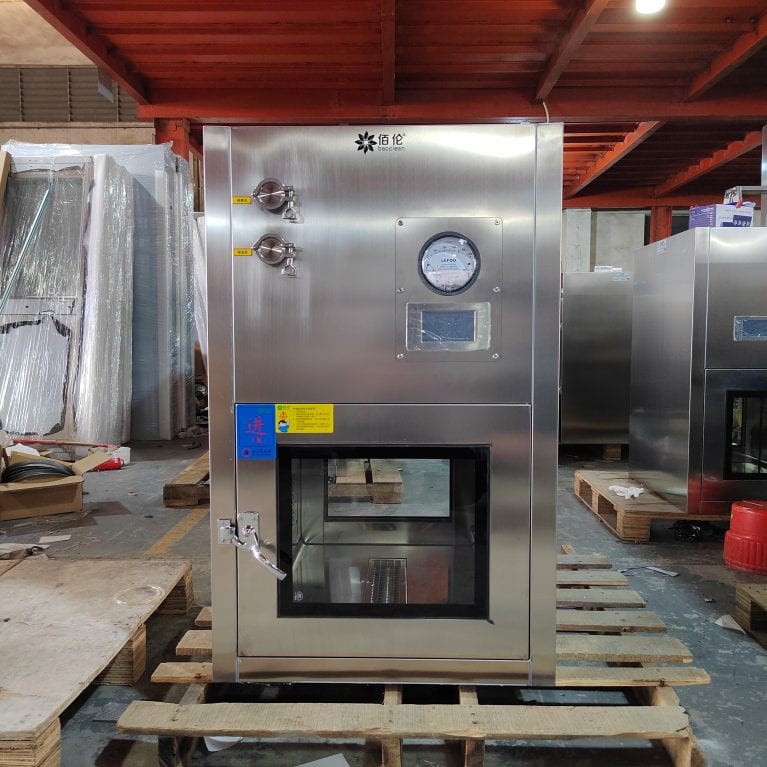
The VHP transfer window, with its strong sterilization ability, is suitable for scenarios with strict sterility requirements. The DOP transfer window focuses on particle filtration and filter leak detection, making it suitable for clean scenarios where dust control is needed but sterility is not required. The specific applicable scenarios of the two are as follows: VHP transfer window Biomedicine field: This is its core application area. High-level biosafety laboratories like P3 and P4 can be used to transfer headgear, laboratory vessels and reagents contaminated with pathogenic microorganisms, preventing the experimental environment from being contaminated. In pharmaceutical factories, it is suitable for the transfer of sterile raw materials, sterile preparations and related production containers, in line with the GMP standards for drug production, ensuring the sterility of the drug production process. It is also applicable to the material transfer in aseptic testing laboratories, positive control laboratories and other places. In the field of medical and health care: It can be used in operating rooms, intensive care units, negative pressure isolation wards and other areas of hospitals to transfer surgical instruments, ward supplies and emergency supplies, etc., reducing the risk of cross-infection between different areas. It can also be applied in intravenous
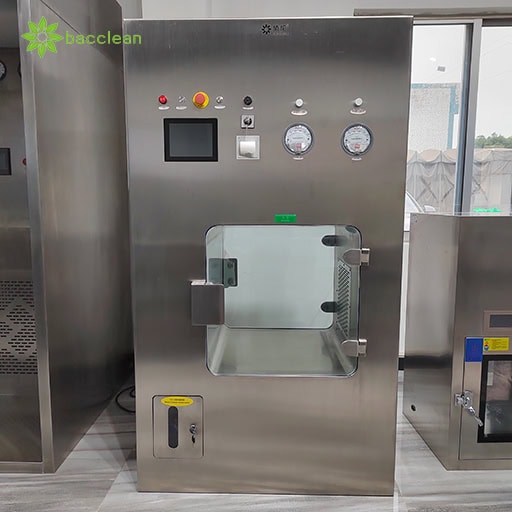
VHP transfer Window Sterilization Effect Verification Scheme (in compliance with GMP/ISO Standards) The verification of the sterilization effect of VHP transfer Windows is a core link to ensure the compliance of aseptic environments. It is necessary to confirm through quantitative index detection and process verification that its ability to kill microorganisms meets industry standards (such as aseptic requirements in the medical, pharmaceutical, food and other fields). The following is a systematic verification plan based on industry norms, including verification indicators, processes, methods and judgment criteria: I. Core Verification Indicators (Quantifying Sterilization Effects Verification should focus on three key indicators to ensure data traceability and repeatability: Microbial killing rate: ≥99.99% (i.e., 4-log level killing, targeting bacteria, fungi, viruses and other target microorganisms); Survival status of biological indicator (BI) : After verification, the biological indicator shows no survival (core determination basis). Sterilization uniformity: The sterilization effect at each key point within the transfer window (dead corners, areas blocked by materials) is consistent, with no sterilization blind spots. Ii. Preparations Before Verification 1. Verify tools and consumables Biological indicator (BI) : Geobacillus stearothermophilus spore strips/tablets are preferred (with strong resistance, D value 1.5-3.0 minutes, suitable for VHP sterilization verification), and the spore quantity
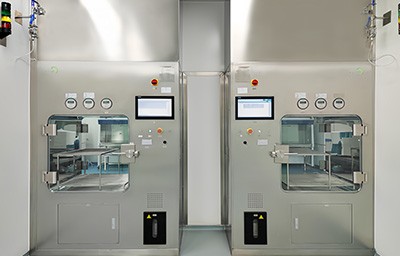
VHP (vaporized hydrogen peroxide) transfer Windows, as clean equipment that combines material transfer and efficient sterilization functions, are widely used in scenarios with strict requirements for microbial control due to their core advantages of no residue, broad-spectrum sterilization, and compatibility with clean environments. The core areas are as follows: 1. Biomedical and pharmaceutical industry It is applicable to scenarios such as raw material medicine workshops, formulation production lines, biological laboratories, and vaccine research and development bases, achieving aseptic transfer of materials between clean areas and non-clean areas, as well as between different levels of clean areas (such as D grade →C grade →B grade →A grade), avoiding cross-contamination, and meeting the requirements of GMP (Good Manufacturing Practice for Pharmaceuticals) for aseptic production environments. Typical applications: Aseptic transfer of culture media, reagents, packaging materials, laboratory consumables, semi-finished products/finished products, ensuring microbial control throughout the entire drug production process. 2. Medical health and hospital fields Focusing on core areas such as operating rooms, ICU, sterile wards, disinfection supply centers (CSSD), and laboratory departments, it is used for the sterile transfer of surgical instruments, sterile dressings, disposable medical supplies, specimen samples, and drugs, reducing the risk of nosocomial infections. Typical applications: Closed-loop transfer
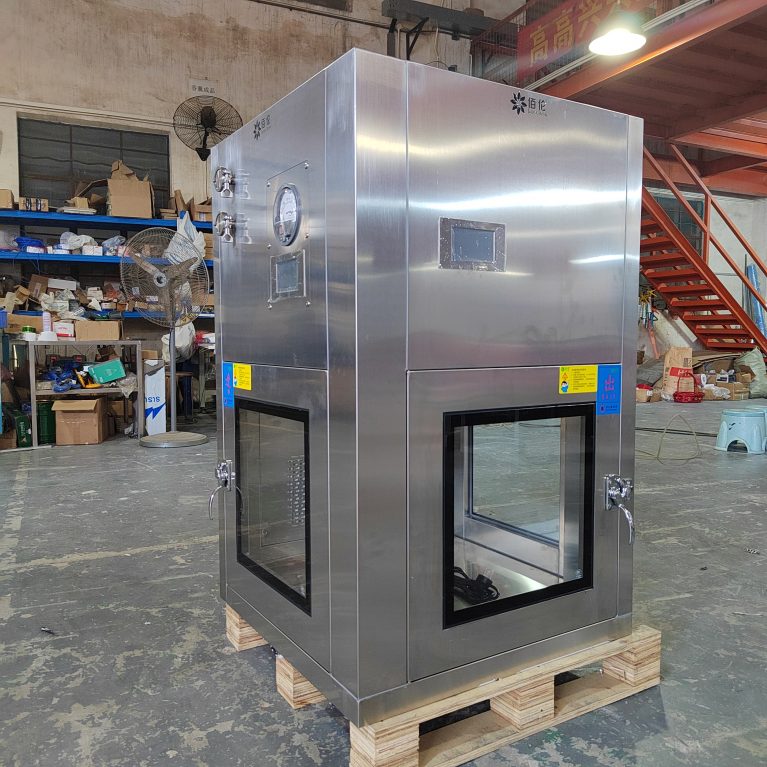
Core Precautions for the use of DOP laminar flow transfer Windows in the pharmaceutical industry The pharmaceutical industry has strict requirements for the cleanliness, sterility, and compliance of material transfer (which must meet standards such as GMP and ISO 13485). As a key clean barrier device, the standardized use of DOP laminar flow transfer Windows directly affects the quality of drugs and audit compliance. The following is a summary of the specific precautions for the pharmaceutical industry from four core dimensions: operation norms, compliance verification, maintenance and upkeep, and safety protection I. Operating Specifications: Strictly follow the aseptic transfer process 1. Preparation before material transfer Confirm the equipment status: After turning on the machine, it is necessary to run the laminar flow air supply for ≥30 minutes (to replace the residual air in the box), and check through the touch screen whether the wind speed (which needs to be stable at 0.3-0.5m/s and meet GMP requirements), interlock function, and disinfection module (such as ultraviolet) are normal. Material pretreatment: The raw materials, auxiliary materials, and packaging materials to be transferred need to be roughly cleaned outside the clean area in advance (to remove visible dust on the surface) to prevent a
Panoramic Analysis of the Core application Scenarios of Bacclean DOP laminar Flow transfer Window As a “clean barrier device” for material transfer in high-cleanliness fields, the DOP laminar flow transfer window is core adapted to scenarios where “strict control of particle/microbial contamination is required + compliance verification of the filtration system is needed”, focusing on the safe transfer of materials between clean areas and non-clean areas, as well as areas of different cleanliness levels. It covers high-cleanliness demand scenarios in multiple industries such as pharmaceuticals, electronics, healthcare, and food, as detailed below I. Pharmaceutical and Biopharmaceutical Industry (Core Scenarios) Sterile drug production workshop Applicable links: Raw material drug synthesis area, preparation filling workshop (water injection/powder injection/freeze-dried powder injection), aseptic packaging area, traditional Chinese medicine extraction and purification workshop Materials to be transferred: active pharmaceutical ingredients, pharmaceutical excipients, semi-finished products, packaging materials such as vials/rubber stoppers/aluminum caps, sampling tools, production molds, and sterile consumables Core requirements: Comply with the GMP’s mandatory requirement of “no cross-contamination during material transfer”, verify the effectiveness of high-efficiency filters through DOP testing, prevent microbial and dust contamination of drugs, and ensure sterility and quality stability 2. Biopharmaceutical and medical device production Applicable links: bioreactor supporting areas,
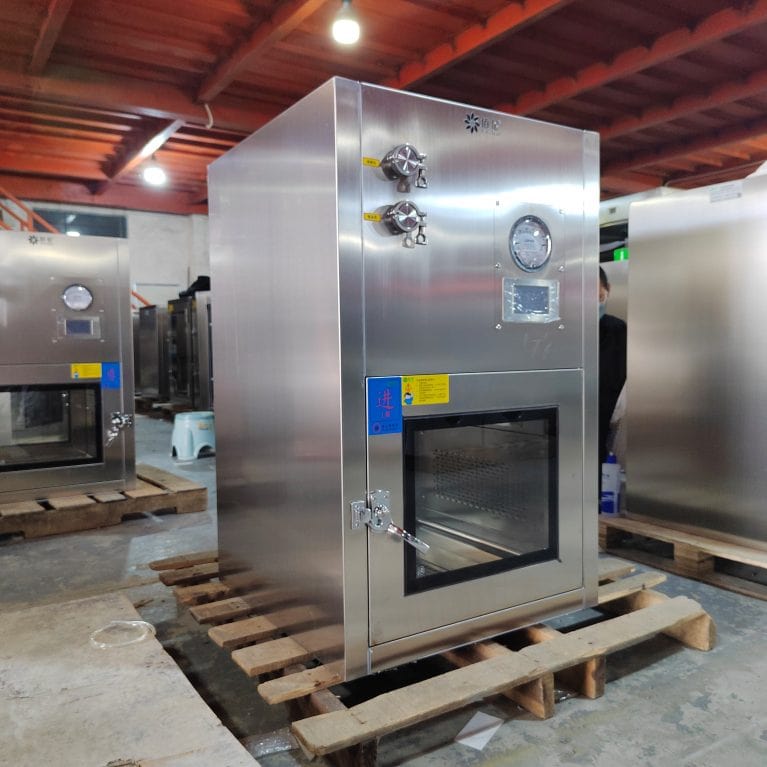
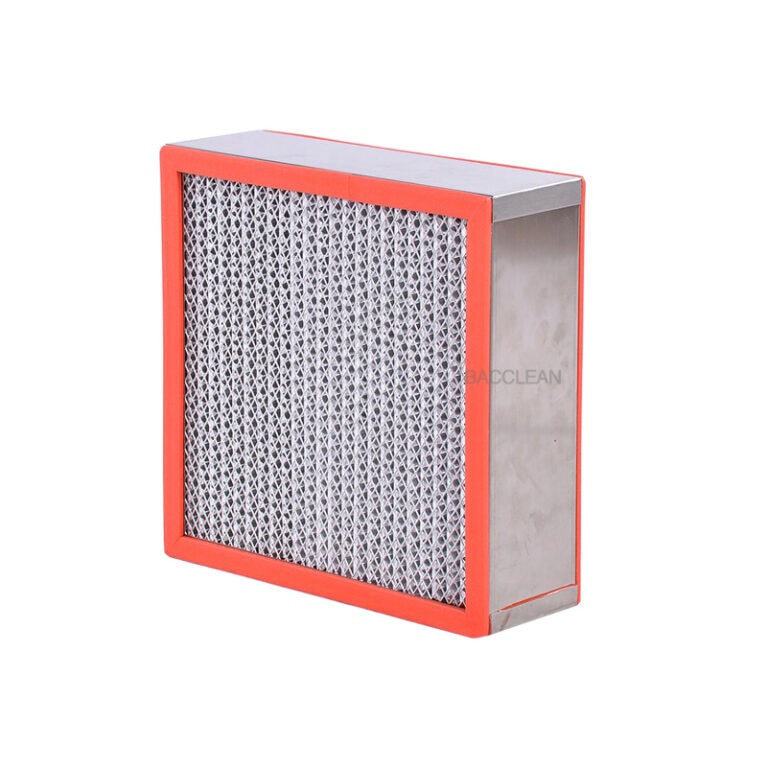
Analysis of Bacclean DOP Laminar Flow Transfer Window core advantages. As a key equipment for material transfer in high-cleanliness fields, the DOP laminar flow transfer window of Bailun Purification takes “compliance guarantee + efficient anti-pollution + stable operation and maintenance” as its core, integrating multiple industry-leading technologies. Its advantages are mainly reflected in five dimensions: filtration performance, detection and verification, anti-cross-contamination, compatibility and operation and maintenance costs. Fully meet the strict standards such as GMP and ISO 14644 1. Ultimate filtration performance, clean delivery with zero dead corners High-efficiency filtration system Equipped with Bacclean custom-grade HEPA/ULPA high-efficiency filters, the filtration efficiency reaches ≥99.97%@0.3μm (HEPA) or ≥99.999%@0.12μm (ULPA), effectively intercepts dust, microorganisms, ultrafine particles and other contaminants. Ensure that the cleanliness of the transmitted air flow reaches Class 100 (ISO 5) or above, and block the pollution path from the source. Stable laminar flow design: It adopts a top uniform flow membrane + double-sided return air structure, forming a vertical/horizontal unidirectional flow field. The air flow velocity is stable at 0.3-0.5m/s (meeting GMP requirements), with no vortices or dead corners. It can form a clean air flow barrier on the material surface to prevent the adhesion or diffusion of contaminants. Ultra-low
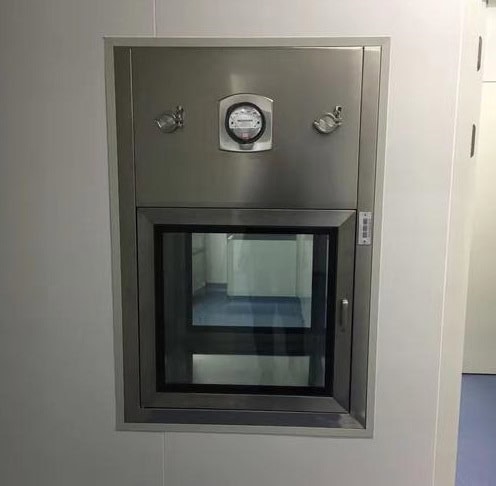
Analysis of the Core Application Fields of DOP Laminar Flow Transfer Windows As a clean transfer device with dual core functions of high-efficiency filtration and DOP integrity detection, the DOP laminar flow transfer window is primarily used in industries with stringent requirements for air cleanliness and particle control, and that require compliance verification. The core value lies in solving the cross-contamination problem during the material transfer process between “clean areas and non-clean areas/areas of different cleanliness levels”, while meeting the verification requirements for the effectiveness of filtration systems in industry standards such as GMP and ISO. The following are its main application fields and scenario characteristics: I. Pharmaceutical and Biopharmaceutical Industry (Core Application Areas) Applicable scenarios Pharmaceutical production workshops: raw material synthesis area, formulation filling area, sterile powder injection/water injection production area, traditional Chinese medicine extraction and purification workshop, etc., are used for the transfer of raw materials, excipients, semi-finished products, packaging materials (such as vials, rubber stoppers), and production tools (such as samplers, moulds). Biosafety laboratory: BLS-2/3 level laboratory, biological sample processing area, transfer cell culture dishes, reagents, sample tubes, and laboratory consumables to prevent the spread of bioaerosols. Medical device production: Sterile medical device (such as syringes and
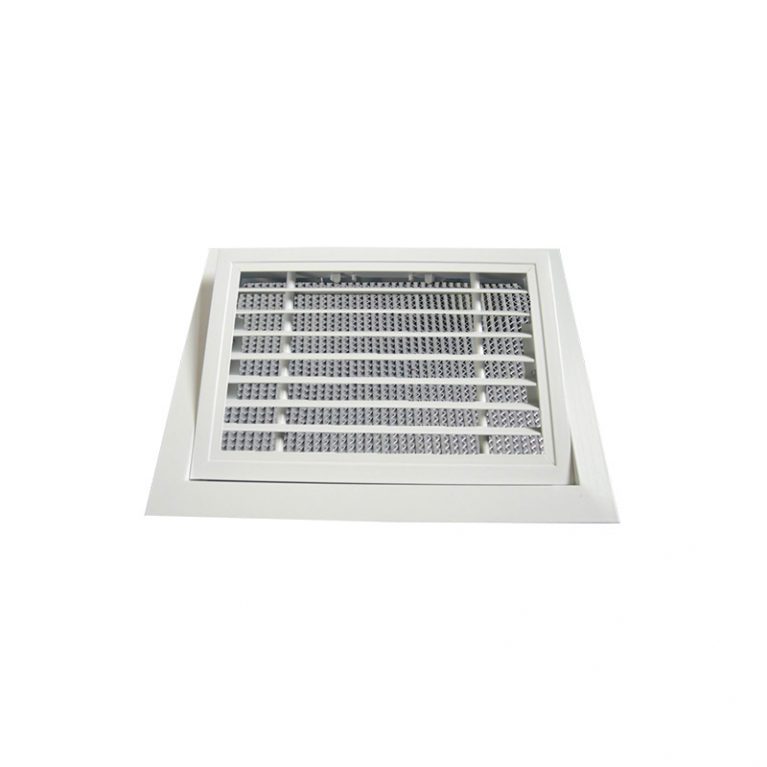
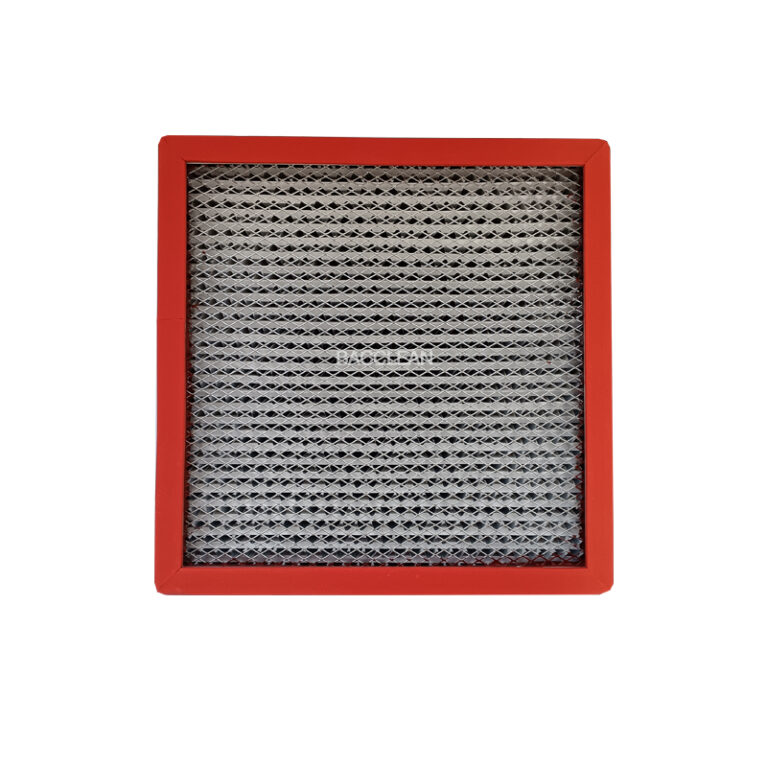
The resistance of the ultra-low resistance medium and high efficiency filtration unit (F7-F9 grades, resistance ≤ 60Pa@rated air volume) has a “non-absolute linear positive correlation” with the filtration efficiency – the core logic is: The improvement of filtration efficiency depends on the enhanced interception capacity of filter materials for particulate matter. However, the strengthening of interception capacity is inevitably accompanied by an increase in the resistance of air flow passage. But through technical design, the traditional shackles of “high resistance for high efficiency” can be broken, achieving a balance between “low resistance and high efficiency”. The following analysis is carried out from three aspects: principle, relationship characteristics, and technical optimization direction I. Core Principle: The Intrinsic Relationship between Resistance and Filtration Efficiency The resistance of the filter unit is essentially the energy loss when air flows through the filter material and structure. The filtration efficiency is the proportion of particles (≥0.5μm) intercepted by the filter material. The connection between the two stems from the “interception mechanism” of the filter material: The implementation path of filtration efficiency The filtration mechanism of high and medium-efficiency filter units mainly consists of “interception, inertial collision, and diffusion” (F7-F9 levels), supplemented by “electrostatic adsorption” through
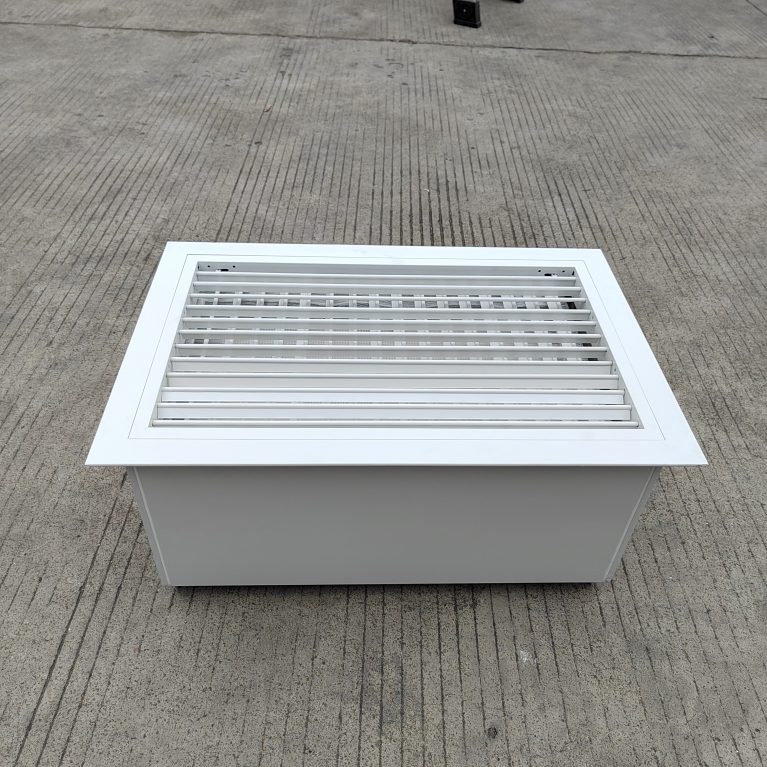
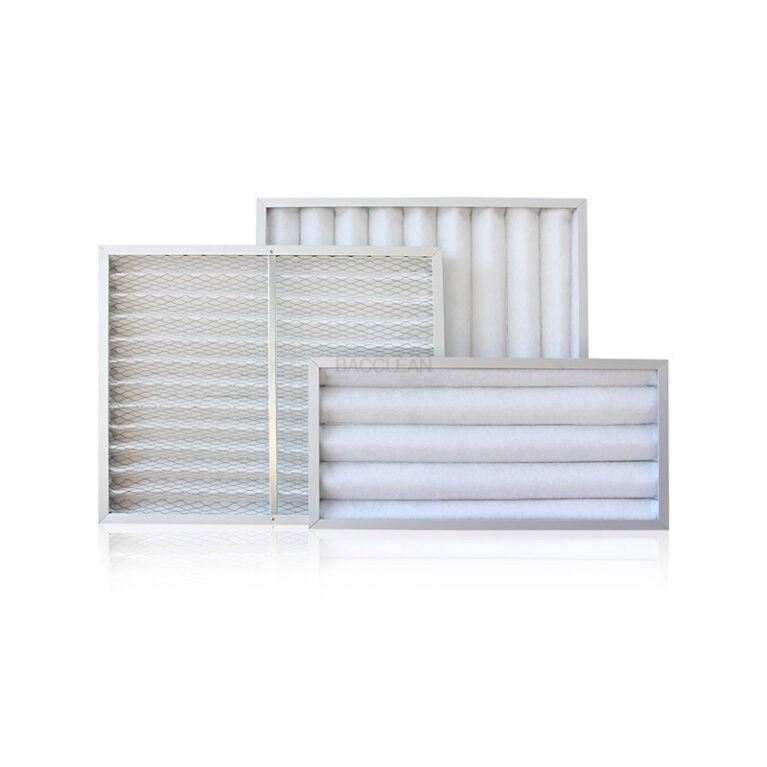
Analysis of Core Application Scenarios of Ultra-Low Resistance High and Medium Efficiency Filtration Units (F7-F9 grades The ultra-low resistance high and medium efficiency filtration unit features “low initial resistance (≤60Pa), high filtration efficiency (80%-95%@0.4μm), low energy consumption, and long service life” as its core advantages. Its application scenarios focus on air purification systems that have clear requirements for purification efficiency and attach importance to system energy consumption, operation and maintenance costs, and air volume stability. It covers multiple fields such as industrial cleanliness, commercial buildings, medical and health care, and rail transit. The specific scenarios and adaptation logics are as follows: I. Industrial Clean Field: The core choice for efficient purification and energy-saving operation and maintenance Industrial scenarios have strict requirements for controlling air particulate matter (to avoid product contamination and equipment wear), and the system operates continuously for a long time. The ultra-low resistance feature can significantly reduce energy consumption and replacement costs, making it an ideal solution for medium and high-end industrial cleanliness. Pre-treatment/intermediate filtration section of clean workshop Applicable scenarios: Clean workshops in electronic semiconductors (chips, PCB boards), precision machinery manufacturing, automotive painting, photoelectric display (LCD/OLED), new energy (battery materials, photovoltaic modules), etc. (ISO 7-8 grade, 10,000
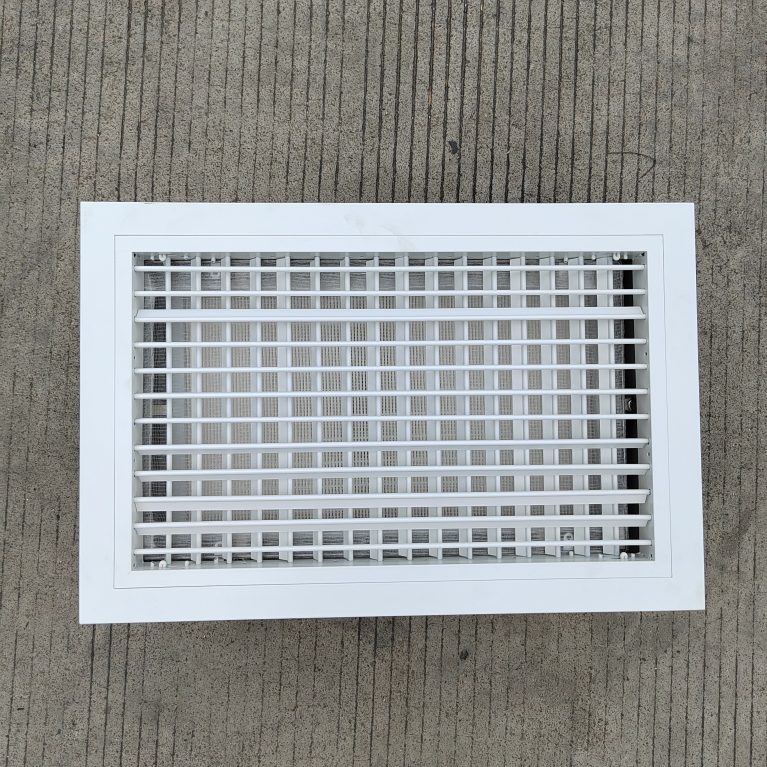
The service life of ultra-low resistance medium and high efficiency filter units (F7-F9 grades, resistance ≤ 60Pa@rated air volume) has no fixed standard. It mainly depends on three key factors: usage environment, operating parameters, and maintenance methods. The industry’s conventional service life is 6 to 18 months, and under optimized conditions, it can be extended to 24 months. Under harsh conditions, it may be shortened to 3 to 6 months. The following is the specific analysis: I. Core Influencing Factors (The Key to Determining Service Life The pollution concentration of the usage environment (the most crucial factor) Clean environment (such as electronic factories, data centers, high-end office buildings) : The concentration of particulate matter in the air is low (≥0.5μm particulate matter ≤10⁵ particles /m³), the load on the filter unit is small, and the dust-holding capacity can be fully released. The service life is usually 12 to 18 months, and in some scenarios (such as pre-treatment in clean rooms), it can be extended to 24 months. General environments (such as ordinary office buildings, food processing workshops, and non-clean areas of hospitals) : The particulate matter concentration is medium (10⁵-10⁶ particles per cubic meter of particles ≥0.5μm), and the service
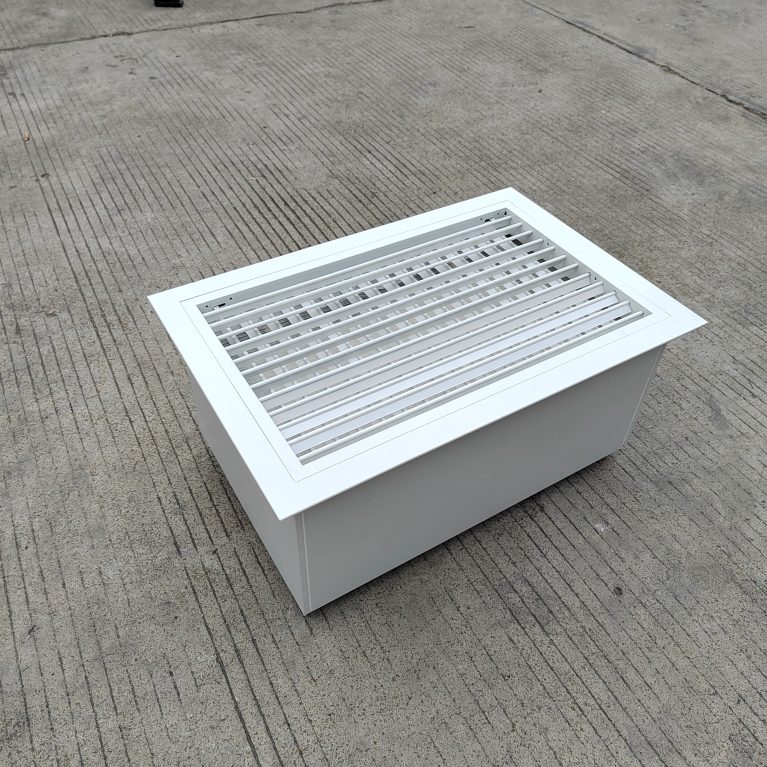
I. Cleanrooms and Industrial Manufacturing Fields As a core filtration component in industrial clean environments, ultra-low resistance and high-efficiency filtration units, with their advantages of low air resistance and high dust-holding capacity, are widely adapted to various precision manufacturing scenarios. In the electronic semiconductor industry, clean workshops (Class 1000-Class 10000) for chip manufacturing, PCB production, and semiconductor packaging use these filtration units to intercept particles larger than 0.5μm. This reduces air conditioning energy consumption by 20%-30% compared to traditional units and prevents circuit short circuits and loss of photolithography accuracy due to dust. In precision machinery and automotive manufacturing, these filtration units serve high-end machine tool workshops, automotive electronic production lines, and clean engine assembly areas by filtering metal chips, oil mists, and dust. This ensures precision, assembly reliability, and extends equipment life. Medical device and pharmaceutical industry: Applied in clean workshops for medical devices (such as surgical instrument production, assembly of implantable medical devices), API (Active Pharmaceutical Ingredient) production areas in the pharmaceutical industry, and formulation workshops, it complies with GMP standards, intercepts microorganisms, dust, and fiber impurities, and ensures the sterility and purity of products. Ii. HVAC and Building Ventilation fields Focus on the ventilation
