
System Composition of FFU
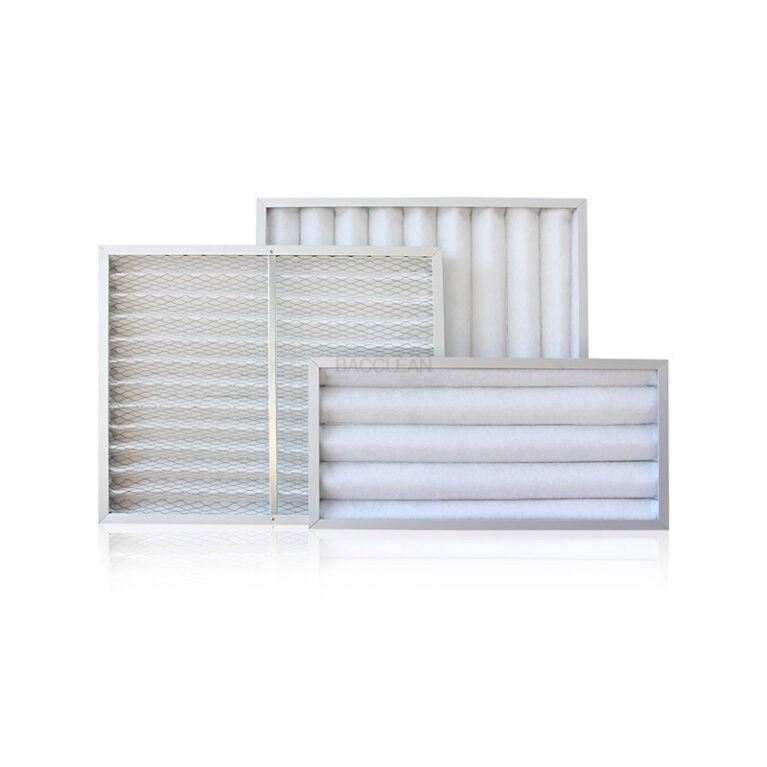
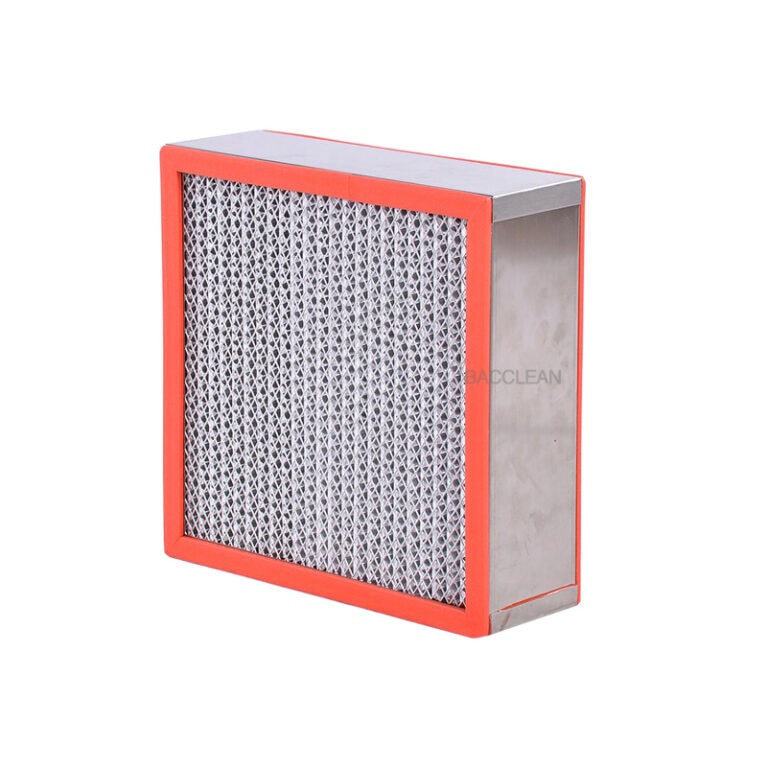
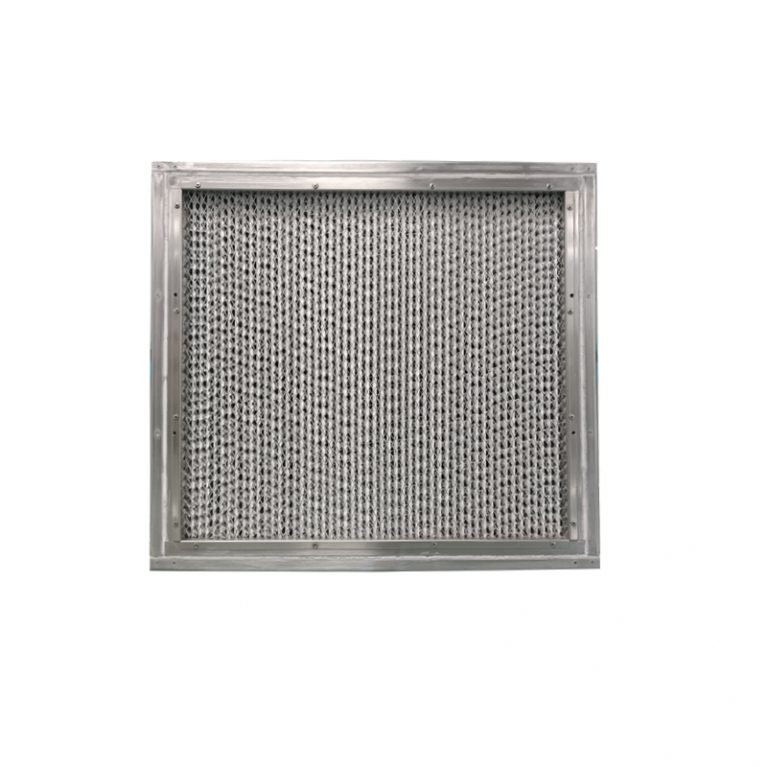
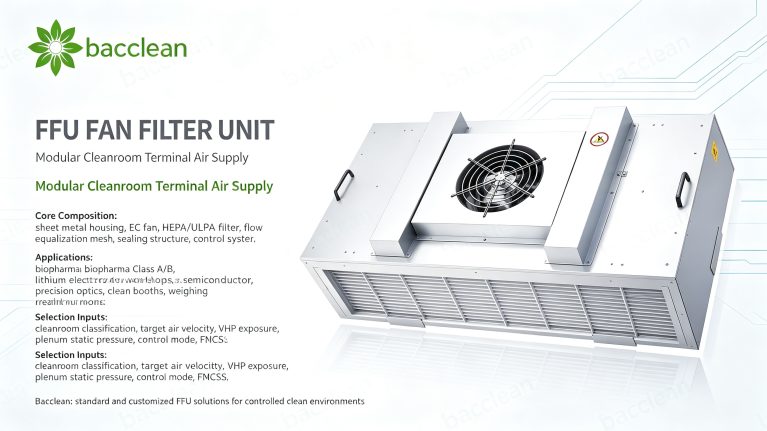
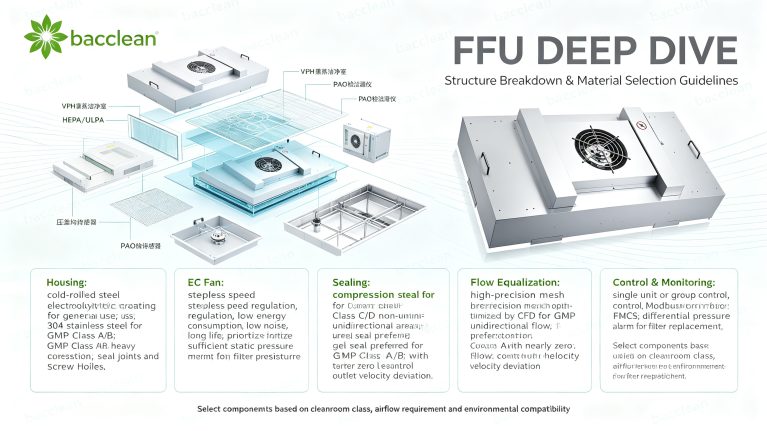
Sheet metal housing, fan module, HEPA/ULPA filter, sealing structure, flow equalization mesh, control system, differential pressure monitoring module. Basic input parameters must be confirmed before design: cleanroom classification, GMP Class A/B unidirectional flow requirement, target air velocity, VHP hydrogen peroxide fumigation, plenum static pressure above ceiling, power supply, control mode (single unit / group control), FMCS plant management system connection, material and sealing requirements.
1. Housing Material
Two major housing categories, not interchangeable for different working conditions.
-
Cold-rolled steel with electrolytic coating: Cost-effective and mature processing. Suitable for lithium, semiconductor and general electronic clean workshops. Not applicable for GMP aseptic zones with frequent VHP fumigation. Coating will discolor and powder under repeated high-concentration hydrogen peroxide exposure.
-
304 stainless steel housing: 1.0~1.2mm plate, smooth surface and minimal gaps. Resistant to repeated wiping and fumigation with alcohol and hydrogen peroxide. Applied in pharmaceutical and medical device GMP Class A/B cleanrooms. 316L stainless steel optional for heavily corrosive environments, with higher cost.
Engineering Pitfall: GMP projects cannot judge housing quality merely by appearance. Sealing must be applied to housing joints and screw holes to prevent contaminated air from the ceiling plenum infiltrating into clean areas.
2. Fan Module
The power core of FFU, determining air volume, static pressure, energy consumption and noise. EC brushless DC fans are mainstream, with prominent advantages over traditional AC fans: stepless speed regulation, low power consumption, low heat generation, long service life and 0~10V analog signal control. Selection priority: Sufficient static pressure margin. As filter resistance rises with dust accumulation, insufficient static pressure will lead to rapid air volume drop and degraded cleanroom cleanliness once the filter is slightly clogged. Many low-cost FFUs adopt under-rated fans, which pass commissioning tests but suffer severe performance degradation after months of operation. CFD simulation is required for impeller and air duct design to reduce vortex noise. High-spec projects need vibration control to avoid vibration transmission to precision production equipment via ceiling.
3. Filter & Sealing Solution
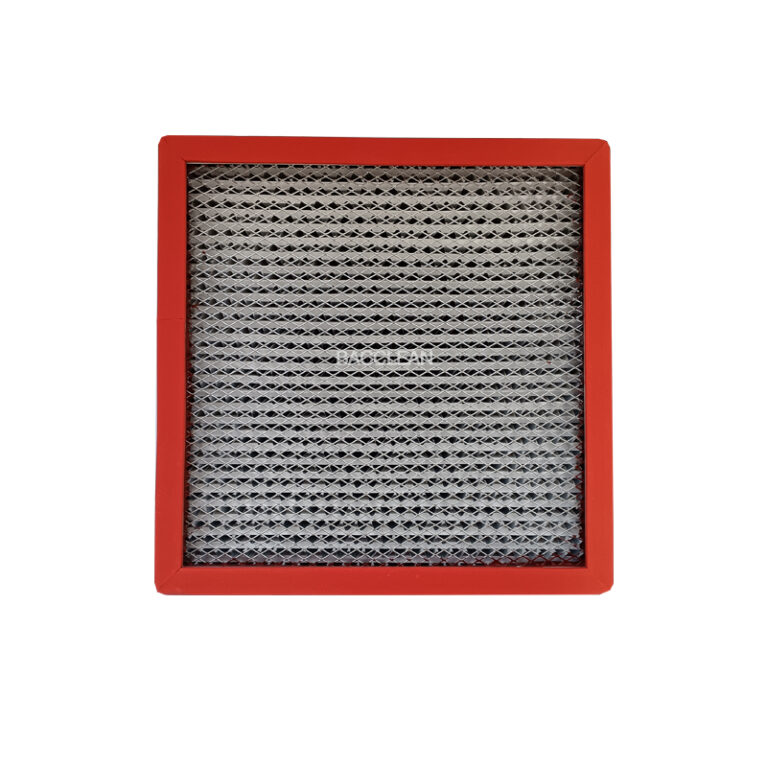
The most common source of hidden FFU failures. Two mainstream types: compression sealing and gel seal.
-
Compression sealing: Filter frame fixed by compression fittings. Simple structure and low cost. Suitable for Class C/D, ISO 7 and below non-unidirectional flow areas. Compression force decays over time under fan vibration and temperature fluctuation, bringing leakage risk. Not recommended for Class A/B unidirectional flow zones.
-
Gel sealing: Filter inserted into a trough filled with inert gel for full perimeter immersion sealing. Ultra-high sealing reliability with nearly zero leakage. Supports on-site PAO aerosol leak test from cleanroom side. Filter replacement can be completed inside cleanroom without entering ceiling plenum. The preferred solution for GMP Class A/B unidirectional flow zones, with higher cost.
Engineering Pitfall: Compression-sealed FFUs used in Class A zones will almost certainly fail PAO leak tests and validation.
4. Flow Equalization Mesh
Directly affects air velocity uniformity across outlet face. Even with adequate fan airflow, poor flow equalization will cause high velocity in center and low velocity at edges, generating vortex and breaking laminar flow. GMP Class A unidirectional flow requires high-precision flow equalization mesh optimized by fluid simulation to control velocity deviation. Standard flow equalization mesh is acceptable for general industrial applications.
5. Control System
Single unit control: For small-scale FFU projects, local speed adjustment for each unit. Group centralized control: For large workshops with massive FFUs, supporting grouped speed adjustment, start/stop, real-time status monitoring and fault alarm. GMP project control system needs fault log storage and Modbus protocol for FMCS integration. Simple control boards are only for non-audit industrial projects.
6. Differential Pressure Monitoring Module
Differential pressure sensor monitors pressure drop across filter to reflect clogging status and trigger alarm at final resistance. Time-based filter replacement is not recommended. GMP projects shall integrate differential pressure data into monitoring system.
Common FFU Engineering Faults, Root Causes & Rectification
-
Filter frame leakage and excessive particle count Root cause: Wrong sealing type, insufficient compression force, damaged gel, cracked filter frame. Rectification: Replace with gel-sealed FFU for Class A/B zones; repair compression assembly; renew damaged gel or filter; perform PAO leak test.
-
Uneven outlet velocity, vortex and damaged unidirectional flow Root cause: Missing or low-grade flow equalization mesh, mismatched fan static pressure, improper FFU layout spacing. Rectification: Install high-precision flow equalization mesh; verify fan static pressure; adjust FFU layout and conduct CFD flow simulation.
-
High operating noise Root cause: Improper fan selection, missing fan shock absorber, air duct resonance, ceiling structural resonance. Rectification: Replace low-noise EC fan; add shock absorption components; reinforce sheet metal to eliminate resonance.
-
Fast filter clogging and rapid airflow decay Root cause: Insufficient fan static pressure margin; no pre-filter in ceiling plenum; lack of differential pressure monitoring. Rectification: Select high-static-pressure EC fan; add pre-filter in plenum; deploy differential pressure alarm.
-
FFU failure after VHP fumigation Root cause: Powder-coated housing; fan circuit board, sensors and seals not resistant to hydrogen peroxide. Rectification: Specify VHP-resistant components for fumigation conditions; upgrade housing to stainless steel.
-
Unable to perform on-site PAO leak test Root cause: No upstream aerosol injection port; filter can only be replaced from ceiling plenum. Rectification: Replace with gel-sealed FFU allowing downward PAO test for GMP Class A/B zones.
-
Unstable FFU group control & communication interruption Root cause: Non-standard wiring, mismatched controller protocol, missing shielding for electromagnetic interference. Rectification: Standard shielded cable wiring with grounding; verify protocol parameters and repair control modules.

FFU Layout Design Points
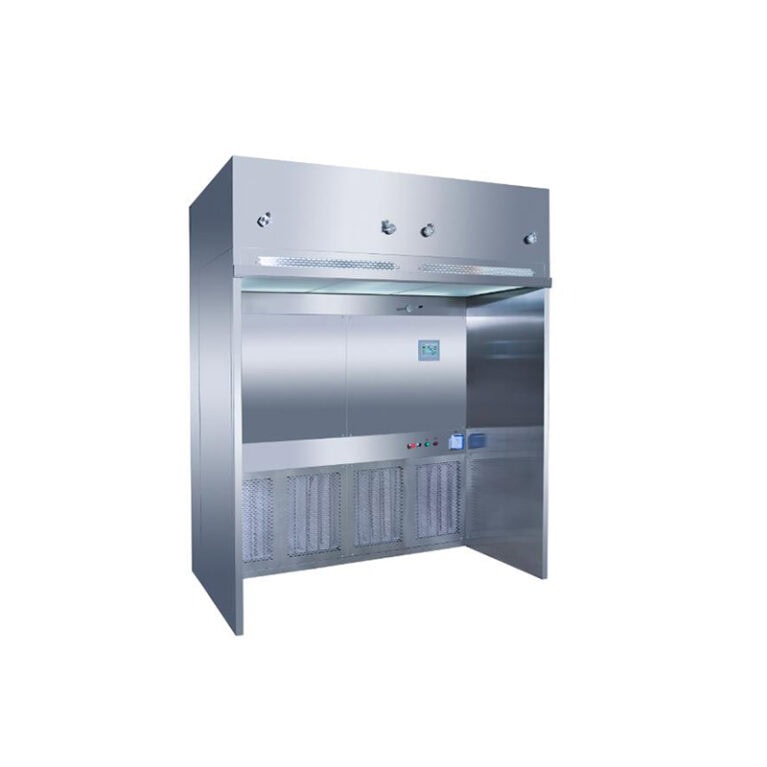
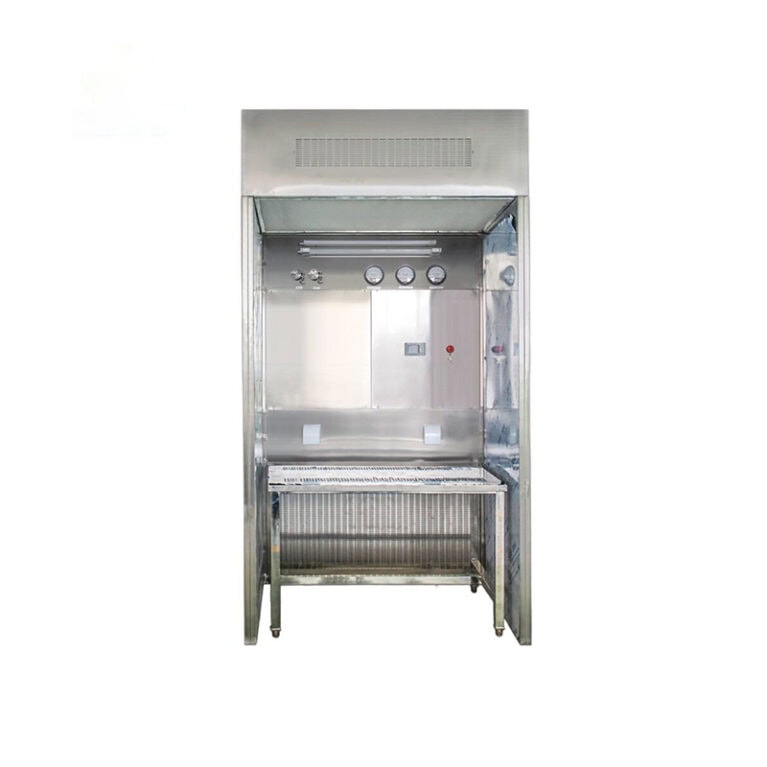
For unidirectional flow zones: Calculate FFU quantity and spacing to meet specified average air velocity. For non-unidirectional cleanrooms: Calculate total air volume by air change rate to confirm FFU quantity. Clean booth and weighing room FFU selection shall consider space limits, slim FFU optional.
Mandatory Acceptance Items on Site
Housing appearance and sealing inspection; multi-point air velocity measurement on outlet face; noise test; PAO leak test (mandatory for GMP projects); differential pressure alarm test; control system and communication joint debugging; material compatibility verification for VHP environment.
Many purchasers oversimplify FFU as fan + filter assembly and only focus on standalone air volume and price, ignoring static pressure margin, sealing type, flow equalization structure and material compatibility. FFU overall performance relies on coordinated matching of all components. Qualified individual parts do not guarantee qualified complete unit. Bacclean supplies standard FFUs, and provides customized FFUs for GMP gel sealing, explosion-proof, slim and export projects, together with complete testing and validation documents.
