
1. Classification Standard and Filtration Principle
According to EN1822, H10, H11 and H12 are tested at the Most Penetrating Particle Size (MPPS), with both total efficiency and local efficiency assessed:
-
H10: Total efficiency ≥85% at MPPS
-
H11: Total efficiency ≥95% at MPPS
-
H12: Total efficiency ≥99.5% at MPPS
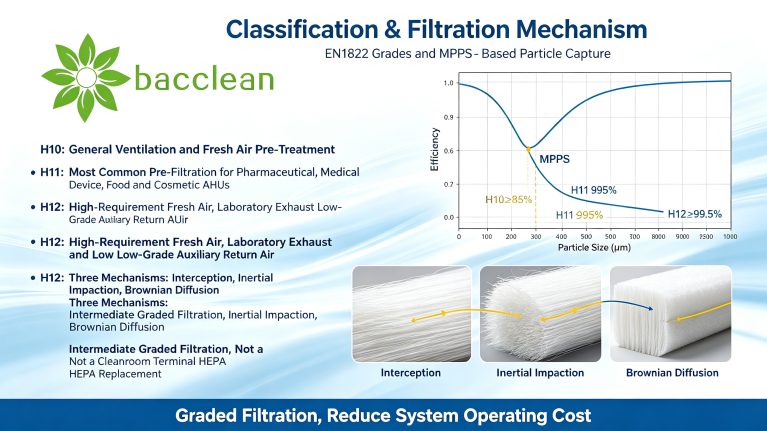
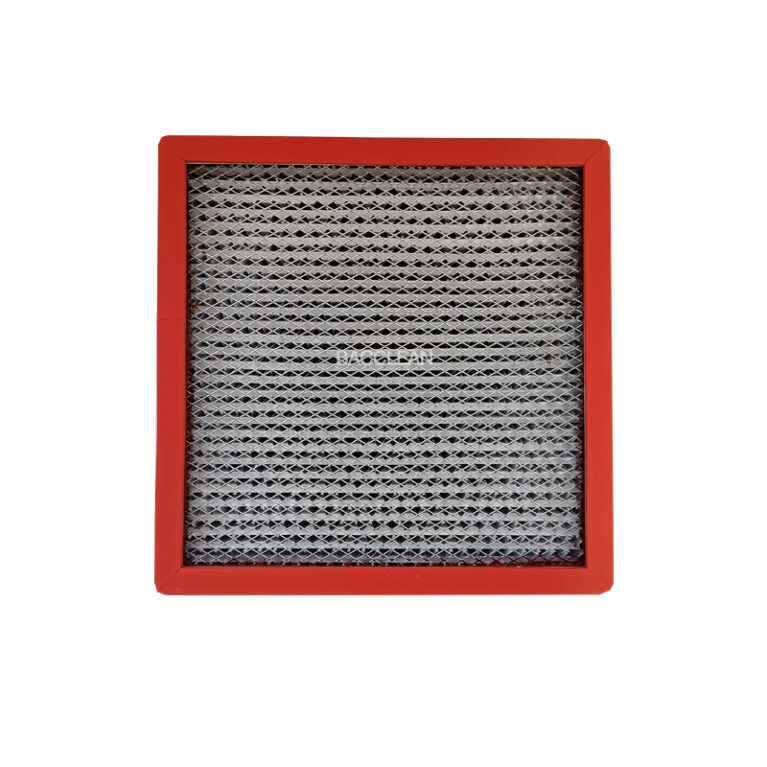
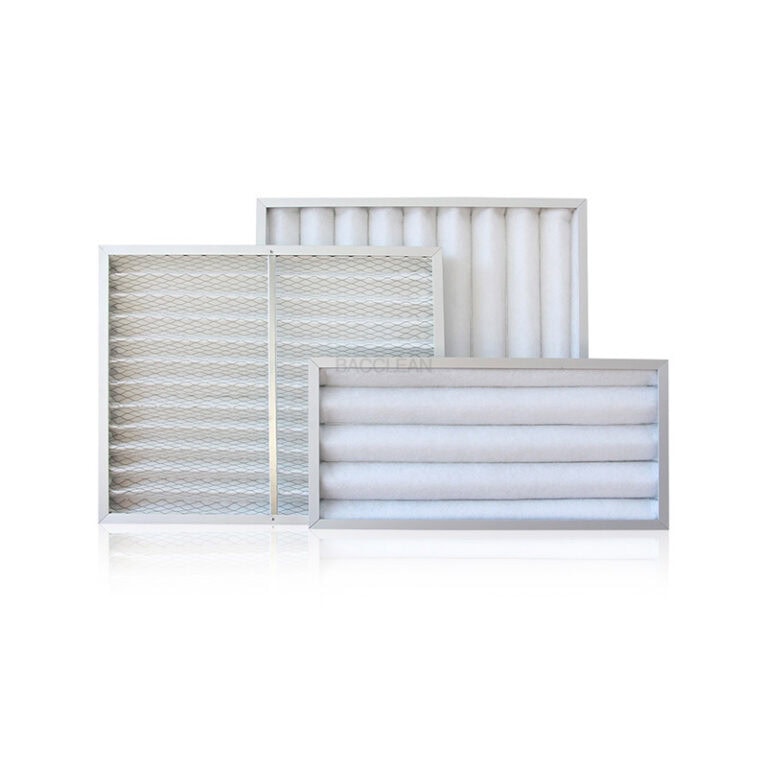
The filtration mechanism is the same as HEPA filters, capturing particles via interception, inertial impaction and Brownian diffusion. Compared with medium filters, they deliver markedly better capture performance for submicron particles. Compared with H13 and higher HEPA filters, they have lower filtration efficiency, lower operating resistance and larger dust holding capacity. Two mainstream filter media are available: glass fiber media with stable performance and good temperature resistance; composite chemical fiber media with low resistance, and some types are washable for general industrial ventilation scenarios.
2. Structural Forms and Installation Methods
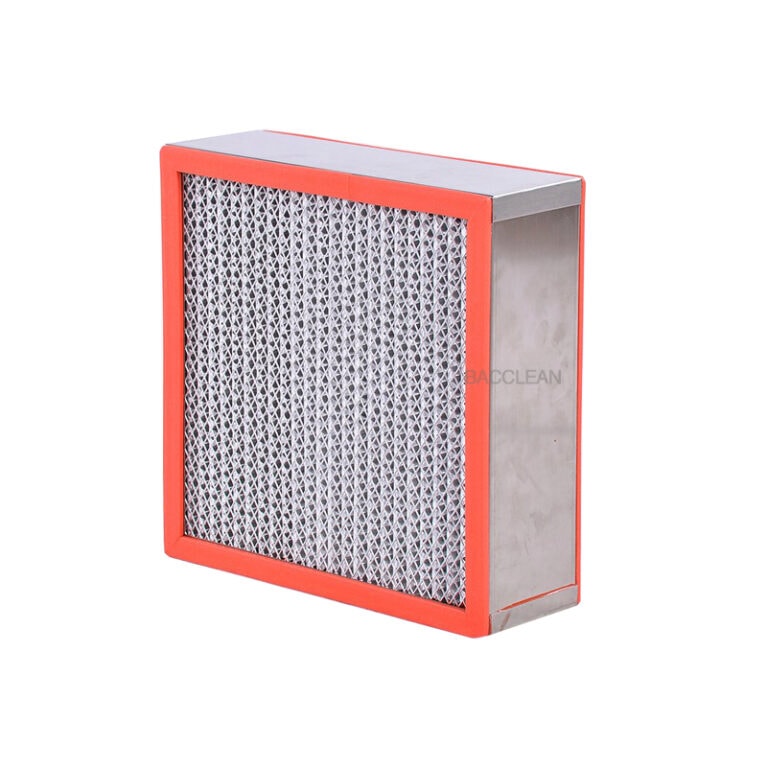
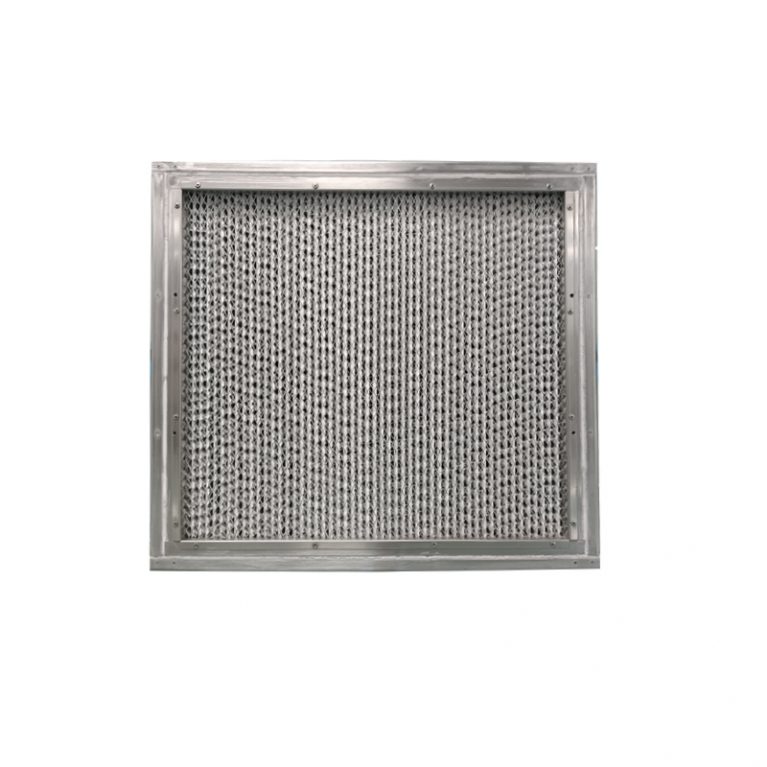
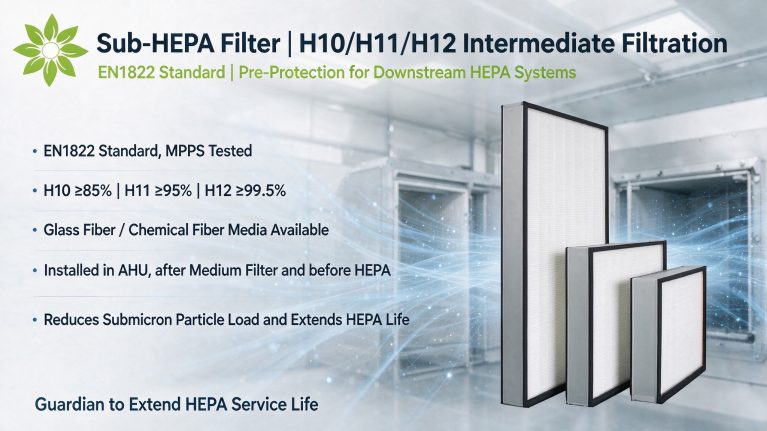
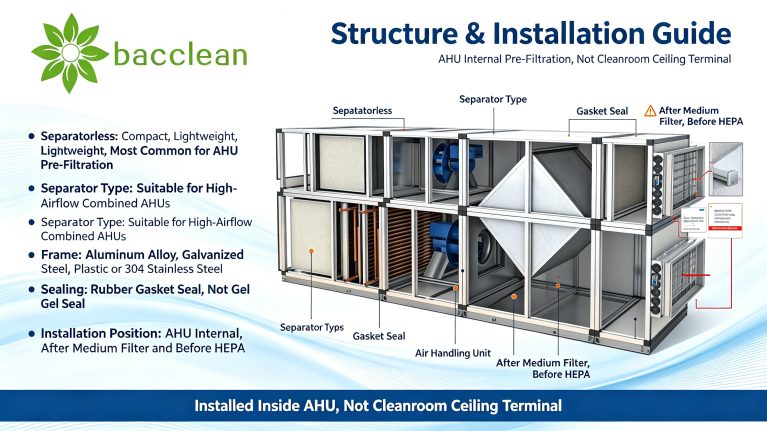
Sub-HEPA filters are mainly divided into separator and separatorless types, among which separatorless models are more widely used for compact structure and small installation space. Separator types are suitable for high-airflow conditions and deployed in large combined air handling units. Frame options include aluminum alloy, galvanized steel and plastic. 304 stainless steel frames are selected for humid and corrosive environments. Sealing mostly relies on rubber gaskets; gel sealing is rarely adopted, which is reserved for downstream H13/H14 HEPA filters. They are generally installed inside air handling units, after medium filters and before HEPA filters. Some are arranged on return air ducts or fresh air branch pipes for pre-filtration at key positions. They are not ceiling terminal equipment and will not be installed inside air supply outlets or FFUs.
3. Application Scenarios and Grade Selection
-
H10: For ordinary ventilation and fresh air pretreatment of general workshops, serving as supplementary filtration after medium filters, suitable for workshop ventilation systems with low dust concentration and no strict cleanliness requirements.
-
H11: The most commonly used sub-HEPA grade for purification air conditioning. It is adopted in the pre-filtration section of air conditioning units for pharmaceutical, medical device, food and cosmetic cleanrooms to protect downstream H13/H14 HEPA filters, slow down dust accumulation and reduce replacement frequency.
-
H12: Close to the threshold of HEPA filters. Suitable for clean air conditioning requiring high fresh air quality, laboratory exhaust filtration and partial process exhaust treatment. It can also be used for return air filtration in some low-grade auxiliary clean spaces, but still cannot replace H13 as terminal filtration.
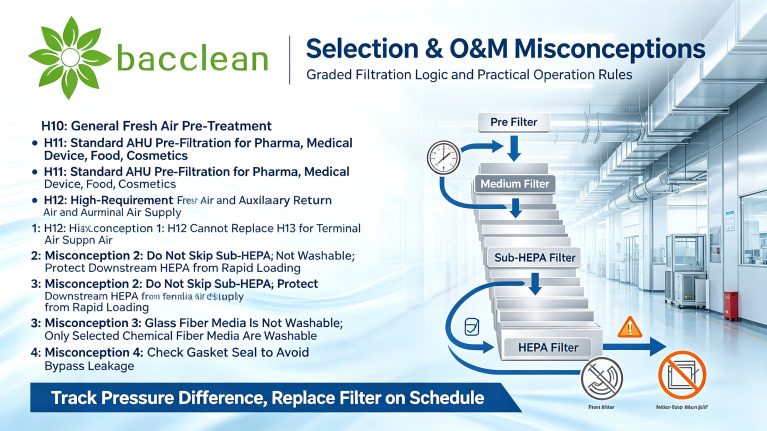
It is an intermediate part of graded filtration. A standard fresh air path for purification air conditioning: Pre-filter → Medium filter → Sub-HEPA filter → HEPA filter. Particles are intercepted layer by layer to prevent fine particles from impacting HEPA filters directly and control the operating cost of the whole system. It should be clearly noted that sub-HEPA filters cannot control airborne and settleable microorganisms to meet GMP cleanroom standards and cannot be used independently as terminal filtration for clean rooms.
4. Core Selection Parameters
-
Filtration Grade: Select H10, H11 or H12 as required, confirm the test complies with EN1822.
-
Rated Airflow and Initial Resistance: The resistance of sub-HEPA filters is far lower than that of H13/H14 HEPA filters. The resistance of sub-HEPA filters shall be included in duct resistance calculation during air conditioning system design.
-
Filter Media Characteristics: Glass fiber versions have stable performance and are non-washable; chemical fiber versions feature low resistance, and some support repeated washing for ventilation systems with high replacement frequency.
-
Frame and Sealing: Aluminum alloy frames are sufficient for conventional working conditions. Stainless steel frames are used for environments with high humidity and disinfection steam. Check the integrity of gasket sealing to reduce bypass air leakage.
-
Temperature and Humidity Resistance: For air handling units with large temperature and humidity fluctuations, the filter media and adhesive layer shall adapt to working conditions to avoid degumming and filter damage.
-
Dust Holding Capacity: Larger dust holding capacity means longer replacement cycle, ideal for fresh air systems with high dust load.
5. Common Misconceptions in Design and Operation & Maintenance
Misconception 1: Using H12 sub-HEPA filters to replace H13 HEPA filters for terminal air supply. Even though H12 has relatively high efficiency, it still fails to meet the requirements of cleanroom terminals, and it is hard to pass acceptance for ISO8 and above cleanliness standards in terms of particle and microorganism indicators.
Misconception 2: Omitting the sub-HEPA filtration section. Some projects skip this section to cut costs, connecting medium filters directly with HEPA filters. A large number of submicron particles rush into HEPA filters, which get clogged rapidly and frequent replacement raises maintenance costs instead.
Misconception 3: Assuming all sub-HEPA filters can be washed and reused. Glass fiber sub-HEPA filters are non-washable; washing will destroy the fiber structure and lead to sharp efficiency attenuation. Only specific chemical fiber models support washing.
Misconception 4: Ignoring bypass air leakage. Poor sealing during installation inside air handling units causes airflow to bypass filter media, rendering sub-HEPA filters ineffective and downstream HEPA filters clogged quickly.
Daily O&M Guidelines: Record pressure difference regularly and replace filters once the final resistance is reached. Inspect the cleanliness inside the air handling unit during replacement to avoid secondary dust dispersion. Confirm the filter media type; glass fiber types must not be washed. Check sealing gaskets after new filter installation to eliminate air leakage.
Conclusion
H10~H12 sub-HEPA filters are pre-protection units in the graded filtration system of purification air conditioning, positioned after medium filters and protecting downstream HEPA filters. Their core value is intercepting most submicron particles, lowering the dust load of HEPA filters, extending their service life and balancing the operating resistance and maintenance cost of the whole purification system. Select H10, H11 or H12 according to fresh air dust concentration, downstream HEPA grade and available space in air handling units. Clarify its positioning and avoid using it as terminal HEPA filtration, so that the whole purification system can run stably and economically.
