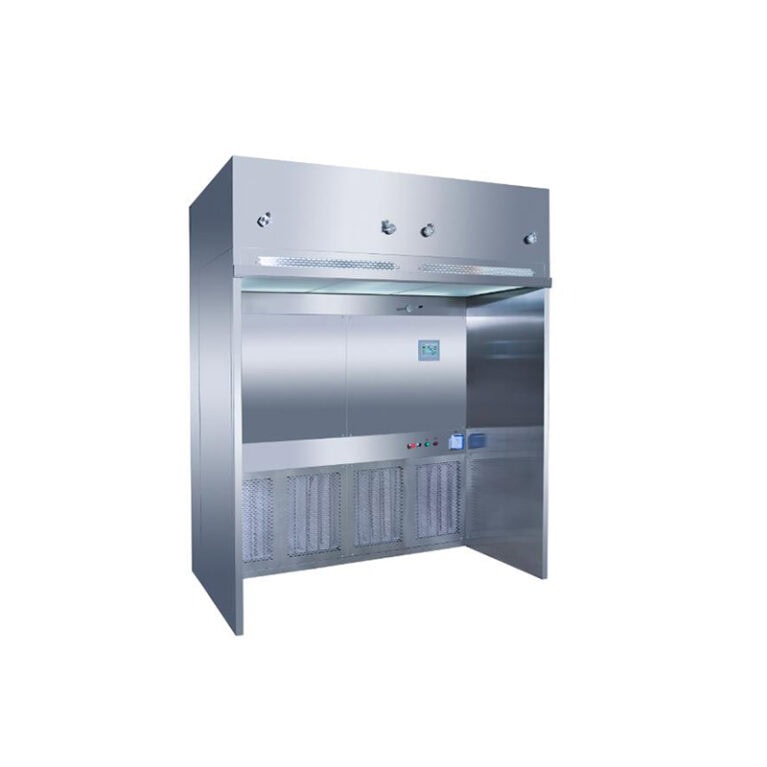
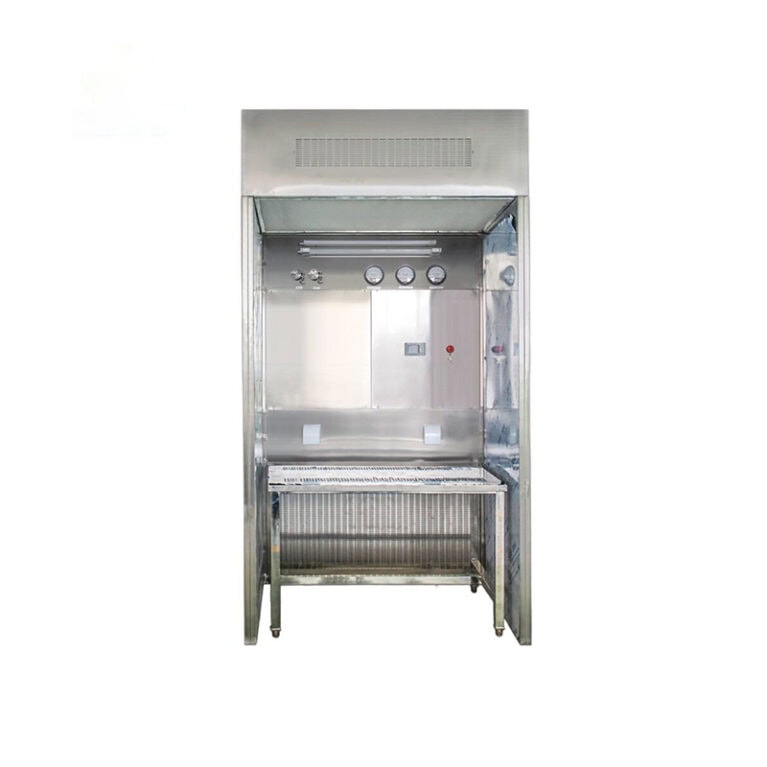
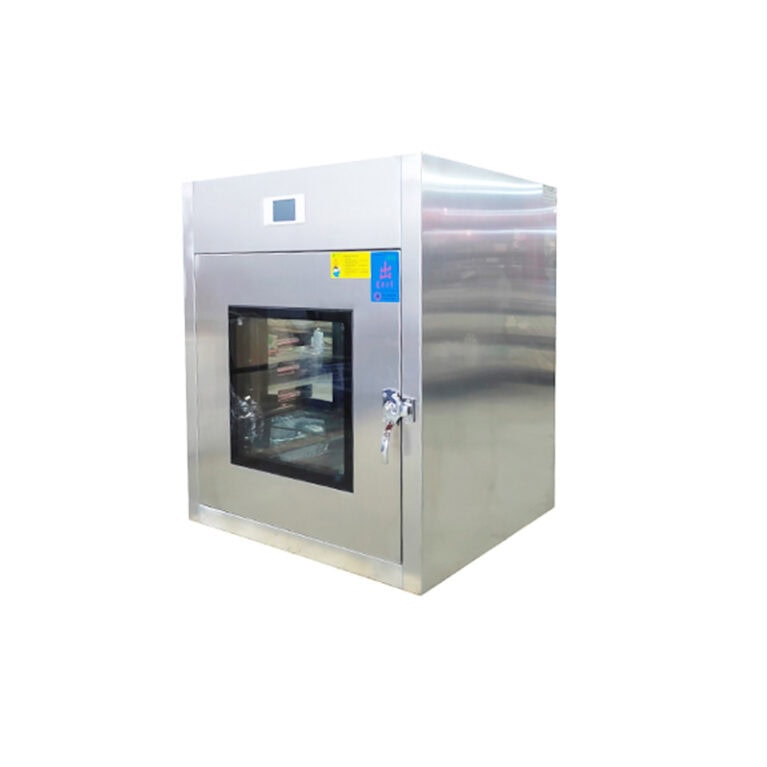
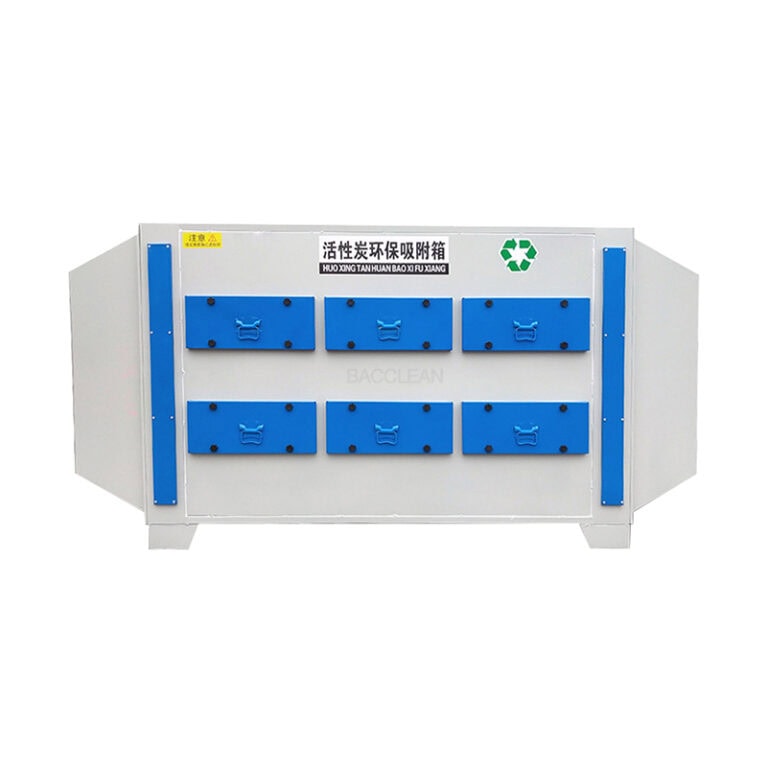
The core working logic of air purification and disinfection machines is “first purify particulate matter and harmful gases, and then kill microorganisms and bacteria”. Different devices will combine multiple technologies to achieve functions. The mainstream working principles can be divided into two major categories: purification technology and disinfection technology, as follows:
I. Core Purification Technology (Removal of Particulate Matter and Harmful Gases)
This type of technology mainly addresses common air pollution problems such as dust, hair, formaldehyde and odors.
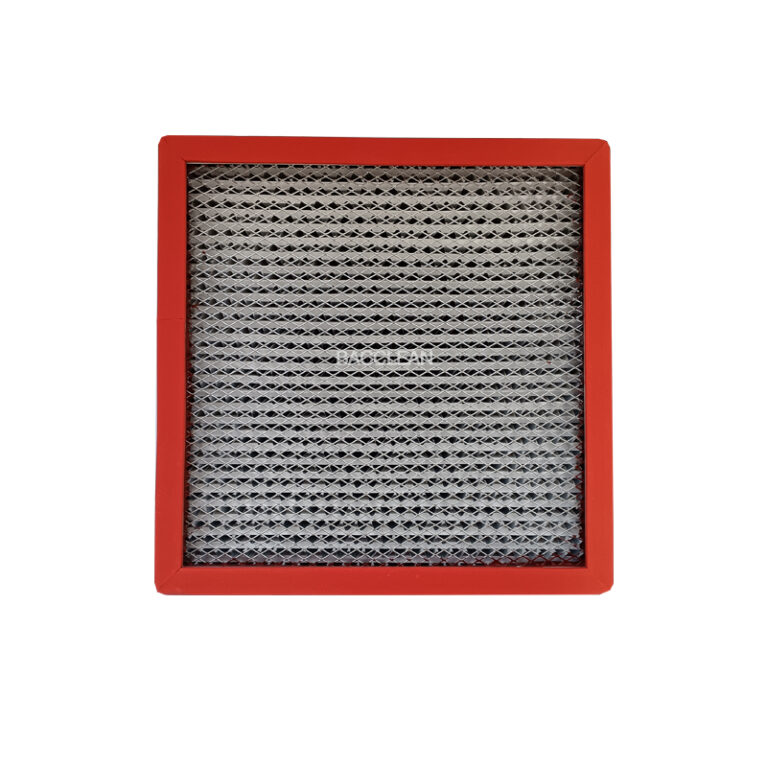
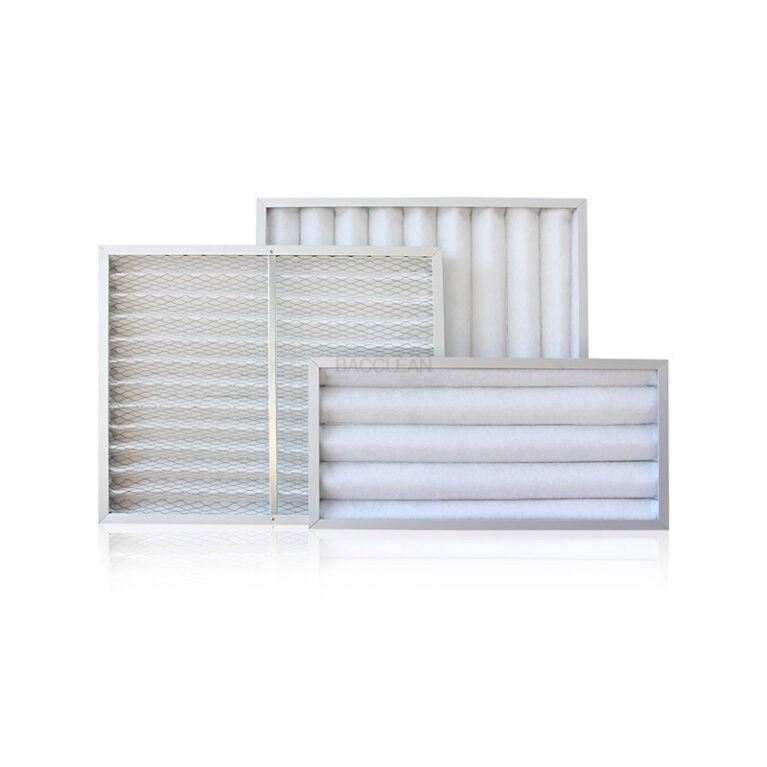
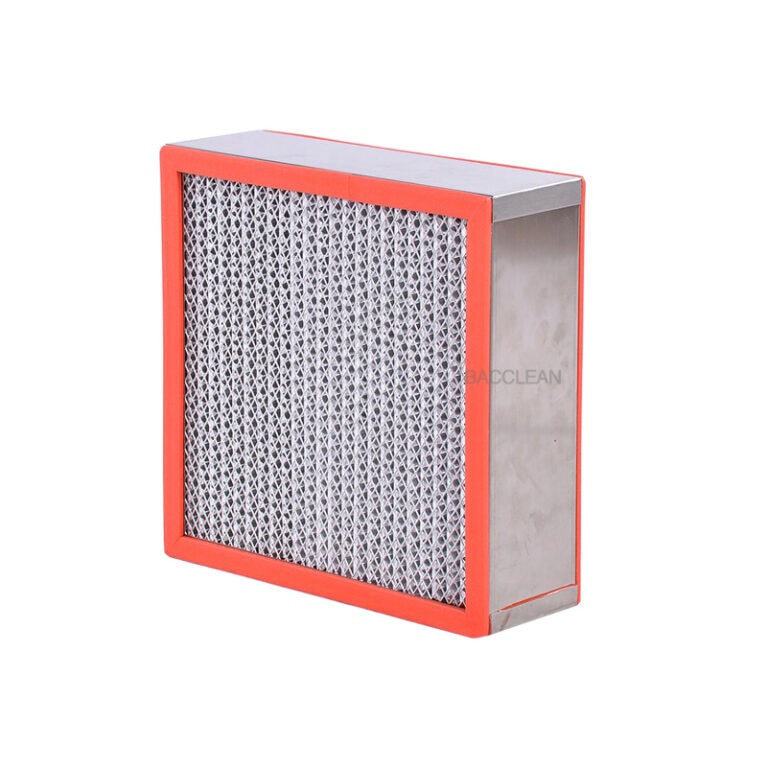
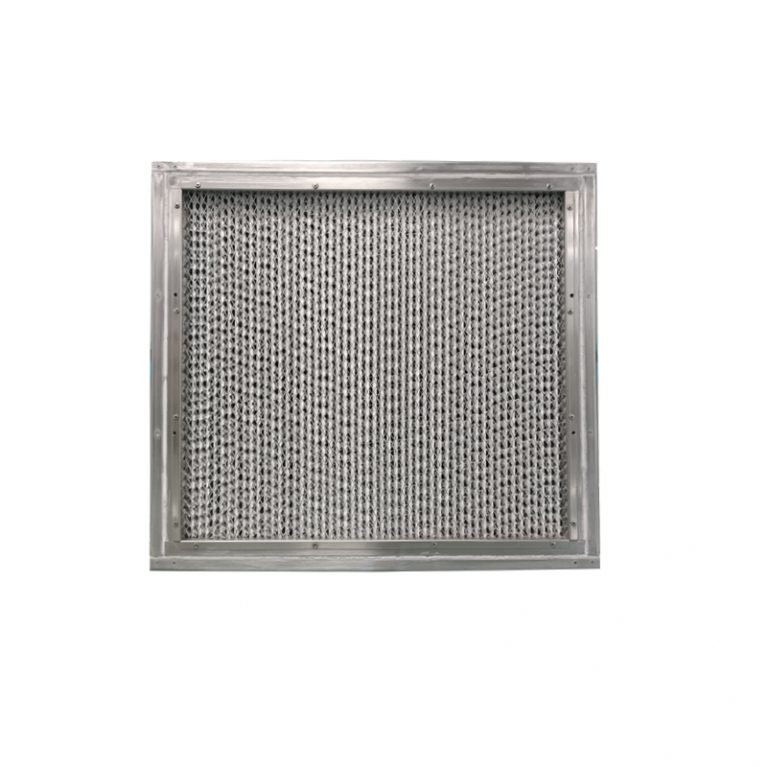
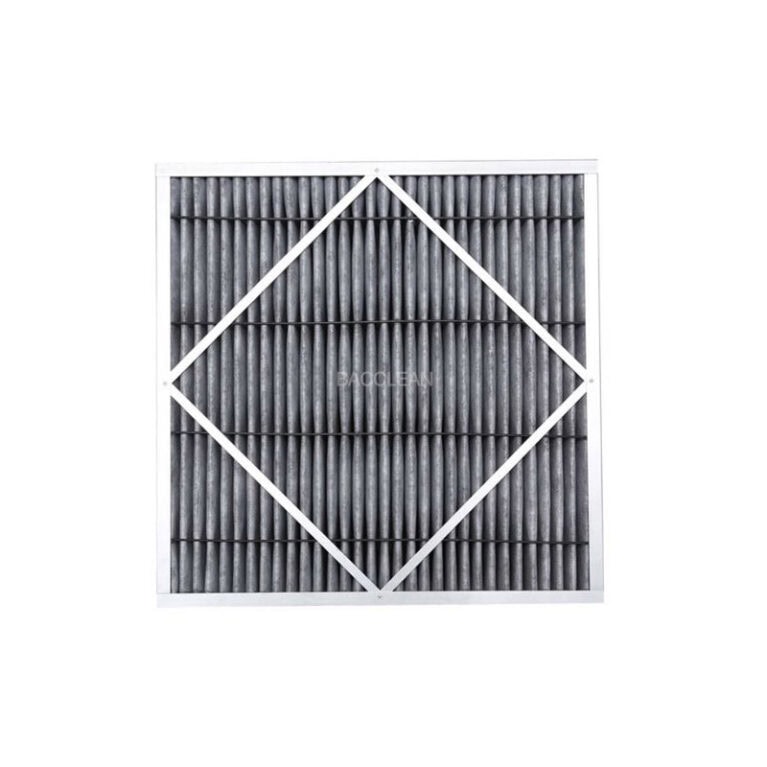
High-efficiency filtration technology (HEPA filter filtration) is the core technology of air purification, with the mainstream being H13/H14 grade HEPA filters. Its filter screen is made of superfine glass fibers interwoven, with pore diameters as low as 0.3 microns. Through interception, inertial collision, diffusion adsorption and other effects, it can capture fine particles such as PM2.5, pollen, dust mite excrement and pet dander in the air, and the filtration efficiency can reach over 99.97%. Filters are usually of composite structure, from the outside to the inside, they are coarse filters (for intercepting hair and large dust particles), HEPA filters (for intercepting fine particles), and activated carbon filters (for adsorbing harmful gases).
Activated carbon adsorption technology: Activated carbon has a large number of microporous structures inside and a large specific surface area. Through physical adsorption and chemical adsorption, it can remove harmful gases and odor molecules such as formaldehyde, benzene, TVOC, cooking fume odors, and pet odors. Advanced models will use modified activated carbon (such as those loaded with potassium permanganate or manganese dioxide), which can decompose harmful gases like formaldehyde into harmless water and carbon dioxide, preventing the secondary release after the activated carbon reaches adsorption saturation.
Electrostatic precipitator technology charges particles in the air through a high-voltage electric field. The charged particles are adsorbed by dust collection plates with opposite charges, which can remove fine particles such as PM2.5 and smoke. The advantages are that the filter screen can be washed with water and does not need to be replaced frequently. The disadvantages are that it has a weak purification effect on gaseous pollutants such as formaldehyde, and the dust collection plate needs to be cleaned regularly to prevent ozone from exceeding the standard.
Ii. Core Disinfection Technologies (Killing Bacteria, Viruses, and Molds)
This type of technology is the key to the “disinfection” function and must meet the requirements of being safe, residue-free and harmless to the human body.
Ultraviolet disinfection technology (UVC) utilizes UVC ultraviolet light with a wavelength of 253.7nm to destroy the DNA/RNA structure of bacteria and viruses, rendering them unable to reproduce and infect. It can kill microorganisms such as influenza viruses, Escherichia coli, and mold spores. UVC ultraviolet rays are harmful to human skin and eyes. Therefore, the equipment will be designed as a closed cavity structure, and the ultraviolet lamp will only work inside the equipment to avoid direct exposure to the human body.
Plasma disinfection technology generates a large amount of plasma (including positive ions, negative ions, free radicals, etc.) through high-voltage ionization. Free radicals can damage the cell membranes of bacteria and the protein shells of viruses, while negative ions can cause particles to coagulate into large particles, facilitating subsequent filtration. This technology has no blind spots in disinfection and can also assist in purifying odors. It does not produce harmful substances during operation and is suitable for continuous use in scenarios where people are present, such as in homes and medical Settings.
Photocatalytic disinfection technology (TiO₂ photocatalysis) uses titanium dioxide (TiO₂) as a catalyst. Under ultraviolet irradiation, it generates highly oxidative hydroxyl radicals, which can not only decompose harmful gases such as formaldehyde and benzene, but also oxidize and decompose the organic shells of bacteria and viruses, achieving a dual effect of “purification + disinfection”. The advantages are that it has a long-lasting effect and does not cause secondary pollution. It is often used in combination with ultraviolet technology.
Ozone disinfection technology (use with caution) Ozone has strong oxidizing properties and can quickly kill bacteria and viruses in the air, but excessive ozone concentration can irritate the human respiratory tract. Therefore, such equipment is usually designed in “unmanned mode” (such as turning on when leaving home at night), and after disinfection is completed, it will automatically decompose ozone into oxygen to avoid residue. For home scenarios, it is recommended to give priority to choosing devices with ozone-free disinfection technology.
Iii. Assistive Function Technology
Negative ion release technology
The released negative ions can combine with the particulate matter in the air, causing them to coagulate and settle. At the same time, they can improve the problem of “stuffy” indoor air and bring a refreshing feeling. However, their core role in disinfection and purification is limited.
Air circulation technology
Through the optimized design of centrifugal fans and air ducts, the indoor air flow is accelerated, achieving rapid circulation and purification of the air throughout the house. The circulation efficiency is usually measured by the CADR value (Clean Air Delivery Rate).