
Core Precautions for the use of DOP laminar flow transfer Windows in the pharmaceutical industry
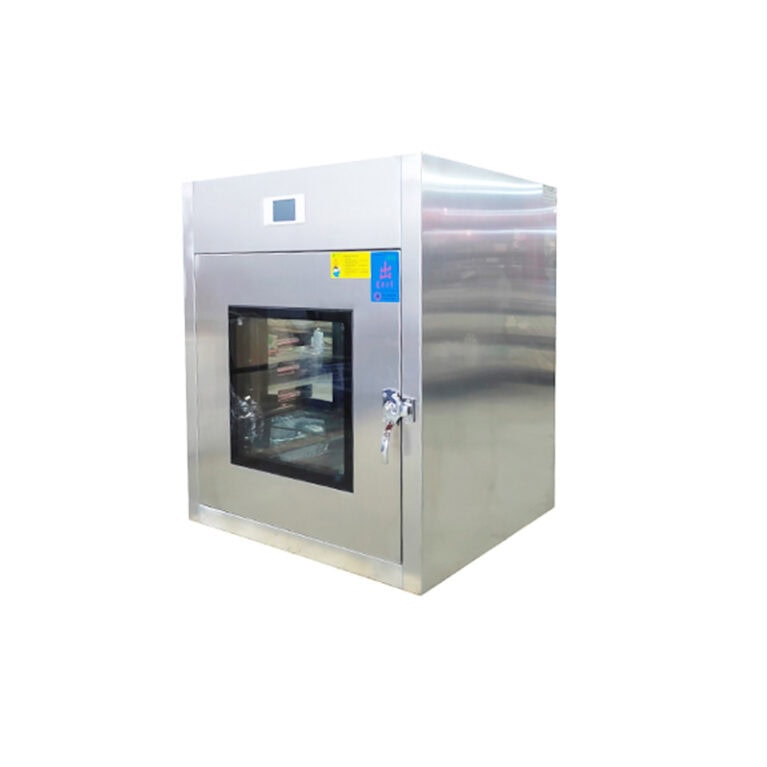
The pharmaceutical industry has strict requirements for the cleanliness, sterility, and compliance of material transfer (which must meet standards such as GMP and ISO 13485). As a key clean barrier device, the standardized use of DOP laminar flow transfer Windows directly affects the quality of drugs and audit compliance. The following is a summary of the specific precautions for the pharmaceutical industry from four core dimensions: operation norms, compliance verification, maintenance and upkeep, and safety protection
I. Operating Specifications: Strictly follow the aseptic transfer process
1. Preparation before material transfer
Confirm the equipment status: After turning on the machine, it is necessary to run the laminar flow air supply for ≥30 minutes (to replace the residual air in the box), and check through the touch screen whether the wind speed (which needs to be stable at 0.3-0.5m/s and meet GMP requirements), interlock function, and disinfection module (such as ultraviolet) are normal.
Material pretreatment: The raw materials, auxiliary materials, and packaging materials to be transferred need to be roughly cleaned outside the clean area in advance (to remove visible dust on the surface) to prevent a large amount of contaminants from entering the transfer window and causing rapid clogging of the filter. Sterile materials should be packaged in double-layer sterile packaging. The outer layer should be peeled off in the non-clean area, while the inner layer should be carried into the transfer window.
Disinfection process: When ultraviolet disinfection is activated, it is necessary to ensure that no one stays in the transfer window (ultraviolet rays are harmful to the human body). The disinfection time should be set at least 30 minutes. After disinfection, ventilation should be carried out for at least 15 minutes before opening the door (to avoid ozone residue affecting the quality of materials).
2. Key points of material transfer operations
Interlock function confirmation: Strictly follow the principle of “close one door first, then open another”. Do not forcibly open or release the interlock device (such as forcing the door open) to prevent direct air flow connection between the clean area and the non-clean area, which may cause cross-contamination.
Material placement norms: Materials should be evenly placed to avoid stacking too high (not exceeding the lower edge of the airflow uniformity film inside the transfer window) or blocking the return air channel. Ensure that the laminar flow can fully cover the surface of the materials without any airflow dead corners.
Transfer time control: The single transfer time should not be too long (it is recommended to be ≤15 minutes) to avoid a decline in the stability of the clean air flow inside the box. After the transfer is completed, close the doors on both sides in time to keep the equipment in standby air supply mode and prevent the accumulation of pollutants.
3. Post-transfer cleaning process
Immediate cleaning: After each transfer is completed, wipe the inner walls of the transfer window, door handles, and material placement racks with 75% medical alcohol or a disinfectant that meets the requirements of the pharmaceutical industry (such as hydrogen peroxide solution). Pay special attention to cleaning corners and seams (no dust accumulation in dead corners). The cleaning tools should be dedicated (distinguish between clean area and non-clean area tools).
Regular deep cleaning: At the end of each production day, conduct a thorough cleaning of the transfer window, including the flow equalization film, filter press frame, and observation window glass. If necessary, remove the flow equalization film for rinsing (after drying, reinstall) to prevent the growth of microorganisms.
Ii. Compliance Verification: Meet the requirements of GMP audit traceability
1. Implementation of DOP testing standards
Inspection cycle: In accordance with GMP requirements, high-efficiency filters need to undergo DOP integrity testing regularly (after initial installation, after filter replacement, every 6 months/once a year, specifically in accordance with the enterprise SOP), covering the entire surface of the filter and the sealing areas of the frame.
Detection operation: The online/offline DOP detection method is adopted. The concentration of injected DOP aerosol and the particle size (0.3μm) must comply with the standards. The detection results should meet the requirements of “filtration efficiency ≥99.97%, leakage rate ≤0.01%”. The detection data should be automatically recorded, exported and archiving (for at least 3 years) for easy auditing and traceability.
Nonconformity handling: If the DOP test fails (such as excessive leakage rate), the use of the transfer window must be immediately stopped. Replace the high-efficiency filter and retest until it is qualified before resuming use. At the same time, record the cause of nonconformity, handling measures, and the responsible person.
2. Recording and tracing of operating parameters
Daily Record: Establish the “DOP Laminar Flow Transfer Window Operation Record Form”, and record daily information such as equipment operation time, wind speed, disinfection time, cleaning condition, and abnormal phenomena (such as abnormal noise from the fan, interlock failure). The records must be true and complete, and signed for confirmation.
Parameter traceability: The equipment must have a parameter storage function (such as a PLC control system) and be able to trace historical operation data (at least one year), including wind speed fluctuations, DOP test results, filter replacement records, etc., to meet the GMP requirement of “process traceability”.
3. Equipment calibration and verification
Metrological calibration: Key components such as wind speed sensors, laser particle counters, and timers need to be calibrated regularly (at least once a year). Calibration institutions must be qualified, and calibration certificates should be archived and kept.
Performance verification: After the new equipment is installed, IQ (Installation Confirmation), OQ (Operation Confirmation), and PQ (Performance Confirmation) are required. The verification items include wind speed uniformity, cleanliness (Class 100 level verification), interlock reliability, disinfection effect, etc. The verification report must be reviewed and approved by the quality department before the equipment can be put into use. Revalidation should be conducted every 2 to 3 years thereafter.
Iii. Maintenance and Care: Ensure the long-term stable operation of the equipment
1. Maintenance of high-efficiency filters
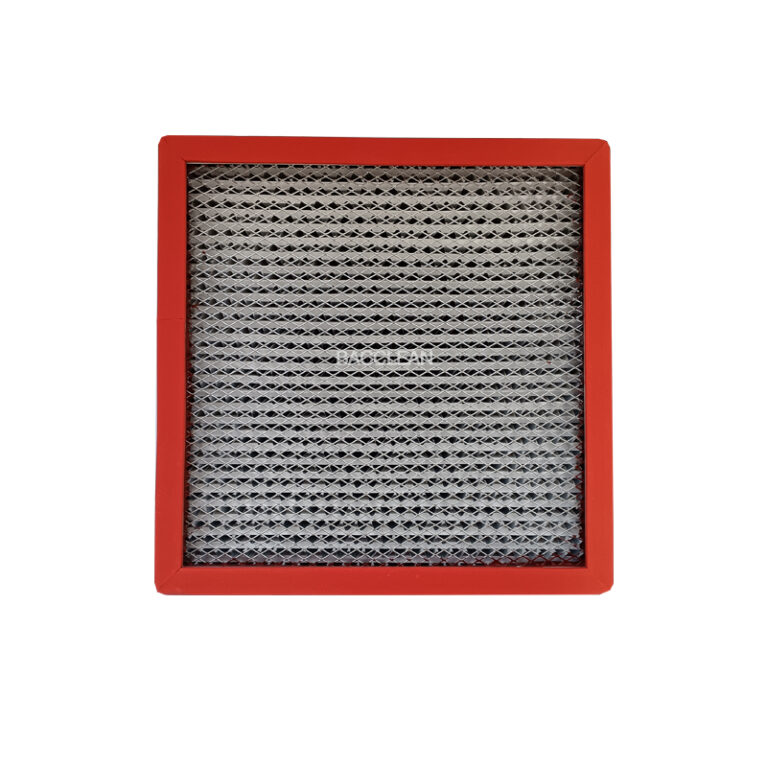
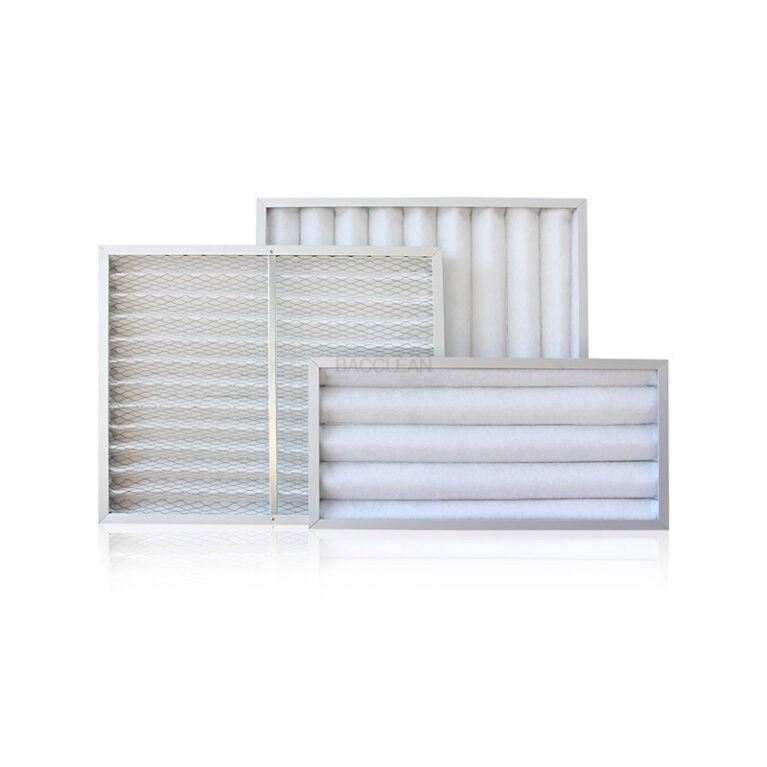
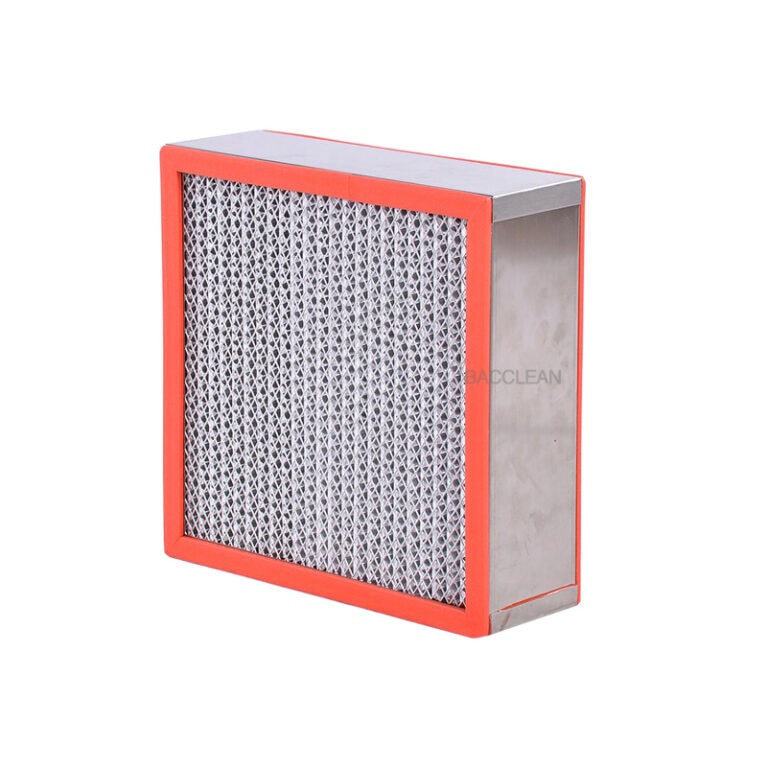
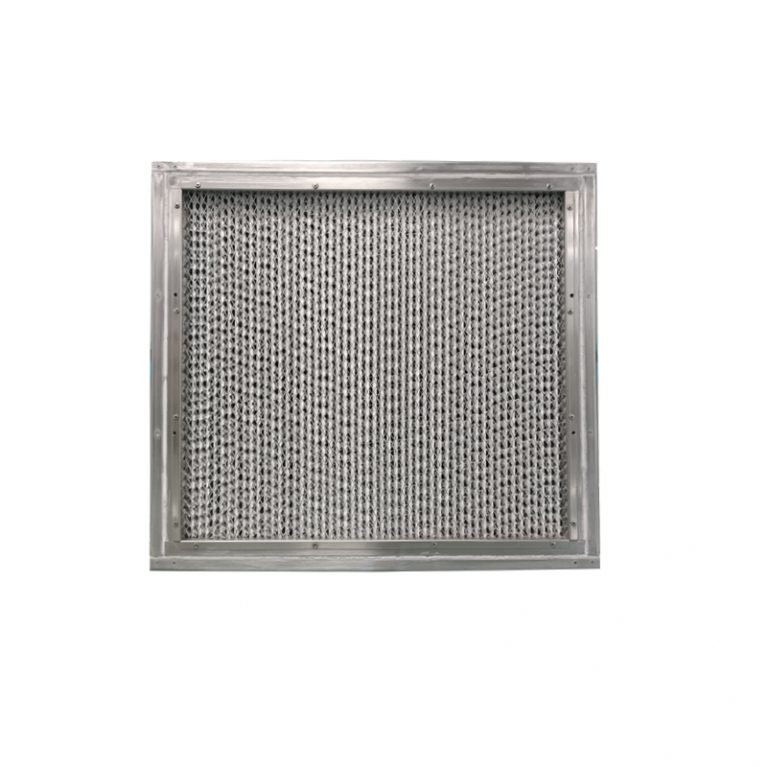
Condition monitoring: Pay daily attention to the pressure difference gauge of the filter (or the pressure difference data displayed on the touch screen). When the pressure difference exceeds twice the initial pressure difference (or reaches the upper limit specified by the manufacturer, such as ≥500Pa), the high-efficiency filter should be replaced in time to avoid fan overload and a decrease in air flow velocity due to excessive resistance.
Replacement specification: When replacing the filter, it should be carried out on the clean area side. Operators must wear sterile clothing, gloves, and masks to avoid introducing contaminants during the replacement process. New filters must provide factory certificates of conformity and DOP test reports. After replacement, DOP tests need to be conducted again. Only after passing the tests can they be used.
Storage requirements: Standby high-efficiency filters should be stored in a clean, dry, and sealed environment, avoiding moisture and contamination. The storage period should not exceed the manufacturer’s specified period (generally ≤2 years).
2. Maintenance of core components
Fan maintenance: Regularly inspect the operating status of the fan (if there is any abnormal noise or vibration), clean the dust on the fan impeller every six months (to avoid dust accumulation affecting air volume), and check the lubrication of the fan bearings annually (add special lubricating oil as needed) to ensure the stable operation of the fan.
Electrical system maintenance: Regularly inspect the integrity of power cords, plugs, switches, and interlock devices to prevent aging of the lines and poor contact. Ultraviolet disinfection lamps need to be replaced regularly (with a general service life of 8,000 hours). After replacement, the replacement date and specification model should be recorded.
Seal maintenance: Check whether the sealing rubber strips of the transfer window and door are aged, deformed, or damaged. If there is a situation of poor sealing, they should be replaced in time (it is recommended to replace them every 1-2 years) to ensure the sealing performance of the box and prevent the leakage of unfiltered airflow.
3. Common Fault Handling
Interlock failure: Immediately stop using it, check whether the interlock switch and electromagnetic lock are faulty, contact professional personnel for repair, and do not temporarily short-circuit the operation of the interlock device.
Abnormal wind speed: If the wind speed is lower than 0.3m/s, first check the pressure difference of the filter (whether it is clogged) and the fan speed. If necessary, clean or replace the filter and adjust the fan frequency. If the wind speed fluctuates too much, check whether the return air channel is blocked and whether the flow equalization membrane is damaged.
Disinfection module failure: When the ultraviolet lamp does not light up, check whether the power supply and lamp tube are damaged and replace them in time. When the ozone concentration is abnormal, adjust the disinfection time or check whether the ozone generator is leaking to ensure thorough ventilation after disinfection.
Iv. Safety Protection: Balancing the safety of personnel and materials
1. Personnel safety protection
Operation protection: When activating ultraviolet disinfection, ensure that the transfer window and door are closed and post a warning sign saying “Ultraviolet disinfection in progress, do not open” to avoid ultraviolet radiation on the skin and eyes. When cleaning, gloves and masks should be worn when using disinfectants to prevent chemical corrosion.
Emergency response: In the event of equipment failure (such as fan fire or disinfectant leakage), immediately cut off the power supply, close the valves, evacuate the site, and contact the safety department for handling to prevent safety accidents.
2. Material safety protection
Compatibility Note: When transferring volatile, flammable, or corrosive materials, it is necessary to confirm that the materials do not react with the material of the transfer window (304/316L stainless steel) and the disinfectant. If necessary, explosion-proof transfer Windows (customized configuration) should be used to avoid material leakage and safety risks.
Aseptic protection: During the transfer of aseptic materials, avoid contact with the non-clean areas on the inner walls of the transfer window. After the outer packaging is peeled off, it should be quickly placed in the transfer window to reduce exposure time. It is prohibited to pass on items unrelated to production (such as personal items and unclean tools).
Summary of key points to note
The core logic of using DOP laminar flow transfer Windows in the pharmaceutical industry is “compliance as the foundation, sterility as the core, and maintenance as the guarantee”. It is necessary to strictly follow the principles of “standardized operation, regular verification, and standardized maintenance”, with a focus on controlling the compliance of DOP testing, the sterility of material transfer, and the stability of equipment operation. At the same time, a complete record traceability system should be established. Ensure that every operation and every maintenance is traceable, fully meeting the requirements of GMP audits, and building a solid defense line for drug quality and safety from the material transfer stage.
As a professional supplier of clean equipment for the pharmaceutical industry, Bailun Purification can provide DOP laminar flow transfer Windows that meet GMP standards, along with the corresponding SOPs (Standard Operating Procedures) and validation solutions. At the same time, it offers value-added services such as regular maintenance, calibration, and DOP testing to help enterprises standardize equipment usage and reduce compliance risks.
The pharmaceutical industry has strict requirements for the cleanliness, sterility, and compliance of material transfer (which must meet standards such as GMP and ISO 13485). As a key clean barrier device, the standardized use of DOP laminar flow transfer Windows directly affects the quality of drugs and audit compliance. The following is a summary of the specific precautions for the pharmaceutical industry from four core dimensions: operation norms, compliance verification, maintenance and upkeep, and safety protection
I. Operating Specifications: Strictly follow the aseptic transfer process
1. Preparation before material transfer
Confirm the equipment status: After turning on the machine, it is necessary to run the laminar flow air supply for ≥30 minutes (to replace the residual air in the box), and check through the touch screen whether the wind speed (which needs to be stable at 0.3-0.5m/s and meet GMP requirements), interlock function, and disinfection module (such as ultraviolet) are normal.
Material pretreatment: The raw materials, auxiliary materials, and packaging materials to be transferred need to be roughly cleaned outside the clean area in advance (to remove visible dust on the surface) to prevent a large amount of contaminants from entering the transfer window and causing rapid clogging of the filter. Sterile materials should be packaged in double-layer sterile packaging. The outer layer should be peeled off in the non-clean area, while the inner layer should be carried into the transfer window.
Disinfection process: When ultraviolet disinfection is activated, it is necessary to ensure that no one stays in the transfer window (ultraviolet rays are harmful to the human body). The disinfection time should be set at least 30 minutes. After disinfection, ventilation should be carried out for at least 15 minutes before opening the door (to avoid ozone residue affecting the quality of materials).
2. Key points of material transfer operations
Interlock function confirmation: Strictly follow the principle of “close one door first, then open another”. Do not forcibly open or release the interlock device (such as forcing the door open) to prevent direct air flow connection between the clean area and the non-clean area, which may cause cross-contamination.
Material placement norms: Materials should be evenly placed to avoid stacking too high (not exceeding the lower edge of the airflow uniformity film inside the transfer window) or blocking the return air channel. Ensure that the laminar flow can fully cover the surface of the materials without any airflow dead corners.
Transfer time control: The single transfer time should not be too long (it is recommended to be ≤15 minutes) to avoid a decline in the stability of the clean air flow inside the box. After the transfer is completed, close the doors on both sides in time to keep the equipment in standby air supply mode and prevent the accumulation of pollutants.
3. Post-transfer cleaning process
Immediate cleaning: After each transfer is completed, wipe the inner walls of the transfer window, door handles, and material placement racks with 75% medical alcohol or a disinfectant that meets the requirements of the pharmaceutical industry (such as hydrogen peroxide solution). Pay special attention to cleaning corners and seams (no dust accumulation in dead corners). The cleaning tools should be dedicated (distinguish between clean area and non-clean area tools).
Regular deep cleaning: At the end of each production day, conduct a thorough cleaning of the transfer window, including the flow equalization film, filter press frame, and observation window glass. If necessary, remove the flow equalization film for rinsing (after drying, reinstall) to prevent the growth of microorganisms.
Ii. Compliance Verification: Meet the requirements of GMP audit traceability
1. Implementation of DOP testing standards
Inspection cycle: In accordance with GMP requirements, high-efficiency filters need to undergo DOP integrity testing regularly (after initial installation, after filter replacement, every 6 months/once a year, specifically in accordance with the enterprise SOP), covering the entire surface of the filter and the sealing areas of the frame.
Detection operation: The online/offline DOP detection method is adopted. The concentration of injected DOP aerosol and the particle size (0.3μm) must comply with the standards. The detection results should meet the requirements of “filtration efficiency ≥99.97%, leakage rate ≤0.01%”. The detection data should be automatically recorded, exported and archiving (for at least 3 years) for easy auditing and traceability.
Nonconformity handling: If the DOP test fails (such as excessive leakage rate), the use of the transfer window must be immediately stopped. Replace the high-efficiency filter and retest until it is qualified before resuming use. At the same time, record the cause of nonconformity, handling measures, and the responsible person.
2. Recording and tracing of operating parameters
Daily Record: Establish the “DOP Laminar Flow Transfer Window Operation Record Form”, and record daily information such as equipment operation time, wind speed, disinfection time, cleaning condition, and abnormal phenomena (such as abnormal noise from the fan, interlock failure). The records must be true and complete, and signed for confirmation.
Parameter traceability: The equipment must have a parameter storage function (such as a PLC control system) and be able to trace historical operation data (at least one year), including wind speed fluctuations, DOP test results, filter replacement records, etc., to meet the GMP requirement of “process traceability”.
3. Equipment calibration and verification
Metrological calibration: Key components such as wind speed sensors, laser particle counters, and timers need to be calibrated regularly (at least once a year). Calibration institutions must be qualified, and calibration certificates should be archived and kept.
Performance verification: After the new equipment is installed, IQ (Installation Confirmation), OQ (Operation Confirmation), and PQ (Performance Confirmation) are required. The verification items include wind speed uniformity, cleanliness (Class 100 level verification), interlock reliability, disinfection effect, etc. The verification report must be reviewed and approved by the quality department before the equipment can be put into use. Revalidation should be conducted every 2 to 3 years thereafter.
Iii. Maintenance and Care: Ensure the long-term stable operation of the equipment
1. Maintenance of high-efficiency filters
Condition monitoring: Pay daily attention to the pressure difference gauge of the filter (or the pressure difference data displayed on the touch screen). When the pressure difference exceeds twice the initial pressure difference (or reaches the upper limit specified by the manufacturer, such as ≥500Pa), the high-efficiency filter should be replaced in time to avoid fan overload and a decrease in air flow velocity due to excessive resistance.
Replacement specification: When replacing the filter, it should be carried out on the clean area side. Operators must wear sterile clothing, gloves, and masks to avoid introducing contaminants during the replacement process. New filters must provide factory certificates of conformity and DOP test reports. After replacement, DOP tests need to be conducted again. Only after passing the tests can they be used.
Storage requirements: Standby high-efficiency filters should be stored in a clean, dry, and sealed environment, avoiding moisture and contamination. The storage period should not exceed the manufacturer’s specified period (generally ≤2 years).
2. Maintenance of core components
Fan maintenance: Regularly inspect the operating status of the fan (if there is any abnormal noise or vibration), clean the dust on the fan impeller every six months (to avoid dust accumulation affecting air volume), and check the lubrication of the fan bearings annually (add special lubricating oil as needed) to ensure the stable operation of the fan.
Electrical system maintenance: Regularly inspect the integrity of power cords, plugs, switches, and interlock devices to prevent aging of the lines and poor contact. Ultraviolet disinfection lamps need to be replaced regularly (with a general service life of 8,000 hours). After replacement, the replacement date and specification model should be recorded.
Seal maintenance: Check whether the sealing rubber strips of the transfer window and door are aged, deformed, or damaged. If there is a situation of poor sealing, they should be replaced in time (it is recommended to replace them every 1-2 years) to ensure the sealing performance of the box and prevent the leakage of unfiltered airflow.
3. Common Fault Handling
Interlock failure: Immediately stop using it, check whether the interlock switch and electromagnetic lock are faulty, contact professional personnel for repair, and do not temporarily short-circuit the operation of the interlock device.
Abnormal wind speed: If the wind speed is lower than 0.3m/s, first check the pressure difference of the filter (whether it is clogged) and the fan speed. If necessary, clean or replace the filter and adjust the fan frequency. If the wind speed fluctuates too much, check whether the return air channel is blocked and whether the flow equalization membrane is damaged.
Disinfection module failure: When the ultraviolet lamp does not light up, check whether the power supply and lamp tube are damaged and replace them in time. When the ozone concentration is abnormal, adjust the disinfection time or check whether the ozone generator is leaking to ensure thorough ventilation after disinfection.
Iv. Safety Protection: Balancing the safety of personnel and materials
1. Personnel safety protection
Operation protection: When activating ultraviolet disinfection, ensure that the transfer window and door are closed and post a warning sign saying “Ultraviolet disinfection in progress, do not open” to avoid ultraviolet radiation on the skin and eyes. When cleaning, gloves and masks should be worn when using disinfectants to prevent chemical corrosion.
Emergency response: In the event of equipment failure (such as fan fire or disinfectant leakage), immediately cut off the power supply, close the valves, evacuate the site, and contact the safety department for handling to prevent safety accidents.
2. Material safety protection
Compatibility Note: When transferring volatile, flammable, or corrosive materials, it is necessary to confirm that the materials do not react with the material of the transfer window (304/316L stainless steel) and the disinfectant. If necessary, explosion-proof transfer Windows (customized configuration) should be used to avoid material leakage and safety risks.
Aseptic protection: During the transfer of aseptic materials, avoid contact with the non-clean areas on the inner walls of the transfer window. After the outer packaging is peeled off, it should be quickly placed in the transfer window to reduce exposure time. It is prohibited to pass on items unrelated to production (such as personal items and unclean tools).
Summary of key points to note
The core logic of using DOP laminar flow transfer Windows in the pharmaceutical industry is “compliance as the foundation, sterility as the core, and maintenance as the guarantee”. It is necessary to strictly follow the principles of “standardized operation, regular verification, and standardized maintenance”, with a focus on controlling the compliance of DOP testing, the sterility of material transfer, and the stability of equipment operation. At the same time, a complete record traceability system should be established. Ensure that every operation and every maintenance is traceable, fully meeting the requirements of GMP audits, and building a solid defense line for drug quality and safety from the material transfer stage.
As a professional supplier of clean equipment for the pharmaceutical industry, Bailun Purification can provide DOP laminar flow transfer Windows that meet GMP standards, along with the corresponding SOPs (Standard Operating Procedures) and validation solutions. At the same time, it offers value-added services such as regular maintenance, calibration, and DOP testing to help enterprises standardize equipment usage and reduce compliance risks.
