Key Installation Considerations for Air Distribution Ceilings (Filtration Hood / Clean Air Distribution Ceiling), On-site Construction + Acceptance Checklist
I. Foundation Lifting and Structure (Prevent Deformation, Prevent Top Fall, Prevent Air Leakage)
The lifting load must be borne independently.
It is strictly prohibited to rely on color steel plates or ceiling keels for support; independent channel steel / screw rod lifting frames must be made, and the load should be reserved according to the ceiling’s own weight + maintenance margin.
The spacing of the screw rods should be uniform, and diagonal reinforcement should be done to prevent long-term sagging, deformation, and cracking of the joints and air leakage.
The levelness must be strictly controlled.
The overall horizontal error should be ≤ ±2mm/m; Inclination will cause: Air flow deviation, local accumulation of dust, condensation water, and uneven sealing resulting in air leakage.
Top static pressure box and air duct interface: Soft connections must be made to prevent the fan vibration from being transmitted to the ceiling, and long-term loosening of the seal and screws.
II. Sealing and Air Leakage Prevention (Installation Determines Later Cleanliness, Top Priority)
All joint seams, flange openings, and maintenance openings: Use neutral anti-mold silicone sealant, continuous and full without breaks;False glue and broken glue are strictly prohibited.
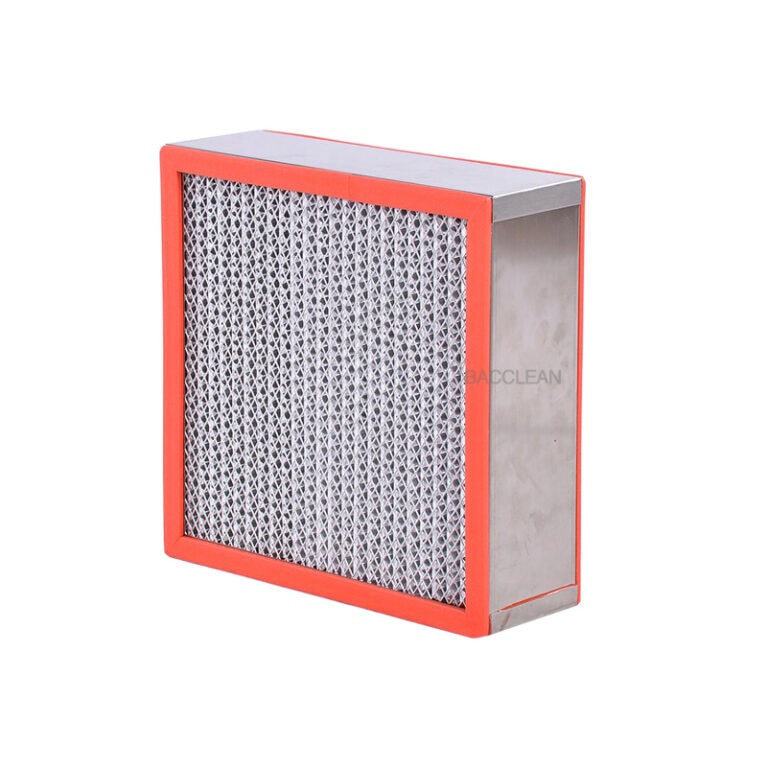
Installation of high-efficiency filters:
Sealant strips should be flat without compression or offset;
The pressure frame should be tightened evenly and in several steps diagonally. It is strictly prohibited to apply dead pressure on one side (directly damaging the filter material and causing air leakage from the frame).
Before installation, clean the inner wall of the static pressure box, vacuum + wipe, leaving no floating dust.
Ceiling and wall, color steel plate sealing: Install sealing strips + apply glue to prevent dust accumulation and dirty air infiltration.
III. Air Duct and Air Pressure/Air Volume Matching
The air intake duct should not have sharp bends or reduced diameters; avoid vortex and unstable static pressure, resulting in fluctuating air output.
The system static pressure should be calibrated in advance to ensure uniform static pressure inside the ceiling and prevent local wind speed from exceeding standards / areas without air flow.
The inner wall of the air duct should be clean, the sealing is well protected, and no debris, welding slag, or dust should fall into the static pressure box throughout the installation process.
IV. Installation Specifications for Filters / Diffusion Membranes
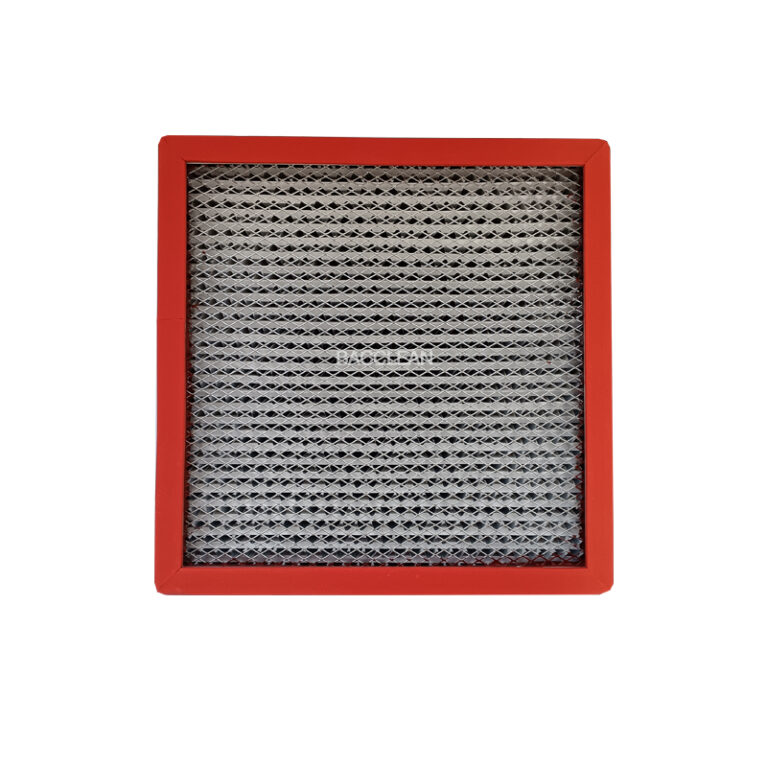
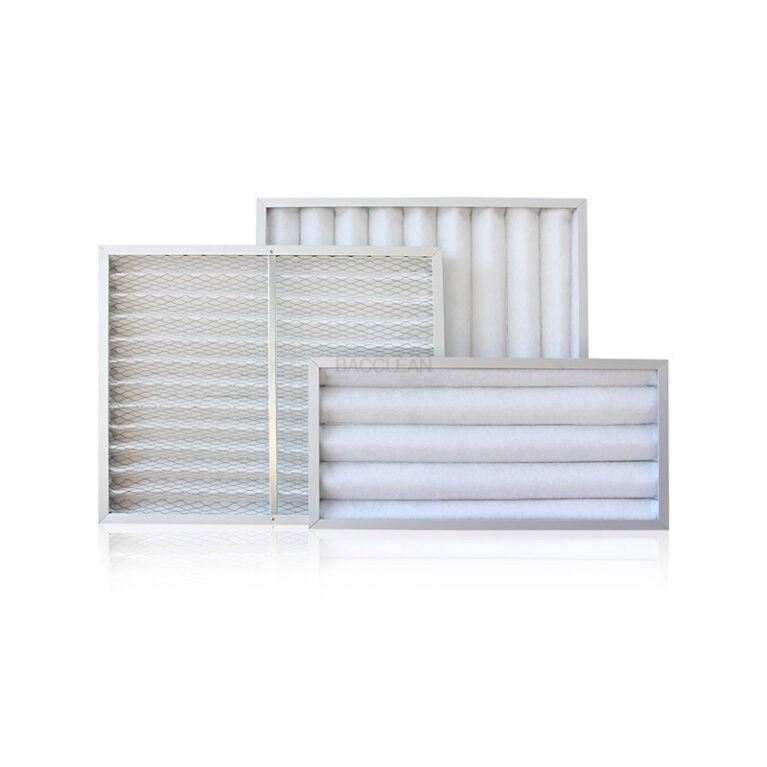
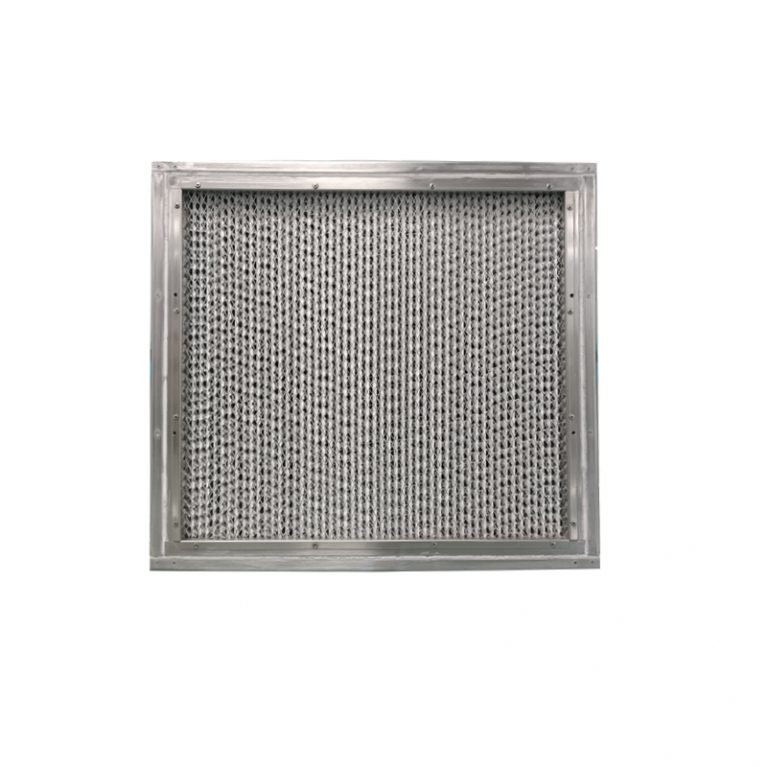
High-efficiency filters arrived on site should be inspected first: no damage to appearance, no cracking of the glue, and if necessary, re-inspected for leaks before entry.
The entire installation process should be dust-free: personnel should wear clean suits and must not touch the filter material, poke the membrane, or press the filter surface with their hands.
Diffusion layer / diffuser plate, PTFE diffusion membrane: Flat, without wrinkles, without pulling, complete fixing clips to prevent bulging, air leakage, and chaotic air flow.
V. Electrical, Pressure Difference, and Instrument Installation
Standard position for pressure difference measurement points: one side measures the static pressure box, the other side measures the air outlet side, and the wiring should be concealed and waterproof.
Sensors and pressure difference meters should be firmly fixed, shockproof, and free from loosening to avoid later reading drift and false pressure difference.
The wiring of the fan / FFU should be standardized, with reliable grounding, and reserved power-off marking points for maintenance.
VI. Cleanliness Protection and Construction Control
During installation: The air outlet should be fully covered with film to prevent dust, paint, and welding smoke from entering the box.
Cross-construction must not step on the ceiling or stack materials above the ceiling; do not cut or sand below while generating dust.
Reserve reasonable interfaces for sterilization and disinfection liquid to avoid later leakage and damage to the seal and filter material.
VII. Must-do Acceptance (If Not Installed = White Installation)
Overall air tightness, visual and tactile inspection of joints; Leak detection for PAO high-efficiency filters;
Uniformity of wind speed at multiple points (within the compliance range);
Initial pressure difference should be archived and recorded (for the sole reference in later filter replacement);
The cleanliness and suspended particle count should be re-tested and qualified before commissioning.
VIII. Frequent Pitfalls to Remind
Without installing the hanging brackets, relying on color steel plates for lifting → Later deformation and air leakage;
Single-sided pressure tightening of the filter → Leak detection must be discarded, long-term particle loss;
Installation without sealing → New filter blocks quickly become clogged;
No archiving of the initial pressure difference → Later not knowing whether to replace the filter.