
The core differences in the working principles between VHP pass box and DOP pass box
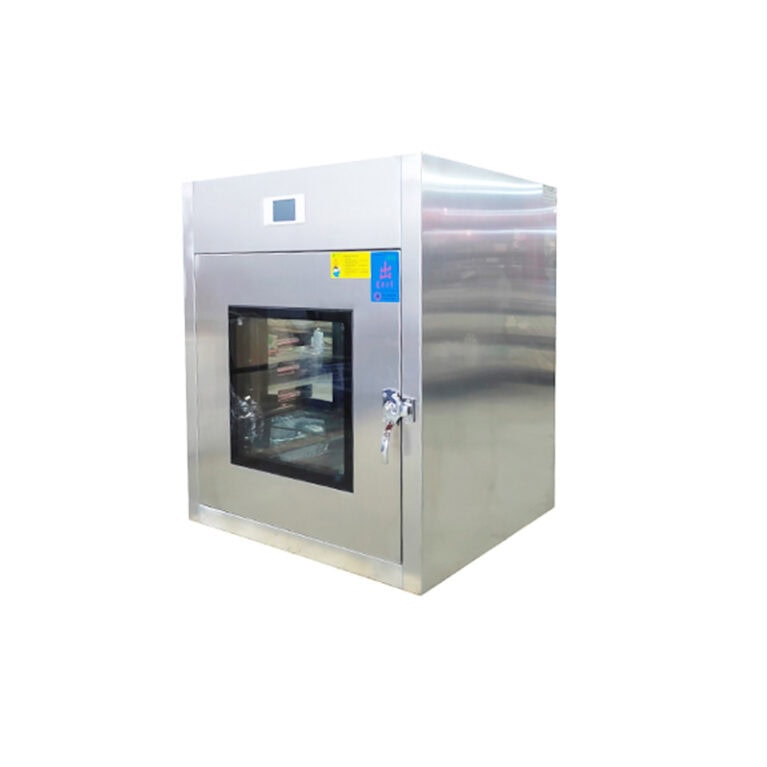
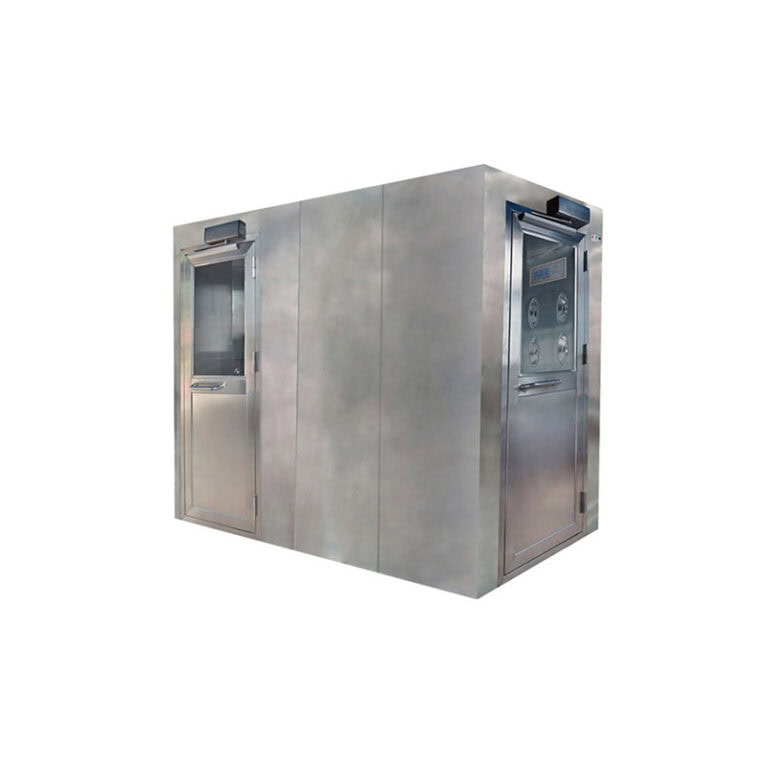
The essential difference in the working principle between the VHP transfer window and the DOP transfer window lies in that the VHP transfer window takes “gas sterilization” as its core to achieve aseptic material transfer. The DOP transfer window, with “HEPA filtration + filter leak detection” at its core, realizes the transfer of clean materials and the verification of purification effects. The specific principle is decomposed as follows:
I. Working Principle of VHP Transfer Window (Core Logic of Aseptic)
1. Core objective
Through the strong oxidizing property of hydrogen peroxide (VHP) gas, microorganisms (bacteria, viruses, spores, etc.) on the surface of materials are killed, achieving aseptic material transportation and blocking cross-contamination of microorganisms.
2. Key technical principles
(1) VHP gas generation and diffusion
The equipment is equipped with an internal VHP generator (commonly vaporization type/atomization type), which heats and vaporizes or atomizes high-concentration hydrogen peroxide solution (usually 30%-50%) to form high-purity VHP gas.
VHP gas diffuses in the sealed transfer window cavity and forms a circulating airflow through the fan to ensure that the gas evenly covers the surface of the material and every corner of the cavity, achieving a saturated sterilization concentration (usually ≥6mg/L).
(2) Microbial killing mechanism
The strong oxidizing property of VHP gas can damage the DNA, RNA and protein structure of microorganisms, leading to irreversible death of microorganisms and ultimately achieving a 6-log level killing effect (i.e., killing 99.9999% of microorganisms, meeting the requirements of GMP aseptic production).
(3) Gas decomposition and emission
After the sterilization stage is completed, start the catalytic decomposition system (which decomposes VHP gas into water and oxygen through a catalyst), or activate the exhaust system (to discharge the residual gas outdoors or to a purification device).
When the VHP concentration inside the cavity drops to the safety threshold (usually ≤0.5ppm), the equipment sends out a ready signal to ensure the safety of the operator and prevent the material from being corroded.
(4) Safety interlock mechanism
The door bodies on both sides are mechanically/electronically interlocked. During the sterilization process, the door bodies are locked tightly to prevent gas leakage.
Equipped with a VHP concentration sensor, it can monitor the gas concentration in real time. When the concentration exceeds the standard, it will automatically alarm and cut off the generator to ensure safe operation.
Ii. Working Principle of DOP Transfer Window (Dual Core Logic of Cleanliness and Verification)
1. Core objective
Daily scenarios: Clean material transfer is achieved by removing particles from the surface of materials and the air through HEPA filtration.
Verification scenario: Verify the integrity of the HEPA filter through DOP aerosol detection to ensure that the purification effect meets the standards.
2. Key technical principles
(1) Conventional transfer: HEPA filtration and purification
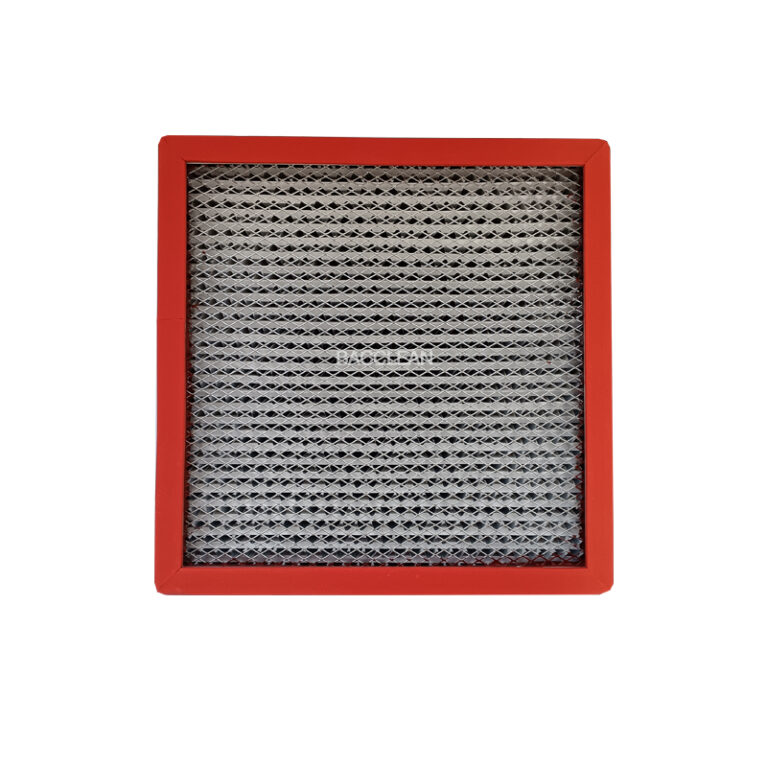
After the operator closes one side door, the equipment automatically starts the built-in fan to draw the air inside the cavity into the HEPA high-efficiency filter.
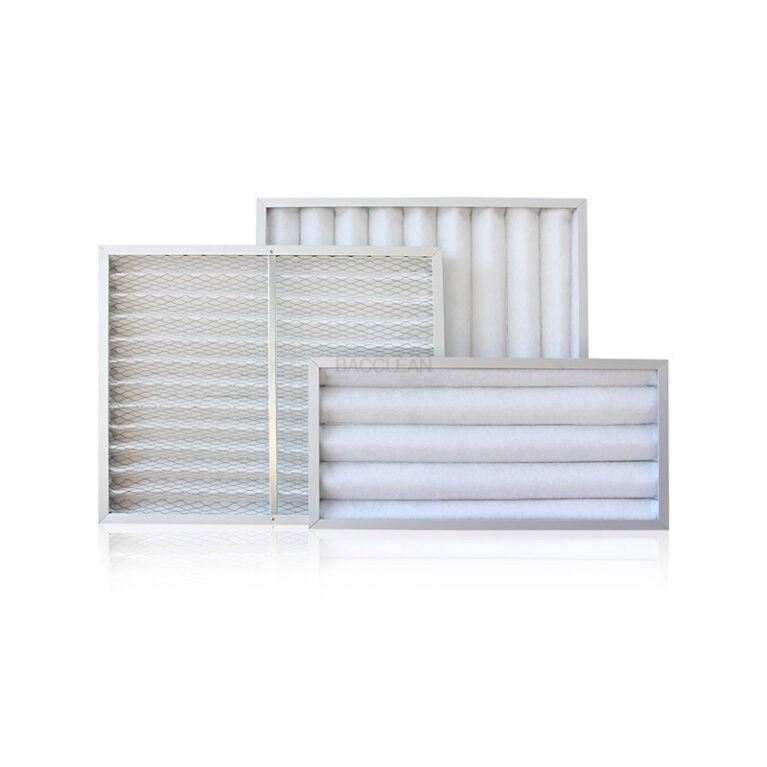
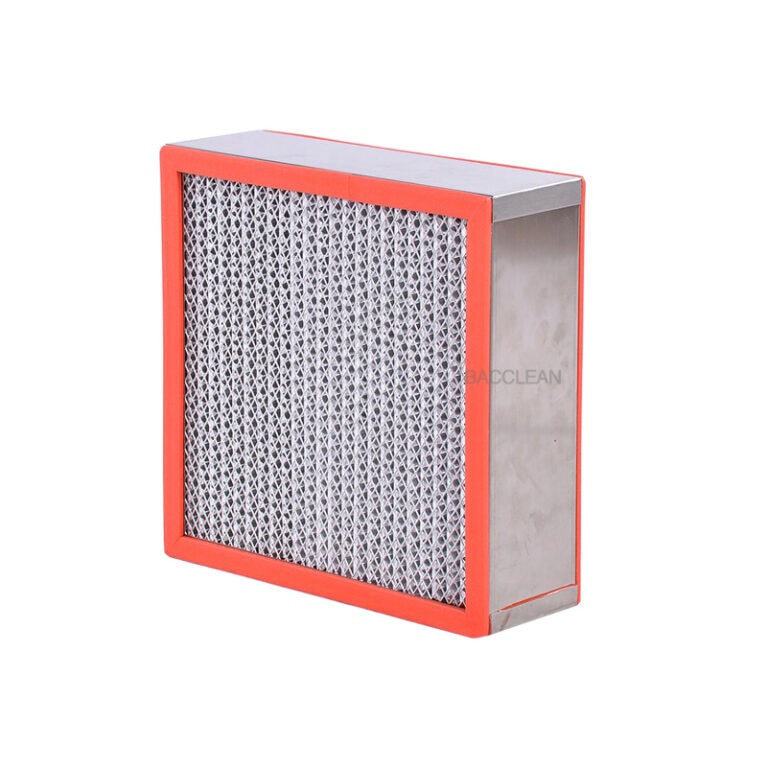
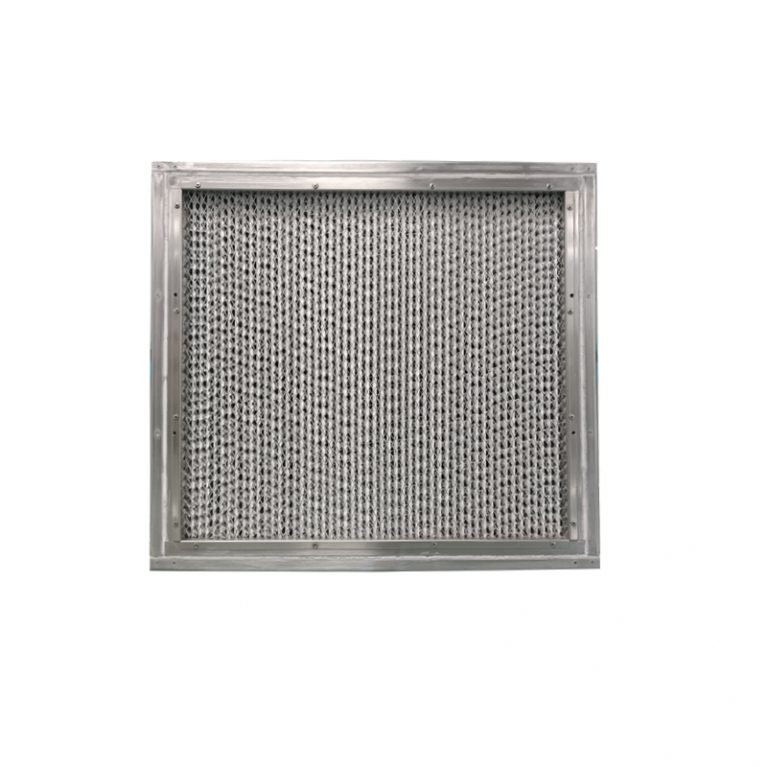
The HEPA filter has a filtration efficiency of ≥99.99% for particles in the air (with a particle size of ≥0.3μm), and simultaneously removes some microorganisms attached to the particles.
The purified clean air flow is blown out from the air outlet, forming a unidirectional air flow organization, which sweeps the surface of the material, removes adhering dust particles, and maintains a cleanliness level of 100/1,000 grades inside the cavity.
(2) DOP leak detection: Filter integrity verification
Start the DOP aerosol generator to produce DOP (dioctyl phthalate) aerosol particles with uniform particle size (0.3μm in diameter, simulating pollutants in the air);
Aerosol enters the cavity through the air intake system. After flowing through the HEPA filter, the particle counter (photometer) measures the particle concentration upstream and downstream of the filter respectively.
Calculate the filtration efficiency (efficiency = (upstream concentration – downstream concentration)/upstream concentration ×100%). If the downstream concentration is ≤ 0.01% of the upstream concentration, it is determined that the filter has no leakage and the purification effect is qualified. If the standard is exceeded, mark the leakage location and replace the filter.
(3) Security interlock mechanism
The door bodies on both sides are interlocked. During the transfer/detection process, only one side of the door can be opened to prevent direct air circulation between the clean area and the non-clean area, avoiding cross-contamination.
When the fan malfunctions or the filter is clogged, the equipment sends out an alarm signal to remind the operator to stop the machine for inspection.
Iii. Summary of Differences in Core Principles
| البُعد | VHP pass box | DOP pass box |
| Core technology | VHP gas sterilization + catalytic decomposition | HEPA filtration purification + DOP aerosol leak detection |
| Object of action | Microorganisms (bacteria, viruses, etc.) | Particles (dust, aerosols) + filter integrity |
| Core process | Vaporization/atomization → gas diffusion → Sterilization → Decomposition and discharge | Air circulation →HEPA filtration → Clean purging (transfer) Aerosol generation → Concentration detection → Efficiency determination (leak detection) |
| Final effect |
Material sterilization (6-log level killing) |
Material purification + filter performance verification |
Based on two core principles of transfer Windows, Bacclean optimizes equipment design for different industry scenarios: the VHP transfer window enhances gas uniformity and anti-corrosion performance, while the DOP transfer window improves HEPA filtration efficiency and leak detection accuracy, helping enterprises achieve compliant and efficient clean transfer.
