
The core value of regular maintenance of negative pressure weighing rooms: multi-dimensional guarantees from compliance and safety to efficiency optimization
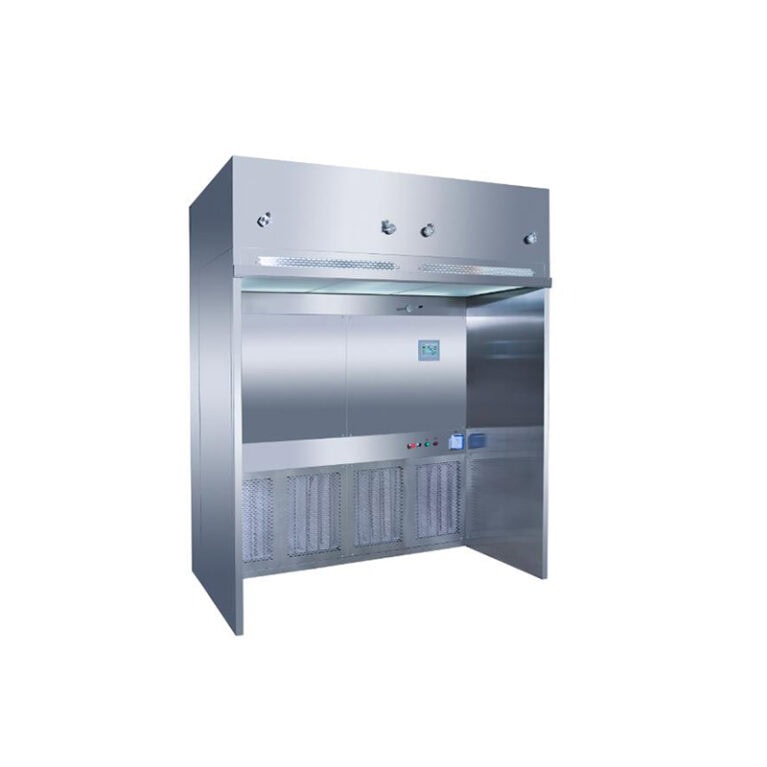
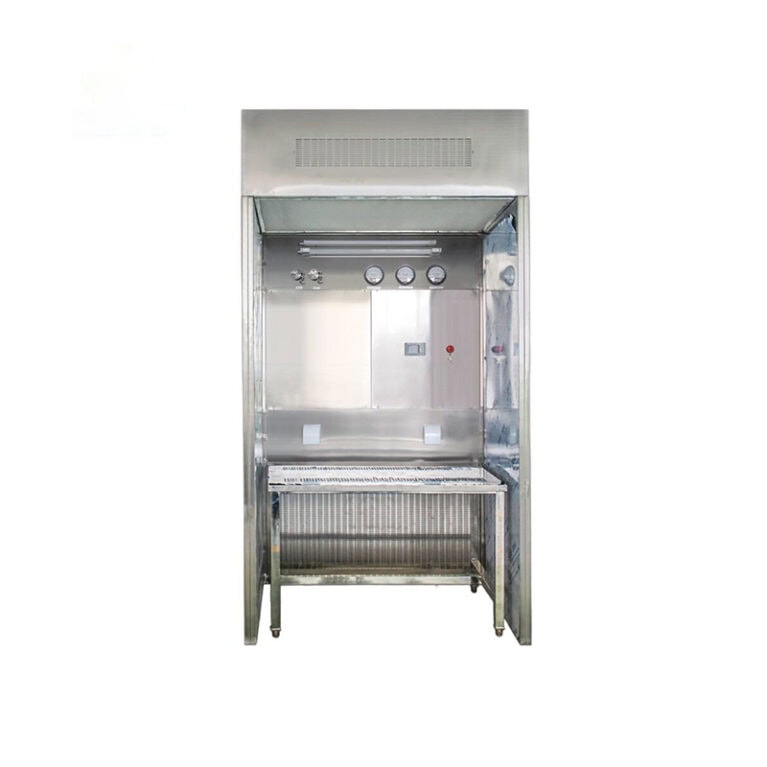
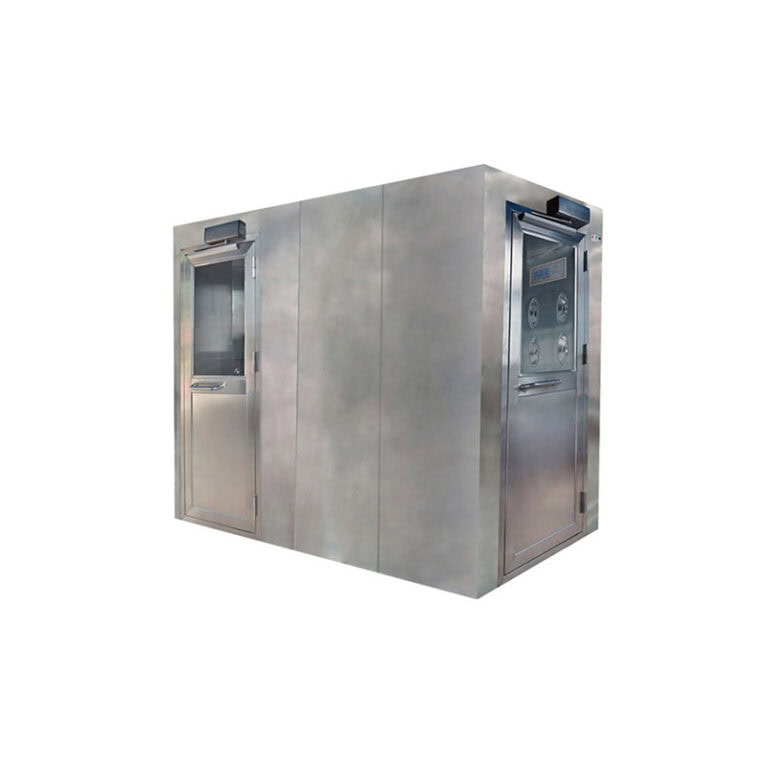
As a key piece of equipment in high-cleanliness scenarios in industries such as pharmaceuticals, biology, and chemicals, the operation status of the negative pressure weighing chamber is directly related to production compliance, operational safety, and material handling accuracy. Scientific and standardized regular maintenance is not merely “equipment upkeep”, but a systematic management behavior covering compliance risk prevention and control, cost control, and efficiency improvement. The specific core benefits are as follows:
1. Ensure compliance and meet industry standards and auditing requirements
1. Comply with mandatory standards such as GMP/ISO
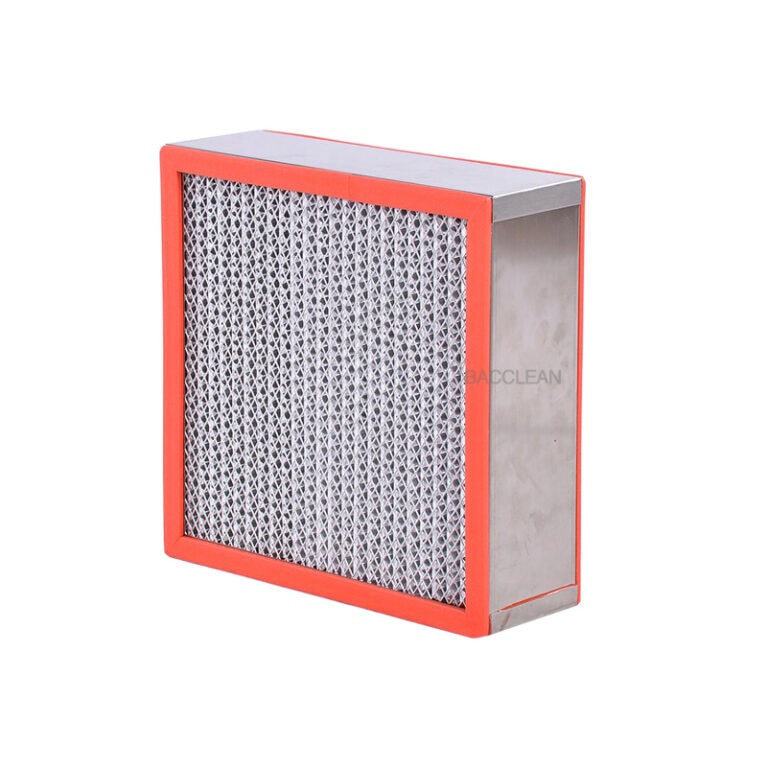
The pharmaceutical, food, and other industries have clear and mandatory requirements for the operating parameters of clean equipment (such as cleanliness, negative pressure value, and filter integrity) (such as GMP, ISO 14644 series standards). Regular maintenance can ensure that the equipment continuously meets key indicators such as the cleanliness of the working area reaching ISO level 8 or above, the leakage rate of the HEPA filter being ≤0.01%, and the negative pressure being stable at -10Pa to -30Pa, avoiding serious consequences such as substandard production batches and product recalls due to excessive parameters.
2. Provide traceable audit evidence
The ledger records established during the regular maintenance process (including parameter detection data, filter replacement records, calibration reports, etc.) can directly serve as the core vouchers for regulatory authorities’ audits and customer factory inspections, proving the standardization and controllability of the production process and reducing the risk of compliance penalties.
Second, safeguard personnel safety and prevent occupational health risks
1. Prevent the leakage of harmful substances
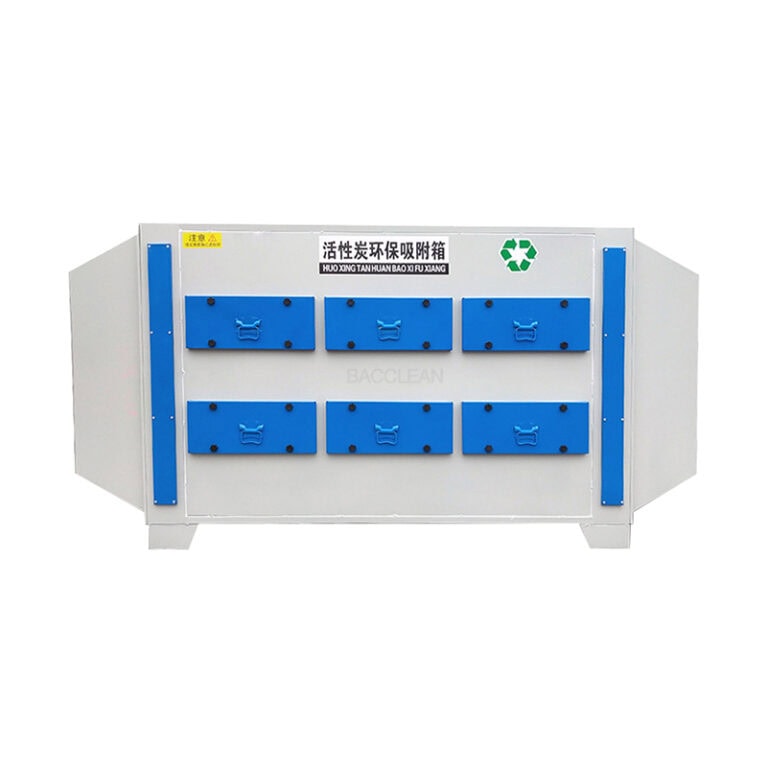
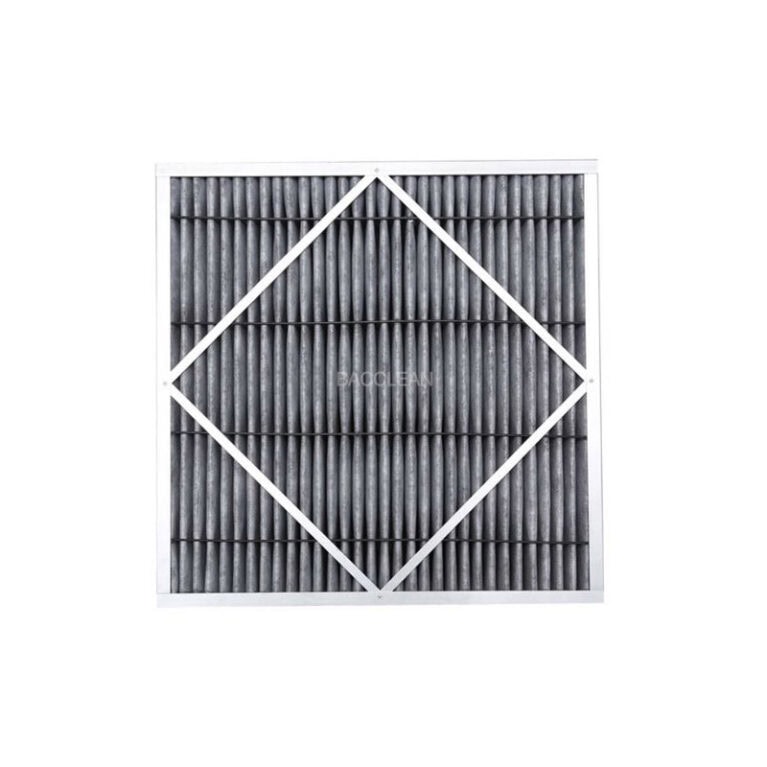
The core function of the negative pressure weighing chamber is to prevent dust and toxic and harmful gases (such as chemical reagents and bioactive substances) from spreading outside the operation area through negative pressure isolation. Regular maintenance can ensure that the door sealing rubber strips are intact, the exhaust system has no leakage, and the activated carbon filter (if configured) is not saturated, effectively blocking the exposure of harmful substances, protecting the respiratory system and skin health of operators, and avoiding the risk of occupational poisoning or allergies.
2. Ensure the safe operation of the equipment
By regularly inspecting the electrical circuits, grounding systems, and interlocking functions, potential safety hazards such as leakage, short circuits, and false equipment startup can be detected and eliminated in a timely manner, ensuring the safety of electricity usage during maintenance and operation. At the same time, verify functions such as ultraviolet disinfection and emergency shutdown to further enhance the safety of equipment usage.
Third, stabilize equipment performance to ensure weighing accuracy and production quality.
Maintain cleanliness and negative pressure stability.
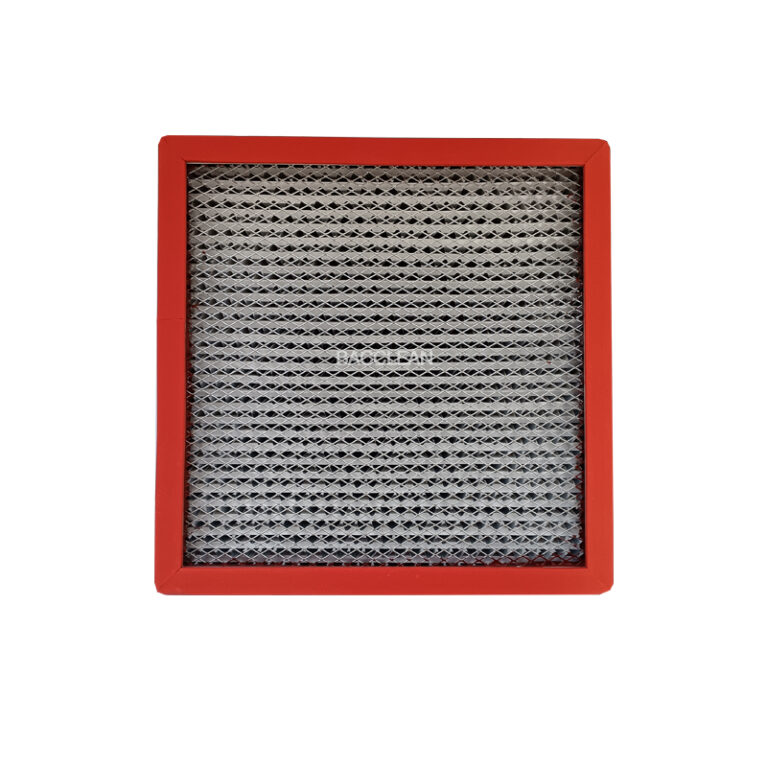
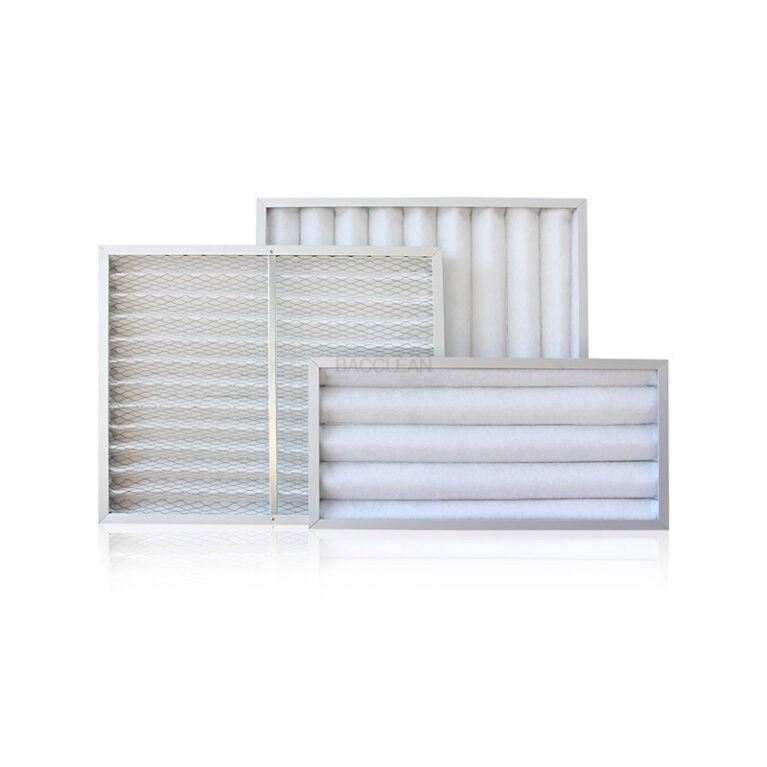
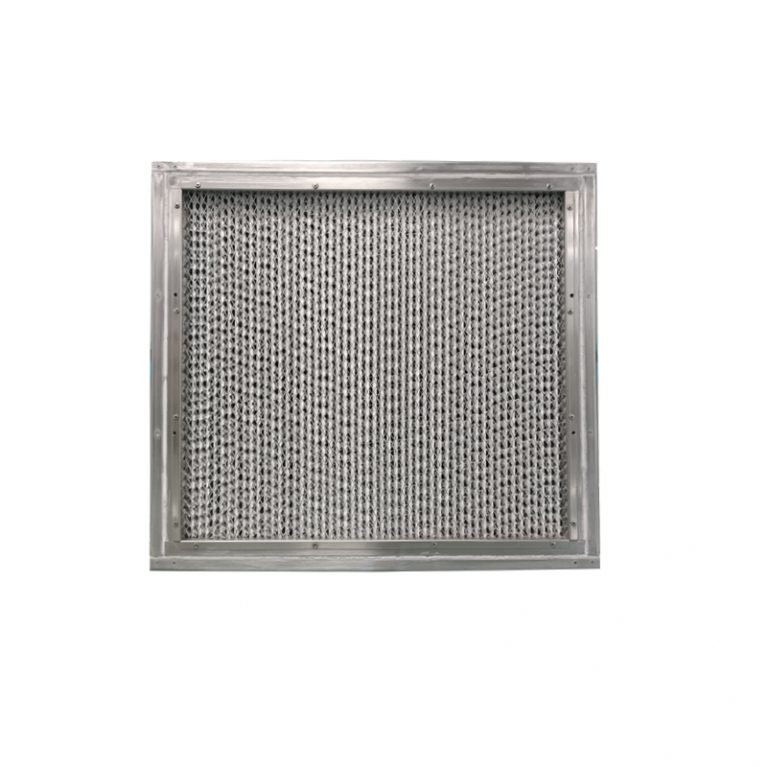
Regular cleaning of the pre-filter, replacement of the HEPA filter, and calibration of the negative pressure sensor can prevent the decline in cleanliness and negative pressure failure caused by filter blockage and sensor drift, ensuring that the working area is always in a stable, clean, and isolated environment, preventing cross-contamination of materials, and guaranteeing the uniformity of product quality.
2. Ensure the accuracy of weighing data
During the operation of the equipment, factors such as unstable airflow and vibration of the worktable surface can affect the weighing accuracy. Regular maintenance can be carried out by cleaning the dust accumulated on the fan impeller, lubricating the transmission components, and calibrating the wind speed parameters to ensure uniform and stable vertical unidirectional flow (wind speed 0.3 to 0.5m/s), reducing the interference of airflow on the weighing operation, and guaranteeing the accuracy and reliability of the material weighing data.
Fourth, extend the service life of equipment and reduce the overall operating costs.
Reduce equipment failure and maintenance costs.
Regular cleaning of the fan, replacement of consumables (such as pre-filters, ultraviolet lamps, etc.), and inspection of core components (motors, bearings, sensors) can prevent serious problems such as fan burnout, filter damage, and control system failure caused by dust accumulation and component aging, and reduce the high cost of sudden shutdown maintenance (for example, the cost of emergency motor replacement is 5 to 10 times that of regular maintenance).
2. Extend the service life of core components
The replacement cost of core components such as HEPA filters and fan motors is relatively high (the price of a single HEPA filter is usually several thousand yuan). Regular maintenance (such as cleaning the pre-filter to reduce the HEPA load and lubricating the bearings to reduce wear) can extend the service life of core components: the normal replacement cycle of HEPA filters can be extended from 6 months to 1 year, and the service life of fan motors can be extended by more than 30%, significantly reducing the long-term costs of consumable replacement and equipment renewal.
3. Reduce energy consumption losses
Excessive dust accumulation on the equipment and clogging of the filter will lead to an increase in the operating load of the fan and a rise in energy consumption (energy consumption can increase by 20% to 30% in severe clogging cases). Regular cleaning and replacement of filters, as well as optimization of the fan’s operating status, can ensure that the equipment operates at the designed efficiency, reduce unnecessary energy consumption, and lower the enterprise’s operating costs.
V. Ensure production continuity and enhance operational efficiency
Avoid sudden shutdowns that may affect production
Negative pressure weighing rooms are widely used in continuous production scenarios such as pharmaceuticals and chemicals. Sudden malfunctions can lead to a complete shutdown of the production line (for instance, a certain pharmaceutical company’s production was suspended for three days due to a damaged HEPA filter, resulting in direct economic losses exceeding one million yuan). Regular maintenance can detect potential faults in advance (such as abnormal filter pressure differences and increased motor noise), and repair or replacement can be carried out during non-production periods to avoid affecting the normal production plan.
2. Enhance the operational efficiency of the equipment
The equipment operates more smoothly after regular maintenance: the wind speed is stable, the negative pressure recovers quickly, and the disinfection effect meets the standards. It can reduce the waiting time during operation (for example, weighing can start without waiting for the negative pressure to stabilize) and improve the efficiency of a single operation. At the same time, it reduces the equipment failure rate, minimizes production disruptions caused by maintenance, and ensures the timely completion of production plans.
الملخص
The core value of regular maintenance of negative pressure weighing rooms lies in achieving multi-dimensional goals of “compliance guaranteed, safety risk-free, quality controllable, cost optimizable, and efficiency enhanced” through “preventive management”. For industries such as pharmaceuticals, biology, and chemicals, which have extremely high requirements for cleanliness and safety, regular maintenance is not only a necessary part of equipment management but also one of the core competencies for enterprises to ensure product quality, avoid compliance risks, and reduce operating costs. It is an important foundation for achieving long-term stable development.
As a key piece of equipment in high-cleanliness scenarios in industries such as pharmaceuticals, biology, and chemicals, the operation status of the negative pressure weighing chamber is directly related to production compliance, operational safety, and material handling accuracy. Scientific and standardized regular maintenance is not merely “equipment upkeep”, but a systematic management behavior covering compliance risk prevention and control, cost control, and efficiency improvement. The specific core benefits are as follows:
1. Ensure compliance and meet industry standards and auditing requirements
1. Comply with mandatory standards such as GMP/ISO
The pharmaceutical, food, and other industries have clear and mandatory requirements for the operating parameters of clean equipment (such as cleanliness, negative pressure value, and filter integrity) (such as GMP, ISO 14644 series standards). Regular maintenance can ensure that the equipment continuously meets key indicators such as the cleanliness of the working area reaching ISO level 8 or above, the leakage rate of the HEPA filter being ≤0.01%, and the negative pressure being stable at -10Pa to -30Pa, avoiding serious consequences such as substandard production batches and product recalls due to excessive parameters.
2. Provide traceable audit evidence
The ledger records established during the regular maintenance process (including parameter detection data, filter replacement records, calibration reports, etc.) can directly serve as the core vouchers for regulatory authorities’ audits and customer factory inspections, proving the standardization and controllability of the production process and reducing the risk of compliance penalties.
Second, safeguard personnel safety and prevent occupational health risks
1. Prevent the leakage of harmful substances
The core function of the negative pressure weighing chamber is to prevent dust and toxic and harmful gases (such as chemical reagents and bioactive substances) from spreading outside the operation area through negative pressure isolation. Regular maintenance can ensure that the door sealing rubber strips are intact, the exhaust system has no leakage, and the activated carbon filter (if configured) is not saturated, effectively blocking the exposure of harmful substances, protecting the respiratory system and skin health of operators, and avoiding the risk of occupational poisoning or allergies.
2. Ensure the safe operation of the equipment
By regularly inspecting the electrical circuits, grounding systems, and interlocking functions, potential safety hazards such as leakage, short circuits, and false equipment startup can be detected and eliminated in a timely manner, ensuring the safety of electricity usage during maintenance and operation. At the same time, verify functions such as ultraviolet disinfection and emergency shutdown to further enhance the safety of equipment usage.
Third, stabilize equipment performance to ensure weighing accuracy and production quality.
Maintain cleanliness and negative pressure stability.
Regular cleaning of the pre-filter, replacement of the HEPA filter, and calibration of the negative pressure sensor can prevent the decline in cleanliness and negative pressure failure caused by filter blockage and sensor drift, ensuring that the working area is always in a stable, clean, and isolated environment, preventing cross-contamination of materials, and guaranteeing the uniformity of product quality.
2. Ensure the accuracy of weighing data
During the operation of the equipment, factors such as unstable airflow and vibration of the worktable surface can affect the weighing accuracy. Regular maintenance can be carried out by cleaning the dust accumulated on the fan impeller, lubricating the transmission components, and calibrating the wind speed parameters to ensure uniform and stable vertical unidirectional flow (wind speed 0.3 to 0.5m/s), reducing the interference of airflow on the weighing operation, and guaranteeing the accuracy and reliability of the material weighing data.
Fourth, extend the service life of equipment and reduce the overall operating costs.
Reduce equipment failure and maintenance costs.
Regular cleaning of the fan, replacement of consumables (such as pre-filters, ultraviolet lamps, etc.), and inspection of core components (motors, bearings, sensors) can prevent serious problems such as fan burnout, filter damage, and control system failure caused by dust accumulation and component aging, and reduce the high cost of sudden shutdown maintenance (for example, the cost of emergency motor replacement is 5 to 10 times that of regular maintenance).
2. Extend the service life of core components
The replacement cost of core components such as HEPA filters and fan motors is relatively high (the price of a single HEPA filter is usually several thousand yuan). Regular maintenance (such as cleaning the pre-filter to reduce the HEPA load and lubricating the bearings to reduce wear) can extend the service life of core components: the normal replacement cycle of HEPA filters can be extended from 6 months to 1 year, and the service life of fan motors can be extended by more than 30%, significantly reducing the long-term costs of consumable replacement and equipment renewal.
3. Reduce energy consumption losses
Excessive dust accumulation on the equipment and clogging of the filter will lead to an increase in the operating load of the fan and a rise in energy consumption (energy consumption can increase by 20% to 30% in severe clogging cases). Regular cleaning and replacement of filters, as well as optimization of the fan’s operating status, can ensure that the equipment operates at the designed efficiency, reduce unnecessary energy consumption, and lower the enterprise’s operating costs.
V. Ensure production continuity and enhance operational efficiency
Avoid sudden shutdowns that may affect production
Negative pressure weighing rooms are widely used in continuous production scenarios such as pharmaceuticals and chemicals. Sudden malfunctions can lead to a complete shutdown of the production line (for instance, a certain pharmaceutical company’s production was suspended for three days due to a damaged HEPA filter, resulting in direct economic losses exceeding one million yuan). Regular maintenance can detect potential faults in advance (such as abnormal filter pressure differences and increased motor noise), and repair or replacement can be carried out during non-production periods to avoid affecting the normal production plan.
2. Enhance the operational efficiency of the equipment
The equipment operates more smoothly after regular maintenance: the wind speed is stable, the negative pressure recovers quickly, and the disinfection effect meets the standards. It can reduce the waiting time during operation (for example, weighing can start without waiting for the negative pressure to stabilize) and improve the efficiency of a single operation. At the same time, it reduces the equipment failure rate, minimizes production disruptions caused by maintenance, and ensures the timely completion of production plans.
الملخص
The core value of regular maintenance of negative pressure weighing rooms lies in achieving multi-dimensional goals of “compliance guaranteed, safety risk-free, quality controllable, cost optimizable, and efficiency enhanced” through “preventive management”. For industries such as pharmaceuticals, biology, and chemicals, which have extremely high requirements for cleanliness and safety, regular maintenance is not only a necessary part of equipment management but also one of the core competencies for enterprises to ensure product quality, avoid compliance risks, and reduce operating costs. It is an important foundation for achieving long-term stable development.
