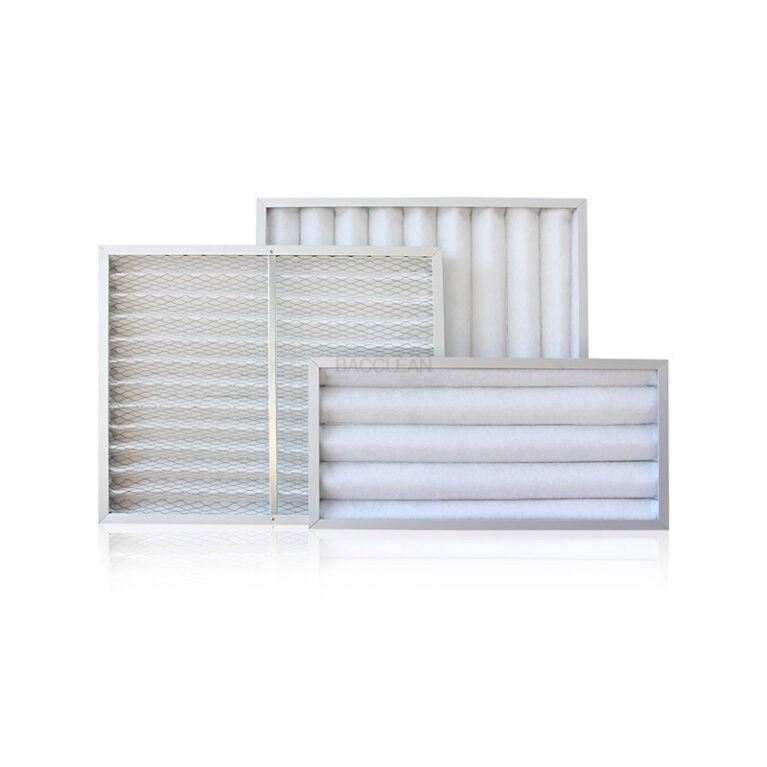
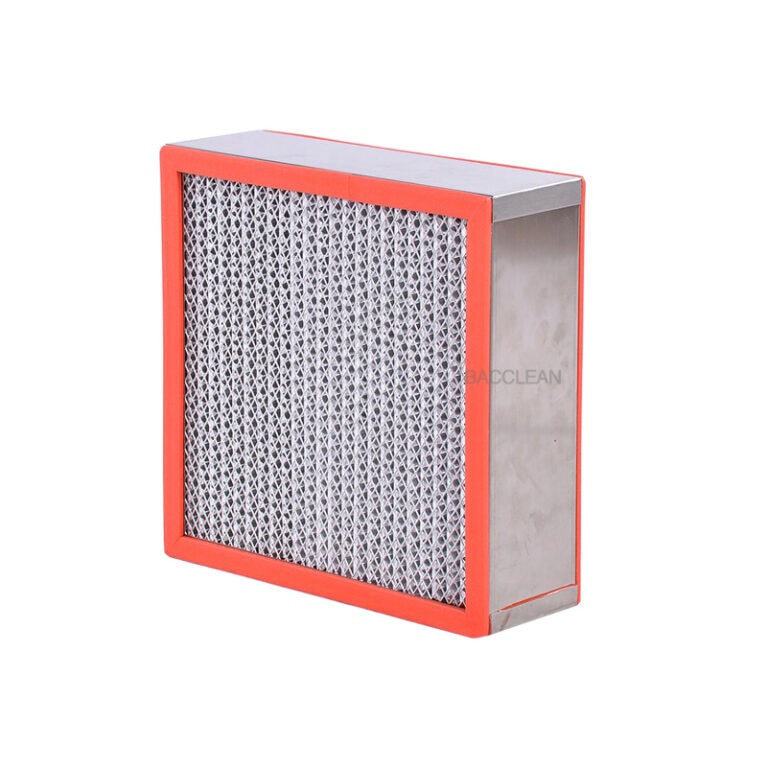
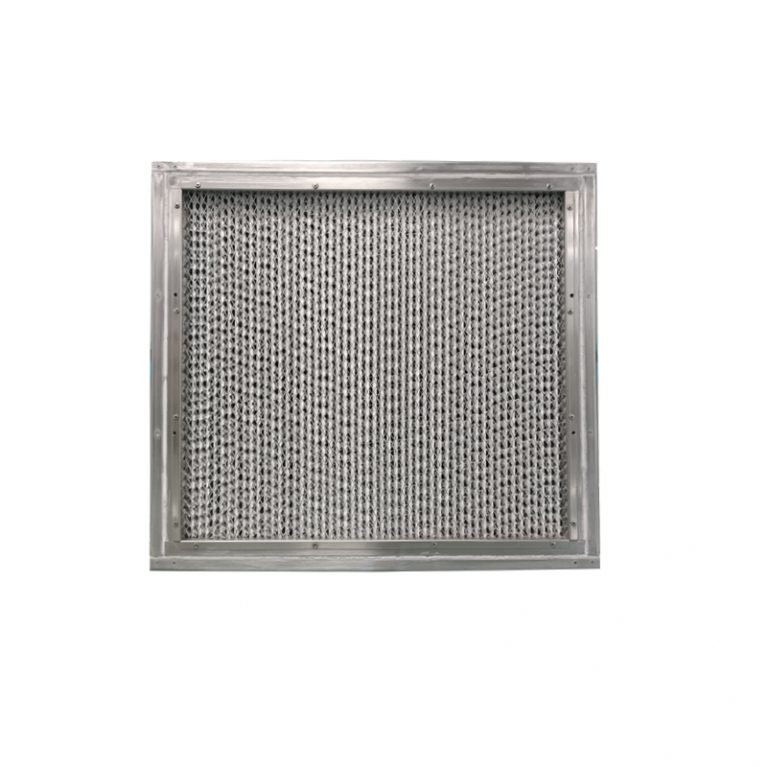
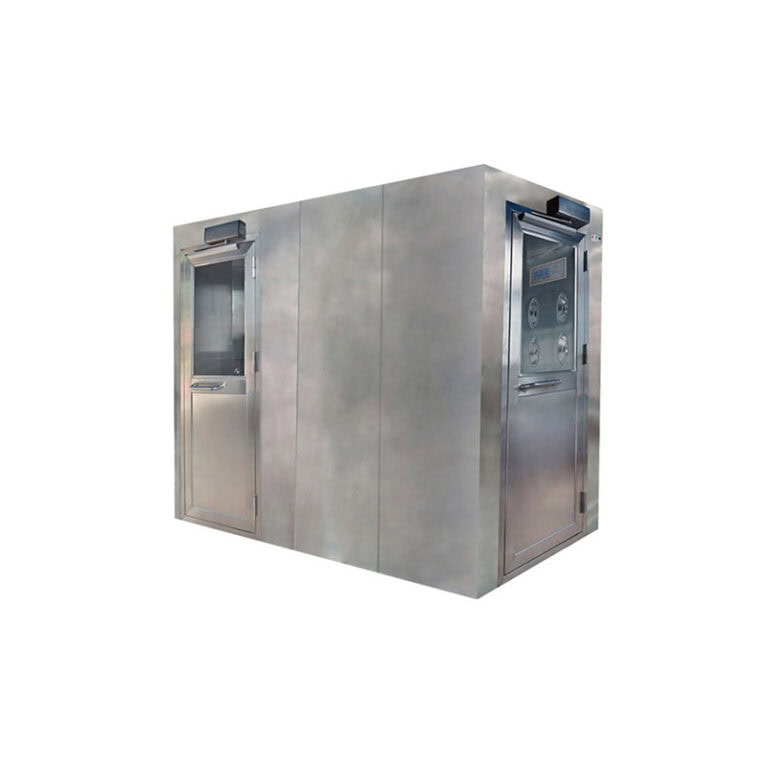
The advantages and disadvantages of the dynamic winding type filtration device need to be analyzed in combination with its core design (automatic winding, continuous filtration) and actual application scenarios. The following is a clear summary:
I. Core Advantages
It enables continuous and uninterrupted filtration without the need to stop the machine to replace filter materials. The automatic winding mechanism completes the filter material update during the filtration process. It is particularly suitable for scenarios such as chemical engineering, coating, and data centers that require 24-hour continuous operation, avoiding production interruption or equipment failure caused by stopping the machine to replace filter materials.
Significantly reduce manual operation and maintenance costs by replacing the traditional manual inspection, replacement, and disassembly processes of filters. Only the filter material rolls need to be replaced as a whole at regular intervals (the frequency is much lower than that of a single filter material replacement), reducing human input. It is especially suitable for working conditions with high dust concentration and fast filter material consumption (such as metallurgical and cement workshops).
The filtration efficiency is stable and controllable. The pressure difference is taken as the core trigger condition for filter material replacement, avoiding the subjectivity of manual judgment (such as replacing the filter material before it is clogged, which causes waste, or excessive clogging leads to a decrease in ventilation volume), and always maintaining stable filtration resistance and ventilation efficiency.
As a primary/medium-efficiency pretreatment device, it can effectively intercept large particle dust, reduce the dust load of the high-efficiency filters at the back end (such as HEPA/ULPA), significantly extend their replacement cycle, and lower the overall consumable cost of the filtration system.
It has a high dust holding capacity and is suitable for high-dust working conditions. The filter material is stored in the form of rolls, and its total dust holding capacity is much greater than that of single-piece filters. It can adapt to scenarios with high dust concentration such as painting lines and waste incineration plants, reducing the frequency of filter material replacement.
Ii. Main Disadvantages
Compared with traditional plate/bag filters, the initial investment cost of the automatic winding device is relatively high. It consists of core components such as motors, differential pressure sensors, and PLC control systems, resulting in higher equipment procurement costs. In small Spaces or low-dust working conditions, its cost performance is relatively low.
There is a certain loss in the utilization rate of filter materials. To ensure complete coverage of the filtration cross-section, a fixed length of filter material (usually a few centimeters to tens of centimeters) needs to be pulled each time the filter is wound. There may be a situation where some filter materials that are not completely clogged are wound and recovered simultaneously. The overall utilization rate of filter materials is slightly lower than that of the single-piece replacement mode.
The device has requirements for installation space. It needs to reserve space for the installation of filter material rolls (usually larger in height than traditional filters), and it also requires a certain amount of maintenance operation space (such as replacing filter material rolls and inspecting motors). It may not be suitable for old factories or scenarios with limited space.
Relying on the power and control system, there is a risk of failure. The automation function depends on the power supply and the normal operation of sensors and motors. If the sensor malfunctions, the motor fails or there is a power outage, it may result in the filter material not being able to be replaced automatically, and a manual emergency mechanism needs to be equipped, which increases the complexity of fault detection.
Although frequent replacement is not necessary, when the entire filter material roll is exhausted, the replacement of the entire roll still requires professional operation (such as aligning the roll and sealing and fixing). Compared with the replacement of individual filter materials, it is more complicated. If the operation is improper, it may lead to air leakage.
Iii. Summary of Applicable Scenarios and Limitations
Adapted scenarios: Industrial/commercial scenarios with high dust, continuous operation, high labor costs, and sensitivity to downtime (such as automotive painting lines, data centers, metallurgical workshops);
Unsuitable scenarios: Small places with low dust, intermittent operation, and limited budgets (such as ordinary offices and small shops).