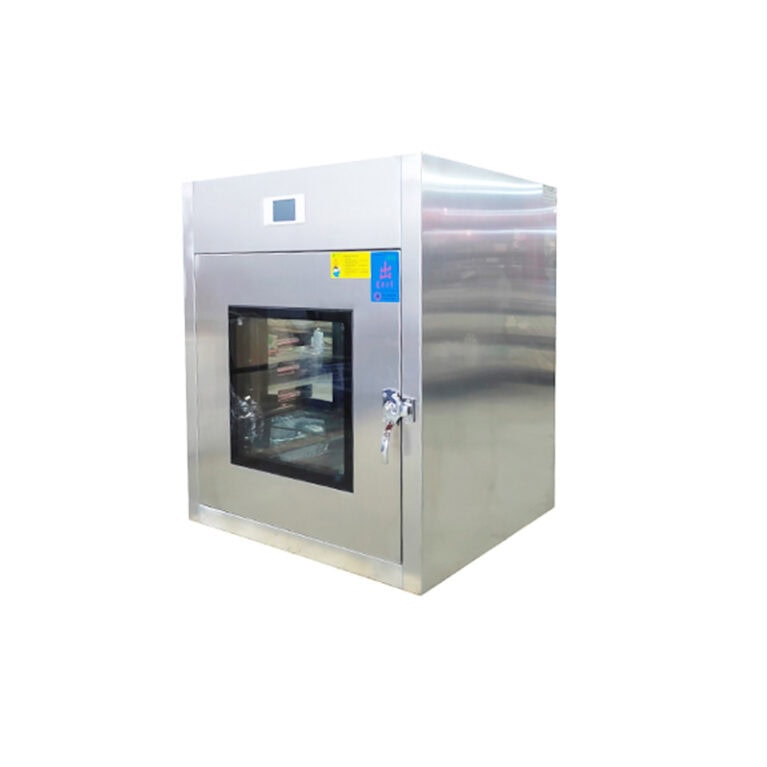
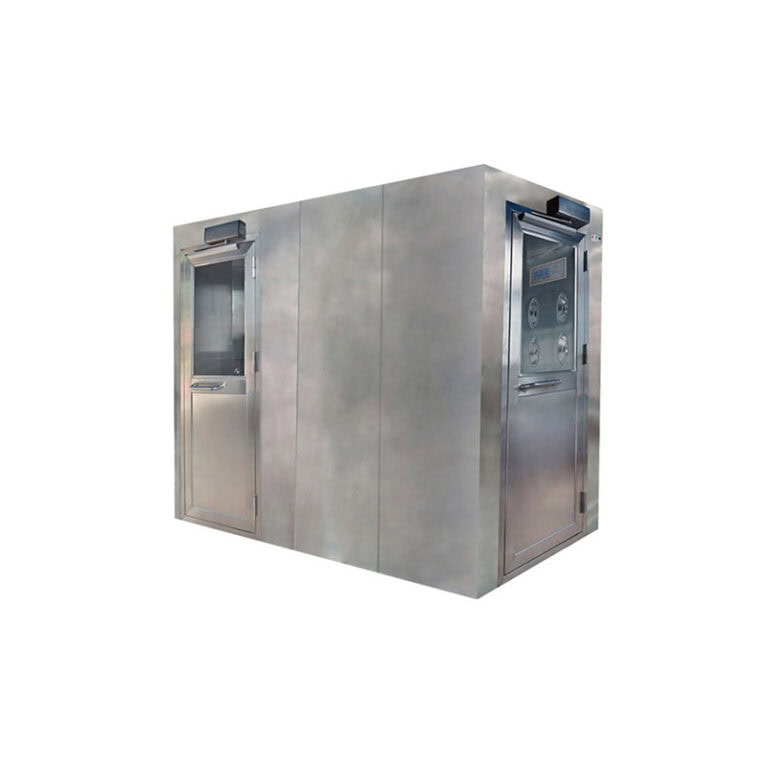
The service life of the embedded clean transfer window is not fixed and mainly depends on the material quality, usage frequency, maintenance level, and the cleanliness level of the environment. The industry-wide reference range is as follows:
Main structure service life
Stainless steel (304/316 stainless steel): Strong corrosion resistance and deformation resistance. Under normal maintenance, the main frame can last for 8-12 years. In some cases (low frequency use + regular maintenance), it can be extended to 15 years.
Carbon steel spray-painted material: Weak corrosion resistance, prone to paint peeling and rusting. The service life is usually 5-8 years.
Life of key components (need to be replaced regularly)
The core functional components of the embedded clean transfer window are consumables or wearables, and their lifespan is much shorter than that of the main structure. Regular replacement is necessary to ensure the cleanliness performance:
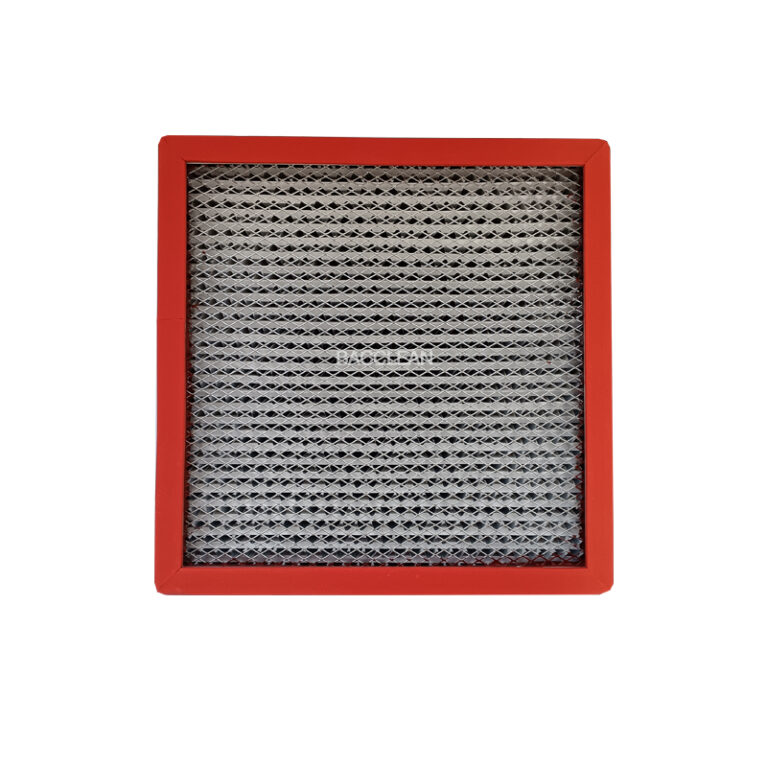
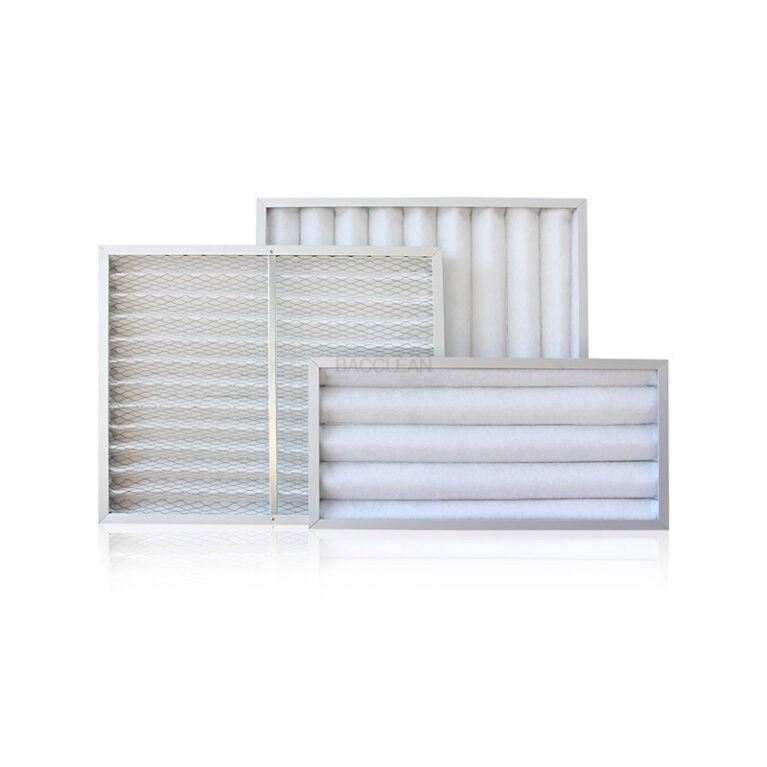
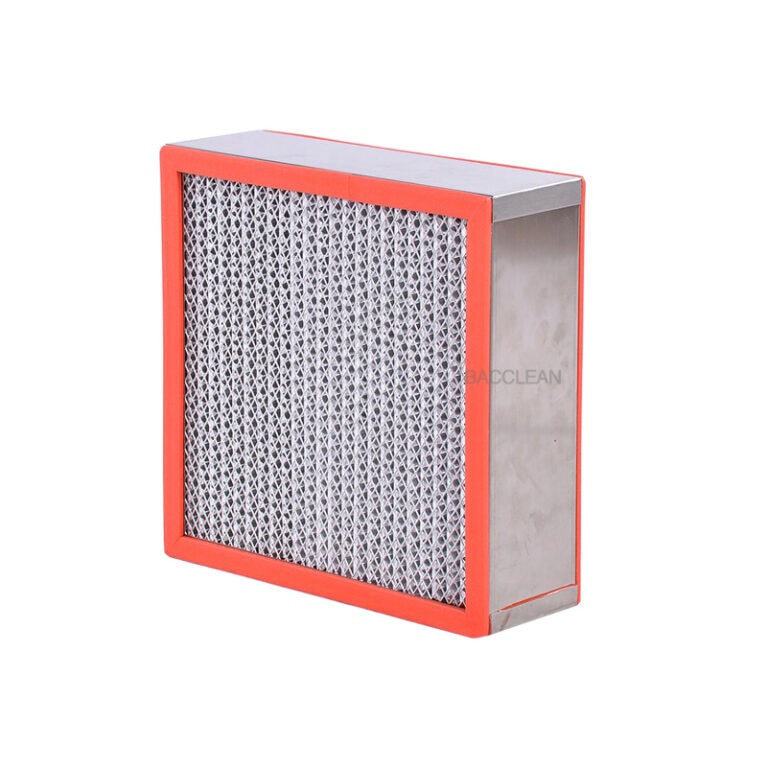
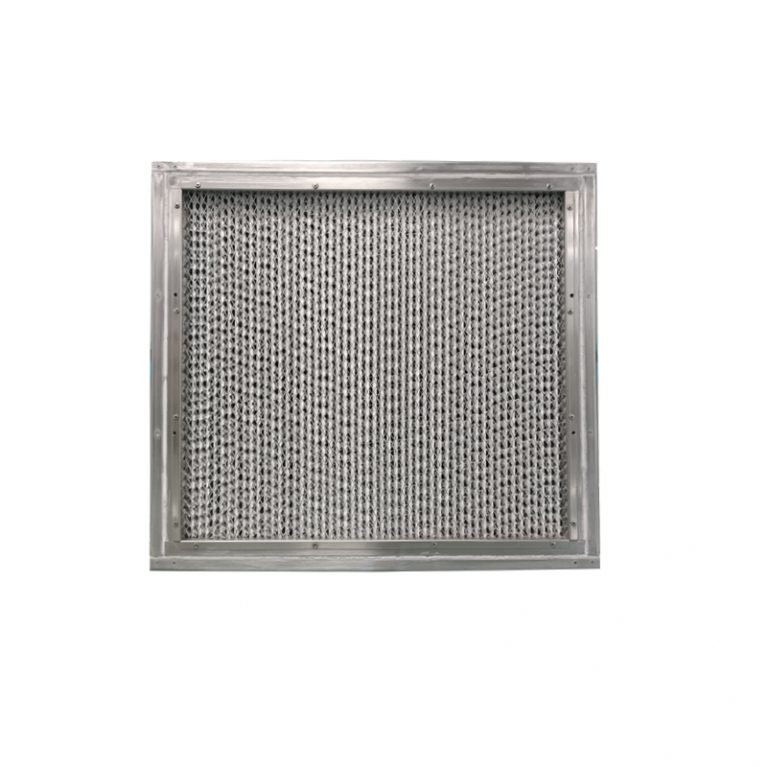
High-efficiency filter: Core consumable of the clean room. Depending on the usage environment and pressure difference changes, the replacement cycle is 3-6 months to 1 year.
Sealing strip: Used to ensure the sealing performance of the transfer window. Affected by environmental temperature and humidity and friction, the aging period is 1-2 years.
Interlock device (mechanical/electronic): Mechanical interlock components have a lifespan of about 3-5 years; the sensors and control elements of the electronic interlock have a lifespan of about 2-4 years and need regular maintenance and calibration.
Fan (transfer window with self-cleaning function): Bearings and motors are prone to wear. Under normal use, the lifespan is about 3-5 years.
Core points for extending service life
Regularly clean the interior of the chamber to avoid dust accumulation and corrosion of the material;
Check the interlock function and sealing performance monthly and replace aging components in time;
Avoid transporting heavy and sharp items in the transfer window to prevent deformation of the chamber or damage to the sealing strip.
If the transfer window is used for more than 10 years, even if there is no obvious damage to the appearance, it is recommended to conduct comprehensive inspections of the sealing performance, interlock reliability, and cleanliness, and replace it in time if it does not meet the usage standards.